Building Technology  ·  Level 6
Building Substructure Works
Chapter 2: Lay foundation concrete
📚 9 Topics
What you will be able to do

By the end of this chapter, you will be able to:

  • Wear the correct personal protective equipment safely and follow all job safety procedures.
  • Identify all the concrete work tools and equipment needed for laying foundation concrete.
  • Recognize the correct concrete class required for the job according to the Structural Engineer’s specifications.

Mastering these skills ensures you build strong, safe foundations that support lasting structures in your trade.

Laying foundation concrete is a critical phase in any construction project, forming the base that supports the entire structure. In Kenya, whether constructing a county hospital, a university lecture hall, or a retail shop in Nairobi, the quality and safety of foundation work determine the durability and safety of the building. This chapter addresses essential aspects of laying foundation concrete, focusing on personal protective equipment (PPE) and the key material, cement. Understanding the correct classes of PPE and the properties of cement ensures construction workers operate safely and produce strong, reliable foundations.

2.1 PPEs

Personal Protective Equipment (PPE) is vital to safeguard workers during foundation concrete works, where hazards such as cement dust, heavy materials, and moving machinery are prevalent. In Kenyan construction sites, including county government offices or cooperative warehouses, adherence to PPE standards reduces injuries and promotes health. This section explores the different classes of PPE used specifically in foundation concrete laying, highlighting their protective capabilities and appropriate usage.

2.1.1 Class 15 PPE

Class 15 PPE refers to basic protective gear designed to shield workers from minor hazards commonly encountered during foundation concrete work. These items are essential for all personnel on-site to prevent everyday injuries and exposure.

Components and Characteristics of Class 15 PPE

  • Safety Helmets: Protect the head from falling debris and accidental impacts, critical in open excavation sites such as school construction projects.

  • Protective Gloves: Shield hands from cement burns and abrasions when mixing or handling concrete manually.

  • Safety Boots: Provide foot protection against heavy objects and sharp materials, commonly used in retail business construction sites.

  • High-Visibility Vests: Ensure workers are visible to machinery operators, especially important in busy county referral hospital construction zones.

  • Dust Masks: Offer basic respiratory protection from cement dust, which can irritate the respiratory tract during mixing.

Usage Context

Class 15 PPE suits workers performing general tasks with low risk but requiring consistent safety measures. For instance, at a SACCO office foundation site, all workers wear Class 15 PPE to minimize minor injuries and maintain compliance with workplace safety regulations.

2.1.2 Class 20 PPE

Class 20 PPE provides enhanced protection for workers exposed to moderate risk environments, such as handling powered tools or working near heavy machinery during foundation concrete placement.

Features and Applications of Class 20 PPE

  • Impact-Resistant Helmets: Designed to withstand stronger impacts, suitable for university campus construction where heavy equipment operates.

  • Chemical-Resistant Gloves: Protect hands from chemical burns caused by wet cement and additives used in concrete.

  • Steel-Toe Boots: Offer reinforced toe protection against heavy falling objects, essential in hotel foundation projects with heavy materials.

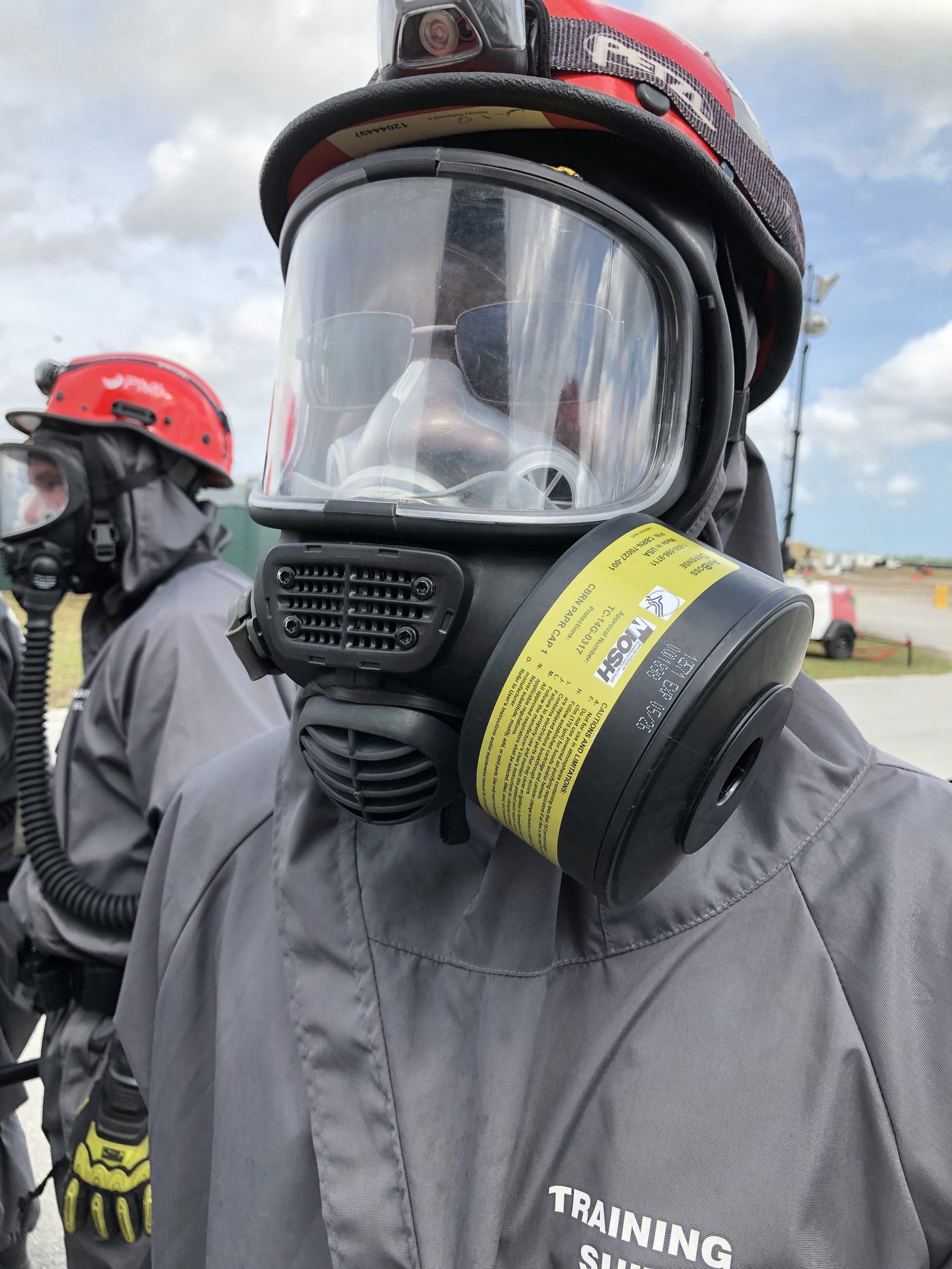
  • Full-Face Respirators: Provide comprehensive respiratory protection against fine cement particles and chemical vapors.

  • Hearing Protection: Earplugs or earmuffs reduce noise exposure from concrete mixers and vibrating tools.

Importance in the Field

Workers engaged in concrete pouring or operating vibrating compactors in county government office foundations benefit from Class 20 PPE. This level of protection reduces the risk of serious injuries while allowing safe operation of machinery.

2.1.3 Class 25 PPE

Class 25 PPE is intended for high-risk activities involving exposure to hazardous substances or extreme physical dangers during concrete foundation works.

Protective Elements of Class 25 PPE

  • Hard Hats with Chin Straps: Prevent helmet displacement during sudden movements or falls, used in large-scale hospital foundation excavations.
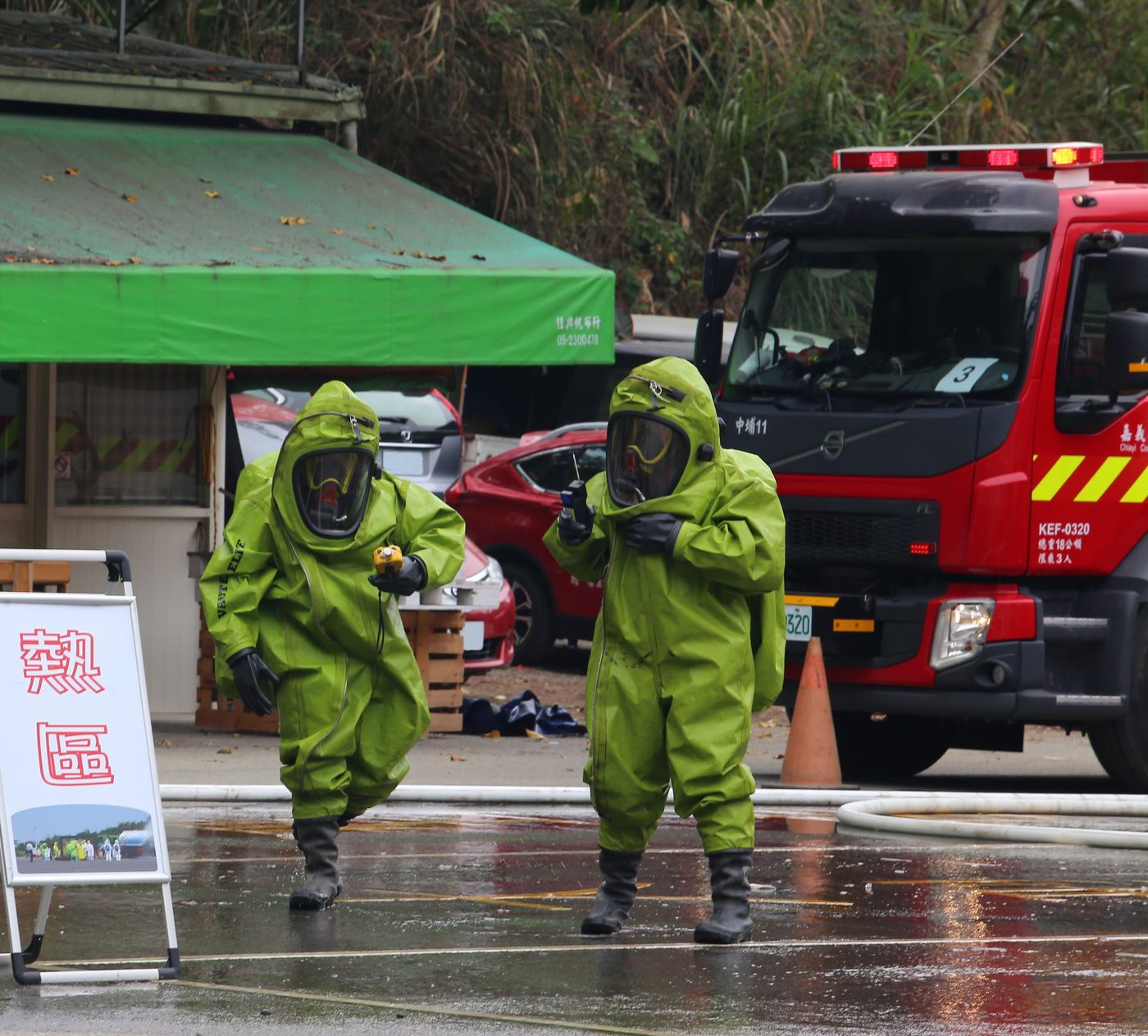
  • Chemical Splash Suits: Full-body suits protect against corrosive cement mixtures and additives.

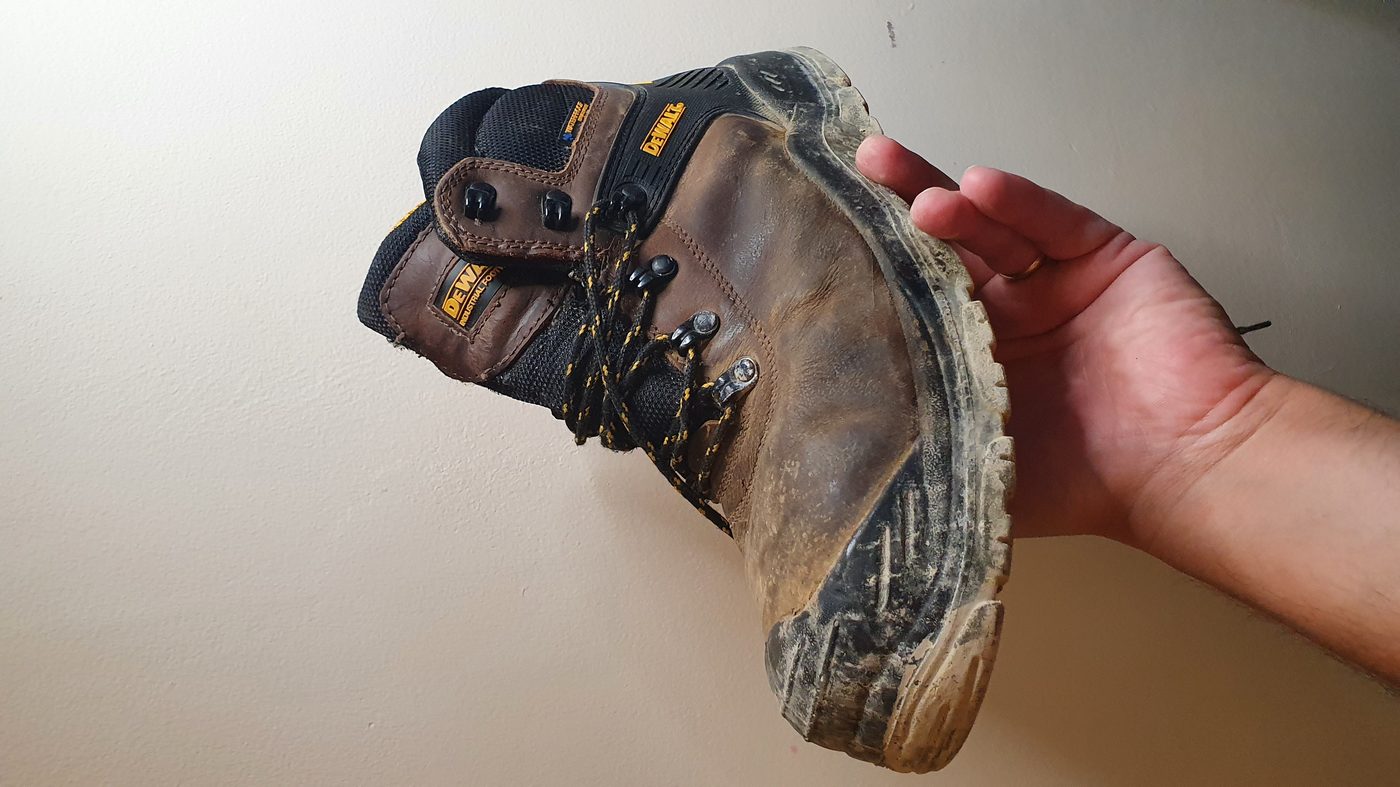
  • Heavy-Duty Boots with Metatarsal Guards: Provide protection not only to toes but also the upper foot area, necessary in agricultural cooperative warehouses.

  • Powered Air-Purifying Respirators (PAPR): Deliver clean air in dusty or chemical-laden environments.

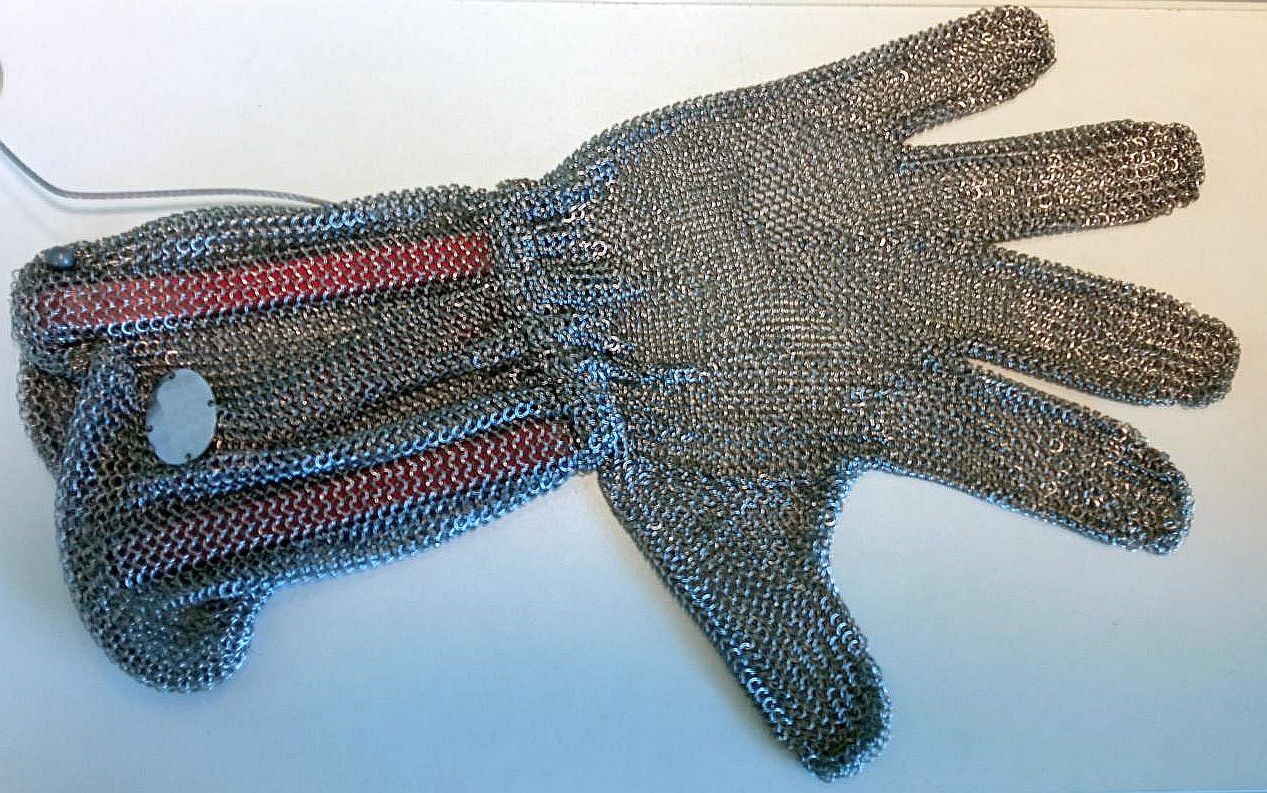
  • Cut-Resistant Gloves: Guard hands against sharp reinforcement bars or tools.

Field Application

Class 25 PPE is standard in sites where workers handle aggressive concrete additives or work in confined spaces, such as university laboratory foundation works. This equipment ensures maximum protection against occupational hazards.

2.1.4 Class 30 PPE

Class 30 PPE represents the highest level of protection, combining multiple safety features for extremely hazardous foundation concrete operations.

Components of Class 30 PPE

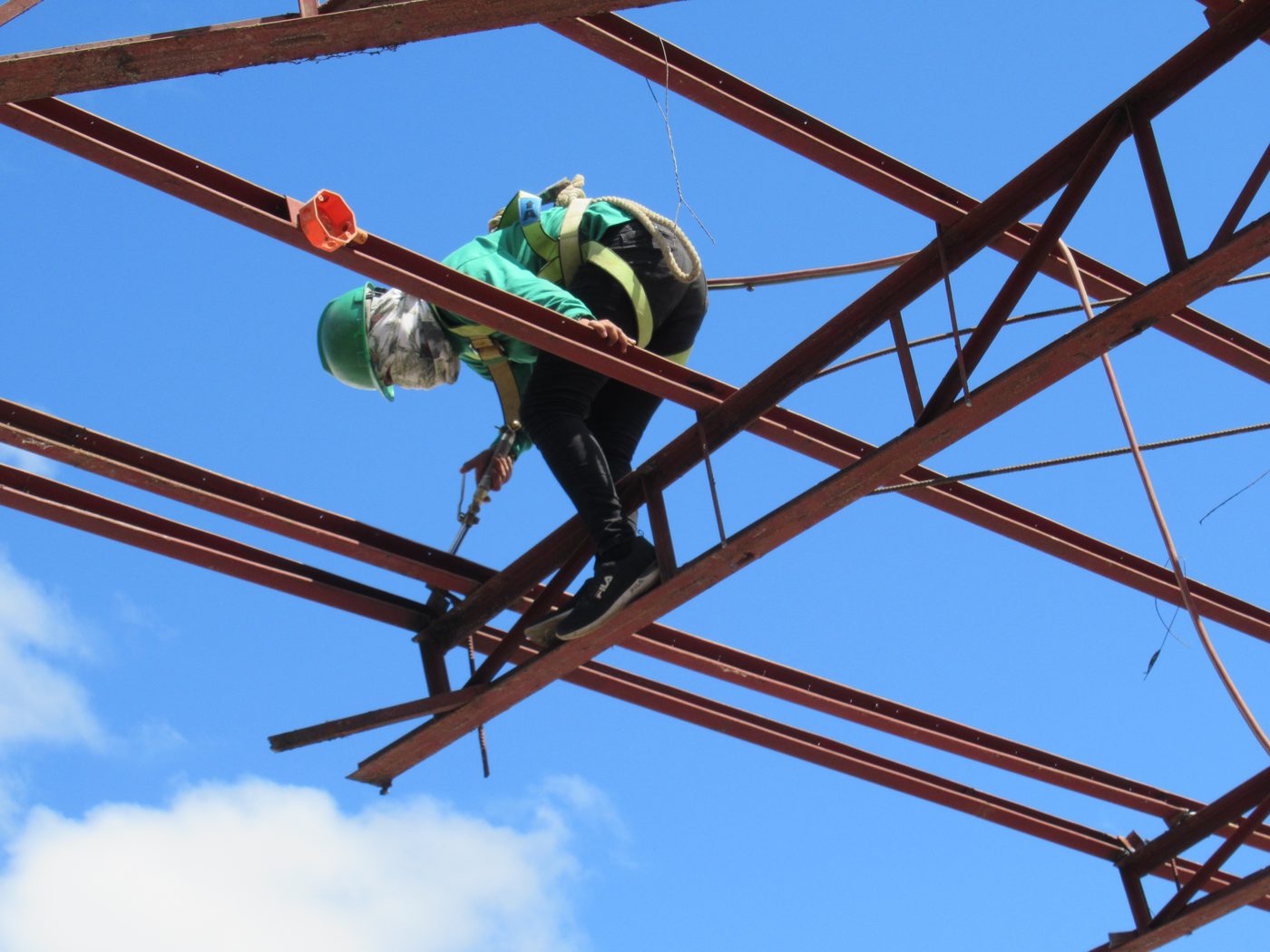
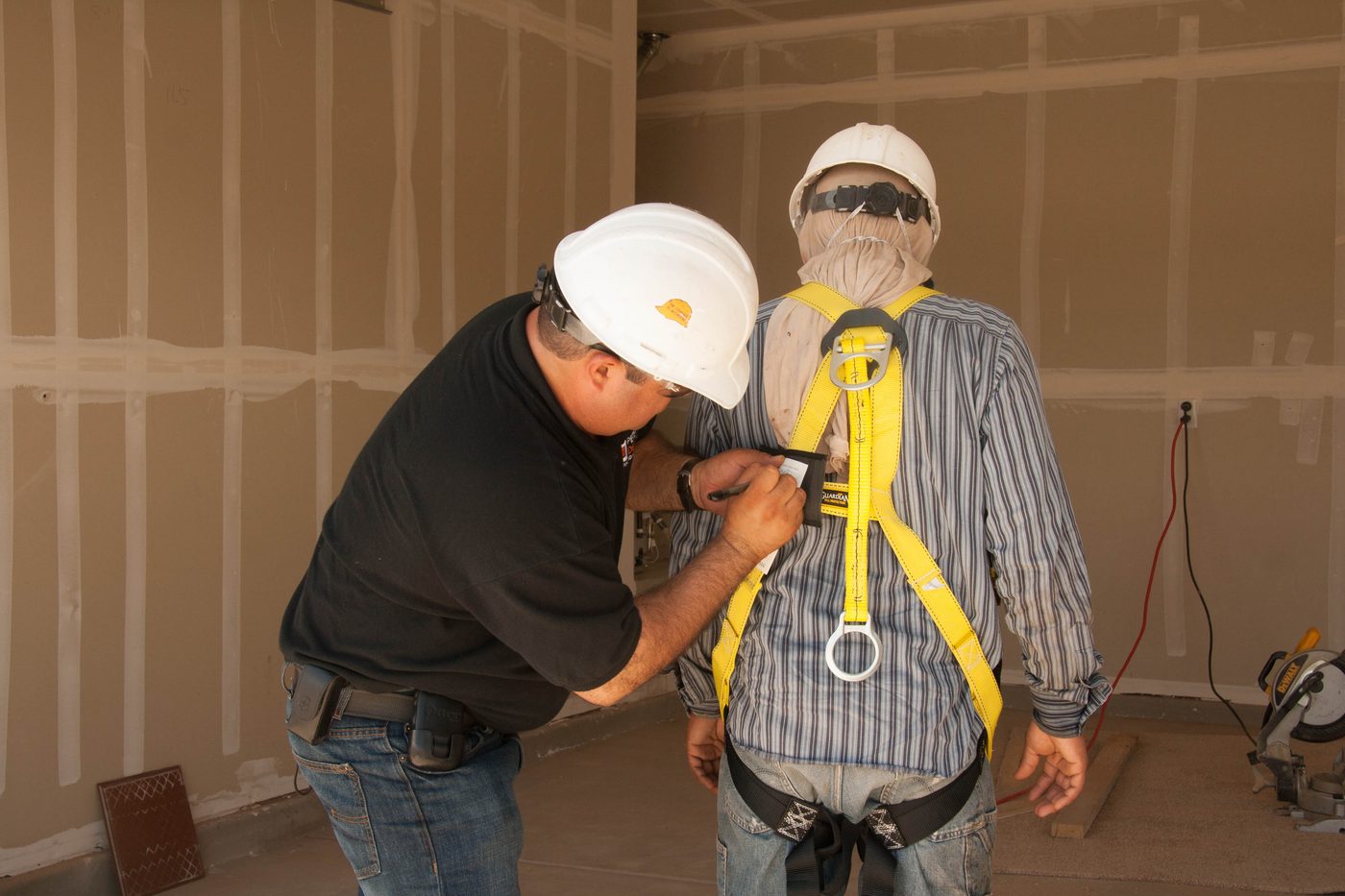
  • Full-Body Harnesses: For fall prevention when working on elevated foundation structures or deep excavations.

  • Self-Contained Breathing Apparatus (SCBA): Provides oxygen in environments with poor air quality caused by chemical fumes.

  • Heat-Resistant Clothing: Protects against high temperatures from concrete curing processes in large industrial buildings.

  • Reinforced Gloves with Thermal Insulation: For handling hot or reactive materials safely.

  • Heavy-Duty Safety Boots with Anti-Slip Soles: Ensure stability and protection on uneven or wet surfaces.

Usage in Practice

In complex foundation projects, such as large county referral hospital extensions, Class 30 PPE is mandatory for workers involved in high-risk tasks like deep foundation drilling or chemical application. The comprehensive protection minimizes accidents and health risks.

2.4.1 Cement

Cement is the primary binding material in concrete, critical for foundation strength and durability. The quality and type of cement used directly affect the stability of structures such as banks, schools, and hotels across Kenya. Understanding cement properties and classifications ensures appropriate selection for foundation concrete.

Composition and Types of Cement

Cement is mainly composed of clinker, gypsum, and minor additives. The common types used in foundation works include Ordinary Portland Cement (OPC), Portland Pozzolana Cement (PPC), and Sulphate Resisting Cement (SRC).

Key Types and Their Characteristics

  • Ordinary Portland Cement (OPC): Rapid setting with high early strength, suitable for most foundation works in county government offices.

  • Portland Pozzolana Cement (PPC): Contains pozzolanic materials enhancing durability and resistance to chemical attacks, preferred in agricultural cooperative buildings.

  • Sulphate Resisting Cement (SRC): Resists sulphate attacks from soil or groundwater, essential for foundations in hospitals located in high sulphate areas.
  • Rapid Hardening Cement: Gains strength quickly, advantageous for fast-track projects like retail business expansions.
  • White Cement: Mainly for aesthetic finishing but occasionally used in foundations requiring visual inspection.

Properties Affecting Foundation Concrete

The performance of cement in foundations depends on several properties critical to structural integrity.

Essential Properties

  • Fineness: Influences the rate of hydration and strength development; finer cement results in higher strength, important for durable hotel foundations.
  • Setting Time: Must be adequate to allow proper placement and finishing; too rapid setting can lead to weak bonding in school building foundations.
  • Compressive Strength: The ability to withstand loads without cracking; higher strength cements are used in urban bank foundations.
  • Soundness: Resistance to volume changes prevents cracking and ensures long-term stability in university laboratories.
  • Chemical Resistance: Prevents deterioration from environmental exposure, vital for foundations near industrial areas.

Storage and Handling of Cement

Proper storage and handling preserve cement quality and prevent contamination or premature setting during foundation works.

Best Practices

  • Dry Storage: Cement should be stored in waterproof, ventilated stores to prevent moisture absorption, especially in coastal hotel projects.
  • First-In, First-Out (FIFO): Ensures older cement is used first to maintain freshness on large county office sites.
  • Avoiding Contamination: Cement must be kept away from chemicals, oils, and foreign materials that could weaken concrete.
  • Handling with Care: Use sealed bags and avoid spilling during transportation to sites like cooperative warehouses.
  • Regular Inspection: Check for lumps or discoloration indicating moisture damage before use in hospital foundation mixes.

Practice Questions

  1. Explain the differences between Class 15 and Class 25 PPE and give examples of situations in foundation concrete work where each would be appropriate. (10 marks)

  2. Describe five properties of cement that influence the quality of foundation concrete, illustrating their importance with examples from Kenyan construction projects. (15 marks)

  3. Outline six best practices for the storage and handling of cement on a construction site for a county government office building. (12 marks)

The rest of this chapter
🔒

Create a free account to open more of this chapter.

Free: practical guides, quick cards, workplace scenarios and more.

Create a free account
🔒2.2 Concrete Works Tools and Equipment Identification

Hand tools are essential for manual concrete mixing, placing, and finishing tasks, especially in small-scale projects or where access to machinery is limited. These tools require skillful handling to achieve desired workmanship in sectors like retail businesse…

🔒2.3 Concrete Class

Concrete class refers to the categorization of concrete based on its compressive strength and mix proportions, which directly affects the structural performance of foundations and other substructure elements. In Kenya, defining the appropriate concrete class i…

🔒2.4 Batching of Concrete Materials

Batching is a critical process in concrete production that involves measuring the quantities of the constituent materials, cement, aggregates, water, and admixtures, before mixing. Accurate batching ensures the concrete mix attains the desired strength, durabi…

🔒2.5 Fixing of Reinforcement Bars

Fixing reinforcement bars is a key stage in preparing concrete foundations. Proper placement and securing of steel bars ensure that the concrete substructure can withstand tensile stresses and provide durability. In Kenya, reinforcement fixing at construction…

🔒2.6 Mixing of Batched Materials

Mixing of batched materials is a crucial stage in producing quality concrete for building substructures. In Kenya’s construction sector, whether for a county referral hospital or a university campus, the consistency and homogeneity of the concrete mix directly…

🔒2.7 Placing of Fresh Concrete

Placing fresh concrete is the process of transferring the freshly mixed material from the mixer to its final position in the foundation formwork. This stage is vital as improper placing can cause segregation, honeycombing, or inadequate compaction, leading to…

🔒2.8 Compaction of Concrete

Compaction is a critical process in concrete work that ensures the removal of entrapped air and voids within freshly placed concrete. Proper compaction improves the density and strength of concrete, making it more durable and resistant to environmental factors…

🔒2.9 Curing

Curing is the process of maintaining adequate moisture, temperature, and time to allow concrete to achieve its desired strength and durability. In Kenya’s diverse climatic conditions, proper curing is essential to prevent premature drying, shrinkage cracks, an…

Chapter Summary

This chapter provided a comprehensive overview of laying foundation concrete, starting with the essential personal protective equipment required to ensure safety during the process. It then detailed the various tools and equipment used in concrete works, highlighting their specific roles. The classification of concrete was explained with emphasis on classes 15, 20, 25, and 30, each suited for different structural requirements. The batching of concrete materials covered the accurate measurement and selection of cement, fine aggregates, coarse aggregates, and water, critical for achieving the desired concrete quality. The process of fixing reinforcement bars was discussed to ensure structural strength and stability. Mixing of the batched materials was outlined to achieve a uniform and workable concrete mix. The chapter also described the proper placing of fresh concrete and the importance of thorough compaction to eliminate voids. Finally, curing was emphasized as a vital step to maintain moisture and promote the concrete’s strength development.

Self-Assessment

🔒 PDFDownload this self-assessment, with answers

A. Written Assessment

  1. Which type of Personal Protective Equipment (PPE) is essential when handling fresh concrete to prevent skin burns? (2 marks)
  2. Identify three tools commonly used in the placing and compaction of concrete. (3 marks)
🔒20 more in this section.

Chapter Examination Questions

🔒 PDFDownload these examination questions, with model answers

SECTION A (40 Marks) - Answer ALL Questions

  1. Identify four types of personal protective equipment (PPE) essential for workers during concrete laying at a county hospital construction site and explain their specific functions. (4 marks)
  2. List and describe four tools or equipment commonly used in concrete works for a university building foundation. (4 marks)
🔒18 more in this section.

Chapter Practical Activities

Practical 1: Identify and Name Concrete Works Tools and Equipment

Building Technology · Level 6
Building Substructure Works
PRACTICAL ASSESSMENT
TIME: 3 HOURS
⬇ PDFCandidate Instructions (Candidate Tool)

Type: Individual

INSTRUCTIONS TO CANDIDATE:
1.  You are required to perform the following task:
i.  Identify and name all concrete works tools and equipment used in laying a foundation concrete 2400mm x 1200mm.
2.  You have been provided with the following resources for the practical task:
Tools & EquipmentMaterials
Tape measure
Spirit level
Concrete mixer
Wheelbarrow
Shovel (Spade)
Trowel
Concrete float (wooden)
Concrete vibrator
Buckets
Safety helmet
Dust coat/Overall
Safety boots
Gloves
⬇ PDFResources Required (Cutting List)
S/NItemQuantity
1Tape measure1 Pc per Candidate
2Spirit level1 Pc per 2 Candidates
3Concrete mixer1 Pc per 5 Candidates
4Wheelbarrow1 Pc per 3 Candidates
5Shovel (Spade)1 Pc per Candidate
6Trowel1 Pc per Candidate
7Concrete float (wooden)1 Pc per Candidate
8Concrete vibrator1 Pc per 5 Candidates
9Buckets2 Pcs per Candidate
10Wheelbarrow1 Pc per 3 Candidates
11Safety helmet1 Pc per Candidate
12Dust coat/Overall1 Pc per Candidate
13Safety boots1 Pair per Candidate
14Gloves1 Pair per Candidate
⬇ PDFAssessor Guide
Items to be EvaluatedMarks AvailableMarks ObtainedComments
TASK 1: Identification of Concrete Works Tools and Equipment
Wore appropriate PPE: Safety helmet, Dust coat/Overall, Safety boots
(Award 1 mark for each correctly worn PPE, total 3 marks)
3
Correctly identified Tape measure
(Award 1 mark for correct identification)
1
Correctly identified Spirit level
(Award 1 mark for correct identification)
1
Correctly identified Concrete mixer
(Award 1 mark for correct identification)
1
Correctly identified Wheelbarrow
(Award 1 mark for correct identification)
1
Correctly identified Shovel (Spade)
(Award 1 mark for correct identification)
1
Correctly identified Trowel
(Award 1 mark for correct identification)
1
Correctly identified Concrete float (wooden)
(Award 1 mark for correct identification)
1
Correctly identified Concrete vibrator
(Award 1 mark for correct identification)
1
Correctly identified Buckets
(Award 1 mark for correct identification)
1
Correctly identified Gloves
(Award 1 mark for correct identification)
1
Sub-Total13
PRODUCT CHECKLIST
Accuracy in naming all listed concrete works tools and equipment (13 items)
(Award 1 mark for each correctly named tool or equipment, total 7 marks)
7
Sub-Total7
GRAND TOTAL20
ASSESSMENT OUTCOME:   ☐ Competent    ☐ Not Yet Competent (competent if at least 50%)

Practical 2: Select and justify appropriate concrete class for foundation work

Building Technology · Level 6
Building Substructure Works
PRACTICAL ASSESSMENT
TIME: 3 HOURS
⬇ PDFCandidate Instructions (Candidate Tool)

Type: Individual

INSTRUCTIONS TO CANDIDATE:
1.  You are required to perform the following task:
i.  Select and justify the appropriate concrete class for a foundation footing 1200mm wide x 600mm deep.
2.  You have been provided with the following resources for the practical task:
Tools & EquipmentMaterials
CalculatorConcrete mix design charts and tables
PenSite foundation drawing
Notebook
⬇ PDFResources Required (Cutting List)
S/NItemQuantity
1Concrete mix design charts and tables1 set per Candidate
2Site foundation drawing1 sheet per Candidate
3Calculator1 Pc per Candidate
4Pen and notebook1 set per Candidate
5PPE (Dust coat/Overall, Safety boots, Helmet, Gloves)1 set per Candidate
⬇ PDFAssessor Guide
Items to be EvaluatedMarks AvailableMarks ObtainedComments
TASK 1: PPE and preparation
Wore correct PPE (Dust coat/Overall, Safety boots, Helmet)
(Award 1 mark for each correctly worn PPE item)
3
Reviewed site foundation drawing correctly
(Award 3 marks for correct interpretation of drawing)
3
Assembled necessary tools and charts
(Award 1 mark each for Calculator and mix design charts)
2
Identified foundation dimensions from drawing (1200mm width, 600mm depth)
(Award 1 mark each for correct dimensions identified)
2
Sub-Total10
TASK 2: Concrete class selection and justification
Selected appropriate concrete class (Class 15, 20, 25, or 30) based on foundation load
(Award 6 marks for correct class selection according to loading conditions)
6
Justified selection with reference to strength and durability requirements
(Award 8 marks for clear, relevant justification including structural considerations)
8
Recorded selection and justification clearly in notebook
(Award 4 marks for clear and complete documentation)
4
Sub-Total18
PRODUCT CHECKLIST
Correct concrete class selected matching foundation requirements
(Award 8 marks for correct and appropriate concrete class selection)
8
Accurate foundation dimensions referenced (1200mm width, 600mm depth)
(Award 2 marks each for correct width and depth)
4
Clear and logical justification provided
(Award 6 marks for sound reasoning and reference to standards)
6
Sub-Total18
GRAND TOTAL46
ASSESSMENT OUTCOME:   ☐ Competent    ☐ Not Yet Competent (competent if at least 50%)
🔒

Free: practical guides, quick cards, workplace scenarios and more.

Create a free account
🔒Batch concrete materials for foundation concrete 1:2:4 mixPractical 3
🔒Fix Reinforcement Bars for Foundation 2400mm x 1200mmPractical 4
🔒Mix Batched Concrete Materials for 1500mm x 1200mm Foundation BlindingPractical 5
🔒Place Fresh Concrete in Foundation Trench 1200mm x 600mm x 300mmPractical 6
🔒Compaction of Freshly Placed Concrete for Foundation Pad 1200mm x 1200mm x 150mmPractical 7
🔒Cure Laid Foundation Concrete to Ensure Proper Hydration and StrengthPractical 8
🔒Prepare and Wear PPE for Concrete Foundation WorksPractical 9
🔒Interpret and fix reinforcement bars for a strip foundation 2400mm x 1200mmPractical 10
🔒Calculate material quantities for batching 1m³ concretePractical 11
🔒Demonstrate mixing of 0.03 m3 concrete by hand for foundation worksPractical 12
🔒Mix Concrete Using a Mechanical Mixer for a 1m³ Foundation SlabPractical 13
🔒Manual compaction of foundation concrete using a tamping rodPractical 14
🔒Demonstrate curing methods for foundation concrete 1200mm x 600mmPractical 15
Flashcards 20 cards Study deck ▾
Question
1

↻ Tap card to reveal answer
🔒

18 more in this section.

Create a free account
Test Yourself 19 questions Start quiz ▾
0%
0 / 2
🔒

17 more in this section.

Create a free account
Am I competent?

At the start of this chapter we promised you would be able to:

  • Wear the correct personal protective equipment safely and follow all job safety procedures.
  • Identify all the concrete work tools and equipment needed for laying foundation concrete.
  • Recognize the correct concrete class required for the job according to the Structural Engineer’s specifications.

Tick each one you can genuinely do.

Prove it — in the simulator

Sample simulation — try how the simulator works. A version built for this chapter's practical is coming.

Prepare Kenyan PilauLocked ▸

Free: practical guides, quick cards, workplace scenarios and more.

Now — are you there yet?

You're competent when you can confidently do 50% or more of what this chapter promised.

Sign in to record how you're doing.