
By the end of this chapter, you will be able to:
Mastering these skills helps you produce strong, reliable masonry units that are essential for building durable structures in the trade.
Compiled by: Wambui Muriuki
Clay masonry units are fundamental building blocks widely used in construction across Kenya, including in county government offices, universities, hotels, and retail businesses. Producing quality clay masonry units requires careful attention to safety, material preparation, and adherence to precise procedures. This chapter explores essential aspects of producing clay masonry units, focusing on personal protective equipment (PPE) to ensure worker safety and the detailed steps involved in preparing clay for masonry production.
In the production of clay masonry units, workers are exposed to various hazards such as dust, sharp tools, heavy lifting, and potential chemical irritants. Proper use of personal protective equipment is critical to safeguarding health and maintaining productivity. Kenyan workplaces like county referral hospitals and retail warehouses enforce PPE use to minimize injuries and occupational illnesses among staff involved in material handling and manufacturing.
Personal protective equipment used in clay masonry unit production varies depending on the specific task and associated hazards. Understanding the types ensures workers are adequately protected throughout the production process.
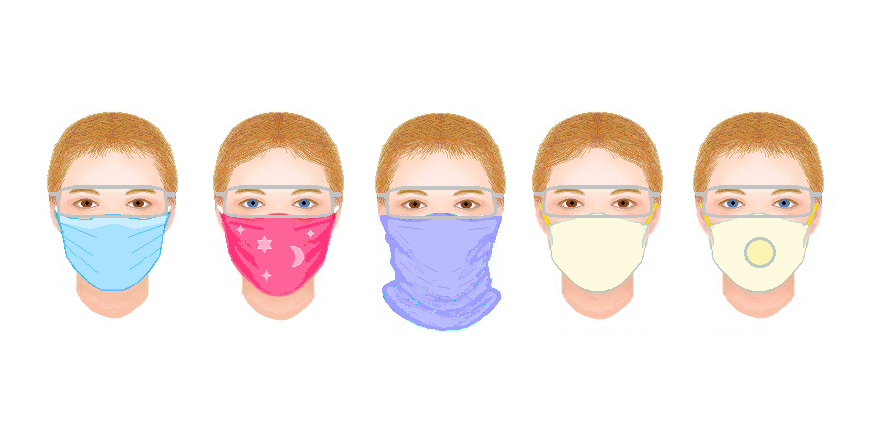
Various types of respiratory masks on faces (Source: Wikimedia Commons)
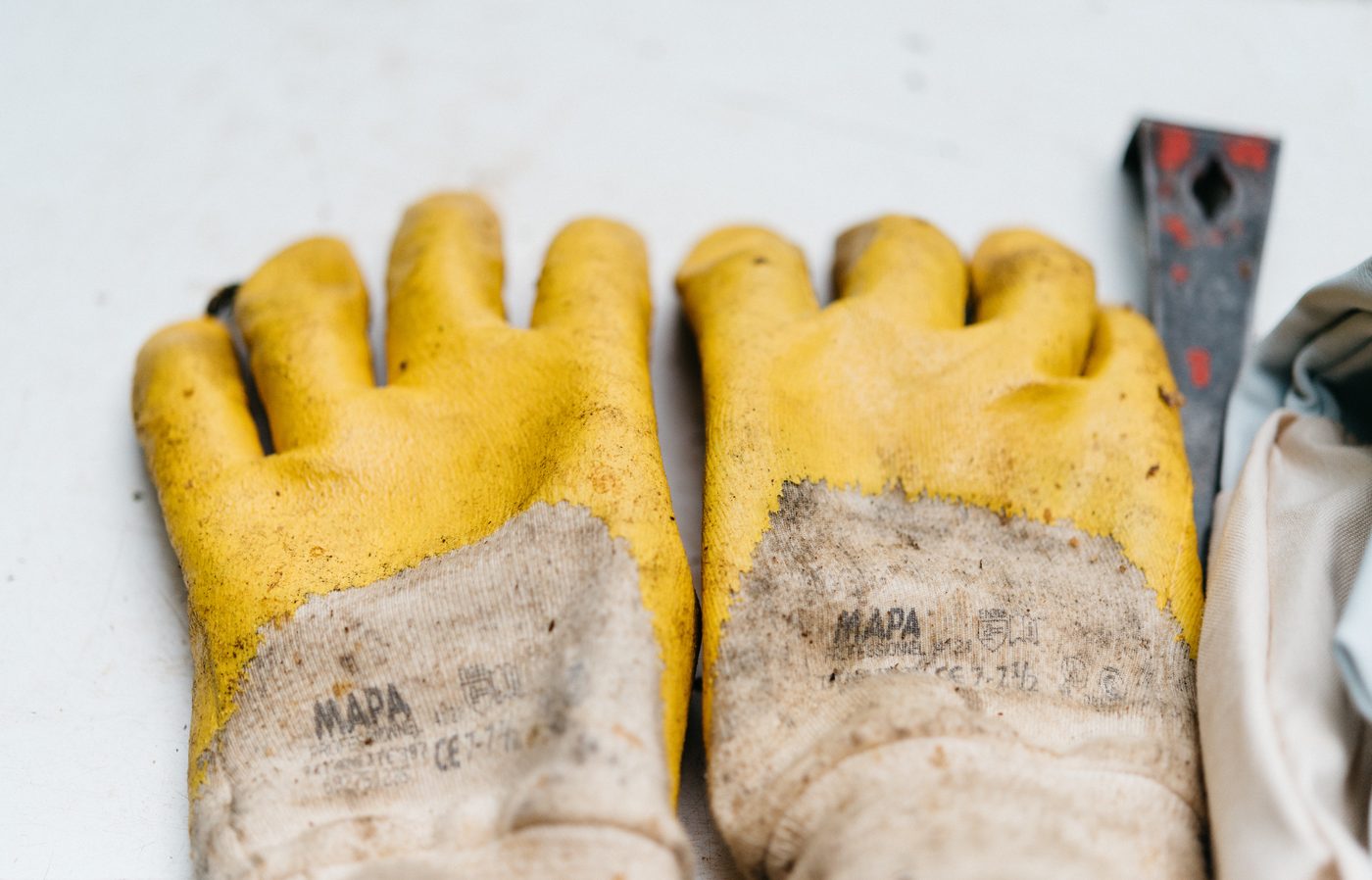
Pair of yellow work gloves used in carpentry (Source: Wikimedia Commons)
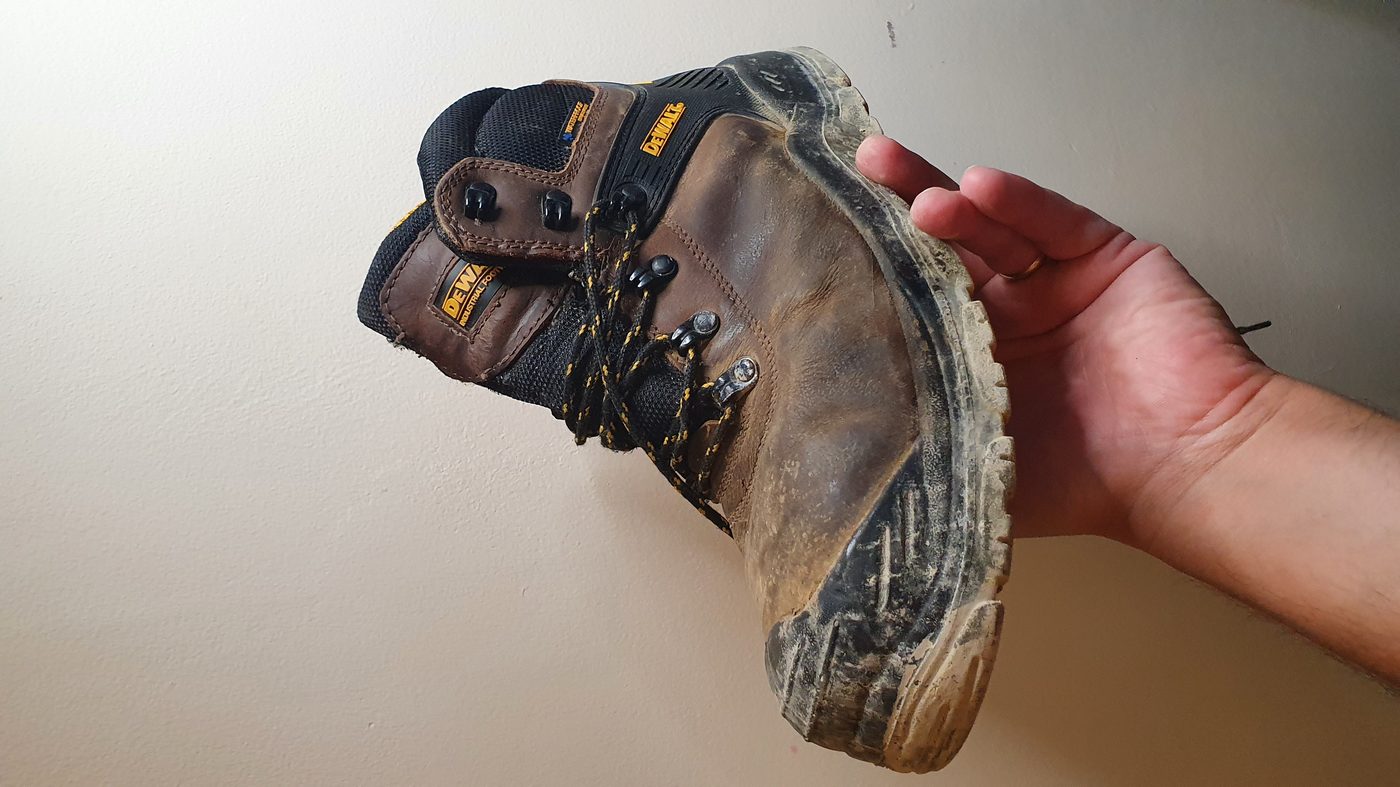
A single safety boot for industrial use (Source: Wikimedia Commons)
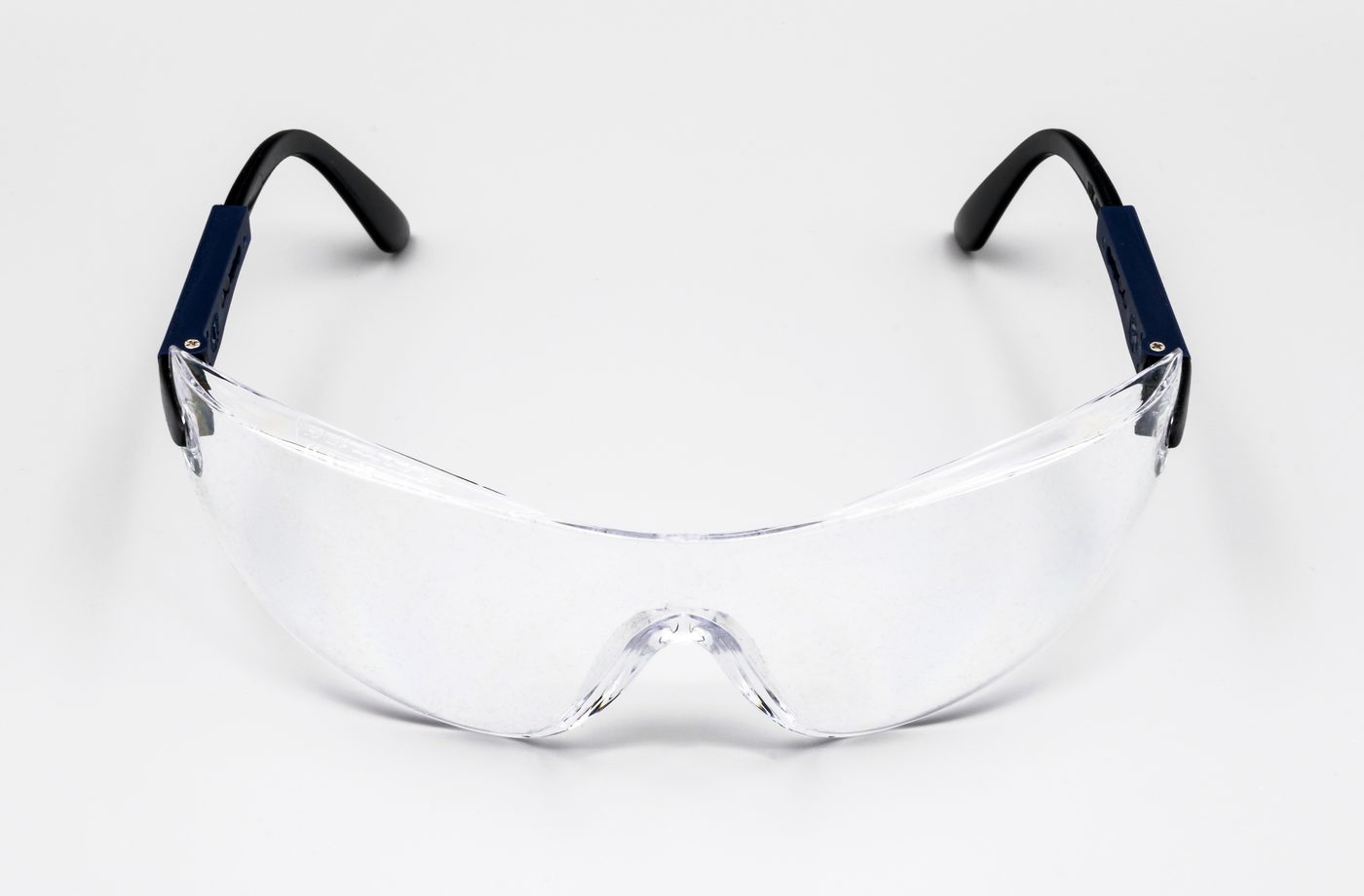
Clear protective eyewear for safety (Source: Wikimedia Commons)
Proper application of PPE enhances safety and efficiency in clay masonry unit production by reducing exposure to hazards and enabling workers to perform tasks confidently.
Create a free account to open more of this chapter.
Free: practical guides, quick cards, workplace scenarios and more.
Create a free accountThis chapter covered the essential aspects of producing clay masonry units, beginning with the importance of personal protective equipment, including its various types and specific uses to ensure safety during production. The preparation of clay was detailed through a step-by-step procedure that ensures the raw material is properly conditioned for brick making. The process of moulding clay bricks was explained, highlighting the techniques involved in shaping the units before they undergo sun drying to reduce moisture content. The chapter concluded with an examination of the kilning process, describing the controlled heating procedure necessary to harden and strengthen the bricks for durable construction use. Each stage of production was presented to provide a comprehensive understanding of how quality clay masonry units are manufactured safely and effectively.
Type: Individual
| Tools & Equipment | Materials |
|---|---|
| Mallet | Helmet |
| Trowel | Gloves |
| Steel Float | Dustcoat/Overall |
| Measuring Tape (3 m) | Gumboots/Safety Boots |
| Safety Goggles | |
| Face Mask |
| S/N | Item | Quantity |
|---|---|---|
| 1 | Helmet | 1 Pc per Candidate |
| 2 | Gloves | 1 Pair per Candidate |
| 3 | Dustcoat/Overall | 1 Pc per Candidate |
| 4 | Gumboots/Safety Boots | 1 Pair per Candidate |
| 5 | Safety Goggles | 1 Pc per Candidate |
| 6 | Face Mask | 1 Pc per Candidate |
| 7 | Mallet | 1 Pc per Candidate |
| 8 | Trowel | 1 Pc per Candidate |
| 9 | Steel Float | 1 Pc per Candidate |
| 10 | Measuring Tape (3 m) | 1 Pc per Candidate |
| Items to be Evaluated | Marks Available | Marks Obtained | Comments |
|---|---|---|---|
| TASK 1: PPE Identification and Use | |||
| Identified and donned Helmet according to safety procedures (Award 1 mark for correct use of helmet) | 1 | ||
| Identified and donned Gloves correctly (Award 1 mark for correct use of gloves) | 1 | ||
| Wore Dustcoat/Overall properly (Award 1 mark for correctly worn dustcoat/overall) | 1 | ||
| Wore Gumboots or Safety Boots appropriately (Award 1 mark for correct use of gumboots/safety boots) | 1 | ||
| Used Safety Goggles correctly (Award 1 mark for correct use of safety goggles) | 1 | ||
| Wore Face Mask properly (Award 1 mark for correct use of face mask) | 1 | ||
| Demonstrated safe handling and care of tools (Mallet, Trowel, Steel Float, Measuring Tape) (Award 1 mark for each tool handled safely) | 4 | ||
| Followed occupational safety and health regulations during PPE use (Award 3 marks for full compliance with safety regulations) | 3 | ||
| Sub-Total | 13 | ||
| PRODUCT CHECKLIST | |||
| Correct identification and use of all required PPE items (Helmet, Gloves, Dustcoat, Gumboots, Goggles, Face Mask) (Award 1 mark for each PPE correctly identified and used) | 6 | ||
| Proper care and safe custody of tools after use (Award 3 marks for tools stored and maintained properly) | 3 | ||
| Sub-Total | 9 | ||
| GRAND TOTAL | 22 | ||
Type: Individual
| Tools & Equipment | Materials |
|---|---|
| Shovel | Clay soil |
| Wheelbarrow | Water |
| Water bucket | |
| Sieves | |
| Mixing tray |
| S/N | Item | Quantity |
|---|---|---|
| 1 | Shovel | 1 Pc per Candidate |
| 2 | Wheelbarrow | 1 Pc per 2 Candidates |
| 3 | Water bucket (10 Litres) | 1 Pc per Candidate |
| 4 | Sieves (10 mm mesh) | 1 Pc per Candidate |
| 5 | Mixing tray (1 m x 1 m) | 1 Pc per Candidate |
| 6 | Gloves | 1 Pair per Candidate |
| 7 | Dust coat/overall | 1 Pc per Candidate |
| 8 | Safety boots | 1 Pair per Candidate |
| 9 | Helmet | 1 Pc per Candidate |
| 10 | Clay soil | 50 kg per Candidate |
| 11 | Water | 10 Litres per Candidate |
| Items to be Evaluated | Marks Available | Marks Obtained | Comments |
|---|---|---|---|
| TASK 1: Clay Preparation Process | |||
| Wore all required PPE: Helmet, Gloves, Dust coat/overall, Safety boots (Award 1 mark for each PPE worn as per workplace procedures 4 x 1 = 4 Marks) | 4 | ||
| Collected and prepared 50 kg of clay soil (Award 3 marks for correctly gathering and measuring clay soil) | 3 | ||
| Removed large impurities from clay using 10 mm sieve (Award 4 marks for thorough removal of impurities by sieving) | 4 | ||
| Mixed clay thoroughly with water to achieve uniform consistency (Award 5 marks for proper mixing and achieving workable clay consistency) | 5 | ||
| Tempered clay by kneading and adding water gradually (Award 4 marks for correct tempering technique ensuring pliability) | 4 | ||
| Cleaned and stored tools and workspace after preparation (Award 3 marks for proper housekeeping and tool care) | 3 | ||
| Sub-Total | 23 | ||
| PRODUCT CHECKLIST | |||
| Clay is free of visible impurities and debris (Award 5 marks for clay free from stones, roots, and other impurities) | 5 | ||
| Clay has uniform texture and plasticity suitable for masonry units (Award 7 marks for consistent workable clay texture and moisture content) | 7 | ||
| Quantity of prepared clay meets the 50 kg requirement (Award 3 marks for correct quantity of prepared clay) | 3 | ||
| Tools and workspace cleaned and organized after task completion (Award 2 marks for neatness and proper storage) | 2 | ||
| Sub-Total | 17 | ||
| GRAND TOTAL | 40 | ||
At the start of this chapter we promised you would be able to:
Tick each one you can genuinely do.
So, are you there yet?
You're competent when you can confidently do 50% or more of what this chapter promised.
Sign in to record how you're doing.