Identify the uses of different construction materials by understanding their unique properties.
Recognize essential construction materials needed for various types of construction projects.
Assemble construction materials, tools, and equipment correctly according to the right construction methods.
Prepare construction materials properly to suit their intended purpose on the job.
Use construction materials correctly by following the proper construction process step-by-step.
Mastering these skills will help you work confidently and efficiently on any construction site, building strong and lasting structures.
Compiled by: Harun Maina
1.1 Identification of construction material
Construction materials vary widely according to their function, availability, and performance characteristics. In Kenya, professionals must be adept at distinguishing these materials to select those best suited for walls, roofs, finishes, reinforcement, and other structural and non-structural elements.
1.1.1 walling materials
Walling materials provide the primary enclosure and support for buildings, impacting thermal comfort, security, and aesthetics. Selection depends on availability, cost, and intended building use, with local climate and environmental conditions influencing material choice.
Types of Walling Materials
Clay Bricks: Commonly used in Kenyan urban and rural areas due to availability and thermal mass properties. They provide good insulation but require adequate curing to prevent cracking.
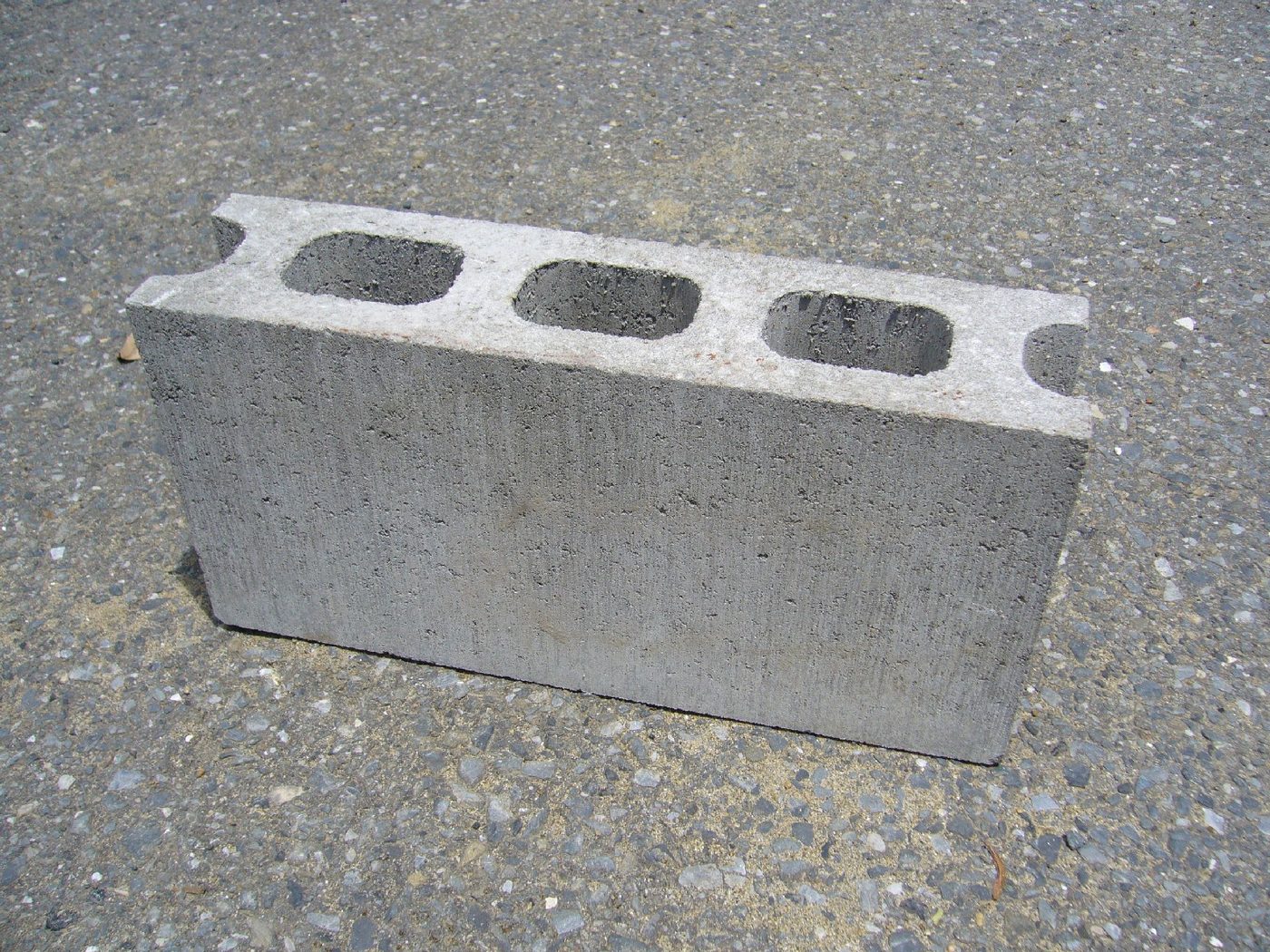
Concrete Blocks: Popular for their strength and ease of manufacture, concrete blocks are widely used in commercial and residential buildings in Nairobi and other urban centers.
A concrete block on pavement (Source: Wikimedia Commons)
Stone Masonry: Used in areas with abundant stone resources, such as the Rift Valley, stone masonry offers durability and natural aesthetics but requires skilled labor.
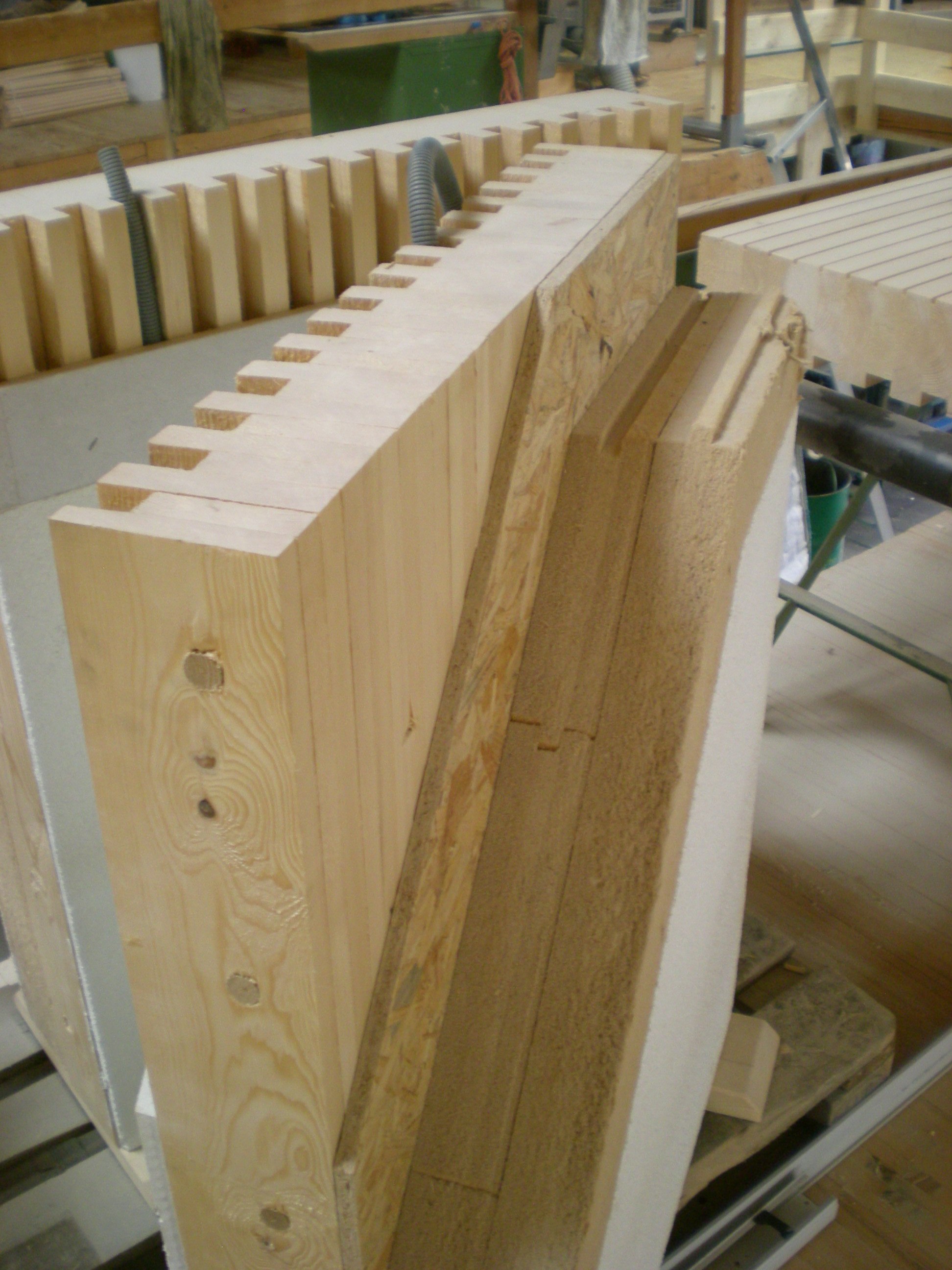
Timber Panels: Employed in lightweight constructions, particularly in informal settlements or temporary structures, timber panels provide quick assembly but require treatment against pests.
Cross-section of a timber panel (Source: Wikimedia Commons)
Compressed Stabilized Earth Blocks (CSEB): An eco-friendly alternative gaining traction in Kenya, these blocks use local soils mixed with stabilizers, offering sustainability and cost benefits.
Properties Relevant to Walling Materials
Strength and Durability: Materials must withstand environmental stressors such as wind, rain, and seismic forces common in Kenya’s varied topography.
Thermal Insulation: Proper insulation reduces energy consumption, a key consideration for buildings in Nairobi’s temperate climate.
Moisture Resistance: Materials should prevent dampness, especially in coastal regions like Mombasa, where humidity is high.
Workability: Ease of cutting, shaping, and fixing affects construction speed and cost.
Aesthetic Qualities: Surface texture and color influence the building’s appearance and integration with local architectural styles.
Selection Criteria for Walling Materials
Local Availability: Materials sourced locally reduce transport costs and support local economies.
Cost-effectiveness: Balancing initial cost with lifespan and maintenance requirements is essential.
Environmental Impact: Preference for sustainable materials aligns with Kenya’s green building initiatives.
Compliance with Standards: Materials must meet Kenya Bureau of Standards (KEBS) specifications for safety and performance.
Compatibility with Structural Design: Walling materials must integrate seamlessly with foundations and roofing systems.
Application Examples in Kenya
In county government offices in Nakuru, concrete blocks are preferred for their robustness and fire resistance. Meanwhile, in rural schools in Kisumu, clay bricks remain favored due to their affordability and local production. Coastal hotels often incorporate stone masonry for its durability against saline air.
1.1.2 roofing materials
Roofing materials protect buildings from weather elements, contributing to structural integrity and occupant comfort. The choice of roofing must consider Kenya’s diverse climatic zones, from the humid coast to the cooler highlands.
Common Roofing Materials in Kenya
Corrugated Iron Sheets: Widely used due to affordability, ease of installation, and durability, especially in urban and peri-urban areas.
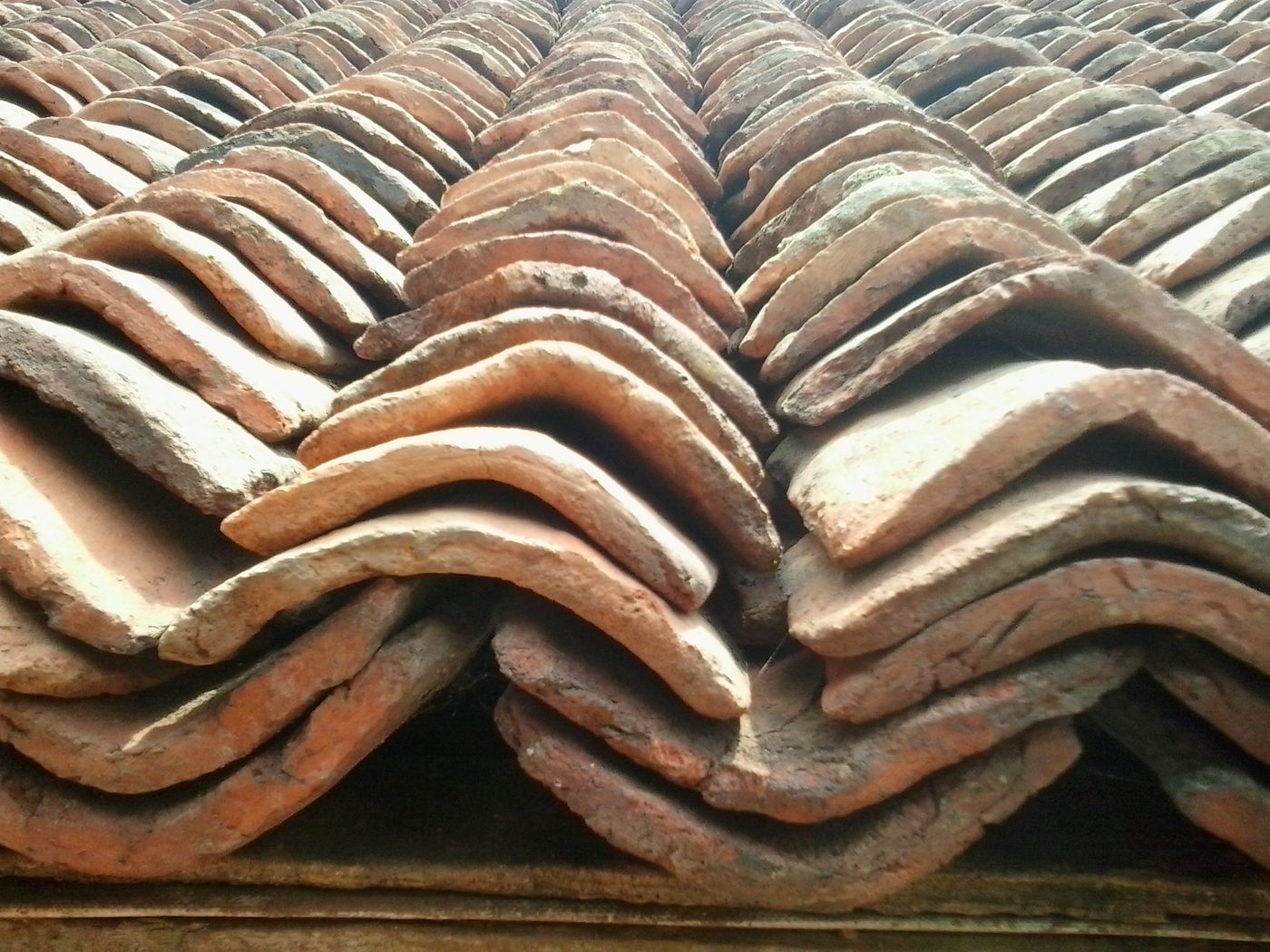
Clay Tiles: Favored in highland regions such as Nyeri for their thermal insulation and aesthetic appeal.
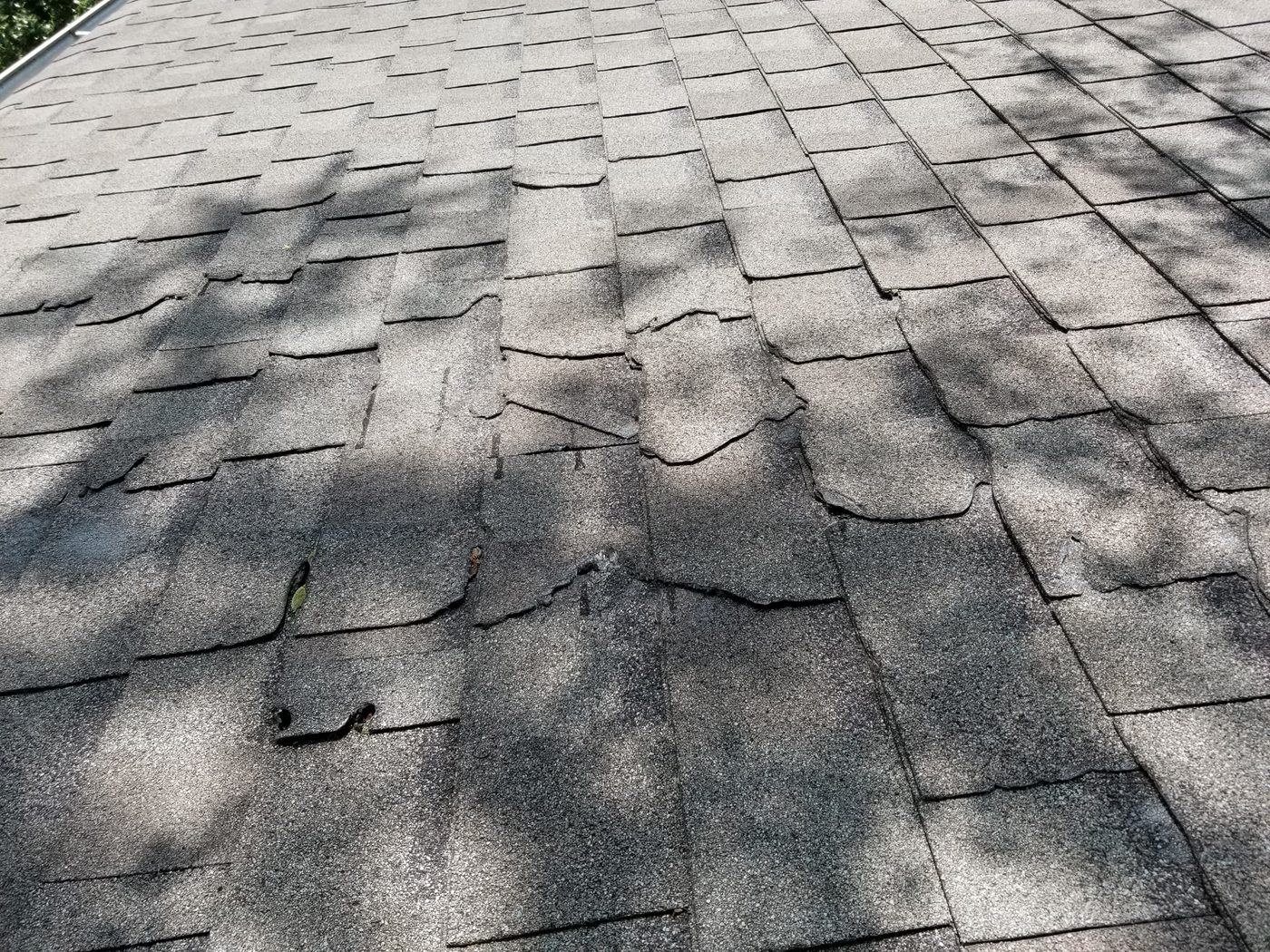
Asphalt Shingles: Used in some upscale residential areas for their lightweight nature and variety of colors.
Roof covered with asphalt shingles (Source: Wikimedia Commons)
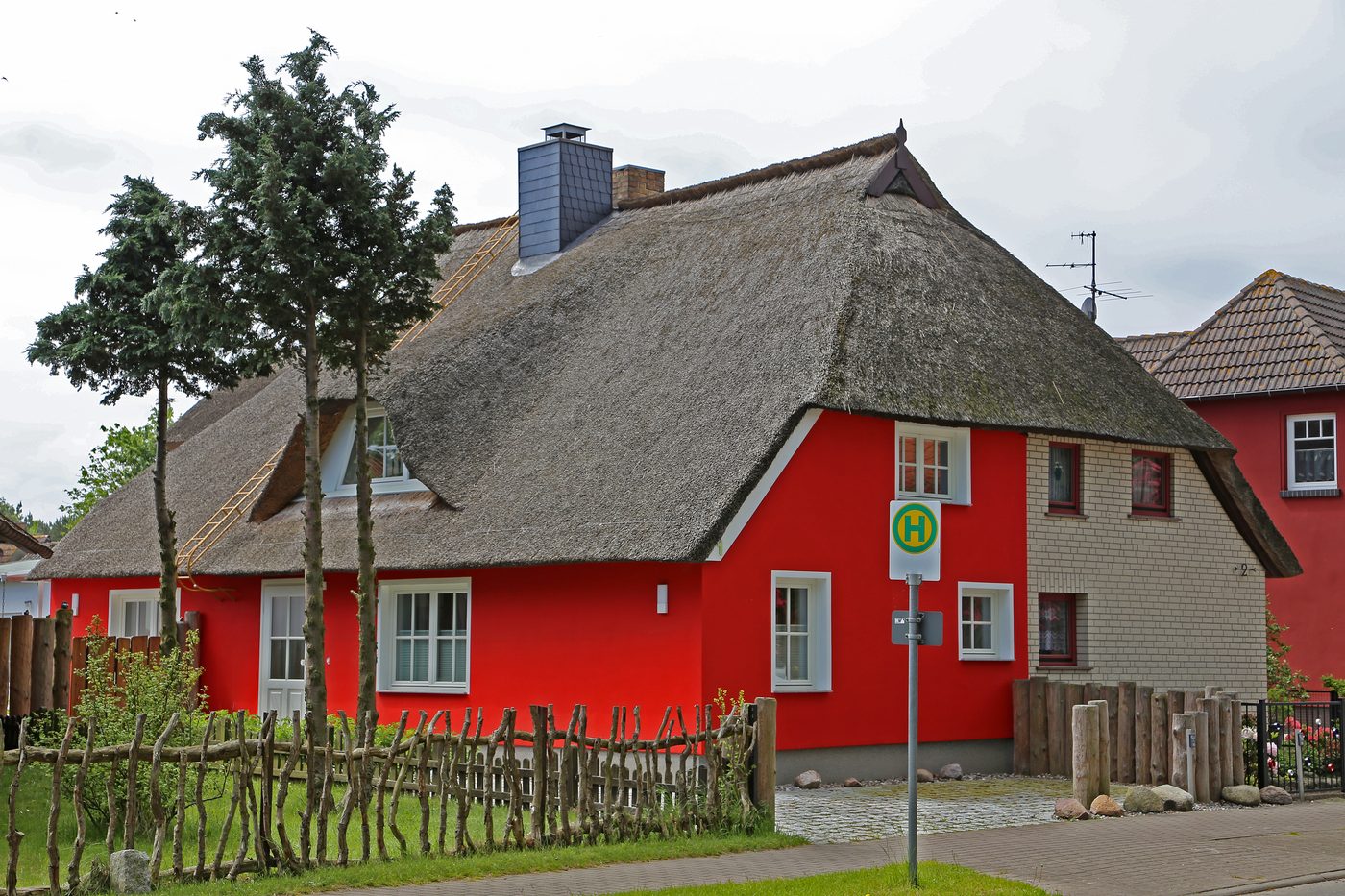
Thatch Roofing: Traditional material still common in rural Kenya, providing excellent insulation but requiring frequent maintenance.
House with thatch roofing (Source: Wikimedia Commons)
Concrete Roof Slabs: Employed in commercial buildings and modern houses for their durability and fire resistance.
Performance Characteristics of Roofing Materials
Waterproofing: Essential to prevent leaks and water damage, especially during Kenya’s rainy seasons.
Thermal Performance: Materials should minimize heat gain in hot regions while retaining warmth in cooler areas.
Wind Resistance: Roofing must withstand Kenya's seasonal winds, particularly in the Rift Valley and coastal areas.
Longevity and Maintenance: Durability reduces replacement frequency and maintenance costs.
Fire Resistance: Important in densely populated urban settings to reduce fire hazards.
Selection Factors for Roofing Materials
Climate Suitability: Materials must suit local weather patterns, such as heavy rains or intense sun.
Structural Support: Roof materials should be compatible with the building’s structural capacity.
Cost and Availability: Locally available materials reduce costs and construction time.
Aesthetic Considerations: Roof design and color affect the building’s visual impact.
Environmental Impact: Preference for recyclable or low-impact materials supports sustainable construction.
Roofing Material Use in Kenyan Buildings
In Nairobi’s commercial buildings, corrugated iron sheets with proper insulation are common due to their cost-effectiveness. Coastal resorts near Mombasa use clay tiles for their cooling properties and traditional appearance. Thatch roofing remains prevalent in rural homesteads in Western Kenya, valued for its natural ventilation.
1.1.3 clay and clay products
Clay and its derived products have been fundamental in Kenyan construction for centuries, valued for their availability and versatility. These materials are used extensively in bricks, tiles, and pottery for both structural and decorative purposes.
Properties of Clay
Plasticity: Clay’s ability to be shaped when wet enables molding into various forms such as bricks and tiles.
Hardening on Firing: When fired at high temperatures, clay products gain strength and durability.
Porosity: Clay’s natural porosity affects water absorption, influencing durability and insulation.
Thermal Insulation: Clay products provide good heat retention, beneficial in Kenya’s cooler regions.
Chemical Stability: Fired clay resists chemical deterioration, important for long-term structural integrity.
Types of Clay Products Used in Construction
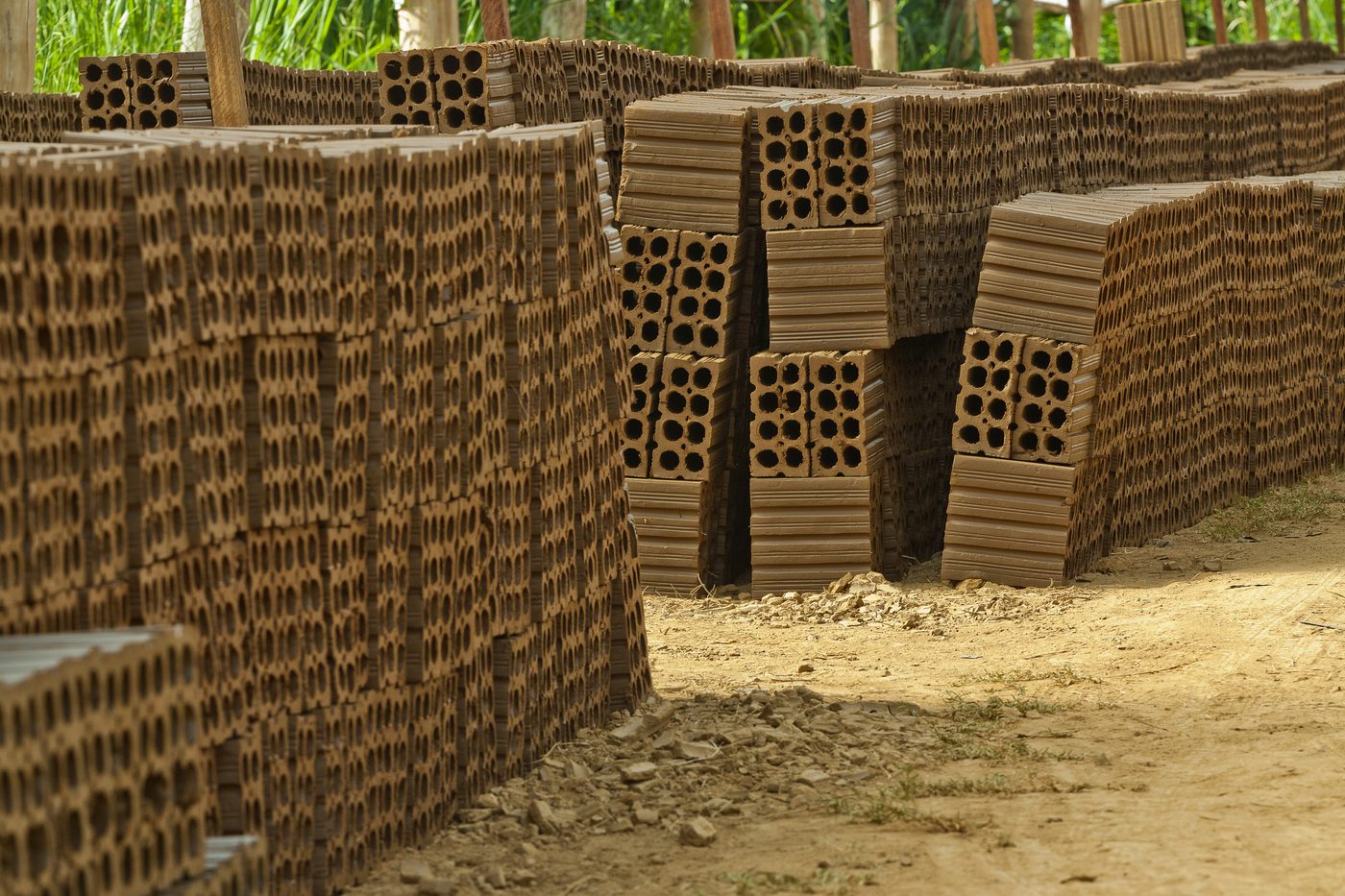
Bricks: The most common clay product, used in walls and pavements.
Stacks of perforated clay bricks (Source: Wikimedia Commons)
Roof Tiles: Clay tiles offer weather resistance and aesthetic value.
Earthenware Pipes: Utilized in drainage and sewage systems.
Floor Tiles: Clay floor tiles are durable and decorative.
Pottery and Decorative Elements: Used in architectural finishes and landscaping.
Manufacturing Process of Clay Products
Extraction: Clay is sourced from quarries or riverbeds.
Preparation: Removal of impurities and mixing with water to achieve plasticity.
Shaping: Molding by hand, machine, or extrusion.
Drying: Air drying to remove moisture before firing.
Firing: Baking in kilns at temperatures ranging between 900°C and 1100°C to harden the product.
Challenges and Quality Control
Uniform Firing: Ensuring consistent kiln temperature prevents defects such as warping.
Moisture Content: Excess moisture can cause cracking during drying.
Impurity Removal: Stones and organic matter weaken final products.
Strength Testing: Regular testing ensures compliance with KEBS standards.
Sustainability: Over-extraction of clay can cause environmental degradation, necessitating responsible sourcing.
1.1.4 class and class products
Glass products come in many forms, and a builder must be able to tell them apart on delivery and on site, because each type has a different strength, safety rating and price. Identification is done by looking at the edge, the surface markings and the way the pane is made, and by checking the thickness against the intended use. Example: at a bank branch fit-out, the supervisor checks the corner stamp and edge of every delivered pane to confirm that the doors received are tempered glass and not ordinary float glass.
Identifying glass products on site
Float glass: A flat, clear pane that shows a slight green tint when viewed along its edge. It has no special markings and breaks into long, sharp shards.
Tempered glass: Carries a permanent etched stamp in one corner showing the standard and the manufacturer. It cannot be cut or drilled after tempering, and when broken it crumbles into small blunt granules.
Laminated glass: Shows a thin plastic layer between two panes when the edge is examined. When broken the pieces stay stuck to the interlayer instead of falling out.
Insulated glass units: Two or three panes separated by a metal spacer bar around the perimeter, with a sealed gap between them. Moisture trapped between the panes shows that the seal has failed.
Decorative glass: Has a patterned, frosted, tinted or coloured surface that gives privacy while letting light through.
Common glass thicknesses and uses
Thickness
Typical use
3 mm
Picture frames and very small panes
4 mm
Small windows and cupboard doors
6 mm
Standard windows and internal door panels
10 mm
Frameless doors, shopfronts and shower screens
12 mm
Large partitions and balustrades
Simple checks before accepting glass
Visual check: Look for chips, scratches, bubbles and edge damage, since a chipped edge is the usual starting point of cracks.
Size check: Measure length, width and thickness against the order, because a pane that is too small cannot be fitted tightly in its frame.
Marking check: Confirm the safety stamp on tempered and laminated panes before they are fixed in doors and large windows.
Packing check: Panes should arrive in crates, separated by paper or cork, and stored on edge to avoid scratching.
1.1.5 timber and timber products
Timber is a versatile material widely used in Kenyan construction for structural and decorative purposes. Its availability, workability, and natural aesthetics make it popular in both urban and rural settings.
Types of Timber Used in Kenya
Hardwood: Species such as Meru oak and Mukau are valued for strength and durability, commonly used in structural framing.
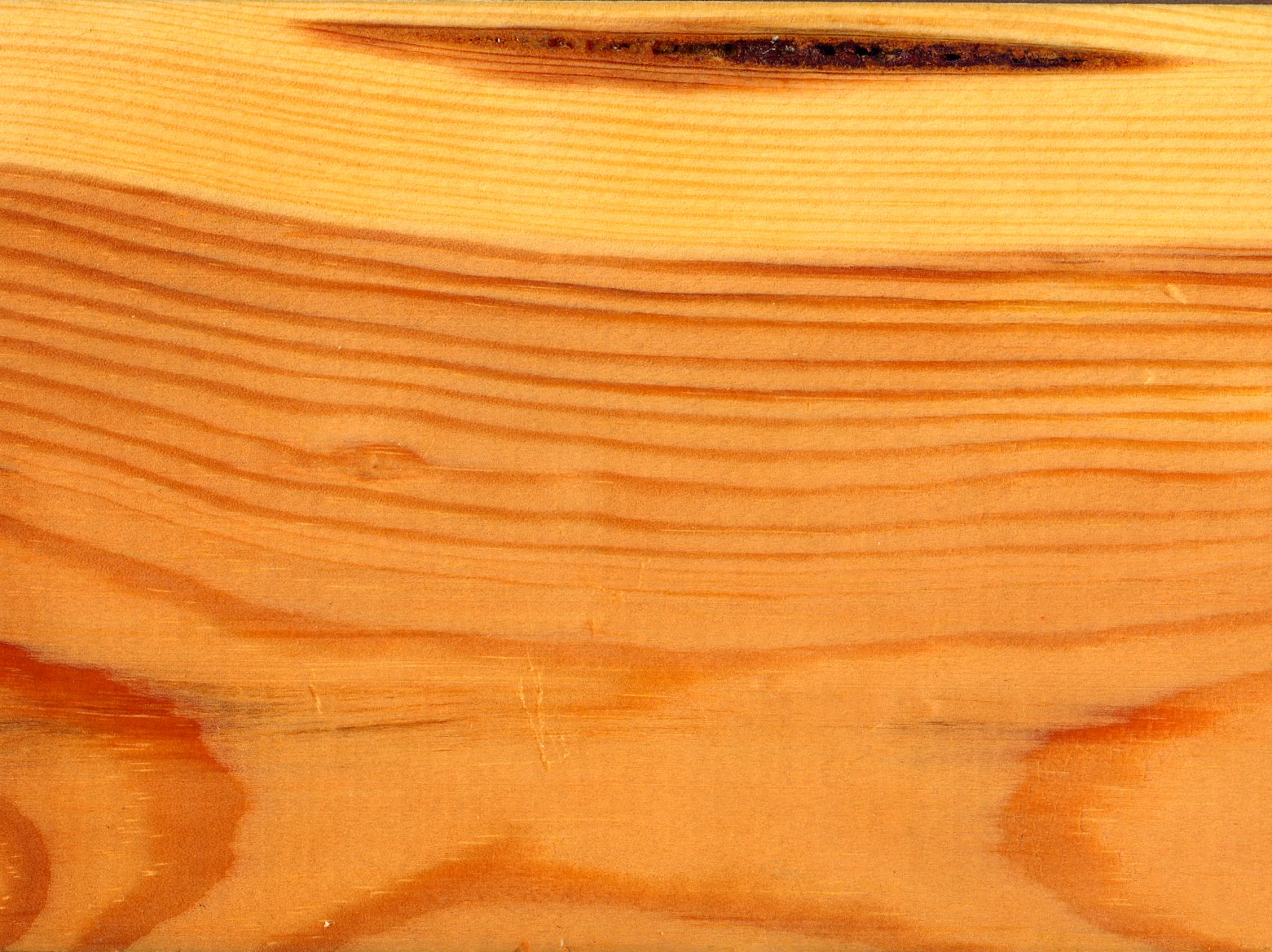
Softwood: Pine and cypress are preferred for non-load-bearing applications and finishes due to ease of working.
Close-up of softwood grain pattern (Source: Wikipedia (Softwood))
Engineered Timber: Products like plywood and laminated veneer lumber (LVL) provide uniform strength and dimensional stability.
Treated Timber: Chemically treated to resist pests and decay, essential for outdoor use.
Recycled Timber: Salvaged wood reused in flooring and furniture, supporting sustainable practices.
Properties of Timber Relevant to Construction
Strength to Weight Ratio: Timber offers high strength with relatively low weight, facilitating easier handling.
Durability: Varies with species and treatment, affecting lifespan in different environments.
Workability: Timber can be sawn, nailed, and shaped with standard tools.
Moisture Content: Proper seasoning reduces shrinkage and warping.
Aesthetic Appeal: Grain patterns and colors contribute to interior and exterior finishes.
Common Timber Products and Their Uses
Sawn Timber: Used in beams, joists, and rafters.
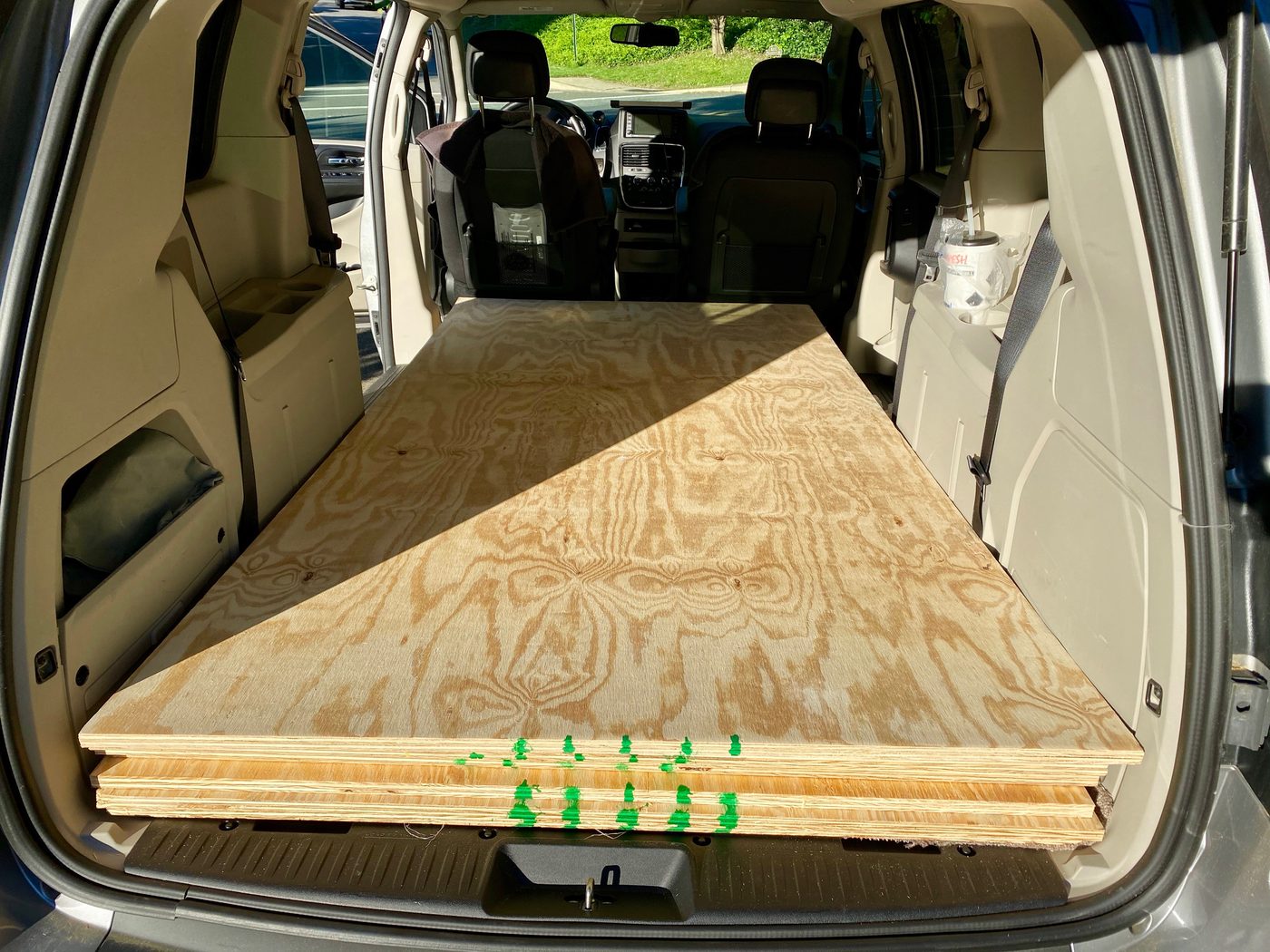
Plywood: Employed in wall sheathing, flooring, and furniture.
Stack of plywood sheets in vehicle (Source: Wikimedia Commons)
Veneers: Thin layers for decorative surfaces.
Blocks and Mouldings: Used in trims and finishes.
Particle Board: Manufactured from wood chips, used in non-structural interior elements.
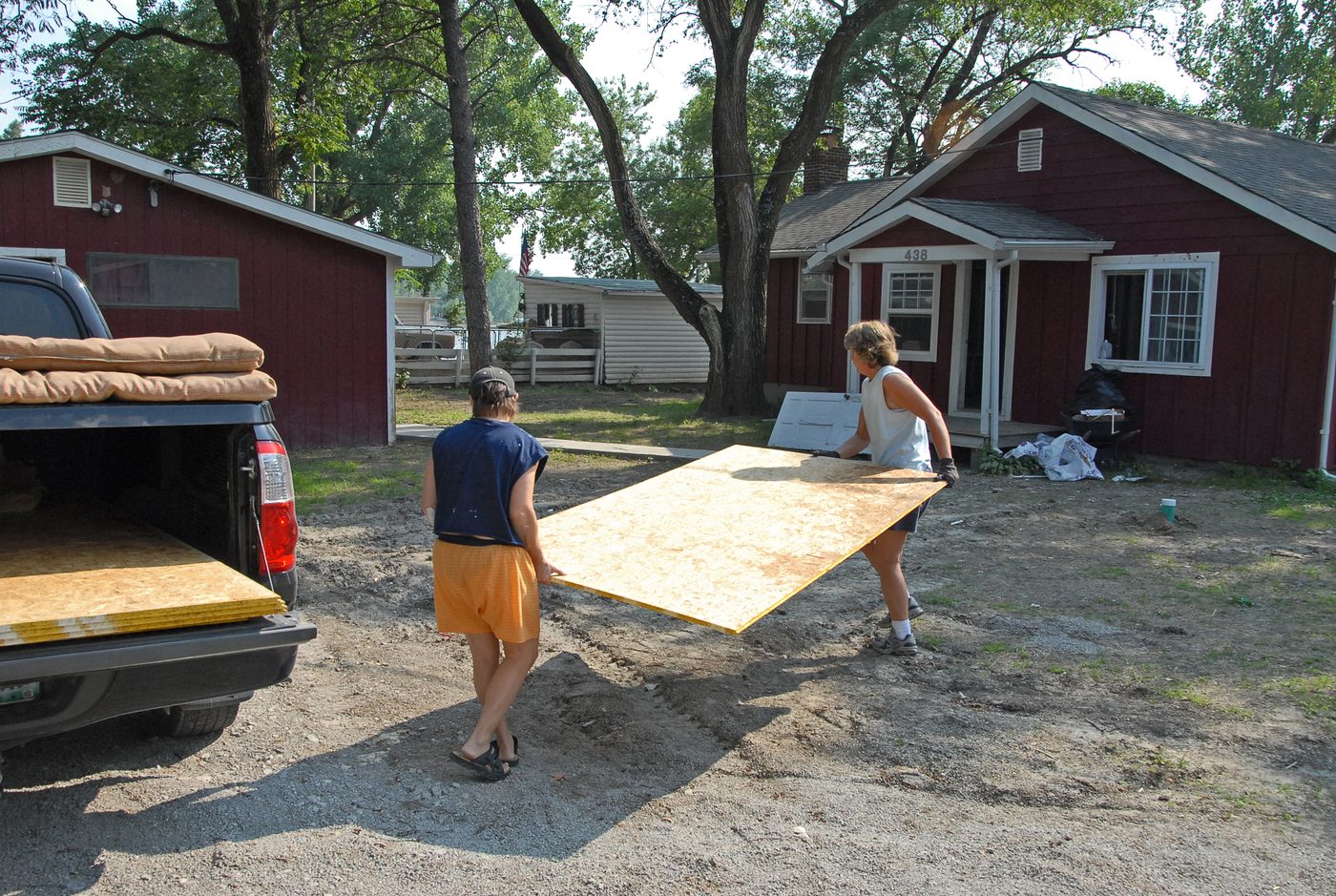
Two people carrying a particle board sheet (Source: Wikimedia Commons)
Preservation and Maintenance of Timber
Chemical Treatments: Application of preservatives protects against termites and fungi.
Moisture Control: Ensuring dry conditions prevents rot and decay.
Regular Inspection: Detects early signs of damage or infestation.
Proper Storage: Timber should be stored off the ground and covered to avoid moisture uptake.
Surface Finishes: Painting or varnishing enhances durability and appearance.
1.1.6 reinforcing materials
Reinforcing materials are essential for enhancing the tensile strength of concrete and masonry structures, enabling them to withstand various loads and stresses common in Kenyan construction projects.
Types of Reinforcing Materials
Steel Reinforcement Bars (Rebars): The most common reinforcement, providing tensile strength to concrete.
Steel reinforcement bars (rebar) arranged and tied together to form a (Source: build_materials (2)_080531)
Wire Mesh: Used in slabs and walls for distributing loads and controlling cracking.
Fiber Reinforcement: Synthetic or natural fibers added to concrete mixes to improve toughness.
Prestressing Steel: High-strength steel wires used in prestressed concrete applications.
Composite Materials: Emerging use of carbon or glass fiber reinforced polymers for specialized applications.
Properties of Steel Reinforcement
High Tensile Strength: Enables concrete to resist tension forces.
Ductility: Allows deformation under stress without sudden failure.
Bonding Ability: Good adhesion to concrete ensures load transfer.
Corrosion Resistance: Essential for durability, especially in coastal areas.
Standard Sizes and Grades: Kenya’s construction industry uses KEBS-approved grades for quality assurance.
Application of Reinforcement in Kenyan Buildings
In Nairobi’s multi-storey buildings, steel rebars form the skeleton of reinforced concrete columns and beams. SACCO office blocks in Eldoret utilize wire mesh to strengthen floor slabs. Fiber reinforcement is increasingly adopted in precast concrete products for rural water tanks.
Maintenance and Protection of Reinforcement
Adequate Concrete Cover: Protects steel from corrosion.
Use of Corrosion Inhibitors: Chemical additives prolong reinforcement life.
Proper Storage: Prevents rusting before installation.
Avoiding Mechanical Damage: Handling must maintain steel integrity.
Regular Inspections: Detect early signs of corrosion or damage.
1.1.7 finishing materials
Finishing materials enhance the appearance, durability, and functionality of building surfaces. They protect structural elements and contribute to the building’s overall aesthetics, important in Kenya’s competitive construction market.
Types of Finishing Materials
Plaster and Cement Screeds: Used for surface leveling and protection.
Paints and Coatings: Provide color, protection from weather, and resistance to fungi and algae.
Tiles: Ceramic and porcelain tiles are common for floors and wet areas.
Four square ceramic tiles arranged in a grid (Source: Wikimedia Commons)
Wall Claddings: Materials such as wood paneling or stone veneer add decorative appeal.
Sealants and Waterproofing Membranes: Prevent water ingress and damage.
Properties of Finishing Materials
Durability: Resistance to wear, weather, and chemical attack.
Aesthetic Quality: Color retention, texture, and gloss affect appearance.
Ease of Application: Influences labor costs and finish quality.
Maintenance Requirements: Materials requiring minimal upkeep are preferred.
Environmental Safety: Low VOC paints and eco-friendly finishes are gaining importance.
Application Areas in Kenyan Buildings
Hospitals in Kisumu use ceramic tiles in wards for hygiene and durability. County government offices in Machakos apply waterproof coatings on external walls to prevent dampness. Hotels in Naivasha employ decorative stone cladding to enhance guest experience.
Selection Considerations for Finishing Materials
Compatibility with Substrate: Ensures adhesion and longevity.
Environmental Conditions: Materials must withstand local climate stresses.
Budget Constraints: Cost-effective finishes balance quality and expense.
Aesthetic Preferences: Reflect client and cultural tastes.
Health and Safety: Non-toxic materials protect occupants and workers.
1.1.8 roofing materials
Beyond the roof covering itself, a roof is made up of accessories and fixings that keep it watertight and firmly attached to the structure. A worker who can identify these components and fit them correctly prevents the leaks and wind damage that are the most common roofing complaints. Example: at a tea factory in Kericho, a new iron sheet roof leaked at the ridge until the contractor replaced undersized ridge caps and added proper wall flashings.
Roof accessories and components
Ridge caps: Folded metal or clay pieces that seal the junction of two roof slopes at the top.
Flashings: Strips of metal or bituminous material that seal the joint between the roof and walls, chimneys or vents so that water cannot run behind the covering.
Gutters and downpipes: Collect rainwater from the eaves and carry it away from the foundation, and can feed a water storage tank.
Fascia and barge boards: Timber or fibre-cement boards fixed along the eaves and gable ends to protect rafter ends and carry the gutters.
Roofing fasteners: J-bolts, hook bolts and self-drilling screws with rubber or bitumen washers that hold sheets down and seal the fixing holes.
Sarking and insulation: Reflective foil or fibre layers laid under the sheets to reduce heat and condensation.
Common iron sheet gauges
Gauge
Approximate thickness
Typical use
32
0.25 mm
Light sheds and temporary structures
30
0.30 mm
Small houses and kitchens
28
0.38 mm
Standard houses and institutional buildings
26
0.47 mm
Industrial buildings and areas with strong wind
Fixing corrugated iron sheets
Check the purlins: Confirm that purlins are straight, level and spaced to suit the gauge of sheet, with closer spacing for thinner sheets.
Set out the first sheet: Lay the first sheet at the eaves, square to the roof, with an overhang into the gutter of about 50 mm.
Form the sidelap: Overlap each following sheet by one and a half corrugations, laid away from the prevailing wind.
Form the endlap: Where sheets are joined along the slope, overlap them by at least 150 mm over a purlin.
Fix the sheets: Drive screws or J-bolts with washers through the crown of the corrugation into the purlin, without overtightening so as not to dent the sheet.
Fit ridge caps and flashings: Fix ridge caps over the top ends and seal wall junctions with flashings.
Inspect the roof: Check for loose fixings, gaps and damaged sheets before removing the access ladders.
1.1.9 finishing materials
Finishes are not limited to walls: floors, ceilings and joinery also need their own materials to protect them and make rooms usable. Identifying these materials helps a worker choose the right product for each surface and avoid mistakes such as using a slippery floor finish in a wet area. Example: at a dairy cooperative in Meru, non-slip floor tiles were specified for the milk reception area while painted gypsum board was used for the office ceiling.
Floor finishing materials
Terrazzo: Marble chips set in cement and polished, extremely hard-wearing and suited to corridors and public halls.
Vinyl tiles and sheets: Flexible, easy to clean and comfortable underfoot, used in clinics and offices.
Timber flooring: Strips or parquet blocks laid on battens or screed, used where warmth and appearance are important.
Granolithic finish: A cement and crushed stone topping laid on slabs in workshops and stores for heavy traffic.
Carpet: Used in offices and hotel rooms for comfort and sound absorption, but not in wet areas.
Ceiling finishing materials
Gypsum boards: Smooth boards fixed on a timber or metal frame and painted, giving a flat ceiling that is simple to repair.
PVC panels: Light, moisture-resistant strips used in kitchens, toilets and verandahs.
Timber boarding: Tongue and groove boards that give a warm appearance and ventilate well.
Fibre-cement boards: Fire-resistant boards used in corridors and public buildings.
Suspended grid ceilings: Lay-in tiles on a metal grid, which allow easy access to services above.
Joinery finishes
Varnish: A clear coat that protects timber while showing the grain.
Wood stain: Colours the timber and soaks in to give protection against sun and moisture.
Enamel paint: A hard glossy coat used on doors, windows and frames.
Wood primer and filler: Seals the timber and fills holes before the final coats are applied.
Wax polish: Gives a soft sheen to interior furniture and panelling.
1.1.10 binding materials
Binding materials are fundamental in construction, holding components together to form a solid and stable structure. Their selection affects strength, durability, and workability of concrete, mortar, and plaster.
Common Binding Materials
Cement: The primary hydraulic binder in concrete and mortar mixes.
Lime: Used for mortar and plaster, offering flexibility and breathability.
Gypsum: Employed in plaster and finishing compounds for smooth surfaces.
Clay: Traditional binder in adobe and earthen constructions.
Bitumen: Used as a binder in road construction and waterproofing.
Properties of Cement as a Binding Material
Hydraulic Setting: Hardens by chemical reaction with water, allowing use underwater.
Compressive Strength: Provides structural integrity to concrete.
Workability: Mixes easily with aggregates and water.
Durability: Resistant to weathering and chemical attack.
Standardization: Kenyan standards specify types and grades for different uses.
Uses of Lime and Gypsum in Kenyan Construction
Lime mortar is preferred in heritage building restoration for its flexibility and compatibility with old masonry. Gypsum plaster is widely used in modern offices in Nairobi to achieve smooth ceilings and walls.
Quality Control of Binding Materials
Fineness and Setting Time: Affect strength development and workability.
Storage Conditions: Protect from moisture to prevent premature setting.
Batch Testing: Ensures conformity to KEBS standards.
Mix Proportions: Correct ratios of binder to aggregates optimize performance.
Use of Admixtures: Modify setting time and improve durability.
1.1.11 Glass and glass products
Glass is an important construction material used for both functional and aesthetic purposes in modern Kenyan buildings. Its transparency and versatility allow natural light penetration while providing weather protection.
Types of Glass Used in Construction
Float Glass: Standard flat glass used in windows and doors.
Tempered Glass: Heat-treated for increased strength and safety, common in commercial facades.
Laminated Glass: Consists of two or more glass layers bonded with a plastic interlayer, offering enhanced security and sound insulation.
Insulated Glass Units (IGUs): Double or triple glazed panels improving thermal performance.
Decorative Glass: Textured or tinted glass used for privacy and design enhancement.
Decorative stained glass with heart and sword design (Source: Wikimedia Commons)
Strength: Tempered and laminated glass withstand impacts and wind loads.
Thermal Insulation: IGUs reduce heat transfer, improving energy efficiency.
Sound Insulation: Laminated glass dampens external noise, important in urban areas like Nairobi.
UV Protection: Special coatings reduce ultraviolet penetration, protecting interiors.
Applications of Glass in Kenyan Buildings
Glass is extensively used in office buildings in Nairobi’s CBD for curtain walls and windows, enhancing natural lighting and aesthetics. Hotels in Mombasa employ laminated glass to combine security with ocean views. Schools and hospitals use tempered glass for safety in windows and doors.
Handling and Maintenance of Glass Products
Proper Installation: Ensures structural support and prevents breakage.
Cleaning: Regular cleaning maintains transparency and appearance.
Inspection for Damage: Cracks or chips must be repaired or replaced promptly to maintain safety.
Protective Coatings: Application of films can enhance UV resistance and ease cleaning.
Storage: Glass sheets should be stored vertically and protected from impact.
1.1.12 Bitumen and bituminous products
Bitumen serves as a binding and waterproofing material in construction, especially in roadworks and roofing. Its properties influence the durability and performance of these elements under Kenyan climatic conditions.
Types of Bituminous Products
Bitumen Emulsion: A mixture of bitumen and water used in surface dressing and cold mixes.
Cutback Bitumen: Bitumen dissolved in a solvent for easy application.
Bitumen Membranes: Sheets used for waterproofing foundations and roofs.
Modified Bitumen: Bitumen enhanced with polymers for improved flexibility.
Bituminous Paints: Coatings that protect metal and concrete surfaces.
Properties of Bitumen Relevant to Construction
Adhesion: Binds aggregates and other materials firmly.
Waterproofing: Impermeable to water, important for damp proofing.
Flexibility: Accommodates structural movements without cracking.
Durability: Resistant to weathering and chemical attack.
Viscosity: Determines ease of application at various temperatures.
Applications in Kenyan Construction
County roads in Kisii use bitumen surface dressing to enhance skid resistance and durability. Roofing waterproofing in Mombasa hotels employs bitumen membranes for protection against heavy rains. Bituminous paints protect steel reinforcements in coastal bridges from corrosion.
Handling and Safety Measures
Storage in Covered Areas: Prevents contamination and degradation.
Use of Protective Gear: Bitumen is hot and can cause burns.
Proper Ventilation: Avoids inhalation of fumes during application.
Disposal of Waste: Must follow environmental regulations to prevent pollution.
Regular Equipment Maintenance: Ensures safe and efficient application.
Practice Questions
Explain five properties that influence the choice of walling materials in Kenyan buildings. (10 marks)
Compare the advantages and disadvantages of clay bricks and concrete blocks as walling materials in Kenya. (10 marks)
Chapter Summary
This chapter provided a comprehensive overview of essential construction materials, beginning with the identification of various walling materials used to form the structural and enclosing elements of buildings. It then examined roofing materials, highlighting their role in protecting structures from weather elements. The discussion progressed to clay and clay products, emphasizing their traditional and modern applications in construction. Glass and glass products were explored next, focusing on their aesthetic and functional uses such as natural lighting and insulation. Timber and timber products were addressed for their versatility and structural properties. Reinforcing materials were covered with attention to their importance in enhancing the strength of concrete and masonry. The chapter also detailed finishing materials, which contribute to the durability and appearance of construction works. Finally, binding materials and bitumen products were explained, outlining their critical functions in joining components and providing waterproofing and road surfacing solutions.
Which of the following is NOT typically considered a walling material?
a) Concrete blocks
b) Timber studs
c) Bitumen sheets
d) Clay bricks
(2 marks)
Explain two advantages of using clay products in building construction in Kenya. (4 marks)
Identify three key properties that make timber suitable for construction purposes. (3 marks)
What is the primary role of reinforcing materials in concrete structures? (2 marks)
List four common finishing materials used in building construction and briefly describe their purpose. (4 marks)
Describe the characteristics that differentiate roofing materials from other construction materials. (3 marks)
How does the use of bitumen and bituminous products contribute to building durability? Provide two examples. (4 marks)
Define glass products in construction and explain two typical applications in modern Kenyan buildings. (3 marks)
Compare clay products and concrete blocks as walling materials in terms of durability and thermal performance. (4 marks)
State three binding materials used in construction and explain how each contributes to the building process. (3 marks)
Show Answers
c) Bitumen sheets, Bitumen sheets are primarily used for roofing and waterproofing, not as walling materials.
Clay products are locally available and cost-effective, reducing construction costs. They provide good thermal insulation, helping to keep buildings cool in Kenya’s hot climate.
Timber is lightweight, easy to work with, and has natural insulating properties, making it ideal for structural and aesthetic purposes.
Reinforcing materials, such as steel bars, increase the tensile strength of concrete, which is naturally weak in tension, thus preventing structural failure.
Common finishing materials include plaster (smooth surface), paint (protection and aesthetics), tiles (durability and hygiene), and varnish (timber protection and appearance).
Roofing materials must be weather-resistant, lightweight, and provide adequate insulation to protect interiors from rain and heat.
Bitumen acts as a waterproofing agent preventing moisture ingress, and as a binder in road and roofing applications, increasing durability. Examples: roofing felt and waterproof membranes.
Glass products include flat glass and glass blocks used for windows and facades, allowing natural light while providing weather protection.
Clay products offer better thermal insulation but are less strong and more porous than concrete blocks, which are more durable but conduct heat more readily.
Cement binds aggregates to form concrete, lime improves workability and durability of mortar, and gypsum controls setting time of cement-based materials.
B. Oral Assessment
Discuss the factors influencing the choice of roofing materials for a public health facility in a Kenyan county and how these materials impact building performance.
Explain how the selection of finishing materials can affect the maintenance requirements and aesthetic appeal of a commercial building in Nairobi’s central business district.
Answer Guide
Question 1 key points:
Considerations include climate (rainfall, temperature), durability, cost, and availability of materials such as corrugated iron sheets, clay tiles, and bituminous membranes.
Impact on insulation, water tightness, and ease of repair affect operational costs and occupant comfort in the health facility.
Question 2 key points:
Finishing materials influence ease of cleaning, resistance to wear and vandalism, and visual appearance.
Use of materials like ceramic tiles, high-quality paints, and glass facades enhances both maintenance efficiency and the building’s professional image.
C. Case Study
The Nairobi County Government plans to construct a new community health center requiring durable and cost-effective construction materials suitable for the local environment.
Tasks:
a) Identify appropriate walling, roofing, and finishing materials for the project, justifying your choices based on durability and climate considerations. (6 marks)
b) Explain the role of reinforcing materials and binding materials in ensuring the structural integrity of the health center. (5 marks)
c) Recommend suitable glass products for natural lighting and ventilation, considering security and energy efficiency. (4 marks)
Suggested Approach
a) Walling materials such as stabilized compressed earth blocks offer thermal comfort and cost savings; roofing materials like corrugated iron sheets provide durability and ease of installation; finishing materials including cement plaster and weather-resistant paint enhance protection and aesthetics.
b) Reinforcing materials like steel bars strengthen concrete elements against tensile forces, while binding materials such as cement and lime ensure proper adhesion and durability of masonry and concrete components.
c) Use toughened or laminated glass for security, combined with glass blocks or double-glazed panels to improve natural lighting and reduce heat gain, enhancing energy efficiency.
Chapter Examination Questions
🔒 PDFDownload these examination questions, with worked answers
SECTION A (40 Marks) - Answer ALL Questions
Differentiate between walling materials commonly used in Kenyan residential buildings and explain why choice of material impacts durability. (4 marks)
Identify four roofing materials used in Kenyan commercial buildings and discuss one advantage of each. (4 marks)
Explain the characteristics of clay products that make them suitable for use in wall construction in rural Kenya. (4 marks)
Describe two types of glass products used in modern building façades in Nairobi and their functional benefits. (4 marks)
List four timber products used in furniture making in Kenyan hotels and explain how treatment improves their performance. (4 marks)
Define reinforcing materials and explain their role in reinforced concrete structures in Kenyan public infrastructure projects. (4 marks)
Name three finishing materials used in interior walls and discuss their impact on building aesthetics and maintenance. (4 marks)
Explain the importance of binding materials in masonry work and identify two common types used in Kenyan construction sites. (4 marks)
Discuss the properties of bitumen that make it essential for road surfacing and roofing in Kenya's construction industry. (4 marks)
Identify and describe two safety considerations when handling roofing materials on construction sites in Kenya. (4 marks)
Section A - Answers
Walling materials include clay bricks, concrete blocks, stone, and timber; choice affects durability because materials like concrete blocks resist moisture better than clay bricks, which may erode if not properly treated.
Roofing materials include corrugated iron sheets (lightweight, durable), clay tiles (aesthetic, thermal insulation), asbestos sheets (cost-effective, but health risks), and fiber cement sheets (weather resistant).
Clay products are porous, provide good thermal insulation, are locally available, and easy to mold, making them suitable for rural wall construction.
Float glass (clear, good for natural light) and toughened glass (stronger, safer) are used in Nairobi façades to enhance aesthetics and safety.
Timber products include plywood, laminated veneer lumber, solid wood, and particleboard; treatment such as chemical preservatives protects against termites and rot.
Reinforcing materials like steel bars improve tensile strength of concrete, enabling Kenyan infrastructure like bridges and public buildings to withstand loads and stresses.
Finishing materials such as paint, plaster, and wallpaper improve appearance, protect surfaces, and ease cleaning, enhancing aesthetics and maintenance.
Binding materials like cement and lime hold masonry units together, providing strength and stability to structures on Kenyan sites.
Bitumen is waterproof, flexible, and adhesive, making it ideal for road surfacing and roofing membranes in Kenya's variable climate.
Safety considerations include use of protective gloves to avoid cuts and respiratory masks to prevent inhalation of dust during handling of roofing sheets.
SECTION B (60 Marks) - Answer any TWO Questions
Question 11 (Compulsory - 20 marks)
The Kenya Medical Training College (KMTC) is constructing a new dormitory block. The project requires careful selection of materials to ensure durability and safety.
a) Discuss the suitability of different walling and roofing materials for this project, considering Kenya’s climate and local availability. (10 marks)
b) Explain the role of reinforcing and binding materials in ensuring the structural integrity of the dormitory. (10 marks)
Question 12 (20 marks)
Evaluate the advantages and disadvantages of clay products versus concrete blocks as walling materials in Kenyan urban low-cost housing projects.
Question 13 (20 marks)
Explain the various types of timber products used in Kenyan building construction and discuss their preservation methods to extend service life.
Question 14 (20 marks)
Describe the properties and uses of bituminous products in Kenyan construction, focusing on their application in roofing and road construction.
Section B - Answers
Question 11
a) Walling materials such as concrete blocks are suitable due to their strength, durability, and moisture resistance, especially in Nairobi’s seasonal rains. Clay bricks offer good insulation but require proper treatment. Roofing materials like corrugated iron sheets are lightweight and fast to install, while clay tiles provide better thermal comfort but are heavier and costlier. Local availability of concrete blocks and iron sheets reduces transport costs, benefiting the KMTC project budget.
b) Reinforcing materials like steel bars provide tensile strength to concrete elements, critical for load-bearing walls and slabs in the dormitory. Binding materials such as Portland cement ensure strong adhesion between masonry units, preventing structural failure and enhancing durability under Kenya’s climatic conditions.
Question 12
Clay products are cost-effective, eco-friendly, and provide good thermal insulation, but they are less durable and susceptible to moisture damage without treatment. Concrete blocks offer higher strength, uniformity, and better resistance to weather, but are costlier and have higher embodied energy. For urban low-cost housing, concrete blocks reduce maintenance costs and improve longevity, whereas clay products may be preferred in areas with abundant raw materials and low budgets.
Question 13
Timber products include sawn timber, plywood, laminated veneer lumber, and particleboard. Preservation methods involve chemical treatments like creosote or borates to prevent termite attack and fungal decay. Kiln drying reduces moisture content, minimizing warping and fungal growth. Proper storage and painting or varnishing further protect timber, extending its service life in Kenya’s humid and termite-prone environments.
Question 14
Bituminous products possess waterproofing, adhesive, and flexible properties, making them ideal for roofing membranes and road surfacing in Kenya. In roofing, bitumen prevents water ingress and withstands temperature variations. For roads, bitumen binds aggregates to form durable, smooth surfaces suitable for heavy traffic. However, bitumen can soften under extreme heat and requires periodic maintenance to prevent cracking.
References
TVET CDACC - Construction Material Science Curriculum (Cycle 3, 2025)
TVET CDACC - Construction Material Science Occupational Standards
The Building Code of Kenya, 2020
National Construction Authority Act, 2011
Chapter Practical Activities
Practical 1: Identify and classify walling materials
Wore PPEs (safety boots, helmet, dust coat) according to workplace safety procedures (Award 1 mark for each PPE worn)
3
Collected all required tools and materials for the identification task (Award 2 marks for complete and correct collection)
2
Sub-Total
5
TASK 2: Physical Identification of Walling Materials
Measured dimensions of walling materials accurately using measuring tape (Award 3 marks if all measurements are accurate within ±5mm)
3
Used hand lens and moisture meter appropriately to assess material surface texture and moisture content (Award 2 marks each for correct use of each tool)
4
Weighed samples correctly using weighing scale (Award 2 marks for correct weighing procedure)
2
Described physical properties such as color, texture, porosity, and hardness verbally or in writing (Award 1 mark per correct description per material up to 4 marks)
4
Sub-Total
13
TASK 3: Classification and Reporting
Classified materials correctly into categories: clay bricks, concrete blocks, timber, stones, glass blocks (Award 1 mark per correct classification per material type)
5
Explained typical uses of each walling material in construction (Award 1 mark per correct use explanation up to 5 marks)
5
Compiled a clear and organized report detailing the identification and classification findings (Award up to 4 marks for clarity, organization, and completeness)
4
Sub-Total
14
PRODUCT CHECKLIST
Report includes accurate measurements of all materials (dimensions in mm) (Award 3 marks if all measurements match recorded data within ±5mm)
3
Classification of each material matches standard construction material categories (Award 4 marks for correct classification of all materials)
4
Descriptions of physical properties and uses are accurate and complete (Award 4 marks for detailed and accurate descriptions)
4
Report is neatly presented with no spelling or grammatical errors (Award 2 marks for neatness and language correctness)
2
Sub-Total
13
GRAND TOTAL
45
ASSESSMENT OUTCOME: ☐ Competent ☐ Not Yet Competent (competent if at least 50%)
Practical 2: Identify and classify roofing materials for construction
1. You are required to perform the following task:
i. Identify and classify roofing materials including corrugated iron sheets, asbestos cement sheets, clay tiles, and bitumen sheets, explaining their characteristics and suitable applications.
2. You have been provided with the following resources for the practical task:
Wore personal protective equipment (helmet, safety boots, dust coat) (Award 1 mark for each PPE donned as per workplace procedures)
3
Collected and arranged all necessary tools and roofing material samples (Award 2 marks for complete and correct collection)
2
Prepared sample boards for material classification (Award 2 marks for correct preparation and labeling)
2
Measured material dimensions accurately using measuring tape (Award 3 marks for correct measurement of all samples)
3
Sub-Total
10
TASK 2: Identification and classification
Identified corrugated iron sheets and described characteristics (weight, durability, corrosion resistance) (Award 5 marks for accurate identification and explanation)
5
Identified asbestos cement sheets and explained health precautions and durability (Award 5 marks for detailed identification and safety awareness)
5
Identified clay roofing tiles and described their thermal properties and fragility (Award 5 marks for correct identification and description)
5
Identified bitumen roofing sheets and explained waterproofing and flexibility properties (Award 5 marks for accurate identification and explanation)
5
Sub-Total
20
TASK 3: Application and recommendation
Recommended appropriate roofing material for residential buildings (Award 4 marks for relevant and justified recommendations)
4
Recommended appropriate roofing material for industrial buildings (Award 4 marks for relevant and justified recommendations)
4
Explained environmental and cost considerations for each material (Award 5 marks for clear and accurate explanations)
5
Sub-Total
13
PRODUCT CHECKLIST
Correct identification of all roofing materials as per provided samples (Award 5 marks for all materials correctly identified)
5
Accurate measurement of material dimensions within ±5 mm tolerance (length, width, thickness) (Award 5 marks for measurements within tolerance)
5
Clear and correct classification and explanation of material properties (Award 7 marks for comprehensive and correct classification)
7
Appropriate and justified recommendations for material applications (Award 5 marks for recommendations matching material properties and use cases)
5
Sub-Total
22
GRAND TOTAL
65
ASSESSMENT OUTCOME: ☐ Competent ☐ Not Yet Competent (competent if at least 50%)
🔒
Free: practical guides, quick cards, workplace scenarios and more.