
By the end of this chapter, you will be able to:
Mastering these skills will help you keep vehicle comfort systems running smoothly, ensuring a pleasant and safe driving experience for everyone.
Vehicle comfort systems are integral to modern automotive engineering, significantly enhancing the driving experience through climate control, seating adjustments, infotainment, and noise reduction. For Automotive Engineering Technology professionals in Kenya, mastering the diagnosis of these systems ensures vehicles remain reliable, safe, and comfortable under varying local conditions such as high temperatures and dust. This chapter focuses on the tools and techniques used to diagnose faults in vehicle comfort systems, with a particular emphasis on the use of On-Board Diagnostic (OBD) kits and interpreting diagnostic trouble codes (DTCs). Competence in these areas enables technicians to efficiently identify and resolve system issues, minimizing vehicle downtime and improving customer satisfaction.
Effective diagnosis of vehicle comfort systems depends on the appropriate selection and use of specialized tools and equipment. Kenyan automotive workshops must equip their technicians with reliable diagnostic instruments that can handle diverse vehicle makes and models, including imported and locally assembled vehicles. Familiarity with these tools not only accelerates fault identification but also enhances precision in repairs, reducing unnecessary component replacements.
Vehicle comfort system diagnosis utilizes a variety of tools designed to detect electrical, electronic, and mechanical faults. Common diagnostic tools include:
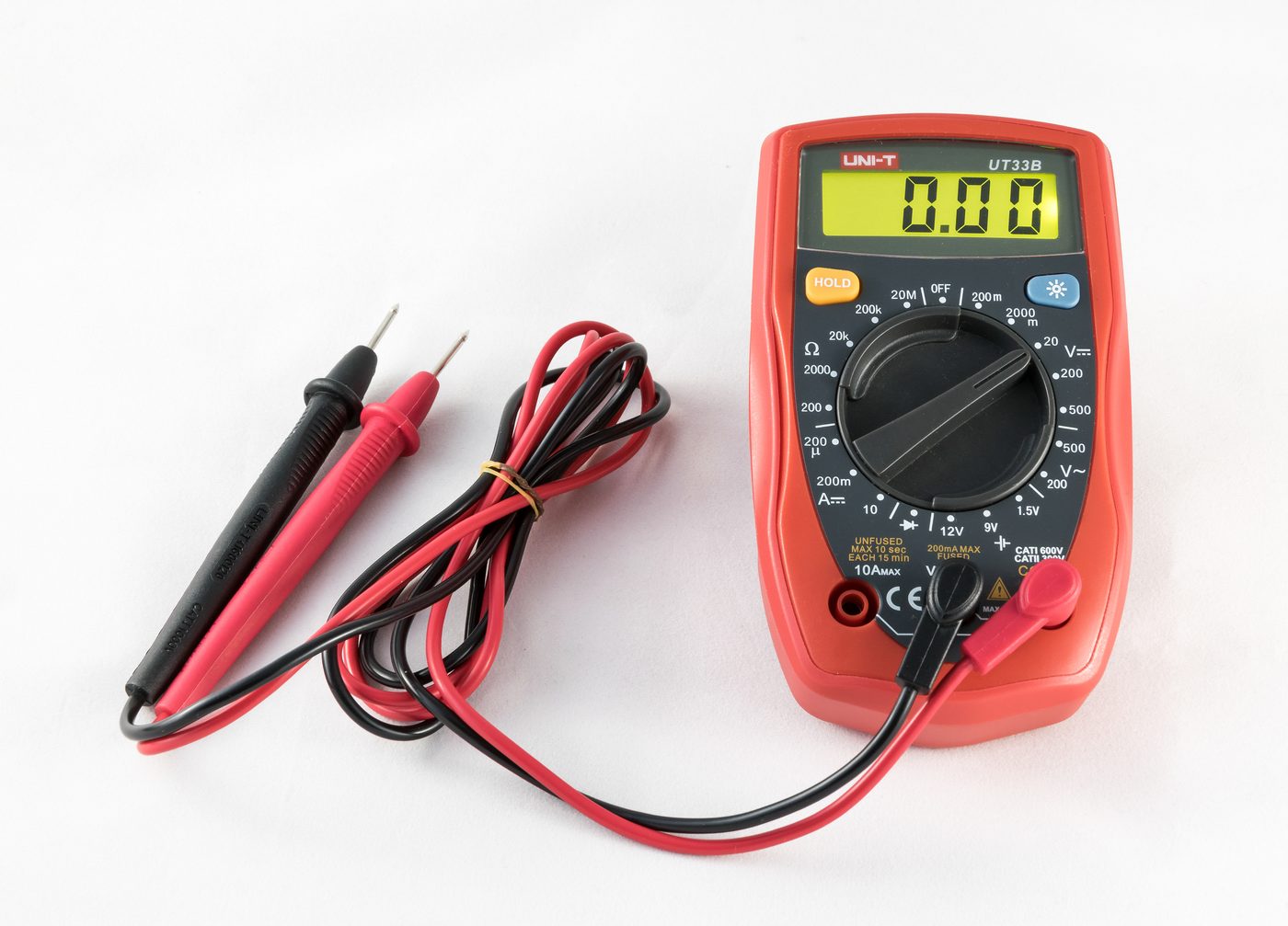
Digital multimeter with test probes (Source: Wikimedia Commons)
Scan Tools: Electronic devices that connect to the vehicle’s OBD port to retrieve fault codes and live data from the vehicle's control modules.
Thermal Cameras: Employed to detect abnormal heat patterns in HVAC components, which may indicate blockages or failures.
Pressure Gauges: Utilized in air conditioning systems to measure refrigerant pressure, aiding in leak detection and system performance evaluation.
These tools must be calibrated regularly to maintain accuracy, and technicians should be trained in their proper use to avoid misdiagnosis.
| Name | Specification | Use |
|---|---|---|
| Multimeter | Digital, auto-ranging, 600V max | Measuring electrical parameters in circuits |
| OBD-II Scanner | Supports ISO 15765 CAN protocol | Reading and clearing fault codes |
| Thermal Camera | Infrared detection, resolution > 320x240 pixels | Identifying heat anomalies in HVAC systems |
| Pressure Gauge | Dual scale (psi and kPa), 0-500 psi | Measuring refrigerant pressure in AC systems |
| Oscilloscope | Bandwidth ≥ 20 MHz, multiple channels | Analyzing sensor signals and actuator responses |
Maintaining diagnostic equipment ensures reliability and accuracy, which directly impacts the quality of vehicle comfort system diagnosis.
Technicians in Kenyan automotive service centers benefit from adhering to maintenance protocols to extend tool lifespan and ensure diagnostic accuracy.
Working with vehicle comfort systems involves interaction with electrical circuits and pressurized components, necessitating safety precautions to protect technicians.
Observing these safety measures is critical in maintaining a safe working environment and avoiding costly damages.
Create a free account to open more of this chapter.
Free: practical guides, quick cards, workplace scenarios and more.
Create a free accountThis chapter explored the essential tools and equipment required for diagnosing vehicle comfort systems, emphasizing their proper selection and use. It detailed the operation of on-board diagnostic kits, focusing on how to retrieve and understand diagnostics trouble codes to identify system issues accurately. The interpretation of these trouble codes was explained to enable effective troubleshooting. The chapter also covered testing procedures for sensors, actuators, and circuits that play critical roles in comfort systems, ensuring their functionality is thoroughly assessed. Guidance on replacing or installing faulty sensors, actuators, and circuits was provided, highlighting the correct techniques to restore system performance. Finally, the importance of documenting the diagnosis process was discussed to maintain accurate service records and support ongoing vehicle maintenance.
Type: Individual
| Tools & Equipment | Materials |
|---|---|
| OBD-II scanner with diagnostic software | Vehicle service manual for comfort system |
| Multimeter | Cleaning spray for electrical contacts |
| Diagnostic test leads and adapters | Cotton waste |
| Flashlight | Personal Protective Equipment (overall, safety boots, gloves) |
| S/N | Item | Quantity |
|---|---|---|
| 1 | Complete vehicle with vehicle comfort system | 1 Pc per Candidate |
| 2 | OBD-II scanner with vehicle comfort system diagnostic software | 1 Pc per Workstation |
| 3 | Multimeter | 1 Pc per Workstation |
| 4 | Diagnostic test leads and adapters | 1 Set per Workstation |
| 5 | Vehicle service manual for comfort system | 1 Pc per Workstation |
| 6 | Personal Protective Equipment (overall, safety boots, gloves) | 1 Set per Candidate |
| 7 | Cotton waste | 100 g per Candidate |
| 8 | Cleaning spray for electrical contacts | 100 ml per Workstation |
| 9 | Flashlight | 1 Pc per Workstation |
| Items to be Evaluated | Marks Available | Marks Obtained | Comments |
|---|---|---|---|
| TASK 1: Preparation and Setup of Diagnostic Tools | |||
| Wore personal protective equipment: overall, safety boots, gloves (Award 1 mark for each PPE worn correctly or zero) | 3 | ||
| Prepared working area: parked vehicle on level ground, applied handbrake and chocked wheels (Award 2 marks for correct preparation or zero) | 2 | ||
| Connected OBD-II scanner to vehicle diagnostic port securely (Award 3 marks for correct connection or zero) | 3 | ||
| Turned on vehicle ignition to ON position without starting engine (Award 2 marks for correct ignition position or zero) | 2 | ||
| Powered on diagnostic scanner and established communication with vehicle comfort system ECU (Award 4 marks for successful communication or zero) | 4 | ||
| Used multimeter to check battery voltage and ensure stable power supply (Award 3 marks for correct measurement or zero) | 3 | ||
| Inspected diagnostic leads and connectors for damage and cleaned contacts using cleaning spray and cotton waste (Award 3 marks for proper inspection and cleaning or zero) | 3 | ||
| Reviewed vehicle service manual for system specifications and diagnostic procedures (Award 2 marks for consulting manual or zero) | 2 | ||
| Documented initial observations and prepared diagnostic tool settings according to manufacturer instructions (Award 3 marks for proper documentation and setup or zero) | 3 | ||
| Sub-Total | 25 | ||
| PRODUCT CHECKLIST | |||
| Diagnostic tools connected correctly and communicating with vehicle comfort system ECU (Award 5 marks for correct tool connection and communication or zero) | 5 | ||
| Vehicle prepared safely and securely for diagnostic procedure (Award 3 marks for correct vehicle preparation or zero) | 3 | ||
| Diagnostic tool settings correctly configured as per vehicle manufacturer specifications (Award 4 marks for correct configuration or zero) | 4 | ||
| Multimeter readings correctly taken and documented (Award 3 marks for accurate measurements and documentation or zero) | 3 | ||
| Sub-Total | 15 | ||
| GRAND TOTAL | 40 | ||
Type: Individual
| Tools & Equipment | Materials |
|---|---|
| On-Board Diagnostic (OBD) Kit | Cotton waste |
| Assorted workshop hand tools | Workshop manual for vehicle comfort system |
| Personal Protective Equipment (Overall, Safety boots, Gloves) |
| S/N | Item | Quantity |
|---|---|---|
| 1 | Complete vehicle with vehicle comfort system | 1 Pc per workstation |
| 2 | On-Board Diagnostic (OBD) Kit | 1 Pc per workstation |
| 3 | Assorted workshop hand tools (screwdrivers, pliers, wrenches) | 1 set per workstation |
| 4 | Cotton waste | 100 g per candidate |
| 5 | Workshop manual for vehicle comfort system | 1 Pc per workstation |
| 6 | Personal Protective Equipment (Overall, Safety boots, Gloves) | 1 set per candidate |
| Items to be Evaluated | Marks Available | Marks Obtained | Comments |
|---|---|---|---|
| TASK 1: Preparation and Safety | |||
| Wore personal protective equipment (Overall, Safety boots, Gloves) (Award 1 mark for each PPE worn correctly or zero) | 3 | ||
| Prepared the working area by parking the vehicle on a level surface and choked the wheels (Award 2 marks for correct preparation or zero) | 2 | ||
| Sub-Total | 5 | ||
| TASK 2: Diagnostic Kit Setup and Connection | |||
| Connected the On-Board Diagnostic Kit connector to the vehicle’s OBD-II port securely (Award 3 marks for correct connection or zero) | 3 | ||
| Powered on the vehicle ignition to the ON position without starting the engine (Award 2 marks for correct ignition operation or zero) | 2 | ||
| Turned on the On-Board Diagnostic Kit and navigated to the vehicle comfort system module (Award 3 marks for correct operation or zero) | 3 | ||
| Sub-Total | 8 | ||
| TASK 3: Data Retrieval and Interpretation | |||
| Retrieved diagnostic trouble codes (DTCs) related to vehicle comfort system (Award 4 marks for successful retrieval or zero) | 4 | ||
| Accessed live data streams (e.g., temperature sensors, fan speeds, actuator states) from the comfort system (Award 4 marks for accurate data access or zero) | 4 | ||
| Saved or recorded the diagnostic data as per workshop procedure (Award 3 marks for proper data saving or zero) | 3 | ||
| Sub-Total | 11 | ||
| TASK 4: Disconnection and Cleanup | |||
| Switched off the diagnostic kit and vehicle ignition (Award 2 marks for correct shutdown or zero) | 2 | ||
| Disconnected the diagnostic kit safely from the OBD-II port (Award 2 marks for safe disconnection or zero) | 2 | ||
| Carried out housekeeping by cleaning the working area and storing tools properly (Award 2 marks for good housekeeping or zero) | 2 | ||
| Sub-Total | 6 | ||
| PRODUCT CHECKLIST | |||
| Diagnostic report contains all required vehicle comfort system data and trouble codes accurately recorded (Award 10 marks for complete and accurate diagnostic data or zero) | 10 | ||
| Sub-Total | 10 | ||
| GRAND TOTAL | 40 | ||
At the start of this chapter we promised you would be able to:
Tick each one you can genuinely do.
So, are you there yet?
You're competent when you can confidently do 50% or more of what this chapter promised.
Sign in to record how you're doing.