
By the end of this chapter, you will be able to:
Mastering these skills ensures you can confidently maintain and repair vehicle transfer cases, keeping vehicles running smoothly and safely on the road.
Overhauling a vehicle transfer case is a critical maintenance activity in automotive engineering technology, especially for four-wheel-drive vehicles commonly used across Kenya’s varied terrains. Transfer cases transmit power from the transmission to the front and rear axles, enabling effective torque distribution and vehicle control. Proper overhaul ensures reliability, safety, and performance, which are essential for vehicles used in sectors such as agriculture, transport, and public service fleets. This chapter focuses on the safety measures necessary during transfer case overhaul to protect technicians and maintain workplace standards.
The process of overhauling a transfer case involves handling heavy components, lubricants, and precision tools, making safety a top priority. In Kenyan automotive workshops, adherence to safety protocols not only prevents accidents but also ensures compliance with occupational health regulations enforced by bodies such as the Directorate of Occupational Safety and Health Services (DOSHS). Understanding and implementing safety measures protects technicians and enhances the quality of maintenance work, reducing costly downtime.
Recognizing potential hazards before starting the overhaul is crucial to prevent injuries and damage. Transfer cases contain heavy parts and lubricants that pose physical and chemical risks. In Nairobi-based vehicle repair shops, technicians often face risks related to lifting, exposure to hot surfaces, and contact with harmful fluids.
Technicians must conduct a risk assessment to identify these hazards and plan controls accordingly.
Personal protective equipment (PPE) forms the first line of defense against common workshop hazards encountered during transfer case overhaul. Kenyan automotive workshops should enforce strict PPE use to comply with workplace safety standards and protect employees.
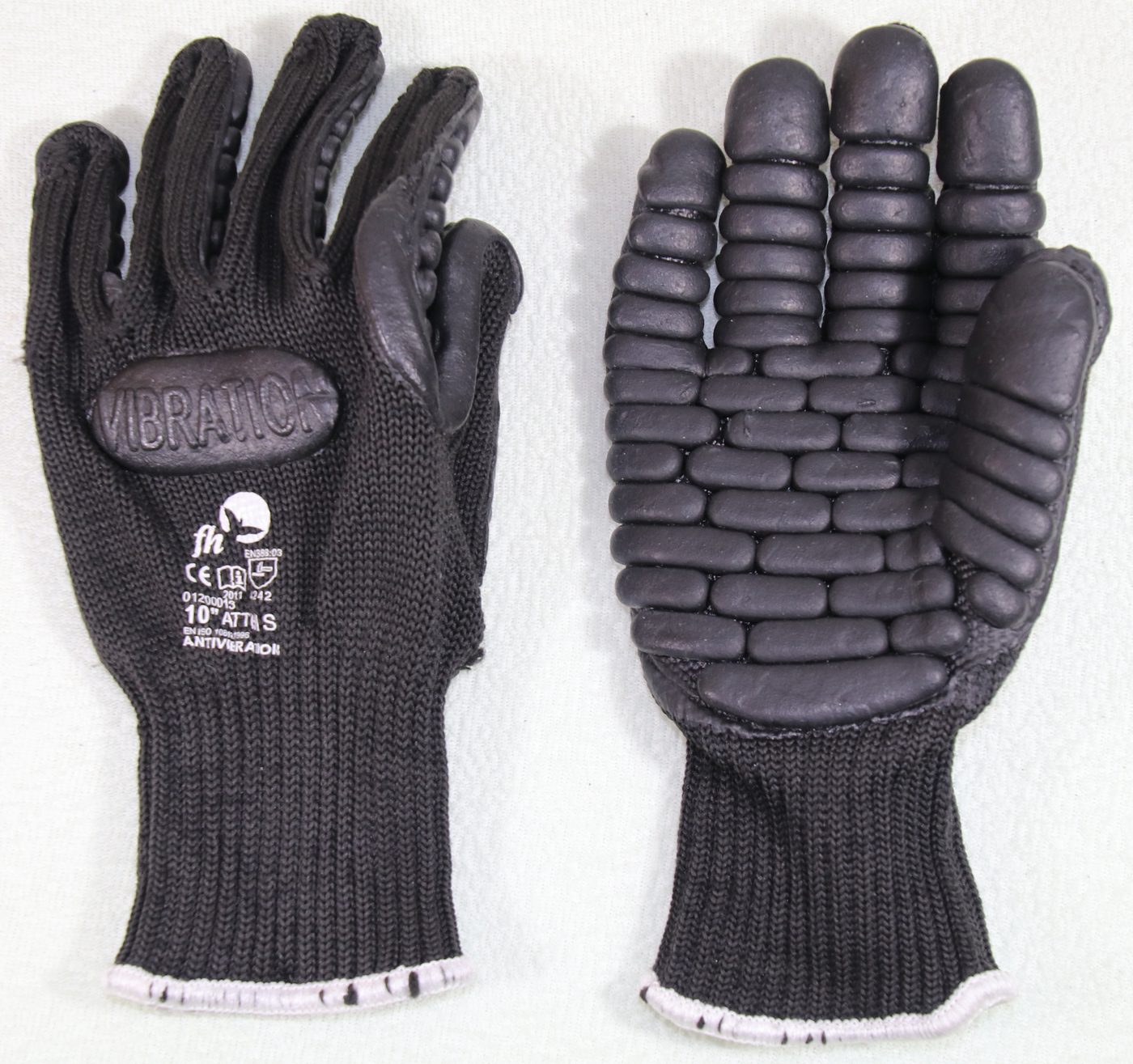
Protective gloves for automotive engineering use (Source: Wikipedia (Glove))
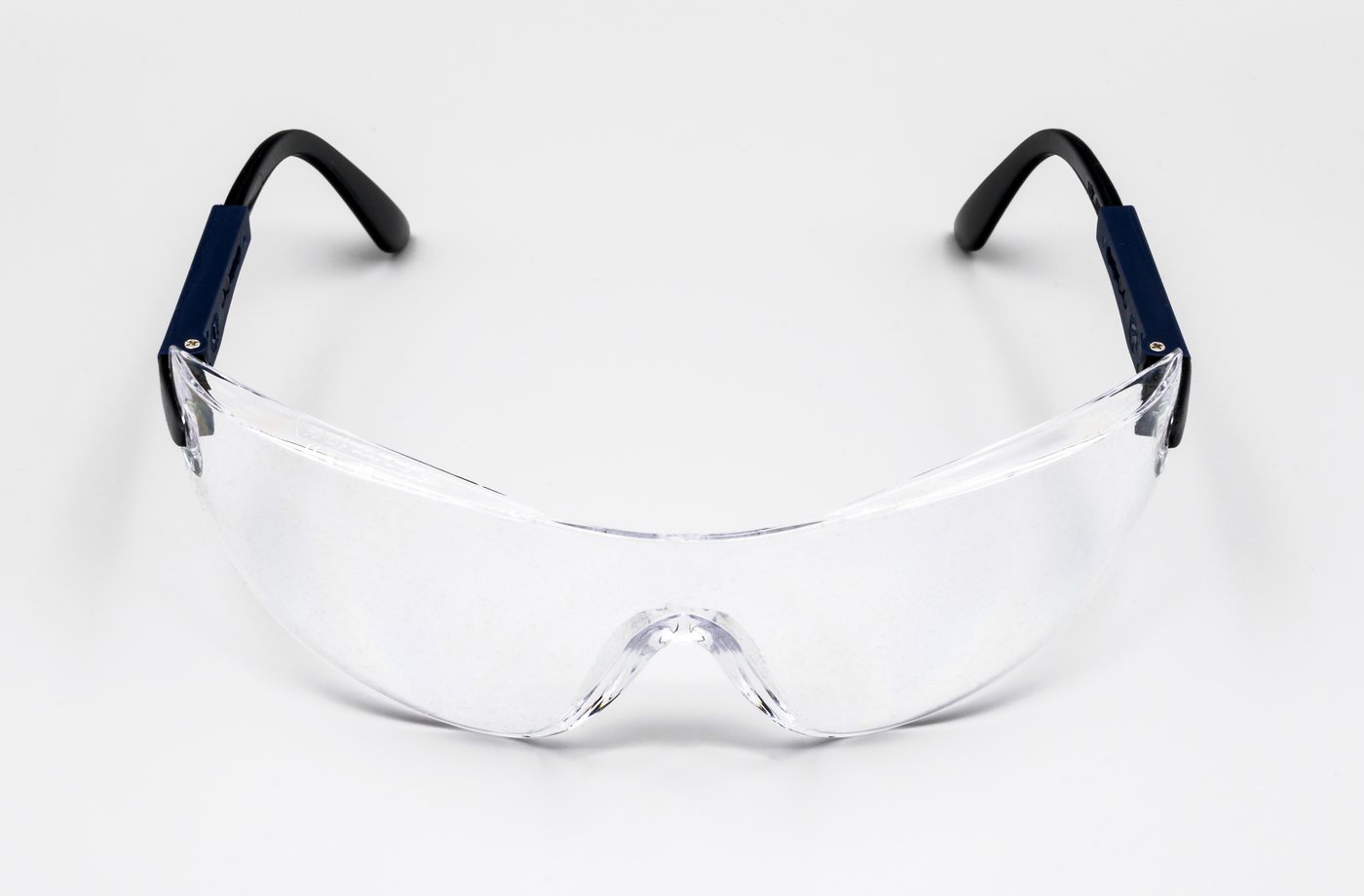
Clear safety goggles for eye protection (Source: Wikimedia Commons)
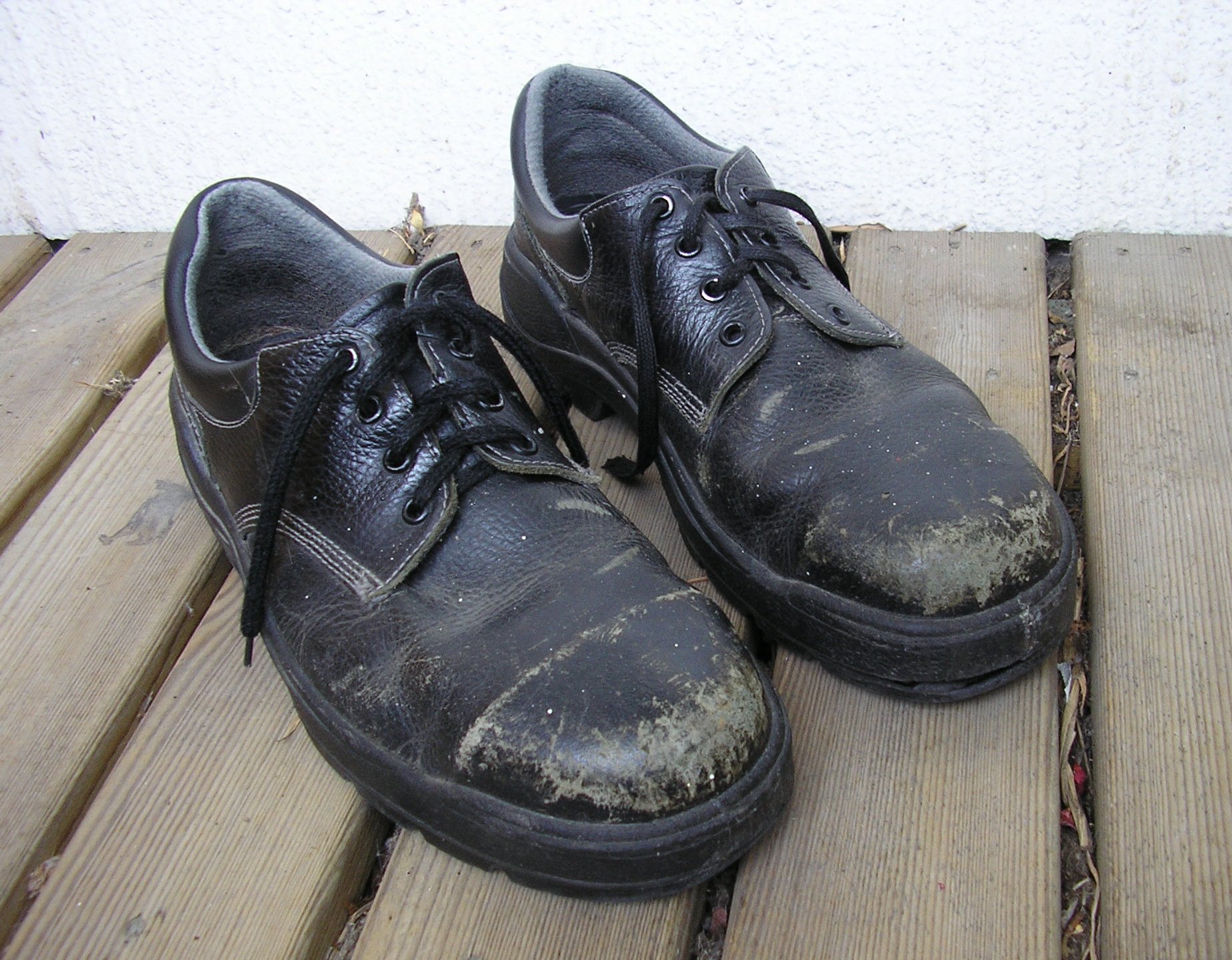
Worn black steel-toe boots on wooden floor (Source: Wikipedia (Steel-toe boot))

Person wearing blue ear protection earmuffs (Source: Wikimedia Commons)
Proper maintenance of PPE, including regular cleaning and timely replacement, ensures its effectiveness and longevity in the workshop environment.
The transfer case overhaul requires various hand and power tools, each with specific safety considerations to prevent accidents. Kenyan automotive technicians must be trained in correct tool selection, handling, and maintenance to maintain a safe working environment.
Adhering to these practices prevents tool-related injuries and damage to transfer case components.
Maintaining a safe and clean workshop environment is essential during the overhaul process. Kenyan automotive workshops must implement procedures to manage waste, control spills, and ensure proper ventilation to protect workers and the environment.
Implementing these measures ensures compliance with Kenya’s environmental and occupational safety standards and promotes a healthier working atmosphere.
Describe five common hazards encountered during the overhaul of a vehicle transfer case and explain how each can affect the technician. (10 marks)
List and explain the importance of five types of personal protective equipment used during transfer case overhaul in an automotive workshop. (10 marks)
Outline six safety practices related to the handling and use of tools during transfer case maintenance. (12 marks)
Explain five environmental safety measures that should be observed in an automotive workshop during transfer case overhaul. (10 marks)
Create a free account to open more of this chapter.
Free: practical guides, quick cards, workplace scenarios and more.
Create a free accountThis chapter provided a comprehensive guide to overhauling a vehicle transfer case, beginning with essential safety measures to prevent accidents and ensure a secure working environment. It then examined the construction and operation of the transfer case, highlighting its role in distributing power between the front and rear axles. The chapter detailed how to carry out a thorough inspection to identify wear, damage, or faults that could compromise performance. Step-by-step procedures for dismantling the transfer case were explained, emphasizing careful handling of components. The servicing and replacement of worn or defective parts were outlined to restore optimal function. Assembly instructions followed, focusing on correct alignment and torque specifications. After reinstallation, the chapter stressed the importance of conducting service checks to verify proper operation. Finally, it covered the documentation process, ensuring that all maintenance activities are accurately recorded for future reference.
Type: Individual
| Tools & Equipment | Materials |
|---|---|
| Wrenches (torque and pipe) | Personal Protective Equipment overall |
| Screwdrivers (flat and Phillips) | Safety boots |
| Torque wrench | Protective gloves |
| Oil pan | Safety goggles |
| Parts tray | Cleaning supplies (degreaser, rags, brushes) |
| Workshop manual for transfer case |
| S/N | Item | Quantity |
|---|---|---|
| 1 | Personal Protective Equipment overall | 1 Pc per Candidate |
| 2 | Safety boots | 1 Pair per Candidate |
| 3 | Protective gloves | 1 Pair per Candidate |
| 4 | Safety goggles | 1 Pair per Candidate |
| 5 | Wrenches (torque and pipe) | 1 Set per Candidate |
| 6 | Screwdrivers (flat and Phillips) | 1 Set per Candidate |
| 7 | Cleaning supplies (degreaser, rags, brushes) | 1 Set per Candidate |
| 8 | Oil pan | 1 Pc per Candidate |
| 9 | Parts tray | 1 Pc per Candidate |
| 10 | Torque wrench | 1 Pc per Candidate |
| 11 | Workshop manual for transfer case | 1 Pc per Candidate |
| Items to be Evaluated | Marks Available | Marks Obtained | Comments |
|---|---|---|---|
| TASK 1: Prepare and implement safety measures for transfer case overhaul | |||
| Wore complete Personal Protective Equipment overall and safety boots (Award 1 mark for each correctly worn PPE item or zero) | 2 | ||
| Wore protective gloves and safety goggles before starting work (Award 1 mark each or zero) | 2 | ||
| Gathered all required tools and materials before starting (Award 1/2 mark for each: wrenches, screwdrivers, torque wrench, oil pan, parts tray, cleaning supplies) | 3 | ||
| Cleared and organized the work area to prevent hazards (Award 2 marks or zero) | 2 | ||
| Placed oil pan correctly to drain transfer case fluid safely (Award 2 marks or zero) | 2 | ||
| Followed workshop manual safety instructions accurately (Award 3 marks or zero) | 3 | ||
| Ensured proper ventilation and lighting in the work area (Award 2 marks or zero) | 2 | ||
| Used correct lifting techniques and tools to handle the transfer case (Award 2 marks or zero) | 2 | ||
| Sub-Total | 18 | ||
| PRODUCT CHECKLIST | |||
| Work area prepared safely with PPE worn and tools arranged correctly (Award 5 marks or zero) | 5 | ||
| Transfer case positioned safely with oil pan correctly placed for fluid drainage (Award 5 marks or zero) | 5 | ||
| Compliance to workshop safety procedures as per manual documented (Award 4 marks or zero) | 4 | ||
| Sub-Total | 14 | ||
| GRAND TOTAL | 32 | ||
Type: Individual
| Tools & Equipment | Materials |
|---|---|
| Torque wrench | Vehicle transfer case unit |
| Combination wrenches | Workshop manual on transfer case |
| Screwdrivers set | |
| Cleaning cloths | |
| Pen and notebook |
| S/N | Item | Quantity |
|---|---|---|
| 1 | Vehicle transfer case unit | 1 Pc per Candidate |
| 2 | Workshop manual on transfer case | 1 Pc per Candidate |
| 3 | Torque wrench | 1 Pc per Candidate |
| 4 | Set of combination wrenches | 1 Set per Candidate |
| 5 | Screwdrivers set | 1 Set per Candidate |
| 6 | Cleaning cloths | 3 Pcs per Candidate |
| 7 | Pen and notebook | 1 Pc per Candidate |
| Items to be Evaluated | Marks Available | Marks Obtained | Comments |
|---|---|---|---|
| TASK 1: Preparation and PPE | |||
| Wore Personal Protective Equipment (overall, safety boots) (Award 1 mark for each correctly worn PPE or zero) | 2 | ||
| Gathered required tools and materials (Award 0.5 mark for each tool/material gathered or zero) | 3 | ||
| Sub-Total | 5 | ||
| TASK 2: Identification and Description of Transfer Case Components | |||
| Identified main components: input shaft, output shaft, chain or gear drive, differential, shift forks (Award 1 mark for each correct component identified or zero) | 5 | ||
| Described the function of each component accurately (Award 1 mark for each correct description or zero) | 5 | ||
| Sub-Total | 10 | ||
| TASK 3: Explanation of Transfer Case Operation | |||
| Explained how power is transferred from the transmission to front and rear axles (Award 3 marks for clear and correct explanation or zero) | 3 | ||
| Described the role of 2WD, 4WD modes and neutral position (Award 3 marks for accurate description or zero) | 3 | ||
| Explained the function of low range and high range gears (Award 3 marks for correct explanation or zero) | 3 | ||
| Sub-Total | 9 | ||
| TASK 4: Documentation and Housekeeping | |||
| Documented the explanation and component details clearly in the notebook (Award 2 marks for complete and legible documentation or zero) | 2 | ||
| Performed housekeeping by cleaning workspace and returning tools (Award 1 mark for neat and complete housekeeping or zero) | 1 | ||
| Sub-Total | 3 | ||
| PRODUCT CHECKLIST | |||
| Explanation covers all major components with correct names and functions (Award up to 4 marks based on completeness and accuracy) | 4 | ||
| Operation explanation demonstrates clear understanding of transfer case modes and power flow (Award up to 5 marks for clarity and correctness) | 5 | ||
| Documentation is complete, well organized, and legible (Award up to 2 marks for neatness and completeness) | 2 | ||
| Sub-Total | 11 | ||
| GRAND TOTAL | 38 | ||
At the start of this chapter we promised you would be able to:
Tick each one you can genuinely do.
So, are you there yet?
You're competent when you can confidently do 50% or more of what this chapter promised.
Sign in to record how you're doing.