
By the end of this chapter, you will be able to:
Mastering these skills ensures you can keep vehicles running smoothly and safely, making you a valuable technician in the automotive trade!
Vehicle transfer cases are essential components in four-wheel drive (4WD) and all-wheel drive (AWD) vehicles, responsible for distributing power from the transmission to the front and rear axles. In Kenya, where diverse terrains ranging from urban roads to rugged rural paths demand reliable vehicle performance, proper maintenance and overhaul of the transfer case is crucial for automotive technicians. Overhauling a transfer case restores its function, prevents costly breakdowns, and extends vehicle life, especially for commercial vehicles operating in demanding environments such as county government fleets or agricultural transport vehicles. This chapter focuses on the safety measures that must be observed during the overhaul process to ensure technician safety and equipment integrity.
Maintenance and overhaul of vehicle transfer cases involve handling heavy components, working with lubricants, and using specialized tools. Safety is paramount to protect technicians from injuries and to avoid damage to vehicle systems. In the Kenyan automotive service industry, adherence to safety protocols not only complies with occupational safety regulations but also enhances workshop efficiency and reputation.
Understanding potential hazards is the first step in establishing effective safety measures during transfer case overhaul. The nature of the task exposes technicians to various physical and chemical risks that must be anticipated and mitigated.
Using appropriate PPE is a critical control measure when overhauling transfer cases. It safeguards technicians from physical injuries and chemical exposure during the maintenance process.
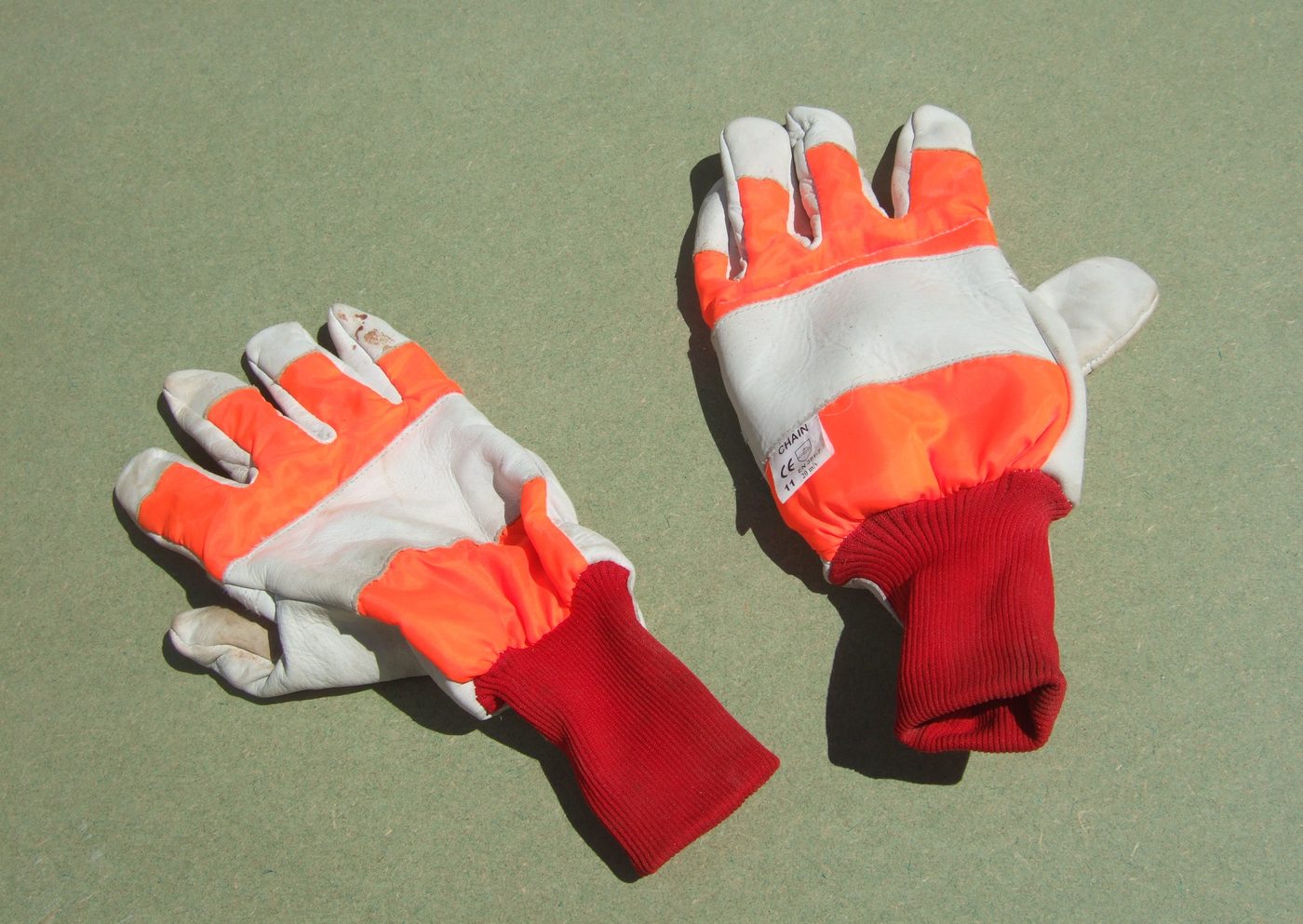
Pair of safety gloves for protection (Source: Wikimedia Commons)
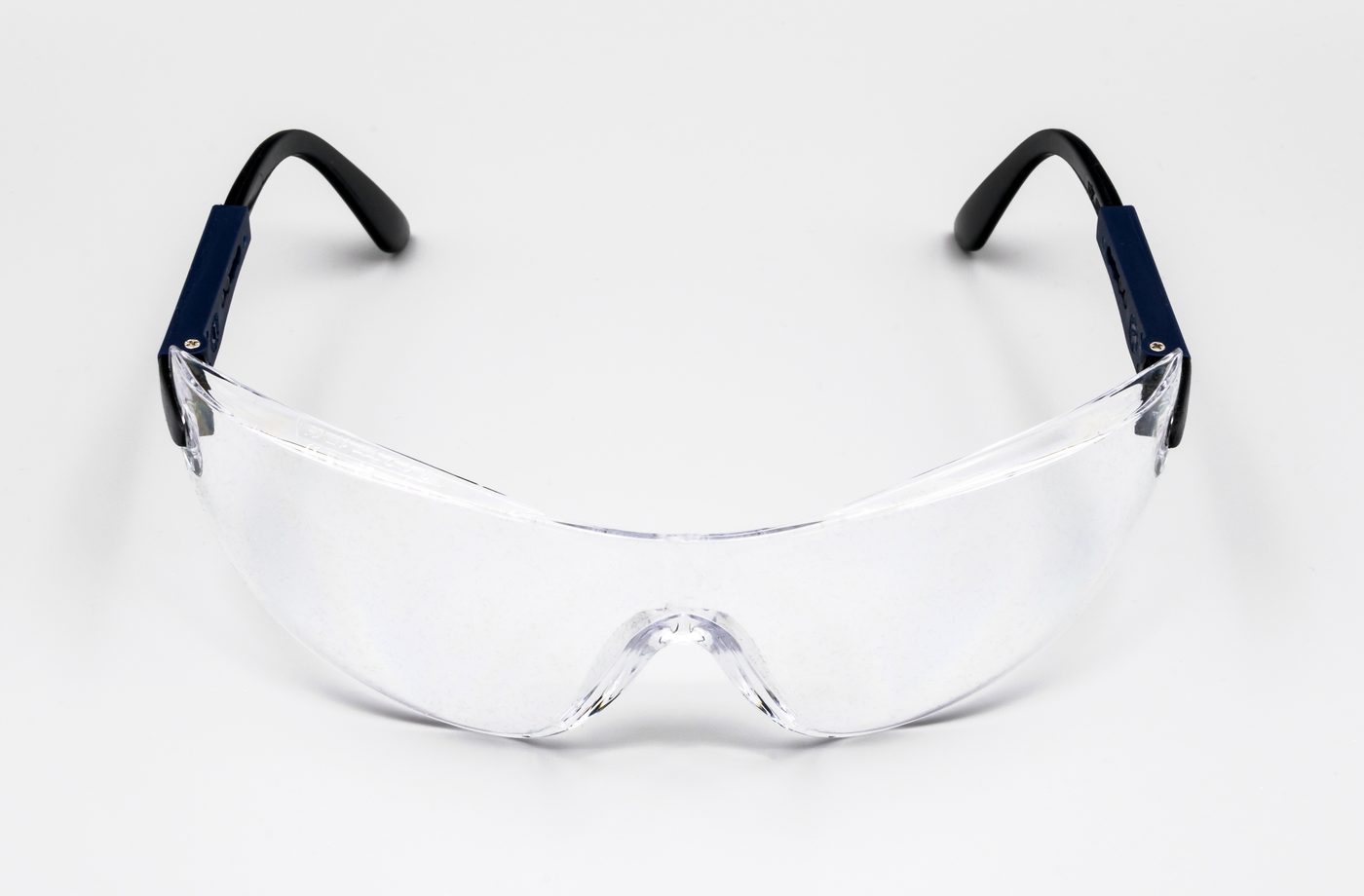
Clear safety goggles for eye protection (Source: Wikimedia Commons)
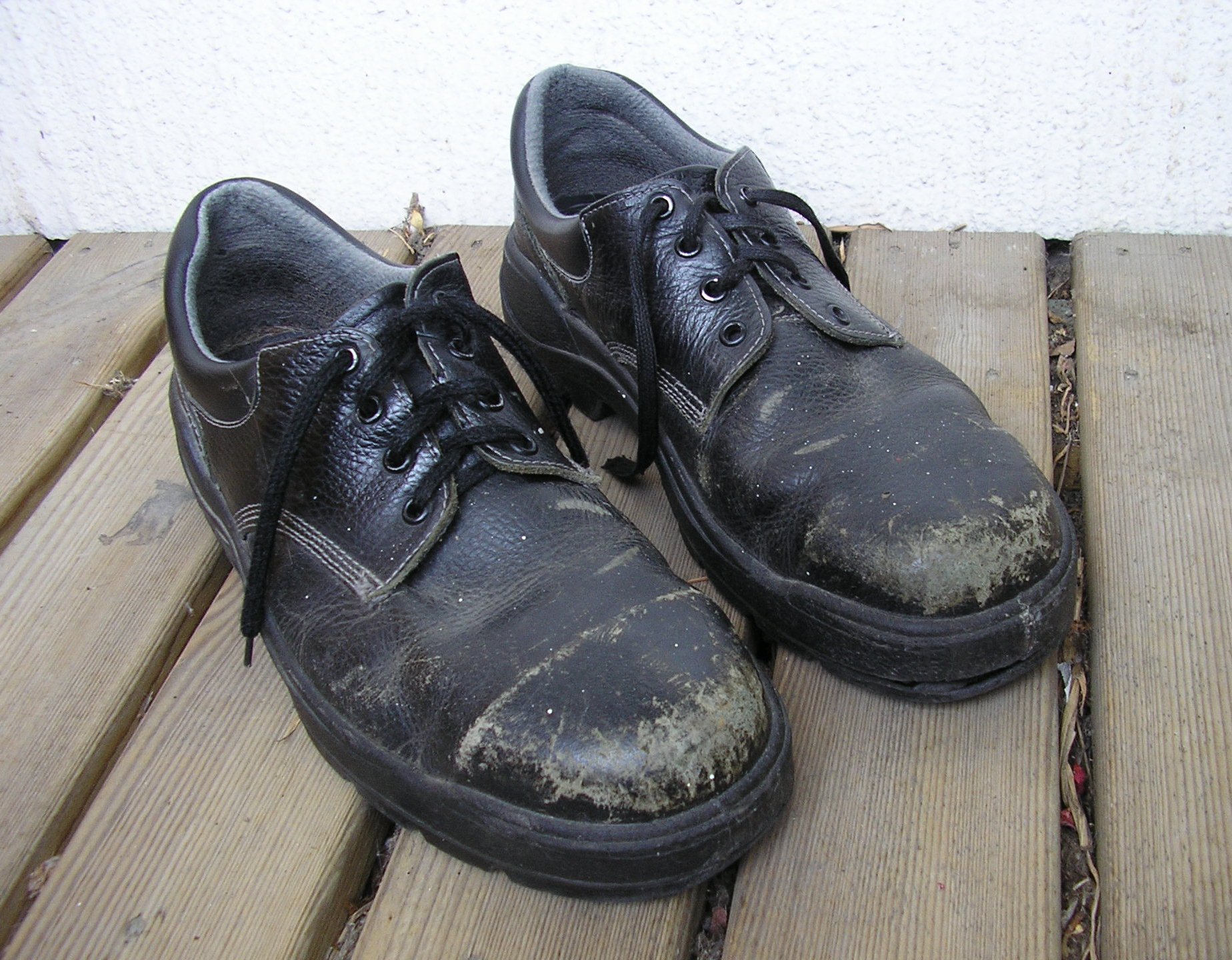
Pair of steel-toe safety boots (Source: Wikipedia (Steel-toe boot))
Maintaining a safe and organized workspace is essential to prevent accidents and ensure efficient workflow when overhauling a transfer case.
Lubricants, solvents, and cleaning agents used during transfer case overhaul pose environmental and health risks if not handled and disposed of properly. Kenyan automotive workshops must comply with environmental regulations and best practices.
Explain five common hazards associated with overhauling a vehicle transfer case and how each hazard can affect a technician. (10 marks)
List and describe five types of personal protective equipment required during transfer case overhaul and their specific protective functions. (10 marks)
Discuss five workshop safety practices that should be implemented to ensure a safe environment during transfer case maintenance. (10 marks)
Outline five key guidelines for the safe handling and disposal of hazardous materials used in transfer case overhaul. (10 marks)
Create a free account to open more of this chapter.
Free: practical guides, quick cards, workplace scenarios and more.
Create a free accountThis chapter focused on the comprehensive process of overhauling a vehicle transfer case, beginning with essential safety measures to protect both the technician and the equipment during maintenance. It then examined the construction and operation of the transfer case, highlighting its role in distributing power to the vehicle’s wheels. A detailed approach to inspecting the transfer case was provided, identifying common wear and damage indicators. The chapter outlined the systematic dismantling procedure, emphasizing careful handling of components to avoid damage. Service and replacement of critical parts were discussed, ensuring restoration of functionality and reliability. Assembly procedures were described step-by-step to guarantee correct reinstallation and alignment of parts. After service, thorough checks were necessary to confirm proper operation and prevent future failures. Finally, documentation of the service process was stressed as vital for maintenance records and quality assurance.
Type: Individual
| Tools & Equipment | Materials |
|---|---|
| Complete tool kit (including wrenches, screwdrivers, hammer) | Safety boots |
| Hydraulic jack and safety stands | Overall/Dust coat |
| Cleaning materials (cloths, degreaser) | Safety gloves |
| Vehicle workshop manual | Protective goggles |
| Transfer case overhaul safety checklist |
| S/N | Item | Quantity |
|---|---|---|
| 1 | Safety boots | 1 Pair per Candidate |
| 2 | Overall/Dust coat | 1 Pc per Candidate |
| 3 | Safety gloves | 1 Pair per Candidate |
| 4 | Protective goggles | 1 Pair per Candidate |
| 5 | Vehicle fitted with transfer case | 1 Pc per Work Station |
| 6 | Complete tool kit (including wrenches, screwdrivers, hammer) | 1 Set per Candidate |
| 7 | Hydraulic jack and safety stands | 1 Set per Work Station |
| 8 | Cleaning materials (cloths, degreaser) | 1 Set per Candidate |
| 9 | Vehicle workshop manual | 1 Pc per Work Station |
| 10 | Transfer case overhaul safety checklist | 1 Pc per Candidate |
| Items to be Evaluated | Marks Available | Marks Obtained | Comments |
|---|---|---|---|
| TASK 1: Preparation and PPE | |||
| Wore safety boots (Award 1 mark or zero) | 1 | ||
| Wore overall/dust coat (Award 1 mark or zero) | 1 | ||
| Wore safety gloves (Award 1 mark or zero) | 1 | ||
| Wore protective goggles (Award 1 mark or zero) | 1 | ||
| Prepared and cleared the work area according to workshop procedures (Award 2 marks or zero) | 2 | ||
| Engaged parking brake, placed transmission in gear and chocked wheels (Award 2 marks or zero) | 2 | ||
| Jacked up vehicle and supported safely on stands (Award 2 marks or zero) | 2 | ||
| Sub-Total | 10 | ||
| TASK 2: Tool and Equipment Handling | |||
| Selected and gathered appropriate tools and equipment (Award 2 marks or zero) | 2 | ||
| Checked tools and equipment for safety and functionality (Award 2 marks or zero) | 2 | ||
| Followed workshop manual safety instructions during transfer case handling (Award 2 marks or zero) | 2 | ||
| Sub-Total | 6 | ||
| TASK 3: Safety Measures During Overhaul | |||
| Used correct lifting and handling techniques for the transfer case (Award 2 marks or zero) | 2 | ||
| Avoided contact with hot or sharp components (Award 1 mark or zero) | 1 | ||
| Used cleaning materials safely to remove grease and dirt (Award 1 mark or zero) | 1 | ||
| Kept work area clean and free from hazards during overhaul (Award 2 marks or zero) | 2 | ||
| Disposed of waste materials according to workshop safety regulations (Award 2 marks or zero) | 2 | ||
| Sub-Total | 8 | ||
| TASK 4: Post-Overhaul Safety | |||
| Lowered and removed vehicle safely from stands (Award 2 marks or zero) | 2 | ||
| Conducted final safety inspection of the work area (Award 2 marks or zero) | 2 | ||
| Removed PPE correctly and stored tools appropriately (Award 2 marks or zero) | 2 | ||
| Sub-Total | 6 | ||
| PRODUCT CHECKLIST | |||
| Complete and accurate application of all required safety measures before and during transfer case overhaul (Award up to 10 marks based on thoroughness and adherence to safety protocols) | 10 | ||
| Sub-Total | 10 | ||
| GRAND TOTAL | 40 | ||
Type: Individual
| Tools & Equipment | Materials |
|---|---|
| Socket set | Cleaning rags |
| Screwdrivers | Degreaser spray |
| Flashlight | Vehicle manual for transfer case |
| Inspection mirror | Inspection checklist form |
| Torque wrench |
| S/N | Item | Quantity |
|---|---|---|
| 1 | Safety boots | 1 Pair per Candidate |
| 2 | Overall | 1 Pc per Candidate |
| 3 | Gloves | 1 Pair per Candidate |
| 4 | Goggles | 1 Pair per Candidate |
| 5 | Vehicle manual for transfer case | 1 Pc per Work Station |
| 6 | Socket set | 1 Set per Work Station |
| 7 | Screwdrivers | 1 Set per Work Station |
| 8 | Flashlight | 1 Pc per Work Station |
| 9 | Inspection mirror | 1 Pc per Work Station |
| 10 | Cleaning rags | 3 Pcs per Candidate |
| 11 | Degreaser spray | 1 Bottle per Work Station |
| 12 | Inspection checklist form | 1 Pc per Candidate |
| 13 | Torque wrench | 1 Pc per Work Station |
| Items to be Evaluated | Marks Available | Marks Obtained | Comments |
|---|---|---|---|
| TASK 1: Transfer Case Inspection | |||
| Wore PPE including safety boots, overall, gloves, and goggles (Award 1 mark for each correctly worn PPE or zero) | 4 | ||
| Prepared work area according to workshop procedures (Award 2 marks or zero) | 2 | ||
| Referred to vehicle manual for transfer case inspection procedures (Award 2 marks or zero) | 2 | ||
| Cleaned transfer case exterior using degreaser and rags (Award 3 marks or zero) | 3 | ||
| Removed transfer case inspection cover bolts using socket set and screwdrivers (Award 3 marks or zero) | 3 | ||
| Inspected transfer case oil for contamination or metal particles (Award 3 marks or zero) | 3 | ||
| Visually inspected internal gears and bearings for wear, cracks, or damage using flashlight and inspection mirror (Award 5 marks or zero) | 5 | ||
| Checked gear backlash and play as per manufacturer's specifications (Award 3 marks or zero) | 3 | ||
| Checked condition of seals and gaskets for leaks or deterioration (Award 3 marks or zero) | 3 | ||
| Replaced inspection cover and tightened bolts to specified torque (Award 3 marks or zero) | 3 | ||
| Completed and submitted the inspection checklist form with all findings (Award 2 marks or zero) | 2 | ||
| Observed safety precautions throughout the inspection process (Award 2 marks or zero) | 2 | ||
| Sub-Total | 35 | ||
| PRODUCT CHECKLIST | |||
| Inspection checklist correctly completed with all relevant observations (Award 3 marks or zero) | 3 | ||
| All bolts on inspection cover tightened to manufacturer's torque specifications (Award 2 marks or zero) | 2 | ||
| Transfer case exterior cleaned and free from grease and dirt after inspection (Award 2 marks or zero) | 2 | ||
| Sub-Total | 7 | ||
| GRAND TOTAL | 42 | ||
At the start of this chapter we promised you would be able to:
Tick each one you can genuinely do.
So, are you there yet?
You're competent when you can confidently do 50% or more of what this chapter promised.
Sign in to record how you're doing.