
By the end of this chapter, you will be able to:
These skills will help you work confidently and effectively with electrical components, making you a valuable technician in the field.
Cells and batteries form the foundation of automotive electrical systems, powering everything from engine ignition to lighting and infotainment. For automotive engineering technologists in Kenya, understanding how these energy storage devices work is essential for diagnosing electrical issues and ensuring vehicle reliability. This chapter explores the fundamental principles and practical applications of cells and batteries, enabling technicians to select, maintain, and troubleshoot them effectively in diverse automotive environments.
A cell is a single electrochemical unit that converts chemical energy into electrical energy through redox reactions. Cells have two electrodes: the anode (negative) and cathode (positive), separated by an electrolyte which facilitates ion movement. A battery consists of two or more cells connected in series or parallel to provide the desired voltage and current capacity.
Automotive applications predominantly use two types of cells: lead-acid and lithium-ion, each with distinct characteristics affecting performance and maintenance.
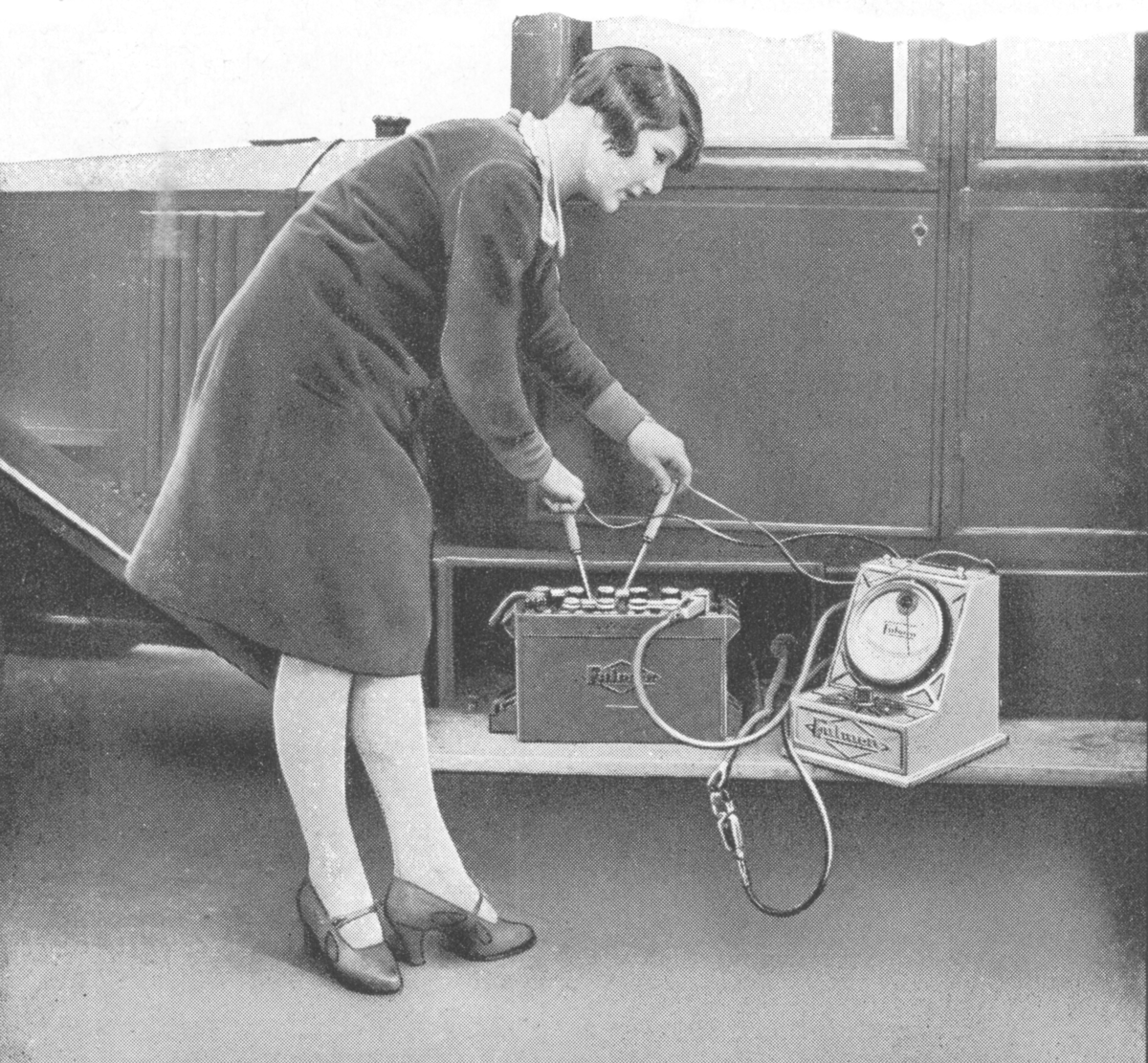
Woman testing a lead-acid cell battery (Source: Wikimedia Commons)
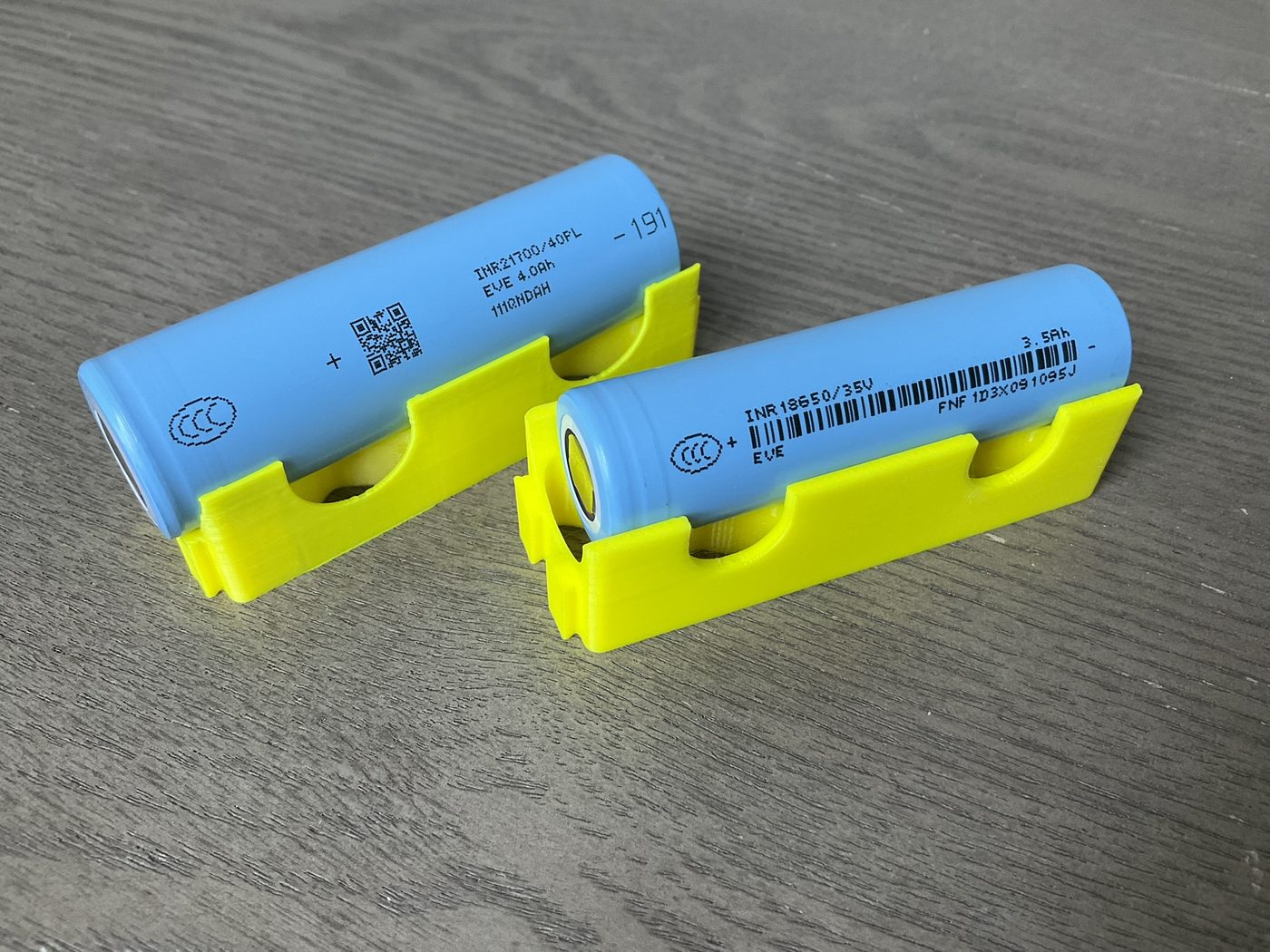
Two cylindrical lithium-ion cells in holders (Source: Wikimedia Commons)
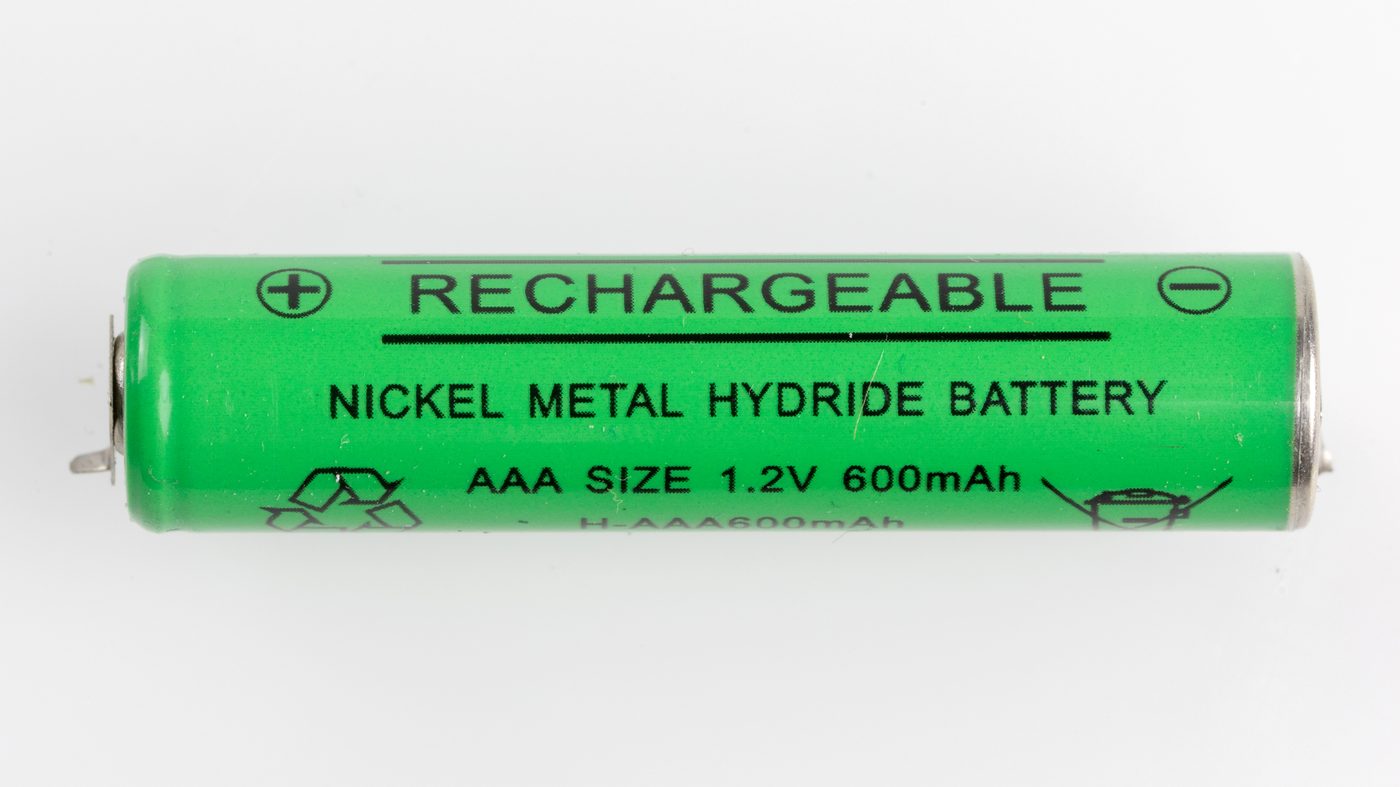
AAA size nickel-metal hydride rechargeable battery cell (Source: Wikimedia Commons)
Understanding the internal structure of automotive batteries helps in diagnostics and maintenance. The key components include:
Positive plates made of lead dioxide in lead-acid batteries, which act as the cathode.
Negative plates made of spongy lead, serving as the anode.
Electrolyte consisting of sulfuric acid diluted with water, facilitating ion transfer.
Separators that prevent physical contact between positive and negative plates while allowing ionic movement.
Battery casing made from durable plastic to contain the chemical components and provide mechanical protection.
Batteries are central to vehicle operation, providing power for starting, lighting, and ignition (SLI), as well as stabilizing voltage for sensitive electronics.
Create a free account to open more of this chapter.
Free: practical guides, quick cards, workplace scenarios and more.
Create a free accountThis chapter introduces the fundamental concepts of cells and batteries, focusing on their role in energy storage through electrochemical cells. It explains key electrical properties such as voltage, current, capacity, and energy density, alongside the internal resistance and electromotive force that influence cell performance. The electrochemical principles of redox reactions and electrode potentials are detailed, as well as the essential components of a cell including the anode, cathode, electrolyte, and separator. Distinctions between primary non-rechargeable cells and secondary rechargeable cells are explored, with specific attention to zinc-carbon, alkaline, and lithium primary cells, followed by lead-acid, nickel-cadmium, nickel-metal hydride, and lithium-ion batteries. The chapter also covers battery performance factors such as capacity, temperature effects, internal resistance, state of charge, and aging mechanisms, complemented by techniques for measuring and testing battery health. Applications of batteries across consumer electronics, automotive, electric vehicles, industrial storage, and renewable energy systems are discussed, highlighting associated challenges and standards. Finally, the environmental impact of batteries is examined, including disposal concerns, recycling methods, government regulations, and advances in eco-friendly technologies.
Type: Individual
| Tools & Equipment | Materials |
|---|---|
| Small Flathead Screwdriver | Simple AA Alkaline Cell |
| Insulated Pliers | Safety Gloves |
| Safety Goggles | |
| Work Bench Mat | |
| Note-taking Materials (Notebook and Pen) |
| S/N | Item | Quantity |
|---|---|---|
| 1 | Simple AA Alkaline Cell | 1 Pc per Candidate |
| 2 | Small Flathead Screwdriver | 1 Pc per Candidate |
| 3 | Insulated Pliers | 1 Pc per Candidate |
| 4 | Safety Gloves | 1 Pair per Candidate |
| 5 | Safety Goggles | 1 Pc per Candidate |
| 6 | Work Bench Mat | 1 Pc per Candidate |
| 7 | Note-taking Materials (Notebook and Pen) | 1 Set per Candidate |
| Items to be Evaluated | Marks Available | Marks Obtained | Comments |
|---|---|---|---|
| TASK 1: Preparation and PPE | |||
| Wore safety gloves and safety goggles (Award 1 mark for each PPE worn correctly) | 2 | ||
| Prepared the work area using work bench mat (Award 1 mark for proper setup) | 1 | ||
| Selected appropriate tools for the task (Award 1 mark for correct tool selection) | 1 | ||
| Sub-Total | 4 | ||
| TASK 2: Disassembly of the Cell | |||
| Carefully removed the cell outer casing using screwdriver and pliers (Award 3 marks for safe and correct disassembly) | 3 | ||
| Separated and exposed the internal components without damage (Award 3 marks for correct handling and separation) | 3 | ||
| Identified the anode component (Award 2 marks for correct identification) | 2 | ||
| Identified the cathode component (Award 2 marks for correct identification) | 2 | ||
| Identified the electrolyte (Award 2 marks for correct identification) | 2 | ||
| Identified the separator (Award 2 marks for correct identification) | 2 | ||
| Sub-Total | 14 | ||
| TASK 3: Explanation of Components | |||
| Explained the function of the anode (Award 3 marks for clear and accurate explanation) | 3 | ||
| Explained the function of the cathode (Award 3 marks for clear and accurate explanation) | 3 | ||
| Explained the role of the electrolyte (Award 3 marks for clear and accurate explanation) | 3 | ||
| Explained the purpose of the separator (Award 3 marks for clear and accurate explanation) | 3 | ||
| Sub-Total | 12 | ||
| TASK 4: Housekeeping | |||
| Disposed of cell parts safely according to workshop procedures (Award 2 marks for proper disposal) | 2 | ||
| Cleaned and returned tools and work area to original state (Award 2 marks for proper housekeeping) | 2 | ||
| Sub-Total | 4 | ||
| PRODUCT CHECKLIST | |||
| Correctly identified all four main components: anode, cathode, electrolyte, separator (Award 5 marks if all components are correctly identified) | 5 | ||
| Provided accurate and concise explanations for each component's function (Award 5 marks for clear, accurate explanations) | 5 | ||
| Sub-Total | 10 | ||
| GRAND TOTAL | 44 | ||
Type: Individual
| Tools & Equipment | Materials |
|---|---|
| Digital Multimeter | AA Alkaline Cells |
| Ammeter (0-10A range) | AAA Carbon-Zinc Cells |
| Resistor Load Box (10 Ω, 5 W) | 9V Lithium Battery |
| Connecting Wires with Crocodile Clips | Safety Gloves |
| Stopwatch or Timer | Safety Goggles |
| Notebook and Pen |
| S/N | Item | Quantity |
|---|---|---|
| 1 | Digital Multimeter | 1 Pc per Candidate |
| 2 | Ammeter (0-10A range) | 1 Pc per Candidate |
| 3 | Resistor Load Box (10 Ω, 5 W) | 1 Pc per Candidate |
| 4 | AA Alkaline Cells | 3 Pcs per Candidate |
| 5 | AAA Carbon-Zinc Cells | 3 Pcs per Candidate |
| 6 | 9V Lithium Battery | 1 Pc per Candidate |
| 7 | Connecting Wires with Crocodile Clips | 1 Set per Candidate |
| 8 | Stopwatch or Timer | 1 Pc per Candidate |
| 9 | Safety Gloves | 1 Pair per Candidate |
| 10 | Safety Goggles | 1 Pair per Candidate |
| 11 | Notebook and Pen | 1 Set per Candidate |
| Items to be Evaluated | Marks Available | Marks Obtained | Comments |
|---|---|---|---|
| TASK 1: Safety and Preparation | |||
| Wore safety gloves and goggles according to safety procedures (Award 1 mark each or zero) | 2 | ||
| Prepared the work area clean and organized (Award 1 mark or zero) | 1 | ||
| Selected correct tools and equipment for measuring voltage, current, and capacity (Award 2 marks or zero) | 2 | ||
| Sub-Total | 5 | ||
| TASK 2: Measurement of Voltage and Current | |||
| Measured and recorded the open-circuit voltage of each cell correctly using the digital multimeter (Award 1 mark per cell or zero) | 3 | ||
| Connected the resistor load box and ammeter in series correctly for current measurement (Award 2 marks or zero) | 2 | ||
| Measured and recorded the current flowing through the load for each cell correctly (Award 1 mark per cell or zero) | 3 | ||
| Ensured all connections were secure and safe during measurements (Award 1 mark or zero) | 1 | ||
| Sub-Total | 9 | ||
| TASK 3: Capacity Measurement and Comparison | |||
| Connected each cell to the load and measured discharge time using stopwatch (Award 1 mark per cell or zero) | 3 | ||
| Calculated capacity (mAh) of each cell accurately using current and discharge time (Award 1 mark per cell or zero) | 3 | ||
| Compared and recorded the energy density and capacity differences between cells (Award 2 marks or zero) | 2 | ||
| Sub-Total | 8 | ||
| TASK 4: Cleanup and Housekeeping | |||
| Disconnected all equipment safely and stored tools properly (Award 2 marks or zero) | 2 | ||
| Disposed of used or damaged cells according to safety guidelines (Award 1 mark or zero) | 1 | ||
| Cleaned the work area and ensured no hazards remain (Award 2 marks or zero) | 2 | ||
| Sub-Total | 5 | ||
| PRODUCT CHECKLIST | |||
| Recorded voltage measurements for all cells within ±0.05V of expected values (Award 1 mark per cell or zero) | 3 | ||
| Recorded current measurements correctly within ±0.05A of expected values (Award 1 mark per cell or zero) | 3 | ||
| Calculated capacity values correctly within ±10% of actual capacity (Award up to 4 marks based on accuracy) | 4 | ||
| Provided a clear comparison and conclusion on cell performance (Award 3 marks or zero) | 3 | ||
| Sub-Total | 13 | ||
| GRAND TOTAL | 40 | ||
At the start of this chapter we promised you would be able to:
Tick each one you can genuinely do.
So, are you there yet?
You're competent when you can confidently do 50% or more of what this chapter promised.
Sign in to record how you're doing.