
By the end of this chapter, you will be able to:
Mastering these skills will help you deliver safe, reliable vehicle maintenance and set you up for success in the automotive trade!
Vehicle wheels and tyres form the fundamental interface between the vehicle and the road surface, directly influencing safety, ride quality, and handling performance. For automotive engineering professionals in Kenya, understanding the construction and operation of wheels and tyres is essential for effective maintenance, troubleshooting, and optimization of vehicle performance in diverse driving conditions. This chapter provides in-depth knowledge on the structural design and material composition of wheels and tyres, enabling technicians to make informed decisions during servicing and replacement.
The construction and operation of wheels and tyres are critical to the overall functionality of the vehicle suspension and steering systems. In Kenya’s varied terrain, from urban roads in Nairobi to rural highways in the Rift Valley, wheels and tyres must endure different load stresses, road surfaces, and weather conditions. Automotive engineers must therefore grasp the engineering principles behind wheel design and tyre composition to ensure safety, durability, and cost-effectiveness in maintenance.
Wheel construction involves the design and manufacture of the wheel assembly that supports the tyre and transmits vehicle loads to the road. This section explores the materials used, structural types, manufacturing processes, and functional roles of wheels in vehicles commonly serviced in Kenya.
The choice of material for wheel construction affects durability, weight, and cost. Common materials include:
Steel: Widely used in commercial vehicles and some passenger cars due to its strength and affordability. Steel wheels can withstand heavy loads and impacts, making them suitable for vehicles operating on rough Kenyan roads.
Aluminium Alloy: Favoured in passenger vehicles for its lightweight and corrosion resistance, improving fuel efficiency and handling. Alloy wheels are commonly found on vehicles in urban centres like Mombasa and Nairobi.
Magnesium Alloy: Used in high-performance or racing vehicles for superior weight reduction, although less common in everyday Kenyan vehicles due to cost.
Carbon Fibre: Emerging in advanced automotive applications but rare in the Kenyan market due to high expense.
Composite Materials: Experimental use in some modern vehicles, combining strength and lightness.
There are several wheel designs based on structural and manufacturing methods:
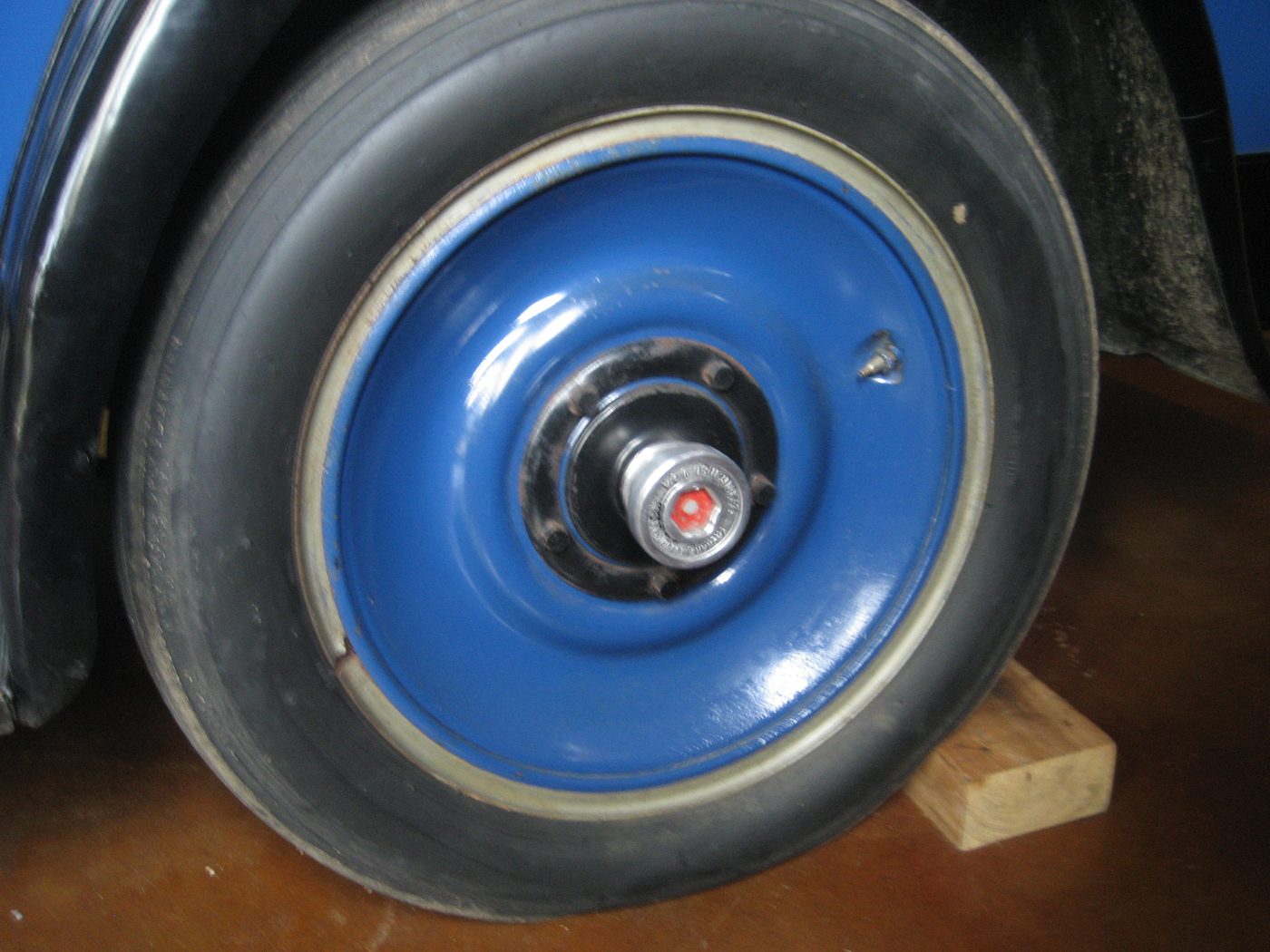
Blue pressed steel wheel on vehicle (Source: Wikimedia Commons)
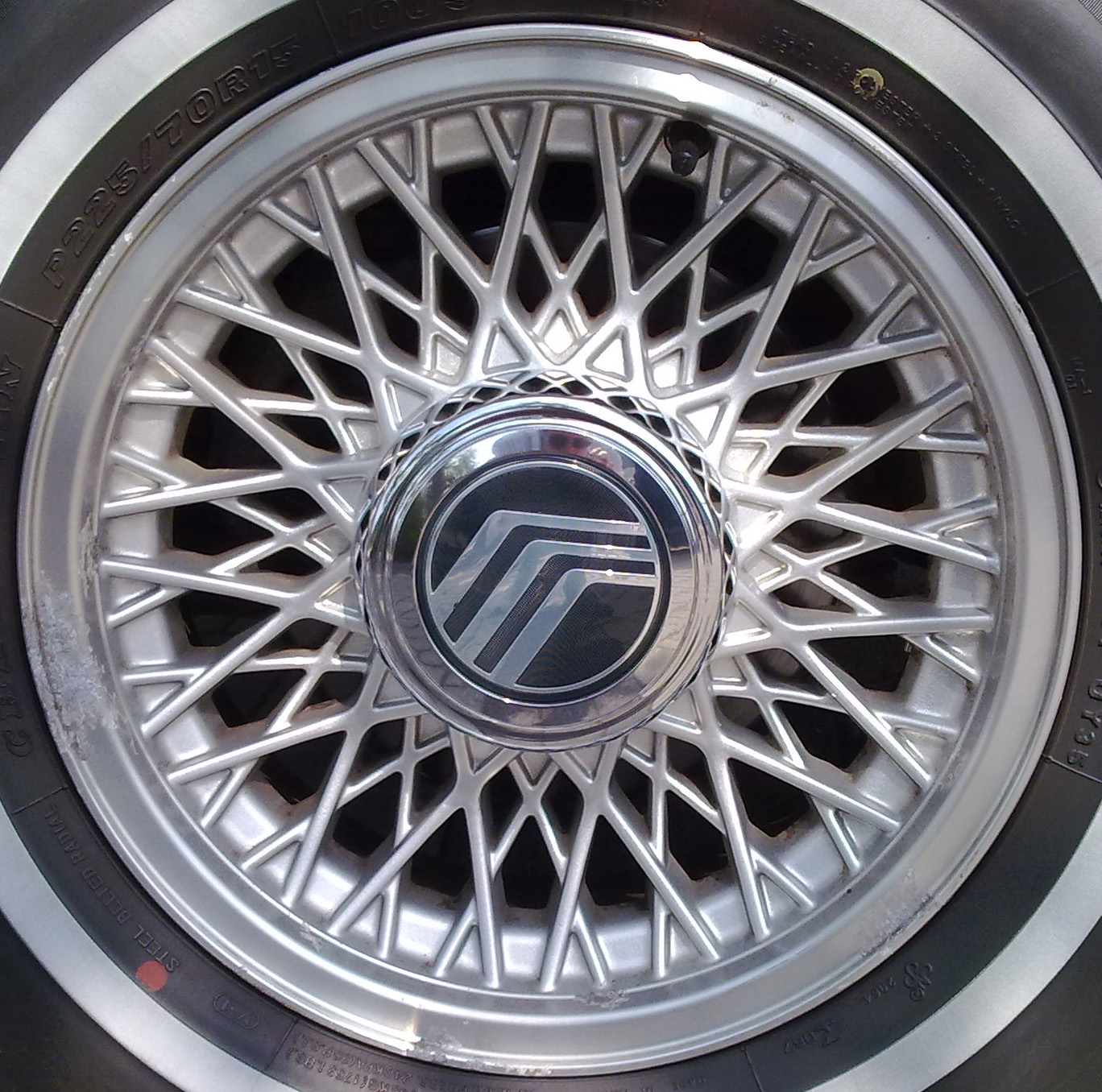
Close-up of a cast alloy wheel (Source: Wikipedia (Alloy wheel))
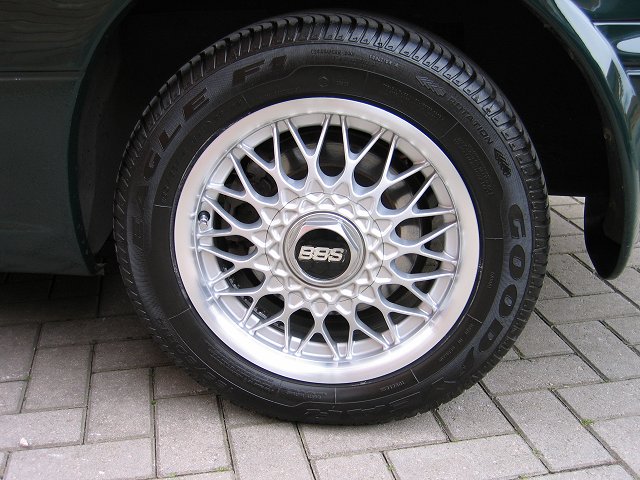
forged alloy wheel on a car (Source: Wikimedia Commons)
Spoked Wheels: Traditional design with spokes connecting the hub and rim, still used in certain motorcycles and vintage vehicles.
Multi-piece Wheels: Constructed from separate rim and hub components bolted together, allowing customization and repair, often used in performance vehicles.
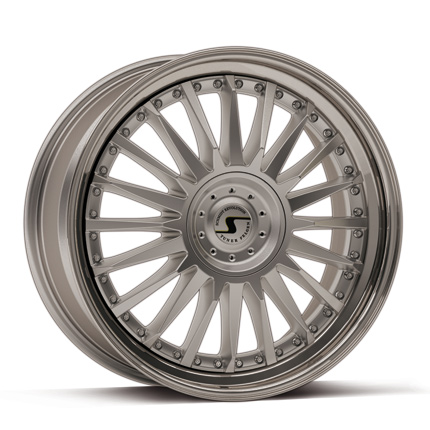
Multi-piece automotive wheel with visible bolts (Source: Wikimedia Commons)
A wheel consists of several key components, each serving a specific function:
Rim: The outermost edge that holds the tyre bead, critical for maintaining tyre air pressure.
Hub: Central part that mounts onto the vehicle axle, transmitting torque to the wheel.
Spokes or Disc: Connect the hub to the rim, providing structural integrity and distributing load stresses.
Flange: Raised edge on the rim that prevents the tyre from slipping off.
Valve Stem: Allows inflation and deflation of the tyre.
Understanding manufacturing aids in quality control and repair decisions:
Tyres are complex assemblies designed to provide traction, absorb shocks, and support vehicle weight. The performance and safety of a vehicle depend heavily on the tyre’s internal structure and materials.
The tread is the outermost rubber layer that contacts the road surface. It is engineered to provide grip, channel water, and resist wear:
The carcass forms the tyre’s skeleton, giving it shape and strength. It consists of layers called plies-made from textile or steel cords embedded in rubber:
The bead is a bundle of high-strength steel wire encased in rubber that anchors the tyre to the wheel rim:
The sidewall connects the tread to the bead and absorbs shocks from road irregularities:
Sidewall Rubber: Formulated for flexibility and resistance to cuts and abrasions.
Markings and Codes: Provide tyre specifications such as load index, speed rating, and manufacture date, vital for maintenance records.
Modern tubeless tyres use an inner liner made of a special rubber compound to retain air pressure:
Create a free account to open more of this chapter.
Free: practical guides, quick cards, workplace scenarios and more.
Create a free accountThis chapter explored the detailed construction and operation of vehicle wheels and tyres, beginning with the fundamental structures of wheels and the essential components of tyres. Various types of wheels were examined, including aluminium, steel, wire spoke, flat base, well base, divided, single piece, two pieces, and three pieces, highlighting their distinct features and applications. The chapter then covered the different types of tyres such as tubed, tubeless-run flat, non-pneumatic, sensor equipped, and self-sealing, explaining their unique characteristics. Classification of tyres into cross ply and radial ply was discussed to clarify their structural differences. The construction of tyres was broken down into beads, carcass, sidewall, tread, and inner liner, illustrating how each part contributes to tyre performance. Tyre specifications such as pressure rating, aspect ratio, width, diameter, speed rating, and load carrying capacity were outlined to aid proper selection and maintenance. The section on tubes detailed sizes, nozzles, and coding, while tools and equipment like digital wheel balancing machines, tread depth gauges, and vulcanising machines were described with their uses and maintenance requirements. Finally, the chapter emphasized the importance of regular inspection and maintenance through tyre condition checks, tread wear analysis, tyre pressure and wheel condition assessments, balancing and alignment checks, and proper repair techniques including puncture repair, wheel balancing, and wheel rotation to ensure vehicle safety and performance.
Type: Individual
| Tools & Equipment | Materials |
|---|---|
| Magnifying glass | Aluminium wheel sample |
| Measuring tape (metric) | Steel wheel sample |
| Pen and notebook | Wire spoke wheel sample |
| Flat base wheel sample | |
| Well base wheel sample | |
| Divided wheel sample | |
| Single piece wheel sample | |
| Two piece wheel sample | |
| Three piece wheel sample | |
| Workshop manual on wheel types |
| S/N | Item | Quantity |
|---|---|---|
| 1 | Aluminium wheel sample | 1 Pc per Candidate |
| 2 | Steel wheel sample | 1 Pc per Candidate |
| 3 | Wire spoke wheel sample | 1 Pc per Candidate |
| 4 | Flat base wheel sample | 1 Pc per Candidate |
| 5 | Well base wheel sample | 1 Pc per Candidate |
| 6 | Divided wheel sample | 1 Pc per Candidate |
| 7 | Single piece wheel sample | 1 Pc per Candidate |
| 8 | Two piece wheel sample | 1 Pc per Candidate |
| 9 | Three piece wheel sample | 1 Pc per Candidate |
| 10 | Workshop manual on wheel types | 1 Pc per Candidate |
| 11 | Pen and notebook | 1 Pc per Candidate |
| 12 | Magnifying glass | 1 Pc per Candidate |
| 13 | Measuring tape (metric) | 1 Pc per Candidate |
| Items to be Evaluated | Marks Available | Marks Obtained | Comments |
|---|---|---|---|
| TASK 1: PPE and Work Preparation | |||
| Wore personal protective equipment: safety boots, overall/dustcoat, and gloves (Award 1 mark for each PPE worn correctly) | 3 | ||
| Prepared and cleaned the working area according to workshop procedures (Award 2 marks or zero) | 2 | ||
| Gathered all required wheel samples, tools, and workshop manual (Award 2 marks or zero) | 2 | ||
| Sub-Total | 7 | ||
| TASK 2: Identification and Description of Wheel Types | |||
| Physically identified aluminium wheel and described its construction and typical applications (Award 4 marks or zero) | 4 | ||
| Physically identified steel wheel and described its construction and typical applications (Award 4 marks or zero) | 4 | ||
| Physically identified wire spoke wheel and described its construction and typical applications (Award 4 marks or zero) | 4 | ||
| Physically identified flat base wheel and described its construction and typical applications (Award 4 marks or zero) | 4 | ||
| Physically identified well base wheel and described its construction and typical applications (Award 4 marks or zero) | 4 | ||
| Physically identified divided wheel and described its construction and typical applications (Award 4 marks or zero) | 4 | ||
| Physically identified single piece wheel and described its construction and typical applications (Award 4 marks or zero) | 4 | ||
| Physically identified two piece wheel and described its construction and typical applications (Award 4 marks or zero) | 4 | ||
| Physically identified three piece wheel and described its construction and typical applications (Award 5 marks or zero) | 5 | ||
| Sub-Total | 37 | ||
| TASK 3: Reporting and Housekeeping | |||
| Recorded observations clearly and accurately in the notebook (Award 3 marks or zero) | 3 | ||
| Carried out housekeeping and cleaned the work area after task completion (Award 3 marks or zero) | 3 | ||
| Sub-Total | 6 | ||
| PRODUCT CHECKLIST | |||
| Correct identification and clear description of all nine wheel types including construction and typical applications (Award 10 marks or zero) | 10 | ||
| Sub-Total | 10 | ||
| GRAND TOTAL | 60 | ||
Type: Individual
| Tools & Equipment | Materials |
|---|---|
| Marker Pen | Tubed Tire |
| Measuring Tape 5m | Tubeless Tire |
| Run Flat Tire | |
| Non-Pneumatic Tire (NPT) | |
| Sensor Equipped Tire | |
| Self-Sealing Tire | |
| Workshop Manual on Vehicle Tires | |
| Inspection Gloves | |
| Safety Boots | |
| Dust Coat Overall | |
| Notepad |
| S/N | Item | Quantity |
|---|---|---|
| 1 | Tubed Tire | 1 Pc per Candidate |
| 2 | Tubeless Tire | 1 Pc per Candidate |
| 3 | Run Flat Tire | 1 Pc per Candidate |
| 4 | Non-Pneumatic Tire (NPT) | 1 Pc per Candidate |
| 5 | Sensor Equipped Tire | 1 Pc per Candidate |
| 6 | Self-Sealing Tire | 1 Pc per Candidate |
| 7 | Workshop Manual on Vehicle Tires | 1 Pc per Candidate |
| 8 | Inspection Gloves | 1 Pair per Candidate |
| 9 | Safety Boots | 1 Pair per Candidate |
| 10 | Dust Coat Overall | 1 Pc per Candidate |
| 11 | Marker Pen | 1 Pc per Candidate |
| 12 | Notepad | 1 Pc per Candidate |
| 13 | Measuring Tape 5m | 1 Pc per Candidate |
| Items to be Evaluated | Marks Available | Marks Obtained | Comments |
|---|---|---|---|
| TASK 1: Preparation and Safety | |||
| Wore personal protective equipment: safety boots, dust coat overall, and gloves (Award 1 mark for each PPE worn correctly) | 3 | ||
| Prepared and organized work area according to workshop safety standards (Award 2 marks or zero) | 2 | ||
| Gathered all required tools and tire samples before starting the inspection (Award 2 marks or zero) | 2 | ||
| Sub-Total | 7 | ||
| TASK 2: Physical Examination and Classification | |||
| Inspected Tubed Tire, identified tube presence and described its function (Award 3 marks or zero) | 3 | ||
| Inspected Tubeless Tire, identified absence of tube and described sealing mechanism (Award 3 marks or zero) | 3 | ||
| Examined Run Flat Tire, described reinforced sidewall features and usage (Award 3 marks or zero) | 3 | ||
| Inspected Non-Pneumatic Tire, described solid or honeycomb structure and benefits (Award 3 marks or zero) | 3 | ||
| Examined Sensor Equipped Tire, identified embedded sensors and explained their purpose (Award 3 marks or zero) | 3 | ||
| Inspected Self-Sealing Tire, described sealant layer and self-repair function (Award 3 marks or zero) | 3 | ||
| Sub-Total | 18 | ||
| TASK 3: Documentation and Reporting | |||
| Measured and recorded key dimensions (e.g., tire diameter, width) for each tire type (Award 4 marks or zero) | 4 | ||
| Described typical applications and advantages for each tire type accurately in the report (Award 4 marks or zero) | 4 | ||
| Used workshop manual to verify tire specifications and included references in notes (Award 3 marks or zero) | 3 | ||
| Maintained neat and legible notes with correct terminology (Award 2 marks or zero) | 2 | ||
| Sub-Total | 13 | ||
| PRODUCT CHECKLIST | |||
| Complete and accurate classification of all six tire types with clear descriptions and correct technical features (Award up to 10 marks based on completeness and accuracy) | 10 | ||
| Accurate measurement records matching actual tire dimensions within ±5mm tolerance (Award 5 marks or zero) | 5 | ||
| Report demonstrates understanding of tire applications and unique features (Award 5 marks or zero) | 5 | ||
| Sub-Total | 20 | ||
| GRAND TOTAL | 58 | ||
At the start of this chapter we promised you would be able to:
Tick each one you can genuinely do.
So, are you there yet?
You're competent when you can confidently do 50% or more of what this chapter promised.
Sign in to record how you're doing.