Vehicle suspension system maintenance is a critical aspect of automotive engineering technology, ensuring safety, comfort, and vehicle control. Proper servicing of suspension components in Kenya’s diverse road conditions, from urban Nairobi streets to rural highways, requires adherence to strict safety protocols. This chapter focuses on the essential safety measures technicians must observe when servicing vehicle suspension systems, protecting both personnel and equipment from injury and damage.
1.1 Suspension Service Safety Measures
Suspension system servicing involves handling heavy, tensioned components and working under vehicles, which poses significant risks. Kenyan automotive workshops, whether in busy city garages or county service centers, must enforce safety standards to prevent accidents. The following topics cover the key safety measures: personal protective equipment, vehicle lifting and supporting, handling suspension springs and shock absorbers, tools and equipment safety, and waste disposal.
1.1.1 Personal Protective Equipment
Personal protective equipment (PPE) is the frontline defense for automotive technicians working on suspension systems. Its proper use reduces the risk of injury from sharp parts, chemical exposure, and mechanical hazards common in Kenyan workshops.
Types of PPE Required for Suspension Service
- Safety goggles protect eyes from flying debris, dust, and fluid splashes encountered when dismantling or cleaning suspension components.
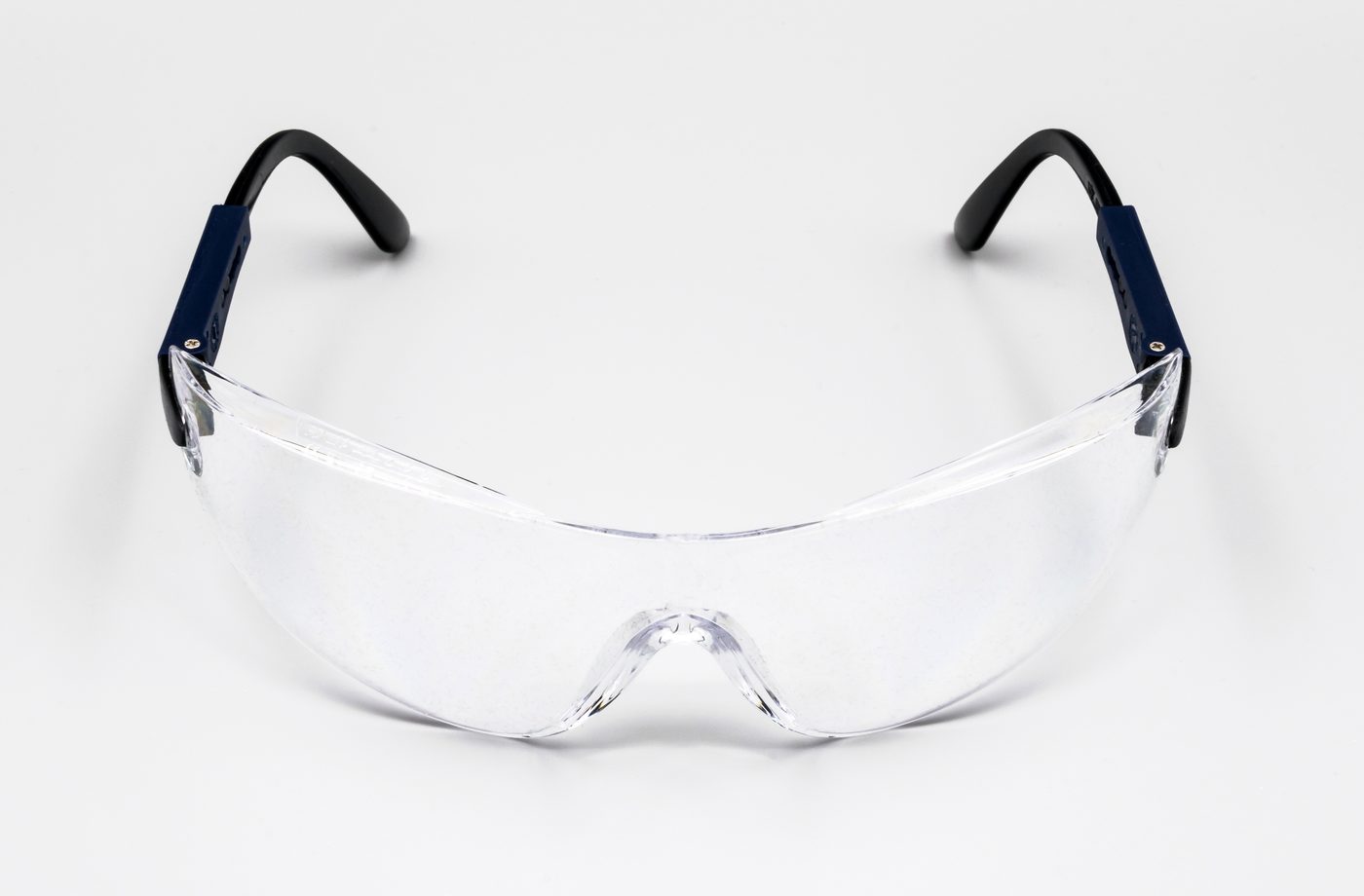
Clear safety goggles for eye protection (Source: Wikimedia Commons)
-
Gloves prevent cuts, abrasions, and chemical burns from oils or solvents used during servicing.
-
Steel-toe boots shield feet from heavy components such as springs or control arms that may fall during removal.
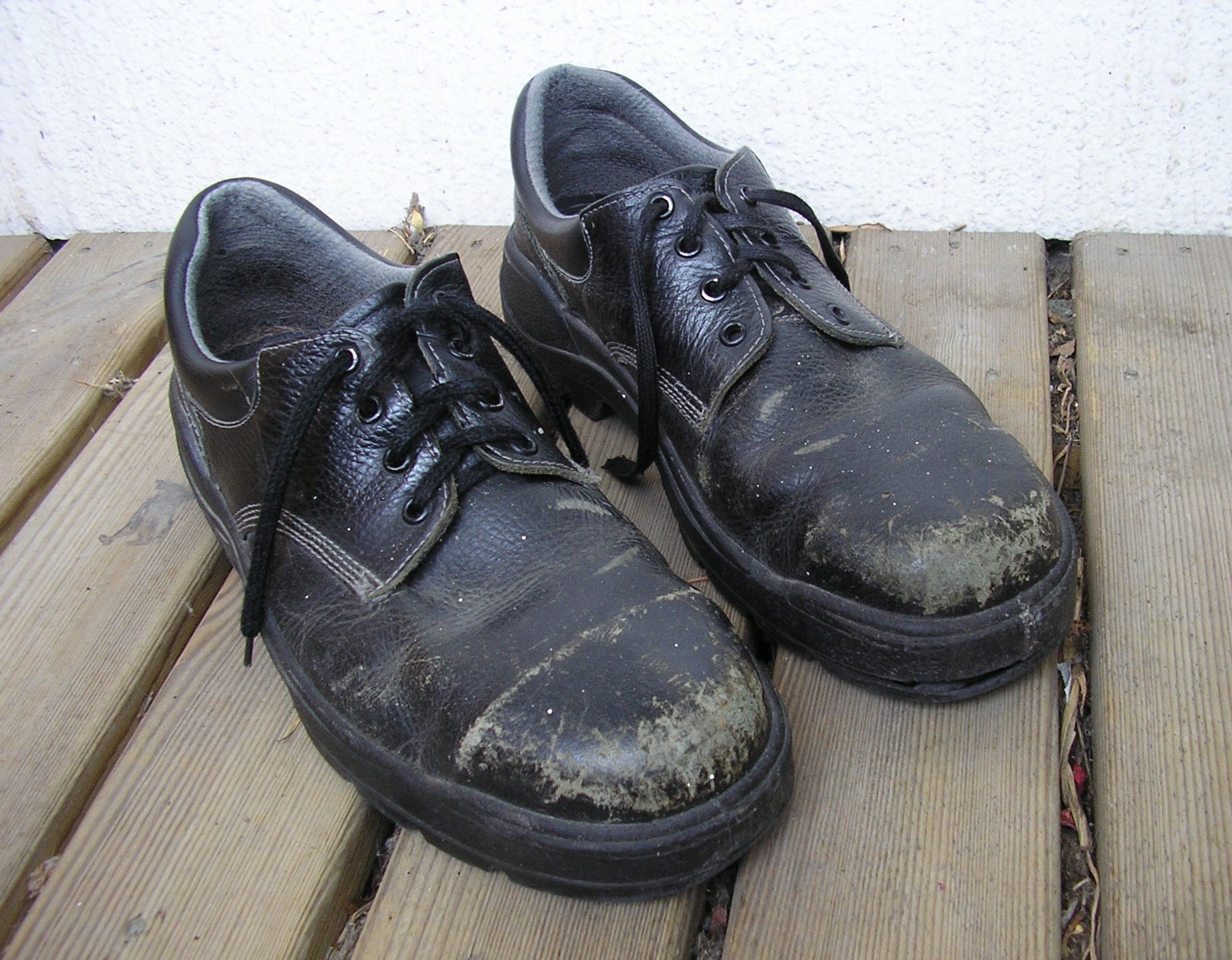
Worn black steel-toe boots on wooden floor (Source: Wikipedia (Steel-toe boot))
- Overalls or protective clothing protect skin and personal clothing from dirt, grease, and sharp edges on suspension parts.
- Hearing protection is necessary when using pneumatic tools or working in noisy environments such as busy garages.
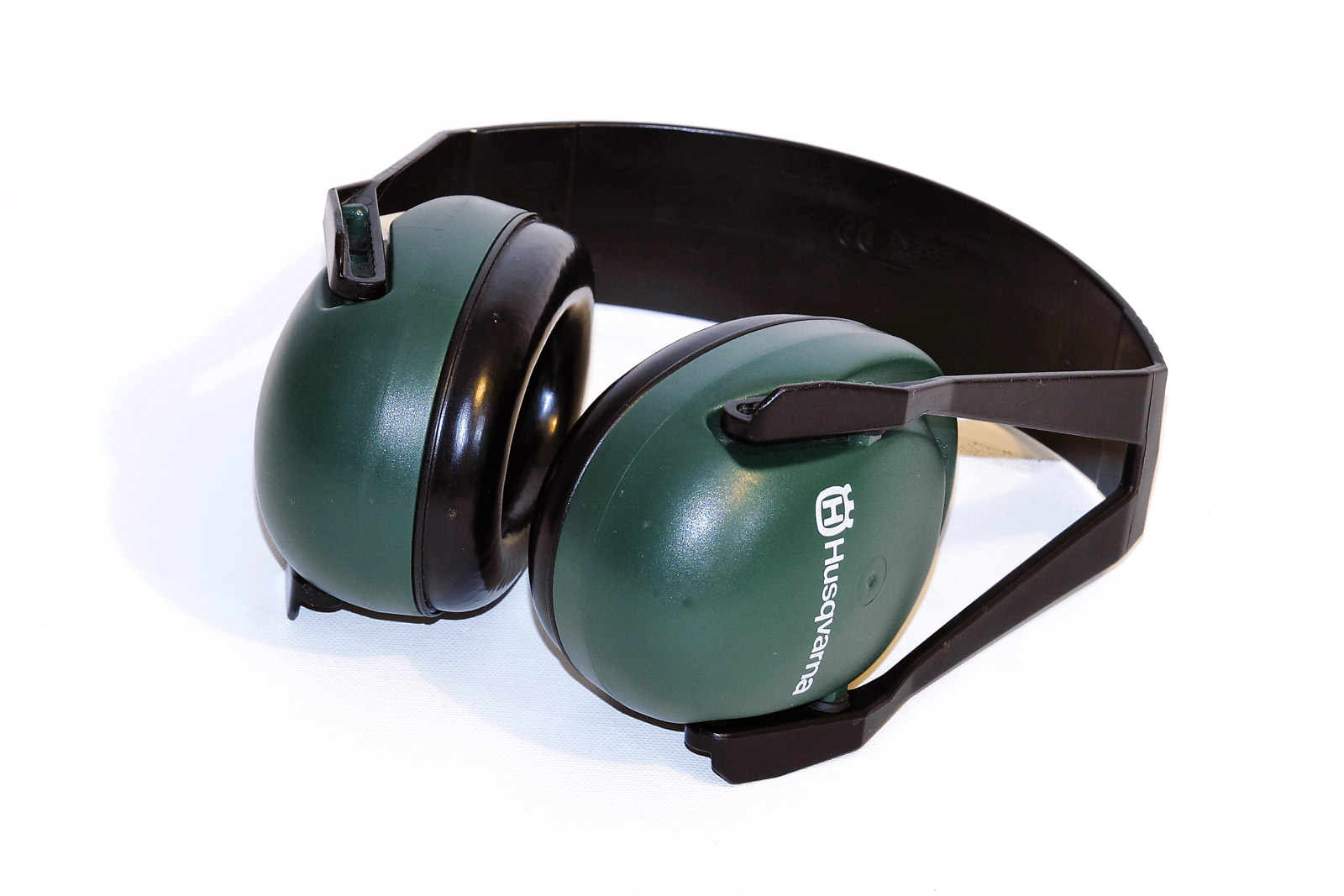
Green Husqvarna hearing protection earmuffs (Source: Wikimedia Commons)
Importance of PPE in Kenyan Workshops
- PPE compliance reduces lost work hours due to injuries, which is critical in Kenya’s competitive automotive service industry.
- Proper PPE use builds customer confidence in the professionalism and safety standards of the workshop.
- PPE minimizes contamination risks when working with hazardous fluids, protecting technicians from long-term health effects.
- It ensures adherence to Kenya’s Occupational Safety and Health Act, which mandates protective gear in hazardous work environments.
- PPE fosters a safety culture that can reduce costly insurance claims and legal liabilities for workshop owners.
Correct Usage and Maintenance of PPE
- Inspect PPE before each use for cracks, tears, or contamination, replacing damaged items immediately.
- Clean goggles and gloves regularly to maintain visibility and hygiene.
- Store PPE in designated clean areas to avoid damage or loss.
- Train all staff on correct PPE donning, doffing, and disposal procedures.
- Enforce mandatory PPE use during all suspension servicing activities to ensure consistent protection.
Challenges in PPE Adoption and Strategies to Overcome Them
- Cost constraints may limit access to high-quality PPE in smaller workshops; sourcing affordable, certified equipment is essential.
- Complacency among experienced technicians can lead to negligence; regular safety briefings and supervision help maintain discipline.
- Heat and discomfort in Kenya’s warm climate discourage PPE use; providing breathable, ergonomic options increases compliance.
- Lack of awareness about PPE benefits requires continuous training and demonstration of injury cases prevented by PPE.
- Improper sizing can reduce effectiveness; ensuring PPE fits all staff members is necessary for protection and comfort.
1.1.2 Vehicle Lifting and Supporting
Lifting a vehicle safely is a prerequisite for suspension maintenance, as technicians often need to access the undercarriage or remove suspension components. Kenya’s automotive workshops use various lifting methods, but all require strict safety protocols to prevent accidents.
Types of Vehicle Lifting Equipment
- Hydraulic floor jacks are common in Kenyan garages for lifting one end of a vehicle quickly but must be used with jack stands.
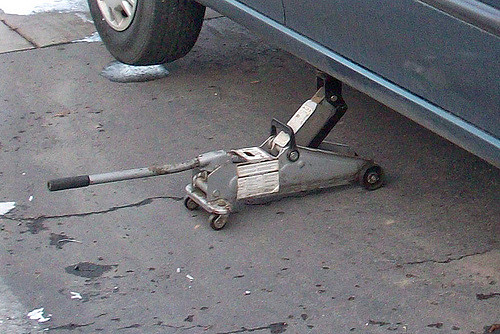
Hydraulic floor jack lifting a car (Source: Wikipedia (Jack (device)))
- Two-post lifts allow full vehicle elevation and are ideal for comprehensive suspension inspections and repairs.
- Four-post lifts provide stable support and are favored in bus and truck service centers for heavy vehicles.
- Scissor lifts occupy less floor space and are useful in smaller workshops.
- Mobile column lifts are used for heavy commercial vehicles, offering flexibility in large service yards.
Proper Procedures for Lifting Vehicles
- Park the vehicle on a flat, stable surface and engage the parking brake.
- Position lifting equipment under manufacturer-recommended lifting points to avoid damage.
- Lift the vehicle slowly and steadily, monitoring for any instability or unusual noises.
- Secure the vehicle with jack stands or lift locks before beginning work underneath.
- Never rely solely on hydraulic jacks as primary support during suspension servicing.
Supporting Vehicles Safely
- Use jack stands rated for the vehicle’s weight; verify load capacity before use.
- Place stands on solid, level ground to prevent sinking or tipping.
- Double-check vehicle stability by gently rocking it after support placement.
- Avoid placing hands or feet under unsupported sections during lifting.
- Regularly inspect lifting equipment for wear, hydraulic leaks, or structural damage.
Risks and Mitigation in Vehicle Lifting
- Equipment failure can cause sudden vehicle drop; routine maintenance and inspection reduce this risk.
- Incorrect lifting point selection may damage vehicle or cause instability; technicians must be trained and refer to vehicle manuals.
- Overloading lifting devices beyond their rated capacity risks collapse; always verify vehicle weight.
- Improper ground conditions such as soft or uneven floors can destabilize supports; use steel plates if necessary.
- Human error including rushing or distraction is common; enforced safety checklists and supervision help prevent accidents.
1.1.3 Handling Suspension Springs and Shock Absorbers
Suspension springs and shock absorbers are under tension or pressure, presenting injury hazards if not handled correctly. Kenyan technicians must understand the correct techniques and safety equipment needed for these components.
Characteristics of Suspension Springs and Associated Hazards
- Springs store mechanical energy and can release it suddenly if released improperly.
- Coil springs are common and require spring compressors for safe removal and installation.
- Leaf springs, found in trucks and some SUVs, are heavy and require careful handling to avoid crushing injuries.
- Torsion bars also store energy and need special tools for adjustment.
- Improper handling can cause serious injuries such as lacerations, fractures, or eye damage.
Safe Use of Spring Compressors
- Select the correct size and type of compressor for the spring being serviced.
- Inspect compressors for wear, cracks, or deformed parts before use.
- Position compressors symmetrically on the spring to distribute load evenly.
- Tighten compressors gradually and evenly to compress the spring slowly.
- Never remove compressors until the spring is fully secured in the vehicle’s suspension.
Handling Shock Absorbers Safely
- Shock absorbers contain pressurized gas or oil; avoid puncturing or applying excessive force.
- Use appropriate tools to remove and install shock absorbers without damaging mounts.
- Dispose of leaking or damaged shock absorbers according to hazardous waste protocols.
- Wear gloves and goggles during handling to protect against fluid leaks.
- Follow vehicle manufacturer instructions for torque settings on shock absorber fasteners.
Common Mistakes and Precautions
- Removing springs without compressors leads to uncontrolled release of tension.
- Using damaged or incorrect compressors increases risk of tool failure.
- Ignoring manufacturer torque specifications can cause premature component failure.
- Failure to support the vehicle properly while removing springs can cause vehicle to fall.
- Disposing of used shock absorbers in general waste causes environmental contamination.
1.1.4 Tools and Equipment Safety
Proper use and maintenance of tools and equipment used in suspension servicing are crucial to ensure technician safety and job quality. Kenyan workshops vary in available tools but must uphold universal safety standards.
Common Tools Used in Suspension Servicing
- Wrenches and socket sets for removing fasteners.
- Spring compressors for coil spring handling.
- Hydraulic jacks and stands for vehicle lifting.
- Impact guns and pneumatic tools for fastener removal.
- Measuring tools such as camber gauges and dial indicators.
Safe Tool Usage Practices
- Select the right tool for the job to avoid damage and injury.
- Inspect tools before use for cracks, wear, or defects.
- Use tools according to manufacturer instructions and recommended torque values.
- Keep tools clean and dry to maintain grip and prevent slips.
- Store tools in designated places to avoid tripping hazards and damage.
Equipment Maintenance and Inspection
- Regularly lubricate moving parts of tools to prevent seizure.
- Replace worn or damaged sockets and wrench heads promptly.
- Calibrate measuring instruments periodically to ensure accuracy.
- Check hydraulic jacks for fluid leaks and pressure loss.
- Maintain pneumatic tools by checking air pressure and cleaning filters.
Risks Associated with Improper Tool Use
- Using worn tools can cause rounding of fasteners, leading to difficult removal.
- Applying excessive force risks tool breakage and personal injury.
- Poorly maintained tools may fail unexpectedly during use.
- Incorrect tool selection may damage suspension components.
- Neglected calibration of measuring tools results in improper alignment and unsafe vehicle handling.
1.1.5 Waste Disposal
Proper disposal of waste generated during suspension servicing protects the environment and complies with Kenyan regulations. Workshops must manage hazardous and non-hazardous waste responsibly.
Types of Waste from Suspension Service
- Used oils and hydraulic fluids from shock absorbers.
- Old or damaged suspension components such as springs and bushings.
- Cleaning solvents and degreasers.
- Packaging materials from new parts.
- Absorbent materials used for spill cleanup.
Environmental Impact of Improper Disposal
- Contamination of soil and groundwater with toxic chemicals harms ecosystems and human health.
- Illegal dumping can lead to fines and sanctions under Kenya’s Environmental Management and Coordination Act.
- Air pollution from burning hazardous waste contributes to respiratory diseases.
- Accumulation of waste in workshops creates fire hazards.
- Negative public perception of workshops that disregard environmental safety.
Waste Management Practices in Kenyan Workshops
- Segregate hazardous and non-hazardous waste at the source.
- Store used oils and fluids in sealed containers labeled with contents.
- Arrange for licensed waste collectors to dispose of hazardous waste safely.
- Recycle metal components where possible to reduce landfill use.
- Train staff on waste handling protocols to ensure compliance.
Legal Requirements and Compliance
- Comply with regulations from the National Environment Management Authority (NEMA) on waste disposal.
- Maintain records of hazardous waste generation and disposal.
- Use only authorized disposal facilities for oils and chemicals.
- Ensure workshop permits are current and reflect waste management practices.
- Participate in environmental audits and implement corrective actions as required.
Practice Questions
- Explain the importance of personal protective equipment when servicing vehicle suspension systems. (6 marks)
- Describe the correct procedure for safely lifting and supporting a vehicle before suspension maintenance. (8 marks)
- Discuss the hazards associated with handling suspension springs and how spring compressors mitigate these risks. (7 marks)
- Identify five safety practices for the use and maintenance of tools in suspension servicing. (5 marks)
- Outline the environmental and legal implications of improper waste disposal in automotive workshops. (6 marks)
The rest of this chapter
🔒Create a free account to open more of this chapter.
Free: practical guides, quick cards, workplace scenarios and more.
Create a free account 🔒1.2 Suspension system construction and operation
Vehicle suspension systems are vital for ensuring ride comfort, vehicle stability, and handling performance. In Kenya, where road conditions vary widely from well-maintained highways to rough rural roads, the suspension system must be robust and well-maintaine…
🔒1.3 Types of Suspension System
Vehicle suspension systems are critical for ensuring ride comfort, vehicle stability, and handling performance. In the Kenyan automotive industry, understanding various suspension types helps technicians diagnose issues and recommend appropriate maintenance or…
🔒1.4 Suspension System Components Diagnosis
In the Kenyan automotive service industry, precise diagnosis of suspension system components is crucial for ensuring vehicle safety, ride comfort, and handling performance. Suspension systems absorb road shocks and maintain tire contact with the road surface,…
🔒1.5 Tools, Equipment and Materials Required
In the maintenance of vehicle suspension systems, having the correct tools, equipment, and materials is fundamental for effective service delivery. In Kenya, automotive workshops servicing vehicles for public transport operators, commercial fleets, and private…
🔒1.6 Suspension system components inspection
In the Kenyan automotive industry, thorough inspection of suspension system components is critical for vehicle safety, ride quality, and handling performance. Technicians working in garages, vehicle inspection centers, or fleet maintenance at institutions such…
🔒1.7 Suspension system components cleaning, service/replacement and assembly
Maintaining the suspension system components is essential for vehicle safety, ride comfort, and handling precision. In Kenya's diverse driving conditions, from urban Nairobi roads to rural gravel paths, proper cleaning, servicing, and timely replacement of sus…
🔒1.8 Suspension System Reinstallation Checks
Reinstalling a vehicle suspension system is a critical phase in automotive maintenance, particularly for technicians servicing vehicles in Kenya's diverse driving conditions. Proper reinstallation ensures safety, ride comfort, and optimal vehicle handling. Giv…
🔒1.9 Suspension System Service Documentation
Service documentation is a critical aspect of vehicle suspension system maintenance that ensures accurate records of inspections, repairs, and replacements are maintained. In Kenya's automotive industry, proper documentation supports quality control, regulator…
Chapter Summary
This chapter provides a comprehensive overview of servicing vehicle suspension systems, beginning with essential safety measures such as the use of personal protective equipment, proper vehicle lifting and support, careful handling of suspension springs and shock absorbers, safe use of tools, and responsible waste disposal. It then explores the construction and operation of suspension systems, detailing the key components and their functional principles. Various types of suspension systems are examined, including non-independent, independent front and rear, hydrolastic, hydra gas, hydro pneumatic, and air suspension. The chapter discusses methods for diagnosing faults in suspension components such as springs, shock absorbers, control arm bushings, ball joints, stabilizer links, alignment issues, torsion bars, and air suspension leaks. It highlights the tools, equipment, and materials required for maintenance, emphasizing their proper use and upkeep. Inspection criteria for suspension components cover serviceability, tolerances, leakage, wear, corrosion, and damage to ensure reliable performance. Procedures for cleaning, servicing, replacing, and assembling parts like seals, shims, fittings, fasteners, bushes, and springs are outlined in detail. Finally, the chapter addresses reinstallation checks focusing on alignment, torque specifications, correct positioning of springs and shock absorbers, inspection of bushes and joints, and performance adjustments, concluding with guidance on documenting the suspension system’s condition and service history.
Self-Assessment
🔒 PDFDownload this self-assessment, with answers
A. Written Assessment
- Which personal protective equipment is essential when servicing vehicle suspension systems? (2 marks)
- Describe the correct procedure for safely lifting and supporting a vehicle during suspension maintenance. (3 marks)
🔒20 more in this section.
Chapter Examination Questions
🔒 PDFDownload these examination questions, with worked answers
SECTION A (40 Marks) - Answer ALL Questions
- Explain the importance of using personal protective equipment (PPE) when servicing vehicle suspension systems at a Nairobi County government workshop. (4 marks)
- Describe the correct procedure for lifting and supporting a vehicle safely before suspension system maintenance. (4 marks)
🔒18 more in this section.
Chapter Practical Activities
Practical 1: Safe Vehicle Lifting and Support for Suspension Maintenance
Automotive Engineering Technology · Level 5
Vehicle Suspension And Steering System Maintenance
PRACTICAL ASSESSMENT
TIME: 4 HOURS
⬇ PDFCandidate Instructions (Candidate Tool)
Type: Individual
INSTRUCTIONS TO CANDIDATE:
1. You are required to perform the following task:
i. Safely lift and support a vehicle on level ground using a hydraulic floor jack and jack stands to prepare for coil spring suspension service as per the workshop manual.
2. You have been provided with the following resources for the practical task:
| Tools & Equipment | Materials |
|---|
| Hydraulic floor jack 2-ton capacity | Cleaning cloths and degreaser |
| Jack stands adjustable 500-700 mm height | Safety boots |
| Wheel chocks rubber | Overall/dustcoat |
| Socket wrench set | Hand gloves |
| Torque wrench 50-250 Nm | Safety glasses |
⬇ PDFResources Required (Cutting List)
| S/N | Item | Quantity |
|---|
| 1 | Vehicle fitted with coil spring suspension system | 1 Pc per Candidate |
| 2 | Workshop manual for the vehicle | 1 Pc per Candidate |
| 3 | Hydraulic floor jack 2-ton capacity | 1 Pc per Candidate |
| 4 | Jack stands adjustable 500-700 mm height | 4 Pcs per Candidate |
| 5 | Wheel chocks rubber | 4 Pcs per Candidate |
| 6 | Socket wrench set | 1 Set per Candidate |
| 7 | Torque wrench 50-250 Nm | 1 Pc per Candidate |
| 8 | Safety boots | 1 Pair per Candidate |
| 9 | Overall/dustcoat | 1 Pc per Candidate |
| 10 | Hand gloves | 1 Pair per Candidate |
| 11 | Safety glasses | 1 Pair per Candidate |
| 12 | Cleaning cloths and degreaser | Sufficient per Candidate |
⬇ PDFAssessor Guide
| Items to be Evaluated | Marks Available | Marks Obtained | Comments |
|---|
| TASK 1: Preparation and PPE |
Wore personal protective equipment: safety boots, overall/dustcoat, hand gloves, safety glasses
(Award 1 mark for each PPE worn correctly) | 4 | | |
Prepared the work area by cleaning and removing hazards
(Award 1 mark or zero) | 1 | | |
Checked and confirmed vehicle is parked on level ground
(Award 2 marks or zero) | 2 | | |
Chocked vehicle wheels to prevent movement
(Award 2 marks or zero) | 2 | | |
| Sub-Total | 9 | | |
| TASK 2: Vehicle Lifting and Support |
Loosened wheel nuts slightly before lifting
(Award 1 mark or zero) | 1 | | |
Positioned hydraulic floor jack at manufacturer recommended lifting point
(Award 2 marks or zero) | 2 | | |
Lifted vehicle smoothly to required height following workshop manual
(Award 2 marks or zero) | 2 | | |
Placed jack stands under designated support points and lowered vehicle onto stands safely
(Award 3 marks or zero) | 3 | | |
Ensured jack stands are stable and vehicle is securely supported
(Award 2 marks or zero) | 2 | | |
| Sub-Total | 10 | | |
| TASK 3: Wheel and Suspension Preparation |
Removed wheel nuts and wheel using correct tools
(Award 1 mark for correct tool use, 1 mark for wheel removal) | 2 | | |
Inspected suspension mounting points and surrounding area for safety
(Award 2 marks or zero) | 2 | | |
Cleaned suspension area with degreaser and cloth
(Award 1 mark or zero) | 1 | | |
| Sub-Total | 5 | | |
| TASK 4: Post-Service Procedures |
Re-fitted wheel and hand-tightened wheel nuts
(Award 2 marks or zero) | 2 | | |
Removed jack stands and lowered vehicle safely to ground
(Award 2 marks or zero) | 2 | | |
Tightened wheel nuts to specified torque using torque wrench
(Award 2 marks or zero) | 2 | | |
Removed wheel chocks and cleared work area
(Award 1 mark or zero) | 1 | | |
Conducted a visual safety check of the vehicle after lowering
(Award 1 mark or zero) | 1 | | |
| Sub-Total | 8 | | |
| PRODUCT CHECKLIST |
Vehicle is safely and securely supported on jack stands with no movement
(Award 3 marks or zero) | 3 | | |
Wheel nuts are tightened to manufacturer’s specified torque
(Award 3 marks or zero) | 3 | | |
Work area is clean and free of hazards after task completion
(Award 2 marks or zero) | 2 | | |
| Sub-Total | 8 | | |
| GRAND TOTAL | 40 | | |
ASSESSMENT OUTCOME: ☐ Competent ☐ Not Yet Competent (competent if at least 50%)
Practical 2: Removal of Suspension Springs and Shock Absorbers from a Vehicle
Automotive Engineering Technology · Level 5
Vehicle Suspension And Steering System Maintenance
PRACTICAL ASSESSMENT
TIME: 5 HOURS
⬇ PDFCandidate Instructions (Candidate Tool)
Type: Individual
INSTRUCTIONS TO CANDIDATE:
1. You are required to perform the following task:
i. Safely remove and dismantle the front suspension coil spring and shock absorber assembly from the vehicle as per the workshop manual.
2. You have been provided with the following resources for the practical task:
| Tools & Equipment | Materials |
|---|
| Tool box | Replacement suspension bushings |
| Spring compressor | Cleaning cloths and degreaser |
| Hydraulic jack | Trash bin or container |
| Jack stands | |
| Wheel chocks | |
| Socket set with ratchet and spanners | |
| Pliers | |
| Hammer | |
| Wire brush | |
| Grease gun | |
⬇ PDFResources Required (Cutting List)
| S/N | Item | Quantity |
|---|
| 1 | Light-duty pickup truck fitted with coil spring and shock absorber suspension system | 1 Pc per Candidate |
| 2 | Workshop manual for the vehicle model | 1 Pc per Candidate |
| 3 | Tool box | 1 Pc per Candidate |
| 4 | Spring compressor | 1 Pc per Candidate |
| 5 | Hydraulic jack | 1 Pc per Candidate |
| 6 | Jack stands | 4 Pcs per Candidate |
| 7 | Wheel chocks | 4 Pcs per Candidate |
| 8 | Socket set with ratchet and spanners | 1 set per Candidate |
| 9 | Pliers | 1 Pc per Candidate |
| 10 | Hammer | 1 Pc per Candidate |
| 11 | Wire brush | 1 Pc per Candidate |
| 12 | Cleaning cloths and degreaser | Sufficient per Candidate |
| 13 | Replacement suspension bushings | Set per Candidate |
| 14 | Grease gun with grease | 1 Pc per Candidate |
| 15 | Safety boots | 1 Pair per Candidate |
| 16 | Overall/dustcoat | 1 Pc per Candidate |
| 17 | Safety gloves | 1 Pair per Candidate |
| 18 | Safety glasses | 1 Pair per Candidate |
| 19 | Trash bin or container | 1 Pc per Candidate |
⬇ PDFAssessor Guide
| Items to be Evaluated | Marks Available | Marks Obtained | Comments |
|---|
| TASK 1: Preparation and Safety |
Wore all required personal protective equipment (safety boots, overall/dustcoat, gloves, safety glasses)
(Award 1 mark for each PPE worn correctly) | 4 | | |
Parked the vehicle on a flat surface and chocked the wheels securely
(Award 2 marks or zero) | 2 | | |
Loosened the wheel nuts slightly before lifting
(Award 1 mark or zero) | 1 | | |
Lifted the vehicle safely using hydraulic jack and secured it with jack stands
(Award 3 marks or zero) | 3 | | |
Removed the wheel and tyre assembly safely
(Award 2 marks or zero) | 2 | | |
| Sub-Total | 12 | | |
| TASK 2: Suspension Component Removal |
Inspected coil spring rubber bushes for damage as per workshop manual
(Award 2 marks or zero) | 2 | | |
Compressed the coil spring safely using a spring compressor
(Award 3 marks or zero) | 3 | | |
Loosened and removed bolts from lower control arm and radius arm
(Award 2 marks or zero) | 2 | | |
Loosened bolts of upper control arm gently while monitoring coil spring tension
(Award 2 marks or zero) | 2 | | |
Removed the coil spring safely from the vehicle
(Award 2 marks or zero) | 2 | | |
Removed the shock absorber from the vehicle
(Award 2 marks or zero) | 2 | | |
| Sub-Total | 13 | | |
| TASK 3: Inspection, Cleaning and Replacement |
Inspected coil spring rubber bushes and suspension mounting points for wear and damage
(Award 3 marks or zero) | 3 | | |
Cleaned the rubber bush seats and suspension components using wire brush and degreaser
(Award 2 marks or zero) | 2 | | |
Replaced any damaged rubber bushes with new ones as per workshop manual
(Award 3 marks or zero) | 3 | | |
| Sub-Total | 8 | | |
| TASK 4: Reassembly Preparation and Housekeeping |
Followed all safety protocols throughout the process
(Award 2 marks or zero) | 2 | | |
Disposed of waste materials properly in trash bin or container
(Award 1 mark or zero) | 1 | | |
Cleaned and organized the work area after task completion
(Award 1 mark or zero) | 1 | | |
| Sub-Total | 4 | | |
| PRODUCT CHECKLIST |
Coil spring and shock absorber removed without damage to components or vehicle
(Award 5 marks or zero) | 5 | | |
Rubber bushes inspected and replaced correctly where necessary
(Award 4 marks or zero) | 4 | | |
Work area cleaned and tools returned to proper storage
(Award 2 marks or zero) | 2 | | |
| Sub-Total | 11 | | |
| GRAND TOTAL | 48 | | |
ASSESSMENT OUTCOME: ☐ Competent ☐ Not Yet Competent (competent if at least 50%)
🔒Identification and Explanation of Vehicle Suspension System Types and ComponentsPractical 3
🔒Diagnosis of Suspension Springs and Shock AbsorbersPractical 4
🔒Inspection and Diagnosis of Control Arm Bushings and Ball JointsPractical 5
🔒Inspection and Diagnosis of Stabilizer Links and Torsion BarsPractical 6
🔒Detection and Repair of Air Suspension System Leaks on a Commercial VehiclePractical 7
🔒Inspection of Vehicle Suspension System Components for Wear, Corrosion, and DamagePractical 8
🔒Cleaning and Servicing Seals, Shims, Fittings, and Fasteners on Vehicle Suspension ComponentsPractical 9
🔒Replacement and assembly of suspension bushes and springs on a vehicle suspension systemPractical 10
🔒Perform Reinstallation Checks on Vehicle Suspension System including Alignment and Torque SettingsPractical 11
🔒Inspection of Bushes and Joints After Suspension System ReassemblyPractical 12
🔒Performance Checks and Adjustments of Vehicle Suspension SystemPractical 13
🔒Proper Disposal of Suspension Service Waste MaterialsPractical 14
🔒Documentation of Vehicle Suspension System Service and Condition ReportPractical 15
