
Vehicle braking system diagnostics is a critical skill for maintaining safety and operational efficiency in any vehicle-dependent organization. Whether managing vehicle fleets for a county government, transporting goods on farms, or running shuttle services for a hotel, professionals must accurately diagnose braking issues to prevent accidents and costly downtime. This chapter presents essential safety measures and procedures to carry out effective brake system diagnostics, ensuring reliability and compliance in diverse Kenyan work environments.
Performing diagnostics on a vehicle’s braking system involves inherent risks due to moving parts, toxic fluids, and potential mechanical failures. Safety precautions must be strictly observed to protect personnel, prevent vehicle damage, and maintain a safe working environment. This section outlines personal protective equipment, vehicle safety, handling of brake fluid, tool safety, work area organization, vehicle testing, and emergency responses.
Personal protective equipment (PPE) is fundamental to protect technicians from hazards encountered during brake system diagnostics. Understanding the types and correct usage of PPE reduces the risk of injury and contamination.

Pair of yellow work gloves used in carpentry (Source: Wikimedia Commons)
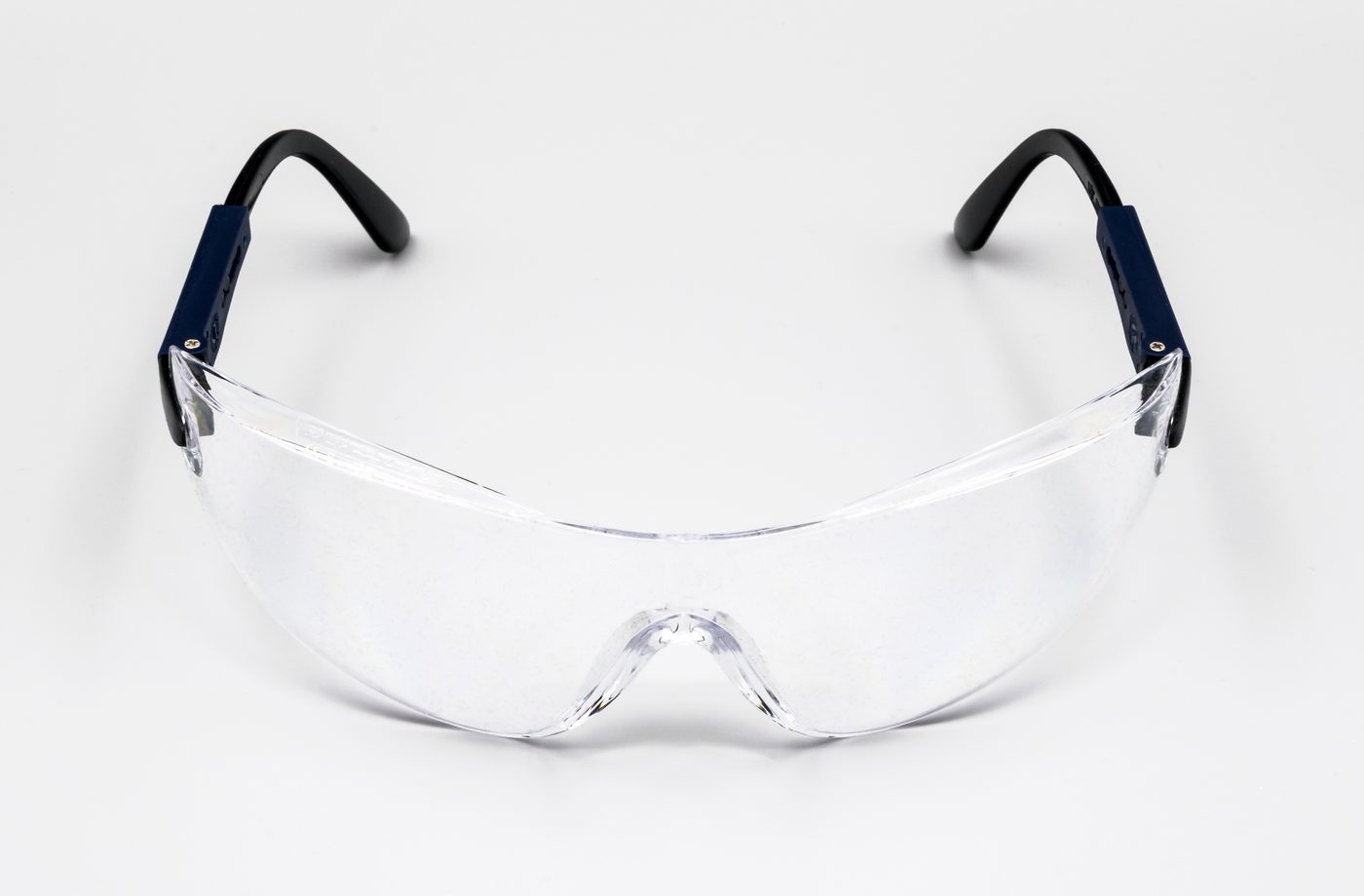
Clear safety goggles for eye protection (Source: Wikimedia Commons)
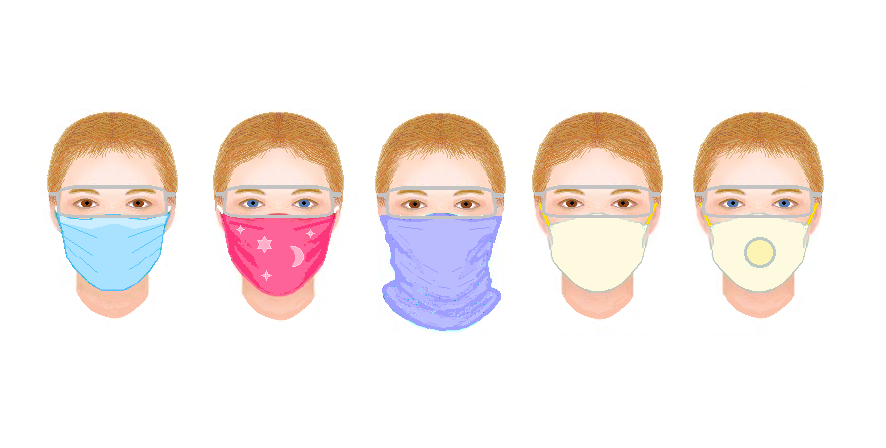
Various types of respiratory masks on faces (Source: Wikimedia Commons)
Proper donning and doffing of PPE minimize cross-contamination risks. For example, gloves must be replaced immediately if torn or contaminated. Safety goggles should be cleaned regularly and stored safely to maintain visibility. In a county hospital vehicle maintenance workshop, adherence to PPE protocols reduced incidents of chemical burns and respiratory issues among technicians.
Using PPE consistently not only protects individuals but also upholds organizational health and safety standards. At a Nairobi-based SACCO with a fleet of delivery vehicles, enforcing PPE use reduced sick leave caused by workplace injuries, thus improving operational efficiency and staff morale.
Regular training programs ensure that all staff understand the risks and proper PPE usage. In a university motor pool, monthly safety briefings have been effective in sustaining high compliance rates with PPE policies.
Kenya’s Occupational Safety and Health Act mandates employers to provide adequate PPE and ensure its use. Compliance protects the organization from legal liabilities and promotes a safety culture.
Vehicle safety precautions during braking system diagnostics prevent accidents and damage to both the vehicle and the technician. These measures include immobilization, stabilization, and hazard identification.
Before starting diagnostics, the vehicle must be immobilized using the handbrake and wheel chocks to prevent unintended movement. For instance, a cooperative managing transport for coffee farmers uses wheel chocks when testing brakes on uneven terrain to avoid rollaways.
Positioning the vehicle on a level surface reduces the risk of vehicle shifting during brake testing. At a county government transport yard, technicians ensure all vehicles are parked on flat concrete pads before brake inspections.
Technicians must identify any hazards such as leaking fluids or worn components before starting work. Communicating these risks to all personnel in the workshop, as practiced at a retail logistics company, prevents accidental exposure or injury.
When lifting the vehicle, proper jacks and stands rated for the vehicle’s weight should be used. A hotel fleet maintenance team uses hydraulic lifts and safety stands to securely support vehicles during brake pad replacement.
Disconnecting the battery or ensuring the ignition is off prevents accidental engine starts or electrical shorts during diagnostics. This is a standard procedure at a university transport department to avoid injury or damage to vehicle electronics.
Brake fluid is a hazardous substance that requires careful handling to avoid health risks and maintain system integrity. Understanding its properties and safe management practices is essential.
Brake fluid is hygroscopic, meaning it absorbs moisture from the air, which can reduce braking efficiency and corrode system components. It is also toxic and corrosive to skin and painted surfaces, necessitating caution.
Brake fluid should be stored in tightly sealed containers away from heat and moisture. In a Nairobi-based agricultural cooperative, technicians use sealed syringes to dispense fluid, minimizing exposure and contamination.
Spills must be cleaned immediately using absorbent materials and disposed of according to environmental regulations. At a county hospital’s vehicle workshop, contaminated rags are collected in designated hazardous waste bins to prevent environmental contamination.
Contaminants such as dirt or water compromise brake fluid performance. Using clean funnels and replacing fluid regularly, as practiced by a retail company’s fleet service team, prevents system failures.
Wearing gloves and goggles prevents skin and eye contact. A hotel maintenance department enforces strict PPE use when changing brake fluid to protect their technicians.
Tools used in brake diagnostics must be handled and maintained properly to ensure technician safety and accuracy of diagnostics.
Using the correct tools, such as brake caliper piston compressors or brake bleeder kits, prevents damage to components and injury. A SACCO fleet maintenance unit stocks dedicated brake tools to avoid improvisation.
Regular inspection for wear, rust, or damage ensures tools are safe and effective. A university motor pool implements a monthly tool inspection schedule to maintain operational readiness.
Technicians must be trained in correct tool handling to avoid slips or breakages. For example, incorrect use of wrenches can strip bolts, causing delays and safety hazards.
Tools should be stored in designated areas to prevent loss or damage. A county government workshop uses shadow boards to keep tools organized and easily accessible.
When using electrical diagnostic equipment, technicians must ensure cables are intact and avoid wet environments to prevent shocks. A retail business with vehicle service facilities mandates regular electrical safety checks.
A well-organized work area enhances safety and efficiency during brake system diagnostics by minimizing hazards and facilitating smooth workflow.
Keeping the workshop clean reduces slip and trip hazards. For instance, a hotel maintenance team schedules daily clean-ups to remove oil spills and debris.
Good lighting allows clear visibility of brake components, while ventilation prevents accumulation of harmful fumes. At a county hospital, bright LED lighting and exhaust fans create a safe diagnostic environment.
Separating areas for brake fluid storage and waste disposal limits contamination risks. A university workshop clearly marks these zones with signage.
Organized storage of tools and dismantled parts prevents loss and reduces search time. A retail logistics workshop uses labeled bins for brake components.
Ensuring unobstructed pathways allows quick evacuation in emergencies. A farm vehicle maintenance yard maintains clear routes as per safety regulations.
Testing the braking system after diagnostics confirms the effectiveness of repairs and identifies any remaining issues before returning the vehicle to service.
Before testing, technicians verify that all components are correctly installed and that fluid levels meet specifications. A county government fleet technician checks brake pad thickness and fluid reservoirs.
Performing tests such as the handbrake engagement and brake pedal feel checks while the vehicle is stationary detects initial faults. For example, at a Nairobi retail company, these tests are standard before road tests.
Conducting controlled road tests at low speeds assesses braking response and pedal behavior. A university transport unit uses a closed parking lot for safe dynamic testing.
Using instruments like a brake force gauge quantifies braking efficiency. A SACCO fleet service uses such devices to maintain compliance with safety standards.
Documenting test outcomes supports maintenance records and informs future diagnostics. A hospital vehicle workshop keeps detailed logs for audit purposes.
Preparedness for emergencies during brake system diagnostics minimizes injury and damage when incidents occur.
Immediate containment and cleanup prevent slips and environmental hazards. At a county hospital, spill kits are readily available and staff trained in their use.
Brake fluid is flammable; technicians must know fire extinguisher locations and use appropriate extinguishers such as foam or dry powder. A university workshop conducts fire drills to reinforce readiness.
Knowledge of first aid measures, including eye washing and skin decontamination, is essential. A retail company’s maintenance personnel receive first aid training specific to chemical hazards.
Clear evacuation plans and assembly points ensure orderly exits during serious incidents. A hotel fleet maintenance area has posted evacuation maps and conducts drills.
Reporting all emergencies facilitates corrective actions to prevent recurrence. At a Nairobi agricultural cooperative, incident reports trigger safety reviews and training updates.
Explain five types of personal protective equipment necessary for brake system diagnostics and describe their protective functions. (10 marks)
Describe six vehicle safety precautions that must be observed before starting brake system diagnostics. (12 marks)
Discuss five safe handling practices for brake fluid and their importance in maintaining system integrity and safety. (10 marks)
Identify and explain five key tool safety measures that ensure technician safety during brake maintenance. (10 marks)
Outline six organizational practices for maintaining a safe and efficient brake system diagnostic work area. (12 marks)
Describe the seven steps involved in the vehicle brake testing procedure after repairs. (14 marks)
Explain five emergency procedures that technicians should be prepared for during brake system diagnostics. (10 marks)
Create a free account to open more of this chapter.
Free: practical guides, quick cards, workplace scenarios and more.
Create a free accountThis chapter focused on the essential safety measures necessary when diagnosing vehicle braking systems, emphasizing the use of personal protective equipment and the importance of vehicle safety precautions. Proper handling of brake fluid, tool safety, and maintaining an organized work area were highlighted as critical to preventing accidents and ensuring effective maintenance. The vehicle testing procedure was outlined to ensure accurate diagnosis, alongside emergency procedures to manage unexpected situations. Common braking system faults such as worn out brake pads or shoes, brake fluid leakage, and ABS faults were examined with their appropriate remedies. Diagnostic techniques including listening for unusual noises and performing brake drag checks were explained as practical methods to identify issues. The chapter provided a comprehensive overview of maintaining braking system reliability through careful safety practices and effective fault detection.
Which of the following is NOT a recommended personal protective equipment (PPE) when performing brake system diagnostics? (2 marks)
a) Safety goggles
b) Insulated gloves
c) Hearing protection
d) Open-toed shoes
Explain why it is important to follow vehicle safety precautions during brake system diagnostics. (3 marks)
Type: Individual
| Tools & Equipment | Materials |
|---|---|
| Wheel chocks | Brake fluid |
| Jack | Cleaning materials |
| Jack stands | |
| Assorted hand tools | |
| Bleeding equipment |
| S/N | Item | Quantity |
|---|---|---|
| 1 | Safety boots | 1 pair per Candidate |
| 2 | Overall | 1 per Candidate |
| 3 | Face mask | 1 per Candidate |
| 4 | Gloves | 1 pair per Candidate |
| 5 | Wheel chocks | 4 pcs per Candidate |
| 6 | Jack | 1 pc per Candidate |
| 7 | Jack stands | 2 pcs per Candidate |
| 8 | Brake fluid | 500 ml per Candidate |
| 9 | Bleeding equipment | 1 set per Candidate |
| 10 | Complete vehicle with hydraulic braking system | 1 per Candidate |
| 11 | Assorted hand tools (socket wrench set, torque wrench, screwdrivers) | 1 set per Candidate |
| 12 | Cleaning materials (cotton waste, degreaser) | Sufficient per Candidate |
| Items to be Evaluated | Marks Available | Marks Obtained | Comments |
|---|---|---|---|
| TASK 1: Implement brake system diagnosis safety measures | |||
| Wore Personal Protective Equipment: Safety boots, Overall, Face mask, Gloves (Award 1 mark each for each PPE worn according to workplace safety) | 4 | ||
| Prepared vehicle for diagnosis: Parked on flat surface, Applied parking brake, Chocked wheels (Award 1 mark each for each safety preparation step) | 3 | ||
| Assembled required tools and materials before starting work (Award 2 marks for complete and correct assembly or zero) | 2 | ||
| Disconnected vehicle battery negative terminal to prevent electrical hazards (Award 1 mark for correct battery disconnection) | 1 | ||
| Inspected brake system components visually for leaks, wear or damage (Award 1 mark each for inspecting brake lines, master cylinder, and calipers) | 3 | ||
| Demonstrated correct emergency procedures in case of brake fluid spill or brake failure (Award 1 mark each for spill containment, first aid readiness, and emergency communication) | 3 | ||
| Used jack and stands to safely raise and support vehicle during inspection (Award 1 mark each for correct jack positioning, use of stands, and vehicle stability) | 3 | ||
| Performed brake fluid level check and topped up safely using appropriate brake fluid (Award 2 marks for correct fluid type and safe topping procedure) | 2 | ||
| Carried out brake bleeding procedure demonstrating air removal and system integrity (Award 1 mark each for attaching bleeding equipment, pumping brake pedal, releasing air, and tightening nipple) | 4 | ||
| Tested brake pedal for firmness and proper operation after bleeding (Award 2 marks for correct functional test or zero) | 2 | ||
| Performed housekeeping by cleaning spills, storing tools, and disposing waste correctly (Award 2 marks for thorough and safe housekeeping) | 2 | ||
| Completed the entire task within the set time limit (Award 1 mark for timely completion or zero) | 1 | ||
| Sub-Total | 30 | ||
| PRODUCT CHECKLIST | |||
| Brake system diagnosis safety measures correctly implemented with no hazards present (Award 10 marks for full compliance with safety protocols and emergency procedures) | 10 | ||
| Sub-Total | 10 | ||
| GRAND TOTAL | 40 | ||
Type: Individual
| Tools & Equipment | Materials |
|---|---|
| Assorted hand tools (wrenches, screwdrivers) | Brake fluid |
| Brake fluid syringes or drain pans | Cotton waste |
| Workshop manual for vehicle brake system | Clean rags |
| Waste container for brake fluid disposal |
| S/N | Item | Quantity |
|---|---|---|
| 1 | Brake fluid | 500 ml per Candidate |
| 2 | Gloves | 1 pair per Candidate |
| 3 | Safety boots | 1 pair per Candidate |
| 4 | Overall | 1 per Candidate |
| 5 | Cotton waste | 100 g per Candidate |
| 6 | Waste container for brake fluid disposal | 1 per Candidate |
| 7 | Clean rags | Sufficient per Candidate |
| 8 | Brake fluid syringes or drain pans | 1 per Candidate |
| 9 | Workshop manual for vehicle brake system | 1 per Candidate |
| 10 | Complete vehicle with hydraulic brake system | 1 per workstation |
| 11 | Assorted hand tools (wrenches, screwdrivers) | 1 set per Candidate |
| 12 | Eye protection goggles | 1 pair per Candidate |
| Items to be Evaluated | Marks Available | Marks Obtained | Comments |
|---|---|---|---|
| TASK 1: Safe Handling and Disposal of Brake Fluid | |||
| Wore personal protective equipment: gloves, safety boots, overall, eye protection goggles (Award 1 mark for each correct PPE worn) | 4 | ||
| Assembled required tools and materials: brake fluid, drain pan/syringe, clean rags, waste container, cotton waste, workshop manual (Award 1 mark for each group assembled correctly) | 3 | ||
| Prepared the vehicle for brake fluid handling: parked on flat surface, engine off, applied parking brake, chocked wheels (Award 1 mark for each correct step) | 2 | ||
| Drained brake fluid carefully from master cylinder or brake lines using appropriate tools without spillage (Award 1 mark for each correct technique observed) | 3 | ||
| Collected and transferred brake fluid into designated waste container safely (Award 2 marks for safe and spill-free disposal) | 2 | ||
| Cleaned up any brake fluid spills immediately using cotton waste or clean rags (Award 2 marks for prompt and effective spill management) | 2 | ||
| Disposed of contaminated materials (cotton waste, rags) in accordance with environmental safety guidelines (Award 2 marks for proper disposal) | 2 | ||
| Stored brake fluid container securely and ensured workshop area is clean and safe (Award 2 marks for proper storage and housekeeping) | 2 | ||
| Completed task within allocated time (Award 1 mark for completion within time) | 1 | ||
| Sub-Total | 21 | ||
| PRODUCT CHECKLIST | |||
| Brake fluid safely drained without contamination or spillage (Award 3 marks for no spillage and proper collection) | 3 | ||
| Waste brake fluid disposed of in correct container as per safety standards (Award 3 marks for correct disposal) | 3 | ||
| Work area left clean and free of brake fluid residue (Award 2 marks for thorough cleaning) | 2 | ||
| Personal protective equipment worn correctly throughout the task (Award 2 marks for continuous PPE use) | 2 | ||
| Sub-Total | 10 | ||
| GRAND TOTAL | 31 | ||