
By the end of this chapter, you will be able to:
Mastering these skills ensures you can maintain vehicle braking systems safely and effectively, helping to keep drivers and passengers safe on the road.
Vehicle braking systems are critical safety components that require regular assessment and maintenance across all sectors in Kenya. Whether in county referral hospitals transporting emergency patients, banks managing cash-in-transit vehicles, or farms using heavy machinery, reliable braking ensures operational safety and compliance with regulatory standards. This chapter addresses essential practices for organizing the work area, implementing safety measures, and managing emergencies during vehicle braking system maintenance to protect workers, equipment, and the environment.
Proper organization of the maintenance work area and adherence to safety protocols are fundamental in preventing accidents and ensuring efficient service delivery. In the context of Kenyan workplaces such as university transport fleets or county government vehicle depots, these practices minimize downtime and promote a culture of safety compliance.
A well-organized work area is a prerequisite for effective vehicle braking system maintenance, as it directly affects workflow efficiency, safety, and quality of repairs. In a busy county hospital motor pool, for example, clear demarcation of zones and orderly arrangement of tools reduce the risk of delays and mishaps.
Work areas should be zoned for specific tasks such as inspection, disassembly, cleaning, and assembly. Marking these zones with visible floor tape or signage in a university transport yard helps maintain order and reduces cross-contamination of tools and parts.
Implementing tool shadow boards or lockable cabinets in bank fleet garages prevents loss and damage of specialized brake tools, ensuring they are always available and in good condition.
Brake components like pads, shoes, and hydraulic fluids must be stored in designated, clean, and dry areas to prevent contamination and deterioration, a practice essential in agricultural cooperatives where dust and moisture are prevalent.
Safety measures during vehicle braking system maintenance protect technicians and bystanders from hazards such as hydraulic fluid leaks, heavy lifting injuries, and accidental vehicle movement. In Kenyan retail business fleets, safety protocols prevent costly accidents and reputational damage.
Gloves protect hands from chemicals and sharp components.
Safety goggles shield eyes from debris and fluid splashes.
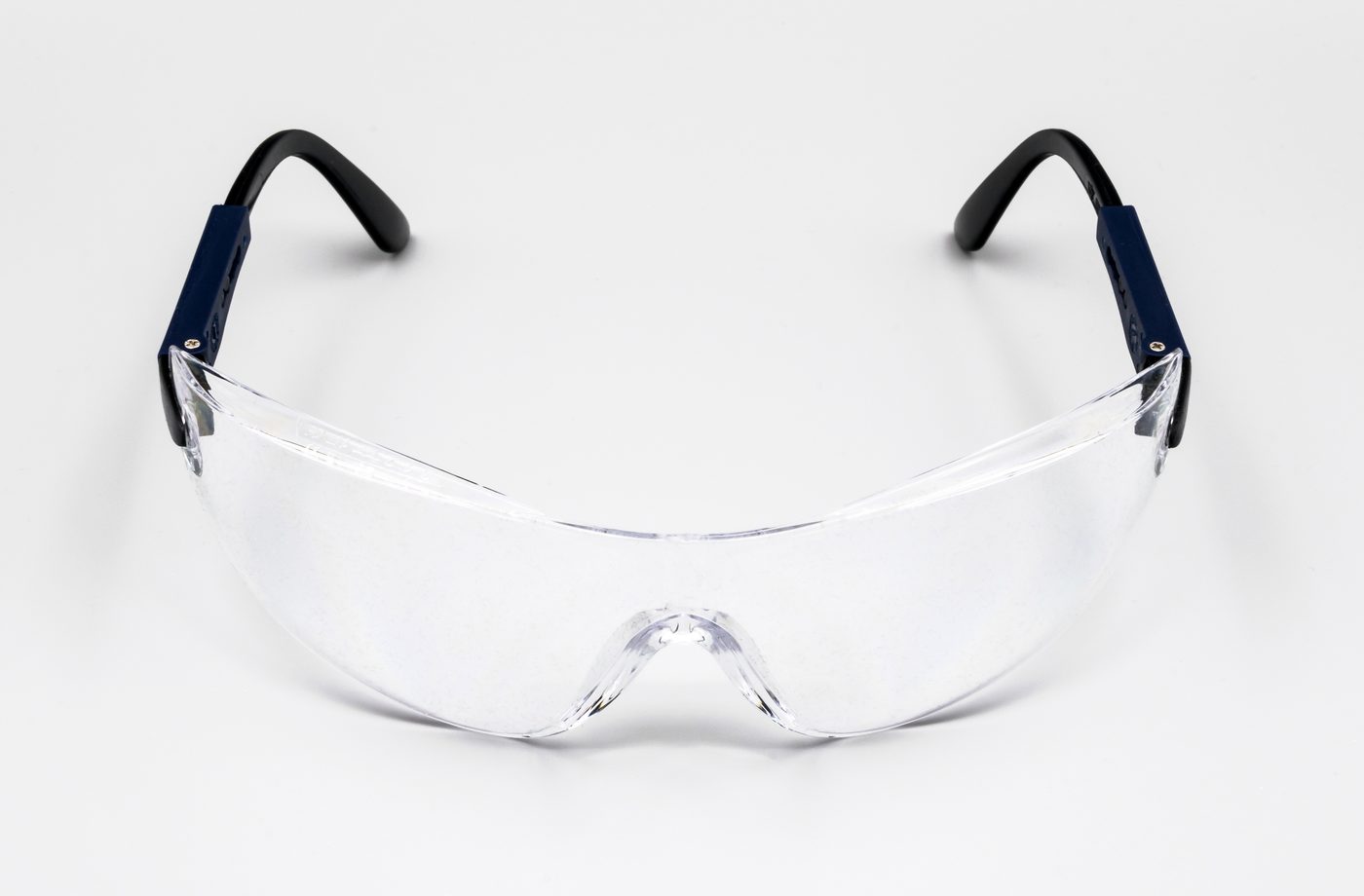
Clear safety goggles for eye protection (Source: Wikimedia Commons)
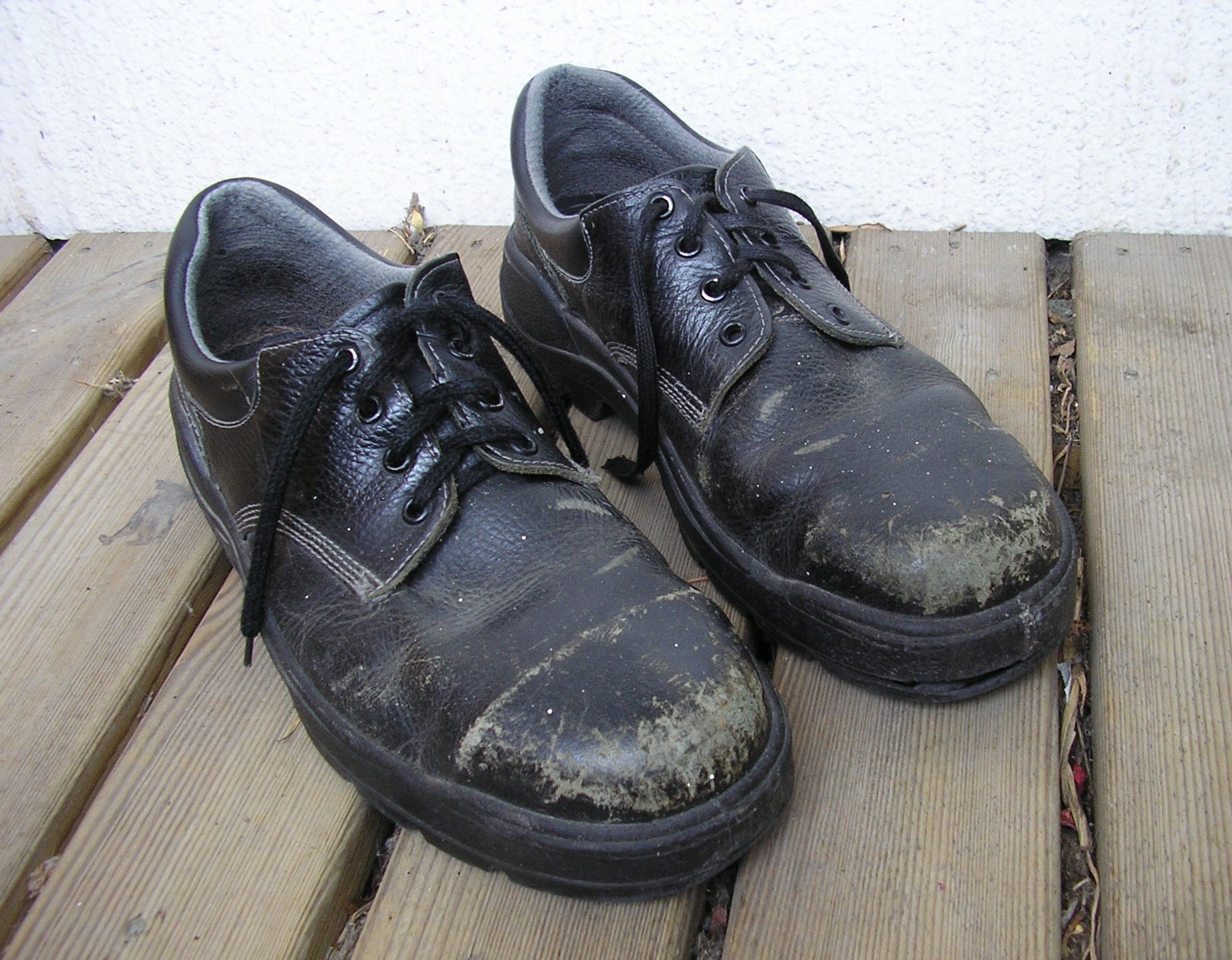
Worn black steel-toe boots on wooden floor (Source: Wikipedia (Steel-toe boot))
Coveralls protect skin and clothing from dirt and fluids.
Hearing protection is necessary in noisy workshop environments.
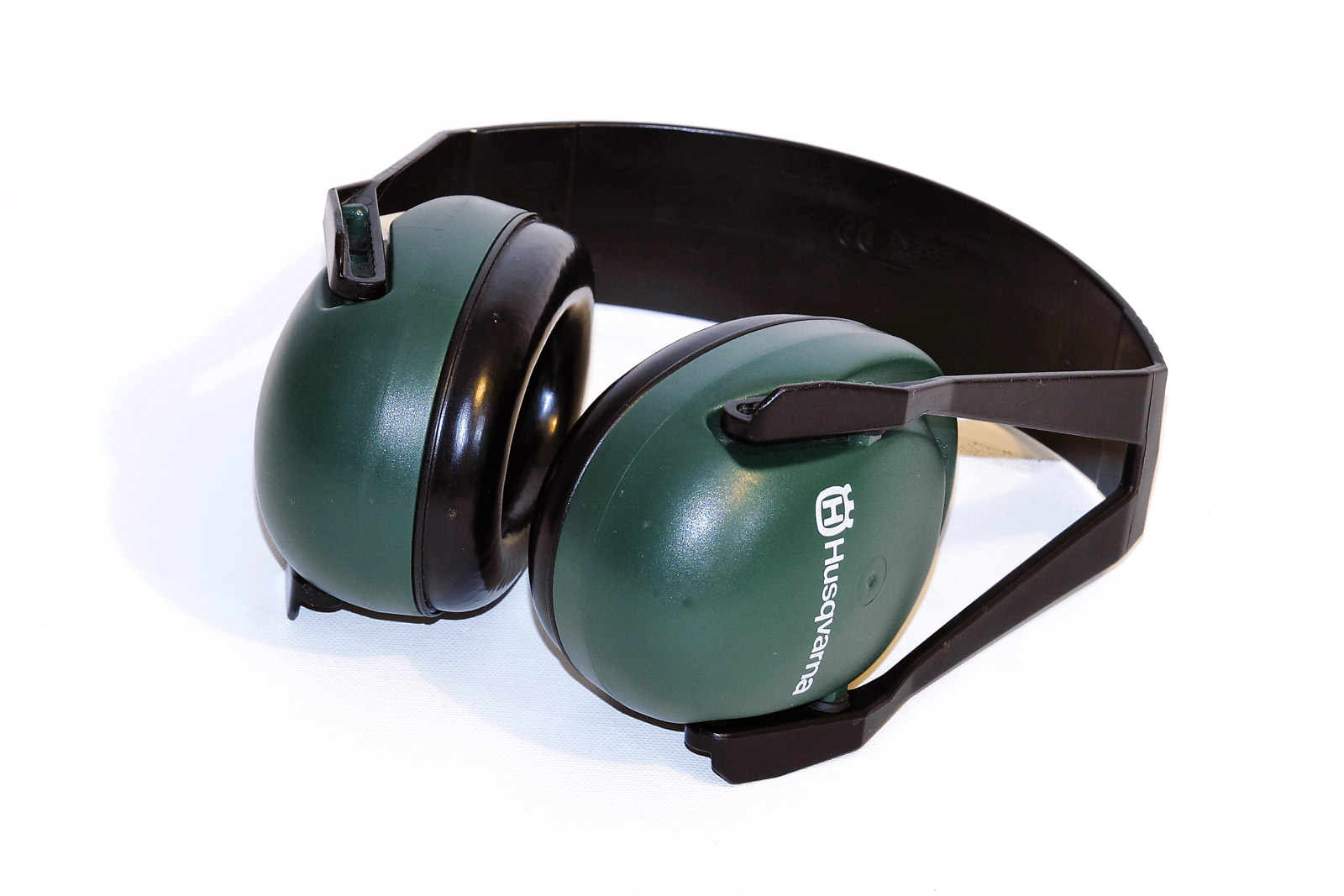
Green Husqvarna hearing protection earmuffs (Source: Wikimedia Commons)
Hydraulic brake fluids are toxic and flammable; technicians must avoid skin contact and inhalation. Proper containment and disposal practices reduce environmental contamination risks, which is critical for compliance with NEMA regulations in Kenya.
Despite preventive measures, emergencies such as hydraulic fluid spills, fires, or injuries can occur during brake maintenance. Preparedness and proper response protocols minimize harm and operational disruption in settings like county government vehicle workshops.
Create a free account to open more of this chapter.
Free: practical guides, quick cards, workplace scenarios and more.
Create a free accountThis chapter emphasized the importance of maintaining a well-organized work area and adhering to strict safety measures to prevent accidents during vehicle braking system maintenance. It outlined essential emergency procedures to manage unforeseen incidents effectively. The construction and operation of braking systems were explored, focusing on hydraulic brakes, including both drum and disc brake designs. A thorough inspection process was detailed, covering brake fluid levels, detection of fluid leakages, assessment of brake pads, examination of brake lines and hoses, and evaluation of brake pedal feel and operation. The chapter further addressed servicing tasks such as topping up brake fluid to maintain optimal system function. Finally, it explained the procedure and significance of brake bleeding to remove air from the hydraulic system, ensuring reliable braking performance and vehicle safety.
Type: Individual
| Tools & Equipment | Materials |
|---|---|
| Wheel Chocks | Overall |
| Jack | Safety Boots |
| Jack Stands | Gloves |
| Complete Toolbox | Face Mask |
| Fire Extinguisher | Cotton Waste |
| First Aid Kit | Brake Fluid (DOT 4) |
| Warning Signage | Workshop Manual for Vehicle |
| S/N | Item | Quantity |
|---|---|---|
| 1 | Overall | 1 Pc per Candidate |
| 2 | Safety Boots | 1 Pair per Candidate |
| 3 | Gloves | 1 Pair per Candidate |
| 4 | Face Mask | 1 Pc per Candidate |
| 5 | Wheel Chocks | 4 Pcs per Workstation |
| 6 | Cotton Waste | 100 g per Candidate |
| 7 | Brake Fluid (DOT 4) | 500 ml per Workstation |
| 8 | Complete Vehicle with Drum Brakes | 1 Pc per Workstation |
| 9 | Complete Toolbox (including wheel spanner, screwdrivers, pliers) | 1 Set per Workstation |
| 10 | Fire Extinguisher | 1 Pc per Workstation |
| 11 | First Aid Kit | 1 Pc per Workstation |
| 12 | Workshop Manual for Vehicle | 1 Pc per Workstation |
| 13 | Warning Signage (e.g. 'Work in Progress') | 1 Pc per Workstation |
| 14 | Jack | 1 Pc per Workstation |
| 15 | Jack Stands | 2 Pcs per Workstation |
| Items to be Evaluated | Marks Available | Marks Obtained | Comments |
|---|---|---|---|
| TASK 1: Work Area Organization and Safety Measures | |||
| Wore personal protective equipment (Overall, Safety boots, Gloves, Face mask) (Award 1 mark for each correctly worn PPE or zero) | 4 | ||
| Cleared and cleaned the work area removing any hazards (Award 3 marks or zero) | 3 | ||
| Parked vehicle on a flat, firm surface and applied parking brake (Award 2 marks or zero) | 2 | ||
| Chocked the vehicle wheels effectively (Award 2 marks or zero) | 2 | ||
| Placed warning signage around the work area (Award 1 mark or zero) | 1 | ||
| Assembled and arranged all necessary tools and equipment within safe reach (Award 3 marks or zero) | 3 | ||
| Positioned jack and jack stands safely and lifted vehicle according to procedure (Award 3 marks or zero) | 3 | ||
| Demonstrated correct handling and storage of brake fluid and cotton waste (Award 2 marks or zero) | 2 | ||
| Identified and explained emergency procedures including location and use of fire extinguisher and first aid kit (Award 3 marks or zero) | 3 | ||
| Ensured proper ventilation and environmental safety measures in the workshop (Award 2 marks or zero) | 2 | ||
| Sub-Total | 25 | ||
| PRODUCT CHECKLIST | |||
| Work area is clean, hazard-free, and organized according to safety standards (Award 5 marks or zero) | 5 | ||
| All PPE worn correctly and tools/materials arranged safely and accessibly (Award 4 marks or zero) | 4 | ||
| Emergency equipment is accessible and candidate correctly identifies emergency procedures (Award 4 marks or zero) | 4 | ||
| Sub-Total | 13 | ||
| GRAND TOTAL | 38 | ||
Type: Individual
| Tools & Equipment | Materials |
|---|---|
| Socket wrench set | Brake fluid (DOT 4) |
| Screwdrivers | Cotton waste |
| Pliers | |
| Brake bleeding equipment |
| S/N | Item | Quantity |
|---|---|---|
| 1 | Complete vehicle with hydraulic braking system | 1 Pc per Candidate |
| 2 | Assorted hand tools (socket wrench set, screwdrivers, pliers) | 1 set per Candidate |
| 3 | Brake fluid (DOT 4) | 500 ml per Candidate |
| 4 | Brake bleeding equipment | 1 set per Candidate |
| 5 | Cotton waste | 100 g per Candidate |
| 6 | Gloves | 1 pair per Candidate |
| 7 | Overall | 1 Pc per Candidate |
| 8 | Safety boots | 1 pair per Candidate |
| 9 | Wheel chocks | 4 Pcs per Candidate |
| 10 | Workshop manual for the vehicle | 1 Pc per Candidate |
| Items to be Evaluated | Marks Available | Marks Obtained | Comments |
|---|---|---|---|
| TASK 1: Identification and Explanation of Braking System Components | |||
| Wore personal protective equipment: Overall, Safety boots, Gloves (Award 1 mark each for each PPE worn or zero) | 3 | ||
| Prepared vehicle for assessment: Parked on flat surface, Chocked wheels (Award 1 mark each or zero) | 2 | ||
| Assembled required tools and materials (Award 2 marks or zero) | 2 | ||
| Opened vehicle bonnet and accessed braking system components (Award 1 mark or zero) | 1 | ||
| Identified master cylinder and explained its function (Award 2 marks or zero) | 2 | ||
| Identified brake lines and explained fluid transmission (Award 2 marks or zero) | 2 | ||
| Identified brake calipers and explained operation (Award 2 marks or zero) | 2 | ||
| Identified brake pads and explained wear indicators (Award 2 marks or zero) | 2 | ||
| Explained operation of hydraulic braking system including pedal action, fluid pressure, and braking force (Award 4 marks or zero) | 4 | ||
| Demonstrated brake bleeding procedure explanation (Award 3 marks or zero) | 3 | ||
| Carried out housekeeping after assessment (Award 1 mark or zero) | 1 | ||
| Sub-Total | 24 | ||
| PRODUCT CHECKLIST | |||
| Correct identification and explanation of master cylinder, brake lines, calipers, and pads (Award 1.5 marks each for four components) | 6 | ||
| Clear and accurate explanation of hydraulic braking system operation (Award 5 marks or zero) | 5 | ||
| Proper description of brake bleeding process (Award 3 marks or zero) | 3 | ||
| Sub-Total | 14 | ||
| GRAND TOTAL | 38 | ||
At the start of this chapter we promised you would be able to:
Tick each one you can genuinely do.
So, are you there yet?
You're competent when you can confidently do 50% or more of what this chapter promised.
Sign in to record how you're doing.