5.1 Study Findings
Presenting study findings requires clarity and precision to communicate the essence of research results without overwhelming stakeholders with unnecessary details. HR professionals must understand how to organize and interpret findings so that they support strategic human capital decisions in diverse sectors such as banking, county governments, and healthcare institutions.
5.1.1 Understanding the Nature and Purpose of Study Findings
Study findings represent the results derived from analyzing collected data, revealing patterns, relationships, or differences relevant to the research questions. In HR, findings guide interventions such as employee retention strategies or training programs, making comprehension of their nature and purpose critical.
Nature of Study Findings
- Empirical Results: Findings are based on data gathered through methods like surveys, interviews, or observations, reflecting actual workplace realities.
- Objective Evidence: They provide unbiased insights that validate or refute hypotheses, ensuring decisions are data-driven rather than assumption-based.
- Context-Specific: Findings are influenced by organizational culture, sector, and workforce characteristics, necessitating contextual interpretation.
- Variable Types: They can be quantitative (numerical statistics) or qualitative (themes, narratives), each requiring different summarization approaches.
- Dynamic: Findings may evolve with additional data or analysis, highlighting the need for continuous review in HR practice.
Purpose of Study Findings
- Inform Decision-Making: Findings equip HR managers with evidence to devise policies tailored to workforce needs, such as at a county health department addressing nurse retention.
- Identify Trends: Detecting patterns like absenteeism rates helps organizations like retail chains implement targeted interventions.
- Evaluate Interventions: They assess the effectiveness of HR initiatives, for example, measuring the impact of a new performance appraisal system in a university.
- Support Strategic Planning: Findings contribute to forecasting human capital requirements aligned with organizational goals.
- Enhance Accountability: Transparent presentation of findings builds trust among stakeholders, ensuring ethical HR practices.
5.1.2 Organizing and Categorizing Research Findings for HR Use
Effective summarization demands systematic organization of findings to highlight relevance for HR decision-makers. Categorizing results facilitates comprehension and practical application in policy formulation and workforce management.
Organizing Findings by Themes
- Thematic Grouping: Grouping data around key topics such as employee motivation, training needs, or diversity promotes clarity.
- Subgroup Analysis: Differentiating findings by demographics (age, gender, department) uncovers specific workforce challenges.
- Chronological Order: Presenting findings in the sequence data was collected or events occurred helps track changes over time.
- Outcome-Based Classification: Separating positive, negative, and neutral findings supports balanced interpretation.
- Priority Ranking: Highlighting critical issues first directs HR attention to urgent matters like high turnover rates in a SACCO.
Categorizing Quantitative and Qualitative Findings
- Quantitative Data: Use tables, graphs, and statistics to summarize numerical results such as average employee satisfaction scores.
- Qualitative Data: Present themes, quotes, and narratives that explain employee perceptions or organizational culture nuances.
- Mixed-Methods Integration: Combine both forms to provide comprehensive insights, for instance, linking survey scores with interview excerpts.
- Statistical Significance: Indicate which results are statistically meaningful to avoid overemphasizing chance occurrences.
- Data Visualization: Employ charts and infographics to enhance accessibility for non-technical HR managers.
5.1.3 Interpreting and Presenting Findings to HR Stakeholders
Interpretation involves explaining what the findings mean in practical terms for the organization. Presentation must be tailored to the audience, ensuring that HR professionals, executives, and employees grasp the implications for policy and practice.
Interpreting Research Findings
- Contextualizing Results: Relate findings to organizational realities, such as linking low engagement scores to workload issues at a county government office.
- Identifying Causal Relationships: Distinguish correlation from causation, e.g., whether training directly improves performance or other factors contribute.
- Highlighting Implications: Explain how results affect HR functions including recruitment, retention, or performance management.
- Recognizing Limitations: Acknowledge constraints like sample size or data collection methods to temper conclusions.
- Suggesting Recommendations: Propose actionable steps based on findings, for example, introducing flexible work hours to improve morale at a hotel.
Presenting Findings Effectively
- Clear Language: Avoid jargon and use straightforward terms to ensure comprehension across all levels.
- Executive Summaries: Provide concise overviews summarizing key findings for senior management.
- Visual Aids: Incorporate graphs, charts, and tables to illustrate trends and comparisons vividly.
- Structured Reports: Organize content logically with headings and subheadings for easy navigation.
- Stakeholder Engagement: Tailor presentations to address specific interests of HR teams, unions, or policy makers.
5.1.4 Ethical Considerations and Confidentiality in Reporting Findings
HR research often involves sensitive employee data, making ethical reporting and confidentiality paramount. Protecting participant privacy and presenting findings responsibly maintains trust and legal compliance.
Ethical Reporting of Findings
- Accuracy and Honesty: Present data truthfully without manipulation or selective omission to mislead stakeholders.
- Respect for Participants: Avoid disclosing information that could identify individuals or expose them to harm.
- Balanced Reporting: Include both positive and negative findings to provide a fair representation.
- Acknowledgement of Sources: Cite data sources and collaborators appropriately to uphold academic integrity.
- Compliance with Regulations: Adhere to Kenyan data protection laws and organizational policies governing research.
Maintaining Confidentiality
- Anonymization: Remove identifiers such as names or employee numbers before reporting.
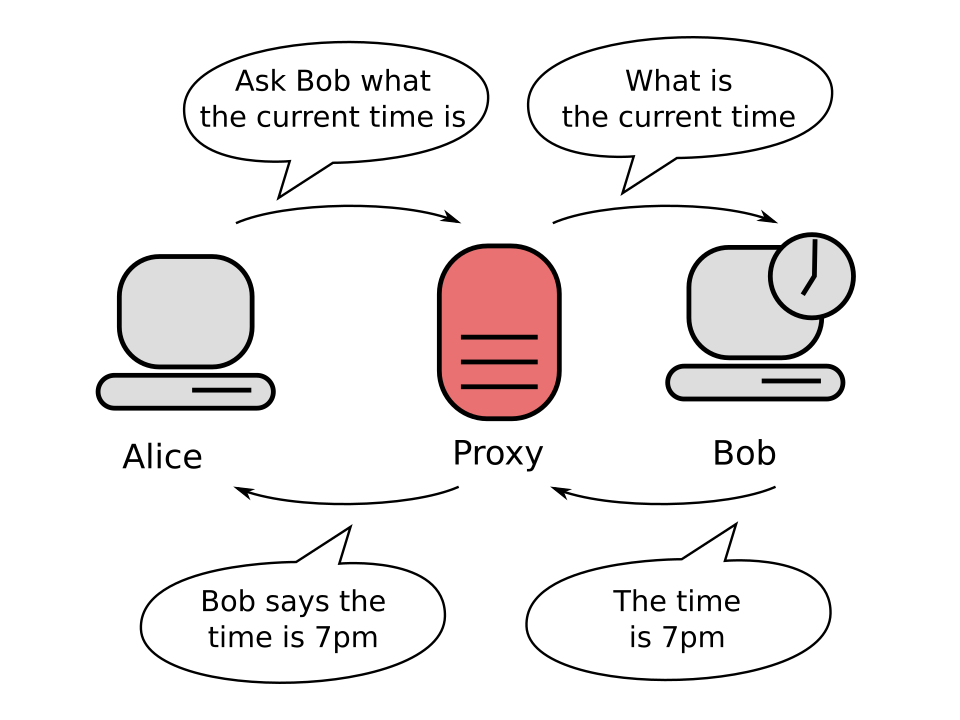
Data anonymization process illustration (Source: Wikimedia Commons (Proxy server))
- Secure Data Handling: Store research data safely to prevent unauthorized access.
- Limited Access: Share findings only with authorized personnel who need the information.
- Informed Consent: Ensure participants understand how their data will be used and reported.
- Sensitive Data Management: Exercise caution when reporting findings that may affect employee reputations or job security.
Practice Questions
-
Explain the nature and purpose of study findings in Human Resource research and illustrate how they can influence HR decision-making in Kenyan organizations. (10 marks)
-
Describe five ways to organize and categorize research findings to facilitate their use by HR managers. (10 marks)
-
Discuss how HR professionals should interpret and present research findings to different stakeholders within an organization. (10 marks)
-
Identify ethical considerations that must be observed when reporting research findings involving employee data. (10 marks)
The rest of this chapter
🔒Create a free account to open more of this chapter.
Free: practical guides, quick cards, workplace scenarios and more.
Create a free account 🔒5.2 Research Recommendations
In the context of Human Resource management in Kenya, research recommendations are critical for translating study findings into actionable strategies that enhance organizational performance and employee well-being. HR professionals often rely on research outco…
🔒5.3 Suggestions for Further Studies
In human resource research, the conclusion of a study often highlights areas that require additional investigation. This practice is crucial for advancing knowledge within the HR field in Kenya, where evolving labour market dynamics, regulatory changes, and or…
Chapter Summary
This chapter focused on the essential process of summarizing research study findings, emphasizing the clear presentation of key results derived from data analysis. It highlighted how research recommendations should be formulated based on these findings to offer practical guidance and inform decision-making. The chapter also addressed the importance of identifying areas that require further investigation, encouraging the development of suggestions for future studies to build upon existing knowledge. Additionally, it explored the role of third party reports in validating and disseminating research outcomes, ensuring objectivity and credibility. Oral questions were discussed as a method to assess understanding and clarify aspects of the research during presentations or defenses. Overall, the chapter provided comprehensive guidance on effectively concluding research work and communicating its implications.
Self-Assessment
🔒 PDFDownload this self-assessment, with answers
A. Written Assessment
- What is the primary purpose of summarizing research study findings in a human resource context? (2 marks)
- Identify three key elements that should be included when presenting study findings in an HR report. (3 marks)
🔒20 more in this section.
Chapter Examination Questions
🔒 PDFDownload these examination questions, with worked answers
SECTION A (40 Marks) - Answer ALL Questions
- Explain the importance of summarizing research study findings clearly in a Human Resource report at a county government office. (4 marks)
- Identify four key elements that must be included when presenting research findings in an HR study. (4 marks)
🔒18 more in this section.
