
By the end of this chapter, you will be able to:
Mastering these skills will help you harvest vegetable crops safely, efficiently, and sustainably—key to success in modern agriculture!
Compiled by: Everlyne Auma
Harvesting vegetable crops in protected environments requires careful attention to safety, appropriate tools, and well-managed procedures to ensure quality produce and worker wellbeing. In Kenya, where horticulture contributes significantly to both local consumption and export, maintaining occupational safety and effective use of equipment during harvest enhances productivity and reduces losses. This chapter focuses on the critical aspects of occupational safety and health procedures and the identification, sourcing, use, maintenance, and storage of tools and materials essential for harvesting vegetables under controlled conditions such as greenhouses and shade nets.
Occupational safety and health (OSH) procedures are vital in horticultural operations to protect workers from hazards associated with harvesting activities. In Kenya, compliance with the Occupational Safety and Health Act (OSHA) 2007 ensures that farm workers operate in safe environments, minimizing accidents and health risks. Proper OSH procedures also improve worker morale and productivity, especially in greenhouses where confined spaces and chemical use pose unique risks.
Harvesting in protected environments exposes workers to several hazards that must be identified to prevent injury or illness. Physical hazards include sharp tools such as knives and shears that can cause cuts or punctures. Chemical hazards arise from residues of pesticides or fertilizers used in crop production. Ergonomic hazards result from repetitive motions and awkward postures during picking and carrying produce. Biological hazards such as exposure to plant sap or molds can cause skin irritation or respiratory problems. Environmental hazards include heat stress inside greenhouses due to high temperatures and humidity levels.
Effective OSH procedures require implementation of safety measures tailored to identified hazards. Providing appropriate PPE such as gloves, masks, and protective clothing reduces exposure to cuts, chemicals, and allergens. Training workers on correct tool handling and safe harvesting techniques minimizes injury risks. Ventilation systems in greenhouses help control heat stress and improve air quality. Emergency protocols, including first aid availability and clear evacuation routes, prepare workers for accidents or health incidents.
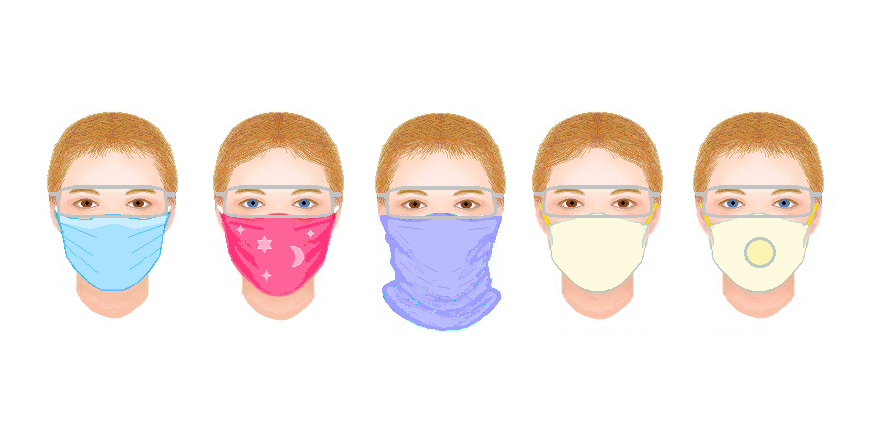
Various types of respiratory masks on faces (Source: Wikimedia Commons)
Kenyan horticultural enterprises must adhere to OSHA 2007 and regulations from the Ministry of Labour and Social Protection. Compliance includes conducting risk assessments before harvest, maintaining safety records, and ensuring worker health surveillance. Inspections by the Directorate of Occupational Safety and Health Services (DOSHS) verify adherence to standards. Failure to comply can result in penalties and work stoppages that affect production timelines.
Regular health monitoring of workers involved in harvesting detects early signs of occupational illnesses such as respiratory issues or repetitive strain injuries. Establishing first aid stations within or near greenhouses ensures prompt treatment of injuries. Emergency drills prepare workers to respond to fires, chemical spills, or heat-related illnesses. Coordination with local health facilities enhances response capabilities in serious cases.
Create a free account to open more of this chapter.
Free: practical guides, quick cards, workplace scenarios and more.
Create a free accountThis chapter examined the essential procedures for maintaining occupational safety and health during the harvesting of vegetable crops in protected environments. It detailed the identification, sourcing, proper use, maintenance, and storage of the necessary tools, equipment, supplies, and materials to ensure efficient and safe harvesting operations. The discussion then moved to maturity indices, distinguishing between horticultural and physiological maturity as key indicators for optimal harvest timing. Various harvesting methods were explored, including pinching, uprooting, and cutting, each suited to specific crop types and conditions. The chapter emphasized the importance of food safety measures to protect both consumers and workers throughout the harvesting process. It also highlighted the role of meticulous record keeping in managing harvest data and improving production practices. Waste management practices were covered with particular attention to the 3Rs of waste disposal: reduce, reuse, and recycle. Finally, emerging trends such as the use of artificial intelligence and new technologies for harvesting were introduced as innovations shaping the future of vegetable crop production.
Type: Individual
| Tools & Equipment | Materials |
|---|---|
| Harvesting knife | |
| Pruning shears | |
| Harvesting basket | |
| Gloves | |
| Overall/dustcoat | |
| Gumboots | |
| Face mask | |
| Cleaning cloth |
| S/N | Item | Quantity |
|---|---|---|
| 1 | Harvesting knife | 1 pc per candidate |
| 2 | Pruning shears | 1 pc per candidate |
| 3 | Harvesting basket | 1 pc per candidate |
| 4 | Gloves | 1 pair per candidate |
| 5 | Overall/dustcoat | 1 per candidate |
| 6 | Gumboots | 1 pair per candidate |
| 7 | Face mask | 1 per candidate |
| 8 | Water container (20L) | 1 per 3 candidates |
| 9 | Soap bar | 1 bar per 5 candidates |
| 10 | Cleaning cloth | 1 per candidate |
| Items to be Evaluated | Marks Available | Marks Obtained | Comments |
|---|---|---|---|
| TASK 1: Preparation and identification of harvesting tools and equipment | |||
| Wore all required PPEs: gloves, overall/dustcoat, gumboots, face mask (Award 1 mark for each PPE worn correctly) | 4 | ||
| Identified harvesting knife and pruning shears correctly (Award 1 mark each for correct identification) | 2 | ||
| Selected appropriate harvesting basket suitable for leafy vegetables (Award 2 marks for correct selection) | 2 | ||
| Checked tools and equipment for cleanliness and functionality (Award 2 marks for thorough checking) | 2 | ||
| Prepared tools and equipment ready for harvesting (Award 3 marks for proper preparation including cleaning and sharpening if applicable) | 3 | ||
| Arranged tools and equipment in an accessible and safe manner (Award 2 marks for proper arrangement) | 2 | ||
| Demonstrated proper handling and safety measures in tool selection (Award 3 marks for correct handling and safety awareness) | 3 | ||
| Sub-Total | 18 | ||
| PRODUCT CHECKLIST | |||
| All required PPEs worn properly and complete (Award 4 marks for complete and correct PPE usage) | 4 | ||
| Harvesting knife and pruning shears are sharp, clean and functional (Award 5 marks for tools in optimum condition) | 5 | ||
| Harvesting basket is clean, intact and appropriate size (Award 3 marks for appropriate basket condition) | 3 | ||
| Tools and equipment arranged safely and ready for harvesting (Award 4 marks for safe and ergonomic arrangement) | 4 | ||
| Sub-Total | 16 | ||
| GRAND TOTAL | 34 | ||
Type: Individual
| Tools & Equipment | Materials |
|---|---|
| Hand pruning shears | Disinfectant solution (Jik) |
| Harvesting knife | Clean dry cloth |
| Sharpener stone | Gloves |
| Bucket for cleaning tools | Overall/Dustcoat |
| Storage box for tools | Gumboots |
| S/N | Item | Quantity |
|---|---|---|
| 1 | Hand pruning shears | 1 pc per Candidate |
| 2 | Harvesting knife | 1 pc per Candidate |
| 3 | Sharpener stone | 1 pc per 3 Candidates |
| 4 | Clean dry cloth | 1 pc per Candidate |
| 5 | Disinfectant solution (Jik) | 500 ml per 5 Candidates |
| 6 | Bucket for cleaning tools | 1 pc per 3 Candidates |
| 7 | Gloves | 1 pair per Candidate |
| 8 | Overall/Dustcoat | 1 pc per Candidate |
| 9 | Gumboots | 1 pair per Candidate |
| 10 | Storage box for tools | 1 pc per 3 Candidates |
| Items to be Evaluated | Marks Available | Marks Obtained | Comments |
|---|---|---|---|
| TASK 1: Use of Harvesting Tools | |||
| Wore PPEs (Gloves, Overall/Dustcoat, Gumboots) (Award 1 mark for each PPE worn or zero) | 3 | ||
| Selected appropriate harvesting tools (pruning shears and harvesting knife) (Award 2 marks for correct selection or zero) | 2 | ||
| Demonstrated correct handling and use of pruning shears without damaging the crop (Award 4 marks for safe and proper use or zero) | 4 | ||
| Demonstrated correct handling and use of harvesting knife for vegetable crop harvesting (Award 4 marks for safe and proper use or zero) | 4 | ||
| Sub-Total | 13 | ||
| TASK 2: Maintenance of Harvesting Tools | |||
| Disassembled tools where applicable for cleaning (Award 2 marks for proper disassembly or zero) | 2 | ||
| Cleaned tools using water and disinfectant solution (Award 3 marks for thorough cleaning or zero) | 3 | ||
| Sharpened blades using sharpener stone to appropriate sharpness (Award 4 marks for effective sharpening or zero) | 4 | ||
| Wiped tools dry using clean dry cloth after cleaning and sharpening (Award 2 marks for proper drying or zero) | 2 | ||
| Sub-Total | 11 | ||
| TASK 3: Storage of Harvesting Tools | |||
| Applied protective oil or coating if required before storage (Award 2 marks for applying protective measure or zero) | 2 | ||
| Stored tools safely in designated storage box (Award 3 marks for proper storage or zero) | 3 | ||
| Ensured storage area is clean, dry and free from hazards (Award 2 marks for safe and clean storage environment or zero) | 2 | ||
| Sub-Total | 7 | ||
| PRODUCT CHECKLIST | |||
| Tools are clean, sharpened, disinfected, and stored safely in the storage box (Award 7 marks for meeting all quality and safety standards or zero) | 7 | ||
| Sub-Total | 7 | ||
| GRAND TOTAL | 38 | ||
At the start of this chapter we promised you would be able to:
Tick each one you can genuinely do.
So, are you there yet?
You're competent when you can confidently do 50% or more of what this chapter promised.
Sign in to record how you're doing.