
By the end of this chapter, you will be able to:
Mastering these skills will help you deliver high-quality produce, keep your workplace safe, and succeed in the vegetable production industry.
Compiled by: Everlyne Auma
Harvesting vegetable crops in an open environment is a critical phase in horticultural production that directly affects both yield quality and market value. In Kenya, where smallholder and commercial farmers rely heavily on vegetables for income and food security, understanding proper harvesting procedures safeguards product integrity and worker welfare. This chapter focuses on the occupational safety and health measures necessary during harvest, as well as the tools, equipment, supplies, and materials essential for efficient and safe harvesting operations.
Ensuring occupational safety and health during vegetable crop harvest is paramount to protect workers from injuries, illnesses, and long-term health risks. Kenyan horticulture workers often face hazards such as exposure to sharp tools, ergonomic strain, and chemical residues from pest control. Adhering to safety protocols not only complies with national regulations like the Occupational Safety and Health Act (OSHA) but also improves productivity and reduces absenteeism in farms and agribusinesses.
Recognizing potential hazards is the first step in preventing accidents and health issues. Vegetable harvesting exposes workers to both physical and chemical risks.
Using appropriate PPE minimizes exposure to hazards and promotes safer harvesting.
Gloves made of durable materials protect hands from cuts and chemical contact.
Protective footwear such as rubber boots prevent foot injuries and provide grip on slippery terrain.
Long-sleeved shirts and trousers shield skin from sunburn, insect bites, and chemical splashes.
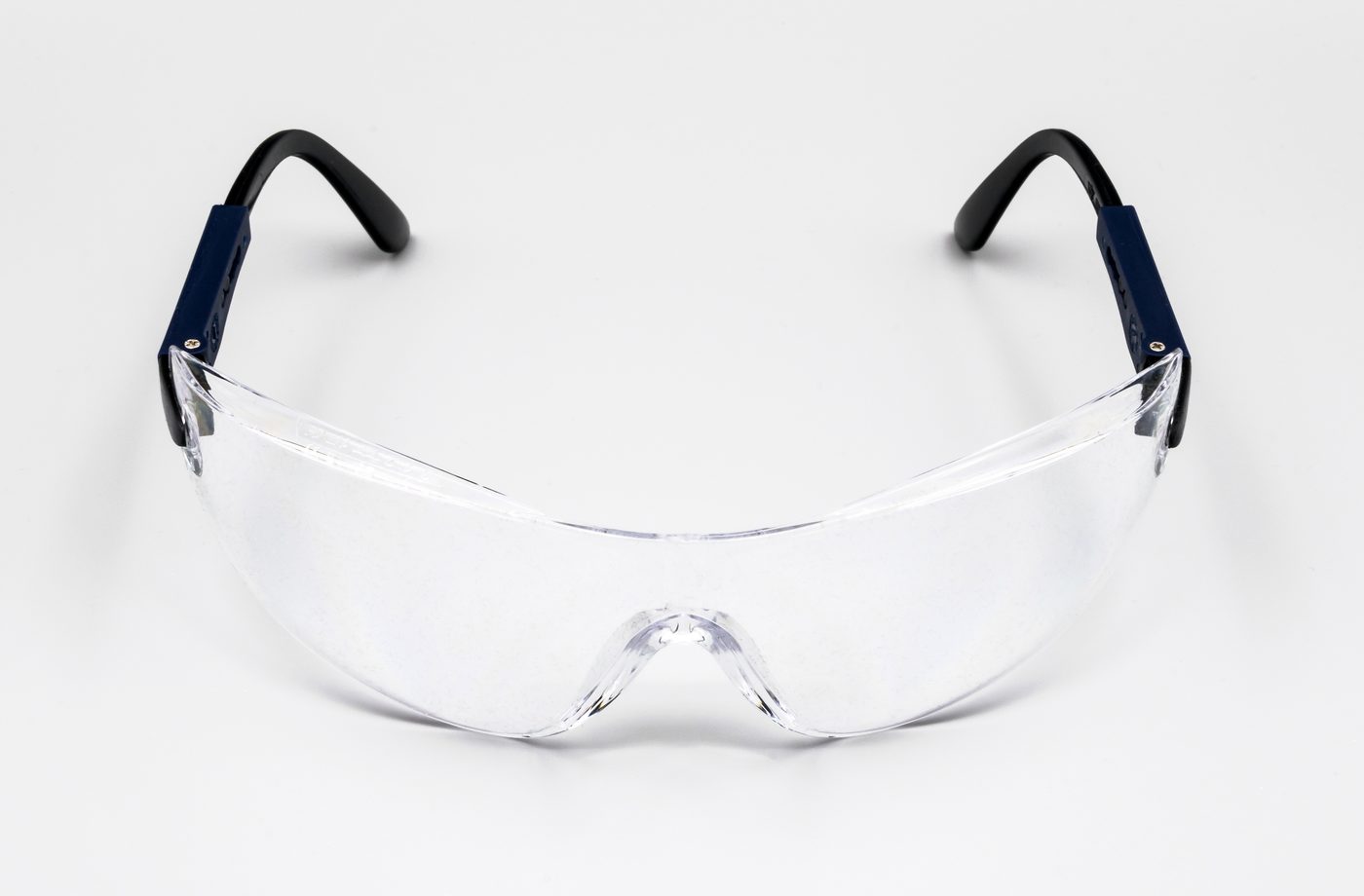
clear safety glasses for eye protection (Source: Wikimedia Commons)
Proper training on correct PPE use and maintenance is necessary to ensure effectiveness. For instance, at a vegetable farm in Kiambu County, workers who consistently wear gloves and boots report fewer injuries and greater comfort during harvest.
Adopting safe methods and ergonomic principles reduces physical strain and injury risk.
These practices enhance worker efficiency and health, as observed in a Nairobi county vegetable cooperative where training in ergonomics reduced musculoskeletal complaints by 40%.
Kenyan farms must adhere to OSHA guidelines that stipulate safety standards and reporting mechanisms for workplace incidents.
At a county government-managed vegetable farm in Meru, formal safety audits and worker safety committees have improved compliance and reduced workplace accidents.
Describe five physical and chemical hazards commonly encountered during vegetable crop harvesting and explain how they affect workers. (10 marks)
Explain the importance of personal protective equipment in harvesting and list five essential items with their protective functions. (10 marks)
Discuss six safe work and ergonomic practices that can be implemented during vegetable harvesting to reduce injury risks. (12 marks)
Outline the key occupational safety compliance requirements for vegetable farms under Kenyan law and their significance. (8 marks)
Create a free account to open more of this chapter.
Free: practical guides, quick cards, workplace scenarios and more.
Create a free accountThis chapter covered essential procedures for occupational safety and health that must be followed during the harvesting of vegetable crops to ensure the wellbeing of workers. It detailed the identification, sourcing, proper use, maintenance, and storage of tools, equipment, supplies, and materials critical for efficient harvesting operations. The concept of maturity indices was explored through horticultural maturity and physiological maturity, which guide the optimal timing for harvest. Various harvesting methods including pinching, uprooting, and cutting were explained, highlighting their suitability for different vegetable types. Food safety measures were emphasized to prevent contamination and preserve crop quality post-harvest. The chapter also stressed the importance of diligent record keeping to track harvest data and support farm management decisions. Finally, waste management practices were discussed with a focus on the principles of reduce, reuse, and recycle to minimize environmental impact.
Which of the following is NOT a recommended occupational safety procedure when harvesting vegetable crops? (2 marks)
a) Wearing protective gloves
b) Using sharp tools carefully
c) Ignoring warning signs around machinery
d) Washing hands before handling produce
Identify three essential tools used in the harvesting of leafy vegetables and explain their primary use. (3 marks)
Type: Individual
| Tools & Equipment | Materials |
|---|---|
| Protective gloves | |
| Dustcoat overall | |
| Gumboots | |
| Harvesting knife | |
| Plastic harvesting basket | |
| Hand sanitizer | |
| Water bottle |
| S/N | Item | Quantity |
|---|---|---|
| 1 | Protective gloves | 1 Pair per Candidate |
| 2 | Dustcoat overall | 1 Pc per Candidate |
| 3 | Gumboots | 1 Pair per Candidate |
| 4 | Harvesting knife (sharp, 15 cm blade) | 1 Pc per Candidate |
| 5 | Plastic harvesting basket (40 L capacity) | 1 Pc per Candidate |
| 6 | First aid kit | 1 Kit per 5 Candidates |
| 7 | Hand sanitizer (100 ml bottle) | 1 Pc per Candidate |
| 8 | Water bottle (1 litre) | 1 Pc per Candidate |
| Items to be Evaluated | Marks Available | Marks Obtained | Comments |
|---|---|---|---|
| TASK 1: Application of Occupational Safety and Health Procedures during Harvesting | |||
| Wore protective gloves, dustcoat overall, and gumboots correctly (Award 1 mark for each PPE worn as per workplace procedures) | 3 | ||
| Assembled harvesting knife, basket, hand sanitizer, and water bottle before starting harvesting (Award 2 marks for complete and proper assembly of tools and materials) | 2 | ||
| Checked and ensured harvesting knife was sharp and safe to use (Award 2 marks for proper tool safety check) | 2 | ||
| Used correct body posture and safe handling techniques while harvesting kale leaves (Award 4 marks for consistent safe harvesting posture and knife handling) | 4 | ||
| Avoided contamination by sanitizing hands before and after harvesting (Award 2 marks for correct use of hand sanitizer) | 2 | ||
| Placed harvested kale leaves gently in the basket without damaging the produce (Award 3 marks for careful handling of harvested crop) | 3 | ||
| Maintained a clean and safe working area by removing any hazards or debris (Award 2 marks for workplace cleanliness and hazard removal) | 2 | ||
| Used water from own bottle to stay hydrated during harvesting (Award 1 mark for hydration practice during work) | 1 | ||
| Reported any injuries or accidents immediately to the supervisor (Award 1 mark for correct reporting procedure) | 1 | ||
| Disposed of any waste or damaged leaves as per workplace safety procedures (Award 3 marks for proper waste disposal) | 3 | ||
| Demonstrated awareness of emergency procedures and location of first aid kit (Award 2 marks for demonstration of emergency readiness) | 2 | ||
| Sub-Total | 25 | ||
| PRODUCT CHECKLIST | |||
| Harvested 10 kg of kale leaves free from contamination and damage (Award 5 marks if harvested quantity and quality meet the specified standards) | 5 | ||
| Sub-Total | 5 | ||
| GRAND TOTAL | 30 | ||
Type: Individual
| Tools & Equipment | Materials |
|---|---|
| Hand sickle | Harvesting basket |
| Pruning shears | Gloves |
| Harvesting knife | Dustcoat overall |
| Measuring tape 5m | Gumboots |
| Identification chart of common vegetable crops |
| S/N | Item | Quantity |
|---|---|---|
| 1 | Hand sickle | 1 Pc per Candidate |
| 2 | Pruning shears | 1 Pc per Candidate |
| 3 | Harvesting knife | 1 Pc per Candidate |
| 4 | Harvesting basket | 1 Pc per Candidate |
| 5 | Measuring tape 5m | 1 Pc per Candidate |
| 6 | Gloves | 1 Pair per Candidate |
| 7 | Dustcoat overall | 1 Pc per Candidate |
| 8 | Gumboots | 1 Pair per Candidate |
| 9 | Identification chart of common vegetable crops | 1 Pc per Candidate |
| Items to be Evaluated | Marks Available | Marks Obtained | Comments |
|---|---|---|---|
| TASK 1: Preparation and PPE usage | |||
| Wore gloves correctly (Award 1 mark if gloves worn properly) | 1 | ||
| Wore dustcoat overall (Award 1 mark if dustcoat overall worn as per workplace procedures) | 1 | ||
| Wore gumboots (Award 1 mark if gumboots worn correctly) | 1 | ||
| Collected all PPE before starting identification (Award 1 mark if candidate gathers all PPE prior to task) | 1 | ||
| Sub-Total | 4 | ||
| TASK 2: Identification and selection of harvesting tools and equipment | |||
| Used measuring tape to confirm cabbage head diameter (~30 cm) (Award 2 marks for accurate measurement within ±2 cm) | 2 | ||
| Correctly identified hand sickle as suitable for spinach leaf harvesting (Award 2 marks if candidate identifies hand sickle correctly for leafy vegetables) | 2 | ||
| Correctly identified pruning shears or harvesting knife as suitable for cabbage head harvesting (Award 2 marks if candidate selects pruning shears or harvesting knife for cabbage heads) | 2 | ||
| Selected appropriate harvesting basket for collection (Award 1 mark if harvesting basket selected and suitable) | 1 | ||
| Handled tools and equipment safely during selection (Award 2 marks if candidate demonstrates safe handling of tools) | 2 | ||
| Sub-Total | 9 | ||
| PRODUCT CHECKLIST | |||
| Correct harvesting tools and equipment identified and selected according to crop type and size as per identification chart (Award 5 marks if all tools match crop harvesting requirements accurately) | 5 | ||
| Measurement of cabbage head diameter is within 28-32 cm (Award 3 marks if measurement is accurate within ±2 cm) | 3 | ||
| PPE worn correctly throughout the task (Award 3 marks if PPE usage is consistent and as per workplace procedures) | 3 | ||
| Sub-Total | 11 | ||
| GRAND TOTAL | 24 | ||
At the start of this chapter we promised you would be able to:
Tick each one you can genuinely do.
So, are you there yet?
You're competent when you can confidently do 50% or more of what this chapter promised.
Sign in to record how you're doing.