Rabbit production is an important agricultural enterprise that supports food security, income generation, and sustainable livelihoods in Kenya. Constructing suitable rabbit structures is essential for protecting the animals from harsh weather, predators, and disease, while promoting their welfare and productivity. This chapter focuses on the key components involved in building rabbit housing and associated facilities, with emphasis on safety, durability, and practicality in diverse Kenyan settings such as county farms, agricultural cooperatives, and rural schools.
1.1 Personal Protective Equipment (PPEs)
Personal protective equipment (PPE) is a critical element in rabbit production to safeguard workers from injury, zoonotic diseases, and contamination during daily husbandry tasks. Proper use of PPE ensures a safe working environment in settings like county referral hospitals’ agricultural units or university demonstration farms, where hygiene and biosecurity are priorities. In this unit PPE is worn both when constructing rabbit structures, where workers handle timber, wire mesh and nails, and when the finished rabbitry is in use. Understanding the types, selection criteria, and maintenance of PPE enhances worker safety and productivity.
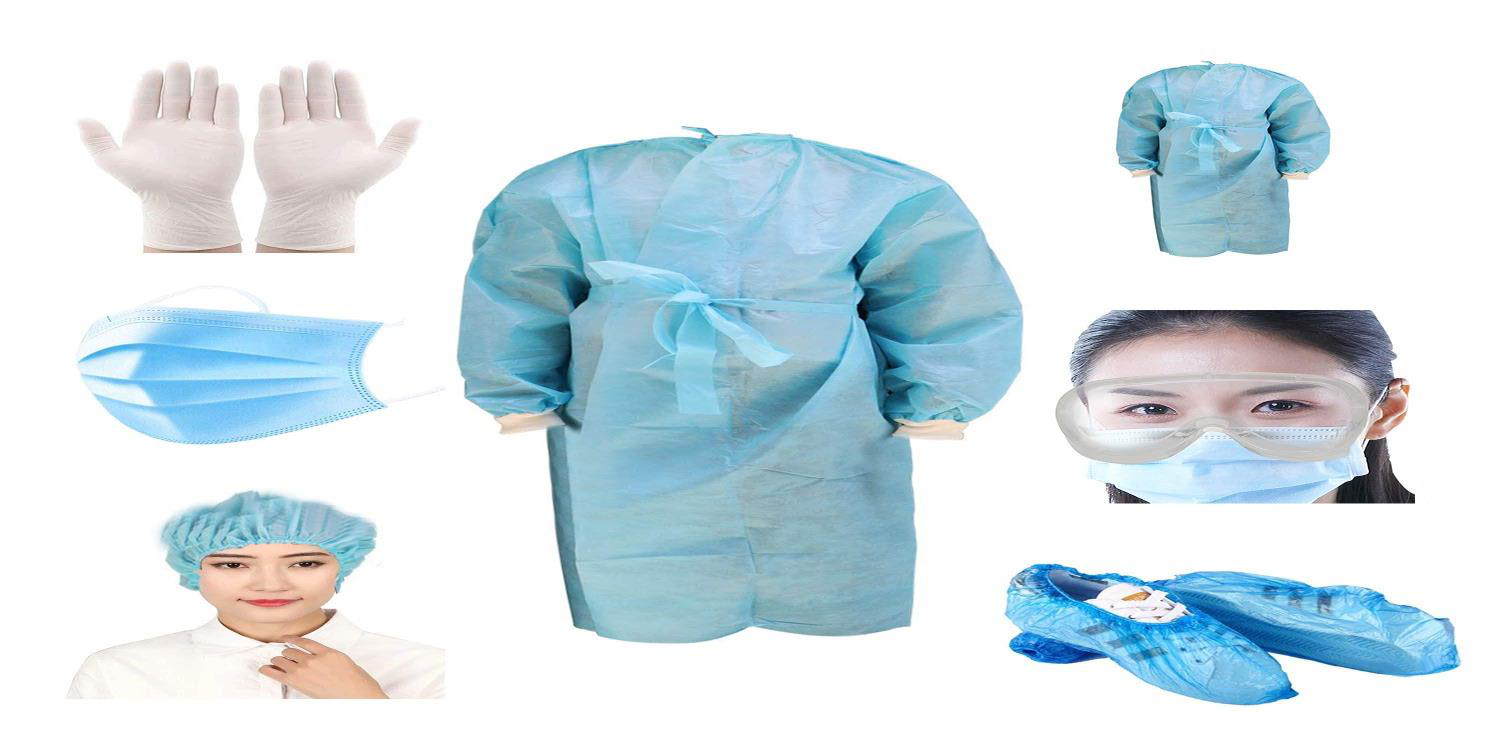
Personal protective equipment (PPE) (Source: 5f700936fcc590f8)
Gloves
Gloves protect the hands from scratches, bites, rough materials, harmful chemicals and pathogens. In a rabbitry the hands are the part of the body that most often touches animals, droppings, feed and equipment, so they need protection first. For example, staff at a veterinary clinic use gloves when administering treatments to rabbits to avoid cross-contamination.
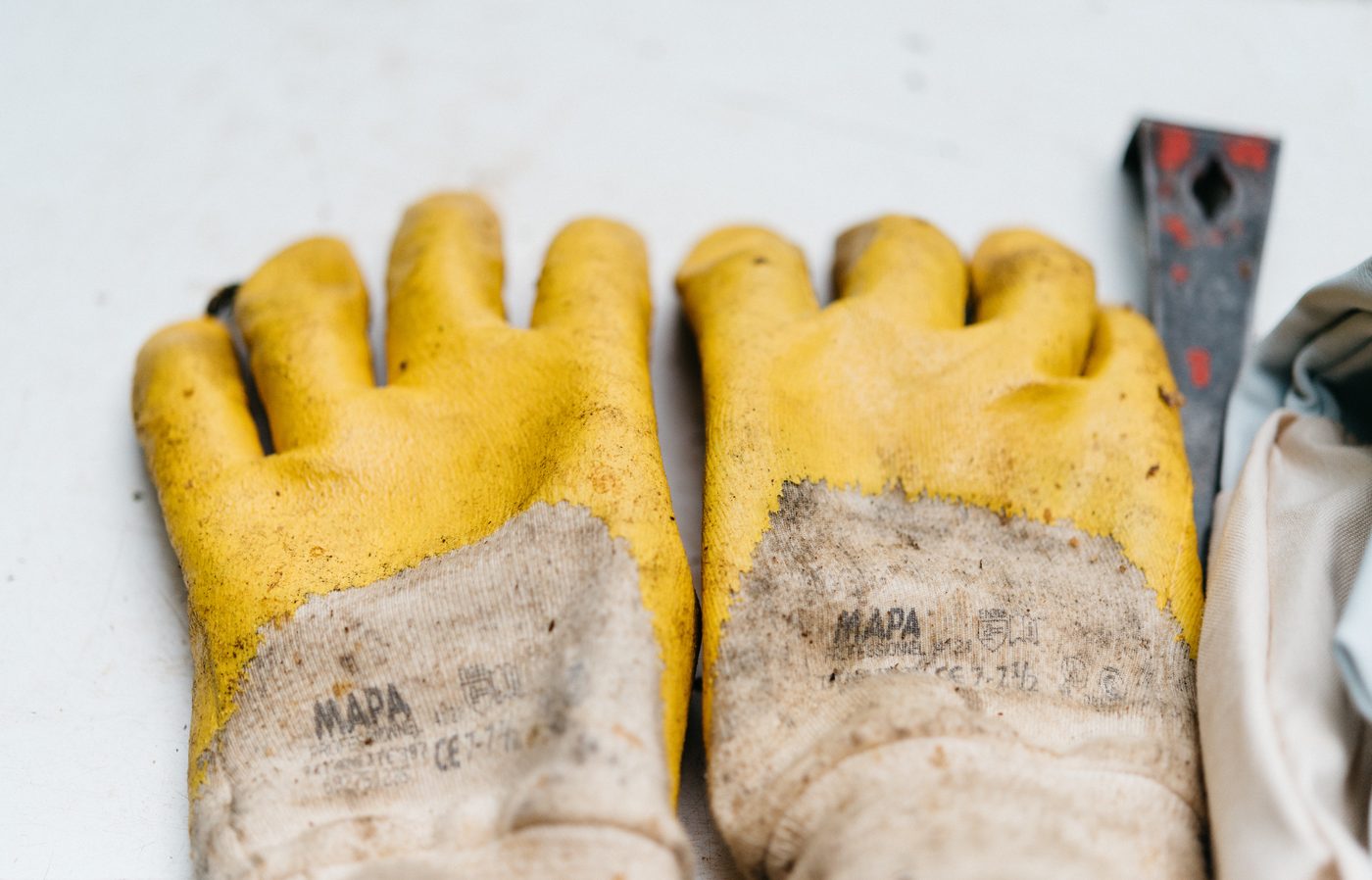
Pair of yellow work gloves used in carpentry (Source: Wikimedia Commons)
Gloves are worn in the following situations:
- Handling rabbits: Does with kits or nervous bucks may scratch or bite, and gloves reduce the risk of wounds that can become infected.
- Cleaning hutches: Gloves keep urine, droppings and bedding off the skin when scraping and washing hutch floors and trays.
- Treating sick animals: Disposable gloves prevent cross-contamination when applying ear-mite treatment or cleaning abscesses, and are discarded after each animal.
- Mixing disinfectants and drugs: Chemical-resistant gloves protect the skin from irritation when preparing footbath solutions or hutch disinfectants.
- Constructing structures: Strong work gloves protect against splinters from timber and cuts from the cut ends of welded wire mesh while building hutches.
- Dressing carcasses: Gloves protect the hands from contamination when skinning and cleaning rabbits for meat.
Overall
An overall, or an apron worn over normal clothes, shields the body and clothing from dirt, urine, faeces and dust. It also stops the worker from carrying contamination from the rabbitry to other places such as the house, the feed store or another farm. Overalls and aprons preserve hygiene in institutional farms such as those operated by agricultural training colleges.
Important points about overalls include:
- Coverage: A long-sleeved, full-body overall protects the arms and legs from scratches, wire ends and splashes, which is more useful than a short apron alone.
- Fabric: Cotton or similar washable cloth is comfortable in warm weather and can be washed hot, while a waterproof apron is added when washing hutches.
- Dedicated use: The overall is kept for rabbitry work only and is not worn in other animal houses or in town, which supports biosecurity.
- Colour: A light colour shows dirt quickly, which reminds the worker when it needs washing.
- Construction work: On a building site the overall protects clothes from sawdust, rust, wood preservative and cement while hutches and stores are being built.
- Fit: A loose overall that does not hang low avoids catching on nails, wire or moving equipment.
Gumboots
Gumboots are waterproof rubber boots that protect the feet and lower legs from injury, moisture and contamination. Rabbitry floors, drains and yards are often wet or muddy, and leather or canvas shoes soak up urine and dirt and cannot be disinfected easily. Rubber boots are therefore suitable for wet or muddy rabbitry environments like rural school farms.
Gumboots serve these purposes:
- Wet floors: Boots keep the feet dry when hosing down floors, so the worker stays comfortable and avoids fungal infections of the feet.
- Disinfection: Rubber surfaces are washed and dipped in a footbath at the rabbitry entrance, which reduces the spread of disease organisms between sections.
- Injury protection: Thick soles protect against nails, offcuts of timber and cut wire lying on the ground at a construction site.
- Section-specific use: Keeping one pair for the breeding section and another for the weaner section limits the movement of pathogens from one group of rabbits to another.
- Cleaning and drying: Boots are scrubbed after each shift and stored upside down on a ventilated rack so that they dry and do not develop odours or damage the lining.
- Right size: Boots that fit well, with room for socks, prevent blisters and slipping during long shifts.
Nose mask
A nose mask, also called a face mask or dust mask, covers the nose and mouth to prevent inhalation of dust, dander, hay fibres or aerosols that may carry rabbit diseases. Rabbit houses contain fine dust from hay, pellets and dry bedding, and this irritates the airways of workers and can trigger allergies. Workers at county government farms use masks during cage cleaning to reduce respiratory risks.
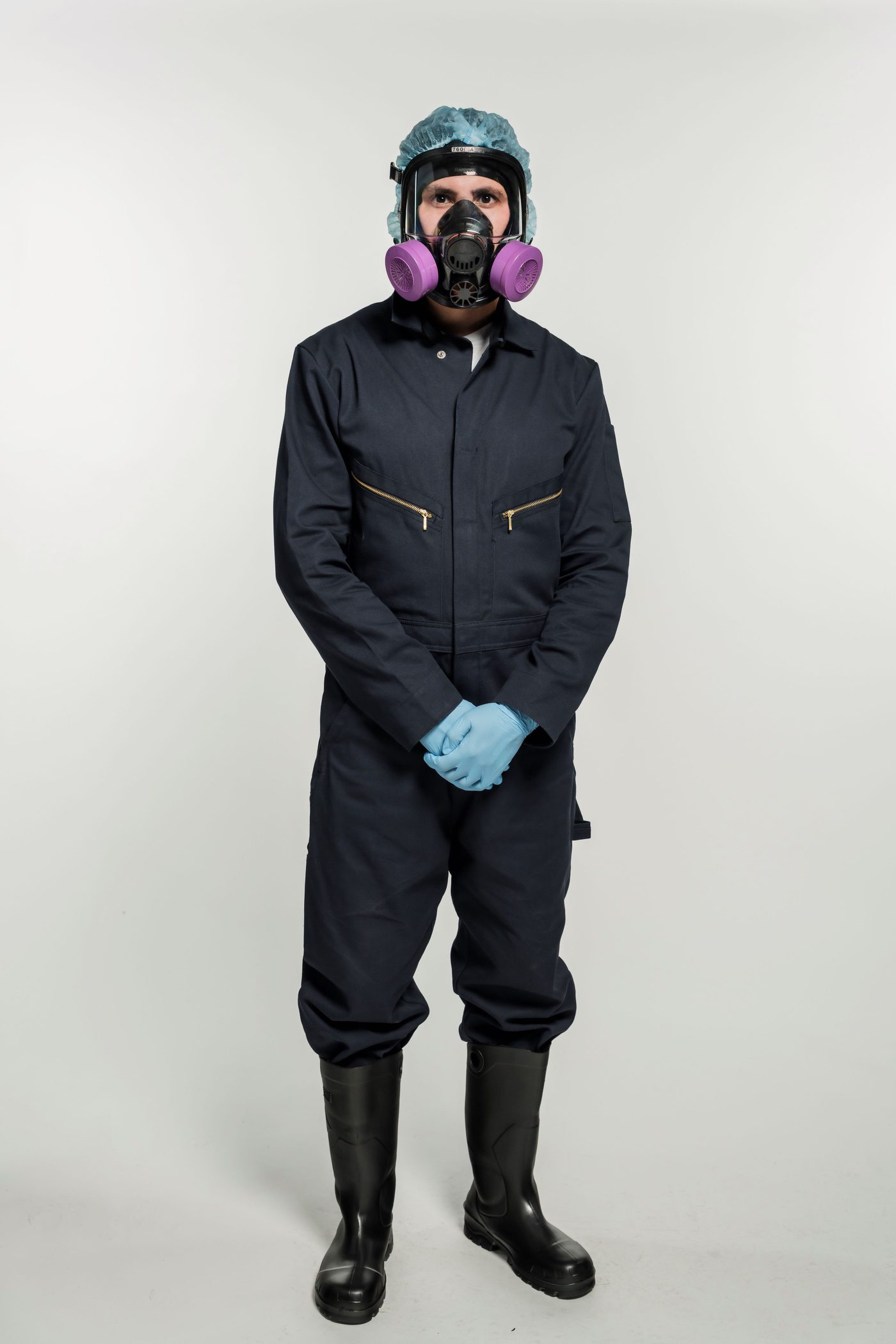
Person wearing a construction face mask with filters (Source: Wikimedia Commons)
Nose masks are used in the following tasks:
- Cleaning hutches and cages: Sweeping and scraping dry droppings and dried urine residues raises dust that should not be breathed in.
- Handling feed and hay: Mixing, sieving and bagging feed releases fine particles, so masks are worn in the feed store.
- Sawing and sanding timber: During construction, sawdust and wood preservative fumes irritate the nose and lungs, and a mask with filters gives better protection.
- Spraying and mixing chemicals: Disinfectants and acaricides can produce vapours or mist, and a mask reduces how much is inhaled.
- Working with sick rabbits: A mask protects the worker where respiratory disease is present in the stock.
- Replacement: Masks must fit snugly over the nose and mouth and be changed when they become damp, dirty or hard to breathe through.
Eye protection
Goggles or safety glasses guard against splashes of cleaning agents, feed dust, wood chips and flying wire ends. They are important in feed storage facilities at cooperative farms and also when cutting wire mesh or driving nails during construction. Goggles that fit closely around the eyes are preferred where dust is heavy, and they are cleaned after use so that vision stays clear.
Selection criteria for PPE in rabbit production
Choosing appropriate PPE depends on the tasks performed and the risks involved. Key considerations include:
- Material quality: Durable, washable materials that resist wear and chemical damage extend PPE lifespan. For example, washable gloves are preferred in university farms to allow repeated use.
- Comfort and fit: Properly fitting PPE encourages compliance and reduces fatigue during prolonged activities at county government agricultural units.
- Ease of cleaning: Reusable PPE should be easy to disinfect to maintain biosecurity in commercial rabbit operations.
- Task specificity: PPE must match the hazard type: masks or respirators for dusty environments, gloves for handling chemicals or animals, and boots for wet conditions.
- Cost-effectiveness: Balancing affordability with protection ensures that smallholder farmers and cooperative members can access necessary safety gear.
Maintenance and proper use of PPE
Maintaining PPE integrity is vital for continued protection. Procedures include:
- Regular cleaning: Wash gloves, overalls and reusable masks after each use to remove contaminants, preventing disease spread in settings like farm training centres.
- Inspection: Check for tears, holes, or wear before use. Damaged PPE must be replaced promptly to avoid exposure.
- Storage: Keep PPE in clean, dry areas to prevent contamination or degradation. For example, storing gumboots in ventilated racks at county farms extends their usability.
- Training: Workers should be trained on correct putting on, removal and disposal methods to maximise PPE effectiveness.
- Replacement schedule: Establish timelines for discarding PPE based on manufacturer guidelines and usage frequency, which supports budgeting in cooperative enterprises.
Health and safety benefits of PPE use
The consistent use of PPE in rabbit production reduces health risks and supports operational efficiency:
- Disease prevention: PPE minimises transmission of zoonotic diseases such as ringworm or pasteurellosis among workers at agricultural colleges.
- Injury reduction: Protective gloves and gumboots decrease the incidence of scratches, bites, cuts or foot injuries in rabbitry personnel.
- Improved hygiene: Wearing overalls and masks helps maintain cleanliness, reducing contamination of feed and water in commercial farms.
- Enhanced worker confidence: Safety measures encourage more thorough and careful handling of rabbits, improving welfare outcomes in county government farms.
- Compliance with regulations: Use of PPE supports occupational safety and health requirements, safeguarding farm reputations and legal standing.
Practice Questions
- Explain five types of personal protective equipment used in rabbit production and their specific protective roles. (10 marks)
- Discuss the factors that should be considered when selecting PPE for rabbit farming activities. (10 marks)
- Describe maintenance practices that ensure the effectiveness of PPE in a rabbitry. (10 marks)
- Outline the health and safety benefits of using PPE during rabbit handling and management. (10 marks)
The rest of this chapter
🔒Create a free account to open more of this chapter.
Free: practical guides, quick cards, workplace scenarios and more.
Create a free account 🔒1.2 Rabbit Structures
Constructing appropriate structures for rabbits is fundamental to ensuring their health, productivity, and welfare. Well-designed hutches, cages, and feed storage facilities provide shelter from environmental stressors, safeguard from predators, and facilitate…
🔒1.3 Construction tools
Constructing rabbit structures requires the use of specific tools that facilitate precise measurement, cutting, joining, and assembly of materials such as wood, wire mesh, and metal sheets. In Kenya, professionals working in agricultural projects, county gover…
🔒1.4 Construction of rabbit structures
Building rabbit structures involves careful planning and execution to create safe, hygienic, and comfortable environments for rabbits. In Kenya, smallholder farmers, school agricultural programs, and county livestock units benefit from well-constructed hutches…
🔒1.5 Construct Rabbit Structures
Constructing appropriate rabbit housing is fundamental to successful rabbit production in Kenya. Well-designed rabbit structures ensure optimal health, growth, and productivity by providing protection from predators, harsh weather, and disease vectors. In prof…
Chapter Summary
This chapter covered the essential aspects of constructing rabbit structures, beginning with the importance of using appropriate Personal Protective Equipment to ensure safety during construction activities. It then examined different types of rabbit housing, including hutches and cages, highlighting their design features and suitability for various production systems. The chapter also discussed the need for a dedicated feed storage facility to maintain feed quality and prevent contamination. An overview of the essential construction tools was provided, emphasizing their roles in efficient building processes. Detailed steps for constructing rabbit structures were outlined, focusing on practical techniques and material selection. Finally, the chapter guided learners through the actual construction of rabbit structures, integrating safety, design, and functional considerations to support effective rabbit production.
Self-Assessment
🔒 PDFDownload this self-assessment, with answers
A. Written Assessment
-
Which of the following is NOT a recommended Personal Protective Equipment (PPE) when constructing rabbit structures?
a) Gloves
b) Safety goggles
c) High-heeled shoes
d) Dust mask
(2 marks)
-
Describe two key differences between hutches and cages used in rabbit production. (4 marks)
🔒26 more in this section.
Chapter Examination Questions
🔒 PDFDownload these examination questions, with worked answers
SECTION A (40 Marks) - Answer ALL Questions
- Identify five types of personal protective equipment (PPE) essential for workers constructing rabbit hutches and explain their importance in ensuring safety. (4 marks)
- Describe the main structural differences between rabbit hutches and rabbit cages used in commercial rabbit production. (4 marks)
🔒18 more in this section.
