Constructing poultry structures is a fundamental skill for animal production professionals in Kenya, as proper housing directly affects bird health, productivity, and biosecurity. This chapter explores the essential tools, equipment, and materials required for building durable, efficient, and climate-appropriate poultry houses. Understanding these components ensures that poultry farmers can optimize their investments and provide safe environments for their flocks, whether in rural farms or peri-urban commercial setups.
1.1 Construction Tools, Equipment and Materials
Construction of poultry houses demands a clear understanding of the necessary tools, equipment, and materials. These elements must be chosen based on availability, cost, durability, and suitability for the local climate and farming scale. In Kenya, where many poultry producers operate small to medium enterprises, selecting the right construction resources is crucial for cost-effectiveness and long-term functionality.
1.1.1 Tools
Tools are handheld devices used for manual tasks during the construction of poultry structures. Their appropriate use ensures precision, safety, and efficiency on site. The selection of tools depends on the construction phase and the materials involved.
Common Hand Tools Used in Poultry Structure Construction
-
Hammer: Essential for driving nails into wood and other materials. It must have a comfortable grip to reduce fatigue during prolonged use.
-
Measuring Tape: Used for accurate measurement of dimensions such as length, width, and height to ensure the structure meets design specifications.
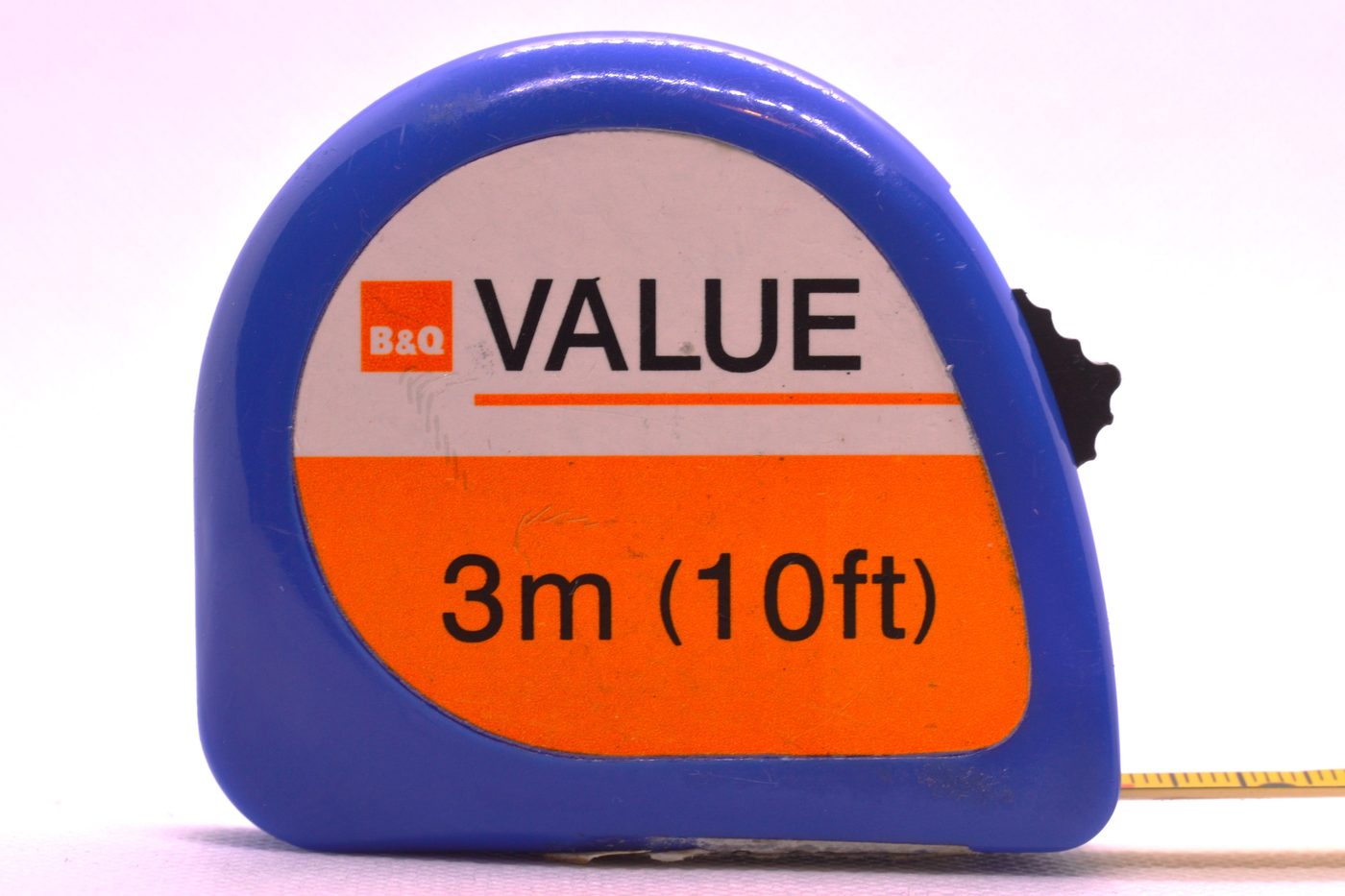
A 3m (10ft) measuring tape (Source: Wikimedia Commons)
- Handsaw: Ideal for cutting timber and plywood to required sizes. A sharp blade and ergonomic handle improve cutting accuracy and reduce physical strain.
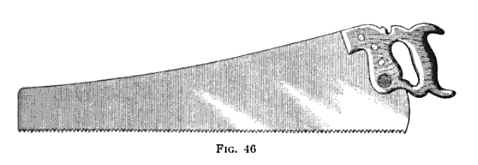
Traditional handsaw with wooden handle (Source: Wikimedia Commons)
- Spirit Level: Ensures that surfaces are level and plumb, critical for structural stability and proper alignment of walls and roofs.

A traditional spirit level tool (Source: Wikimedia Commons)
- Chisel: Used for shaping wood, creating joints, and removing excess material with precision.
Specialized Tools for Poultry House Construction
- Wire Cutters: Necessary for cutting fencing wire and mesh materials that protect poultry from predators.
- Screwdrivers: Both flathead and Phillips types are used to fasten screws, providing stronger joints than nails.

Red-handled screwdriver on rock outdoors (Source: Wikimedia Commons)
-
Pliers: Used for gripping, bending, and twisting wires and small components during installation.
-
Masonry Trowel: For mixing and applying mortar when laying bricks or blocks for walls or foundations.
Maintenance and Safety of Tools
- Regular cleaning of tools after use prevents rust and deterioration, especially in Kenya’s humid coastal regions.
- Sharpening blades and chisels ensures efficient cutting and reduces injury risk.
- Proper storage in toolboxes or sheds protects tools from environmental damage and theft.
- Use of personal protective equipment (PPE) such as gloves and safety goggles is essential when handling sharp or heavy tools to prevent accidents.
1.1.2 Equipment
Equipment refers to larger, often powered devices that facilitate construction tasks, reducing manual labor and increasing productivity. Although some poultry farmers in Kenya may rely mainly on manual tools, mechanized equipment is valuable for larger projects or commercial poultry farms.
Types of Equipment Commonly Used
| Name |
Specification |
Use |
| Concrete Mixer |
Capacity 100-200 liters |
Mixing cement, sand, and water for foundations and flooring |
| Power Drill |
Corded or cordless, variable speed |
Drilling holes and driving screws in wood and metal |
| Circular Saw |
7-10 inch blade diameter |
Cutting large timber pieces and plywood sheets |
| Vibrating Compactor |
Petrol or electric powered |
Compacting soil and gravel for firm foundations |
| Welding Machine |
Arc or MIG welding types |
Joining metal frames and reinforcing structures |
Usage and Maintenance of Equipment
- Concrete mixers must be cleaned immediately after use to prevent cement hardening inside the drum.
- Power drills require battery charging or electrical connection checks before operation; bits should be replaced when worn.
- Circular saw blades should be kept sharp and guards maintained to enhance cutting safety.
- Vibrating compactors need regular oil changes and inspection of the vibration mechanism.
- Welding machines require checking of cables and grounding to prevent electrical hazards; operators must wear protective gear.
Equipment Selection Considerations for Kenyan Poultry Farms
- Scale of the poultry project influences equipment choice; smallholder farmers often hire equipment to reduce capital costs.
- Availability of spare parts and technical support locally is crucial to avoid long downtimes.
- Power source reliability affects equipment usability; farms in off-grid areas may prefer petrol-powered machines.
- Budget constraints require careful cost-benefit analysis before investing in expensive equipment.
1.1.3 Materials
Materials form the physical body of the poultry structure and must be selected for durability, cost-effectiveness, and suitability to climatic conditions. Proper material selection can enhance bird comfort, reduce maintenance costs, and improve biosecurity.
Common Construction Materials
-
Timber: Used for framing walls, roofs, and floors due to its availability and ease of use. Kenyan hardwoods like mugumo and eucalyptus are preferred for strength and termite resistance.
-
Corrugated Iron Sheets: Widely used for roofing because of durability and good water runoff during rainy seasons.
-
Wire Mesh/Fencing: Protects birds from predators and allows ventilation. Galvanized wire mesh resists rust in humid environments.
-
Concrete: Used for foundations, floors, and sometimes walls to provide a sturdy, easy-to-clean surface that reduces disease risks.
-
Bricks/Blocks: Employed in constructing walls where stronger, more permanent structures are needed.
Material Properties Affecting Poultry House Performance
- Thermal Insulation: Materials like timber and certain roofing sheets reduce heat gain, maintaining optimal temperatures for bird comfort.
- Moisture Resistance: Materials must withstand Kenya’s rainy seasons without degrading or fostering mold growth.
- Pest Resistance: Use of treated timber or concrete reduces risks of termite damage and rodent infestation.
- Ease of Cleaning: Smooth surfaces like concrete floors facilitate hygiene practices critical for disease control.
- Cost and Availability: Locally sourced materials reduce transport costs and support local economies.
Sustainable and Alternative Materials
- Use of bamboo and recycled plastics is gaining attention as eco-friendly options for affordable poultry housing.
- Straw bales and mud bricks offer insulation benefits but require proper treatment to prevent pests and decay.
- Incorporation of solar-powered ventilation systems enhances airflow without increasing operational costs.
Practice Questions
- Explain five essential hand tools used in poultry structure construction and their specific functions. (10 marks)
- Outline six maintenance practices necessary for prolonging the lifespan of construction equipment on a poultry farm. (12 marks)
- Discuss five key properties that should be considered when selecting materials for poultry housing in Kenya. (10 marks)
- Compare the advantages and disadvantages of using timber versus concrete for poultry house flooring. (8 marks)
The rest of this chapter
🔒Create a free account to open more of this chapter.
Free: practical guides, quick cards, workplace scenarios and more.
Create a free account 🔒1.2 Selection of site for poultry structure
Selecting an appropriate site for constructing a poultry structure is a critical decision that influences bird health, productivity, and overall farm profitability. In Kenya, poultry farmers must consider environmental, infrastructural, and biosecurity factors…
🔒1.3 Designing of poultry structure
Designing poultry structures requires a balance between functionality, bird welfare, and cost efficiency. In Kenya's diverse production systems, from smallholder farms to commercial units, design must address climate adaptability, ease of management, and biose…
🔒1.4 Construction of poultry structures
Constructing poultry structures is a fundamental aspect of poultry production that directly influences bird health, productivity, and biosecurity. In Kenya, poultry farmers must design and build facilities that withstand local climatic conditions such as high…
🔒1.5 Construction and maintenance of poultry structure records
Maintaining accurate records of poultry structure construction and ongoing maintenance is vital for operational efficiency, cost management, and compliance with regulatory standards in Kenya. Detailed documentation supports timely repairs, budgeting for upgrad…
🔒1.6 Waste Management
Waste management in poultry production is a critical practice that ensures environmental sustainability, biosecurity, and productivity. In Kenya, poultry farms produce significant amounts of waste including manure, feathers, bedding materials, and mortalities,…
🔒1.7 Poultry House Equipment and Material
The choice of equipment and materials for constructing and operating poultry houses directly affects bird welfare, productivity, and farm efficiency. In Kenya’s diverse climatic zones and farming systems, selecting appropriate equipment tailored to local condi…
🔒1.8 Installation of poultry house equipment and materials
Installing equipment and materials in a poultry house is a critical step that directly affects bird health, productivity, and overall farm efficiency. In Kenya, poultry farmers must carefully plan the installation process to accommodate local environmental con…
🔒1.9 Poultry production manuals
Poultry production manuals serve as essential reference guides for farmers, extension officers, and technicians involved in poultry management. In Kenya, where smallholder and commercial poultry farming coexist, well-structured manuals help standardize best pr…
Chapter Summary
This chapter covered the essential tools, equipment, and materials needed for constructing poultry structures, emphasizing their roles and proper use in the building process. It then explored the criteria for selecting an appropriate site, considering factors such as drainage, ventilation, and accessibility to ensure optimal poultry health and productivity. The design of poultry structures was examined with attention to layout, space requirements, and environmental control to support bird welfare. Detailed steps for constructing poultry houses were outlined, highlighting best practices for durability and functionality. The importance of maintaining accurate records related to construction and upkeep was discussed to facilitate effective management and future repairs. Waste management strategies were introduced to promote hygiene and environmental sustainability within poultry operations. The chapter also identified key poultry house equipment and materials, followed by guidance on their correct installation to support efficient poultry production. Finally, the development and use of poultry production manuals were addressed as vital tools for standardizing procedures and enhancing operational consistency.
Self-Assessment
🔒 PDFDownload this self-assessment, with answers
A. Written Assessment
- Identify five essential tools used in the construction of poultry structures and explain their specific functions. (10 marks)
- Differentiate between tools and equipment in the context of poultry house construction, providing two examples of each. (6 marks)
🔒20 more in this section.
Chapter Examination Questions
🔒 PDFDownload these examination questions, with worked answers
SECTION A (40 Marks) - Answer ALL Questions
- Identify five essential tools used in constructing poultry structures and explain their specific uses in the Kenyan poultry farming context. (4 marks)
- Differentiate between tools and equipment in poultry structure construction, giving two examples of each. (4 marks)
🔒18 more in this section.
