
By the end of this chapter, you will be able to:
Mastering these skills will help you create safe, efficient, and comfortable homes for pigs, which is essential for successful pig farming and protecting the environment.
Compiled by: Joyce Waweru
Construction of pig structures is a fundamental skill for animal production professionals in Kenya, providing essential housing that ensures pig health, welfare, and productivity. Properly constructed pigpens protect animals from harsh weather, predators, and disease while facilitating efficient management practices such as feeding, cleaning, and breeding. This chapter focuses on the tools, equipment, and materials required for constructing durable and functional pig structures adapted to Kenya’s diverse climatic and economic conditions.
Construction of pig structures requires a combination of manual tools, mechanical equipment, and suitable materials to achieve a safe, hygienic, and cost-effective environment. Knowledge of these resources is vital for animal production workers involved in piggery setup, maintenance, and upgrading.
The saw is a critical hand tool used in cutting timber and other materials during pig structure construction. Selecting the appropriate saw type and understanding its specifications ensures precision and safety on the job site.
Several saw types are commonly used in piggery construction, each suited to specific cutting needs:
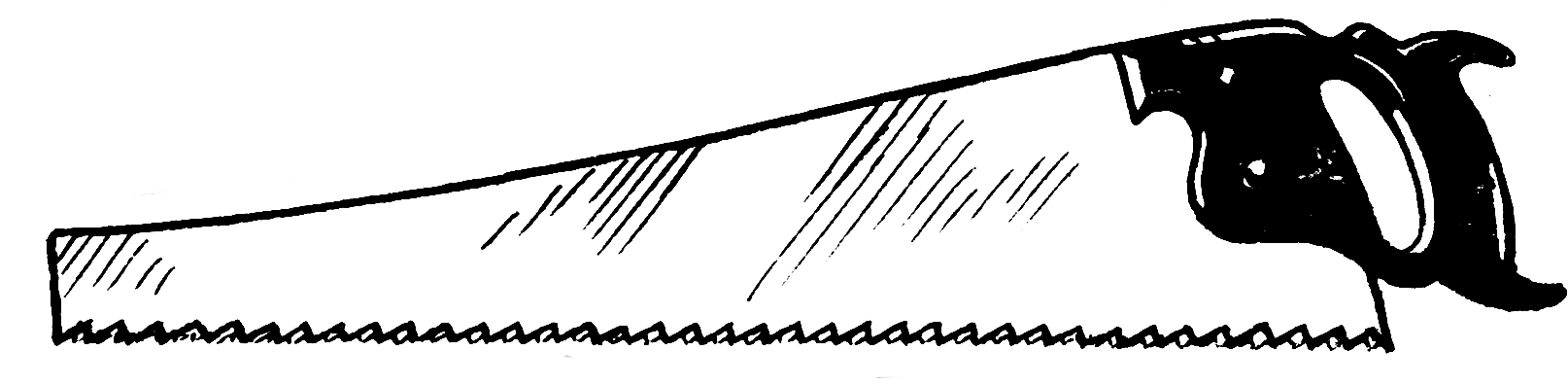
Hand saw with handle and serrated blade (Source: Wikimedia Commons)
Back saw: Designed for precise cuts, especially for joints and framing in pigpens, with a reinforced back to maintain blade stability.
Jigsaw: Useful for curved or intricate cuts in plywood or plastic sheets used in pigpen roofing or partitions.
Hacksaw: Primarily for cutting metal pipes or rods used in fencing and support structures within the piggery.
| Name | Specification | Use |
|---|---|---|
| Hand saw | Blade length 20-24 inches | Cutting timber beams and planks |
| Circular saw | Blade diameter 7-10 inches | Fast cutting of large timber sheets |
| Back saw | Blade length 10-14 inches | Precise cuts for framing and joints |
| Jigsaw | Variable speed, blade type varies | Cutting curves in plywood and plastics |
| Hacksaw | Blade length 12-14 inches | Cutting metal rods and pipes |
Proper maintenance and safe handling of saws prevent accidents and extend tool lifespan:
Safety gear: Use protective gloves and goggles to prevent injuries from blade contact and flying particles.
Correct technique: Always cut away from the body and secure materials firmly to avoid slippage.
Beyond hand tools, various equipment enhances efficiency and quality in constructing pig structures. These may be manual-powered, or mechanized depending on scale and available resources.
Concrete and mortar are vital for foundations, floors, and walls in pigpens. Efficient mixing equipment ensures uniform consistency and strength.
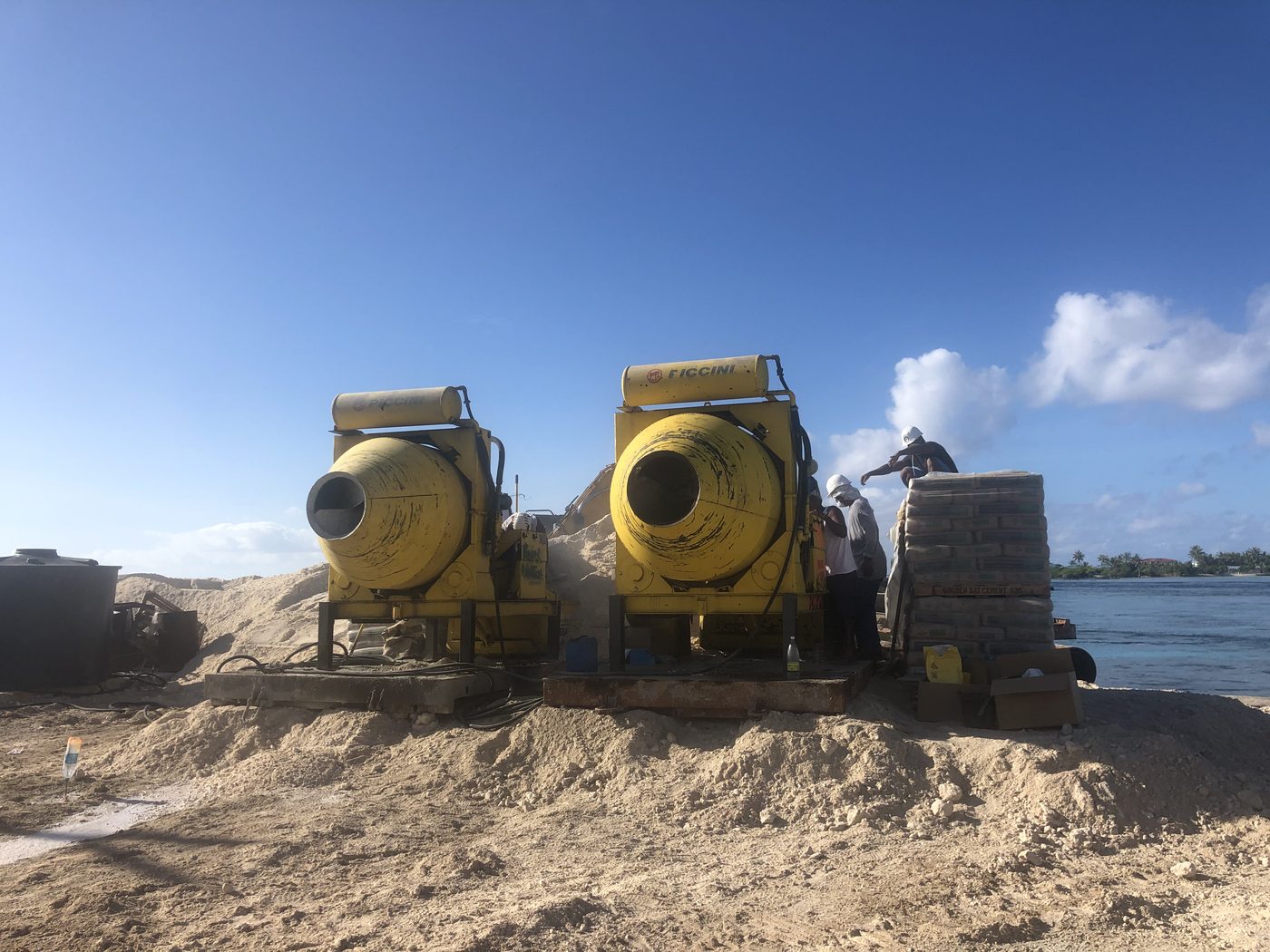
Two yellow concrete mixers on a construction site (Source: Wikipedia (Concrete mixer))
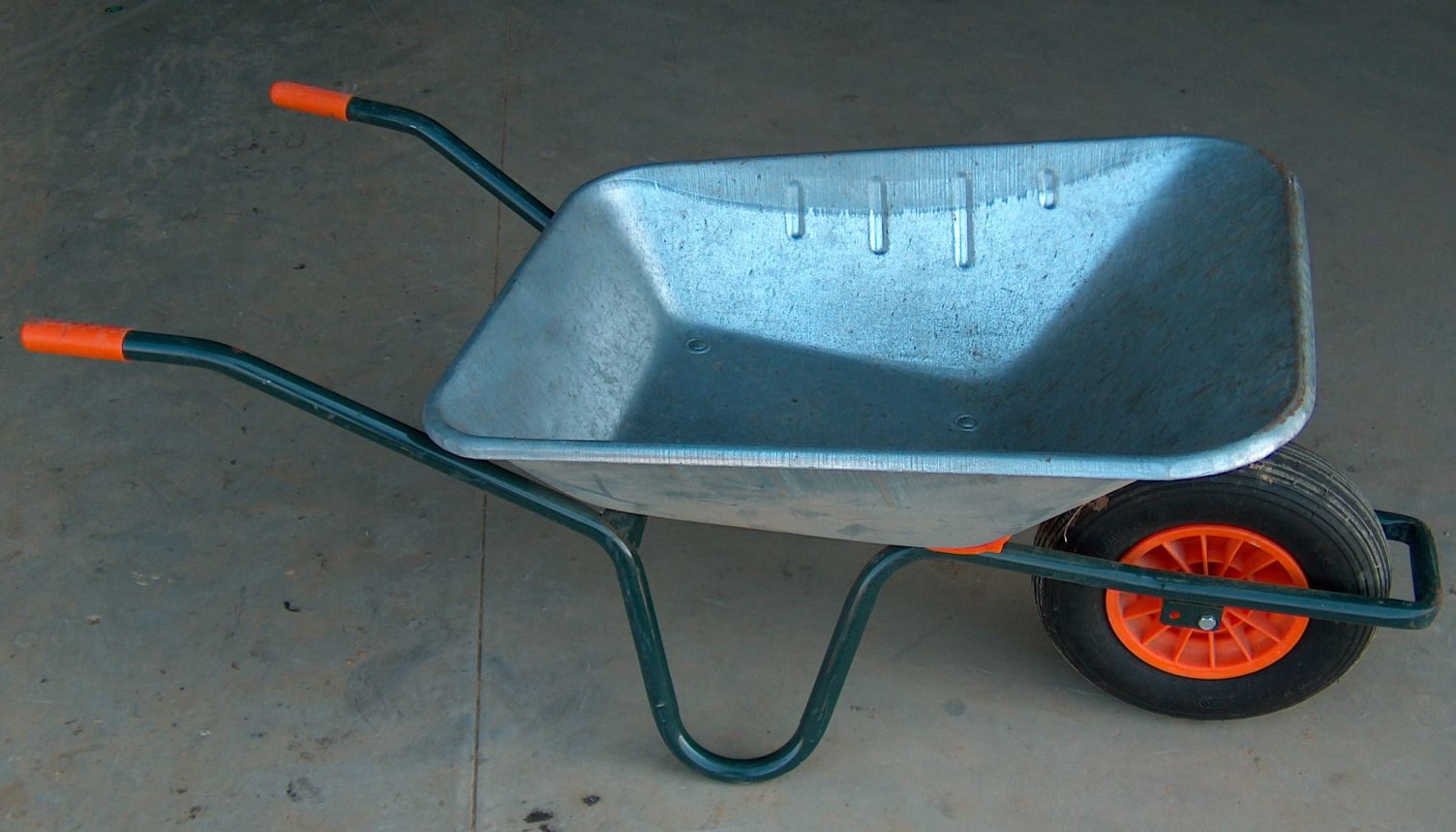
A single metal wheelbarrow with one wheel (Source: Wikimedia Commons)
Proper site preparation involves earthmoving to create level foundations and drainage.
Accurate measurements ensure structural integrity and compliance with design specifications.

Close-up of a spirit level bubble vial (Source: Wikipedia (Spirit level))
| Name | Specification | Use |
|---|---|---|
| Concrete mixer | 100-500 litre capacity, electric or diesel powered | Mixing concrete and mortar for foundations |
| Wheelbarrow | Single or dual wheel, 100-150 kg load capacity | Transporting materials on site |
| Measuring tape | 5-30 meters length, steel or fiberglass | Measuring dimensions and distances |
| Spirit level | 24-48 inches length, bubble vial | Checking level and plumb in construction |
| Spade | Steel blade 10-12 inches wide | Digging and soil preparation |
The choice of construction materials influences the durability, cost, and suitability of pig structures in Kenya’s varied climates. Materials must balance affordability and functionality to promote sustainable pig farming.
Timber remains a popular material for pigpen frames and roofing due to its availability and ease of handling.
Concrete floors and walls provide durable, hygienic surfaces that facilitate cleaning and disease control.
Cement: Portland cement is the common binding agent for concrete and mortar.
Sand: Fine aggregate mixed with cement for mortar and concrete.
Gravel: Coarse aggregate added to concrete for strength and stability.
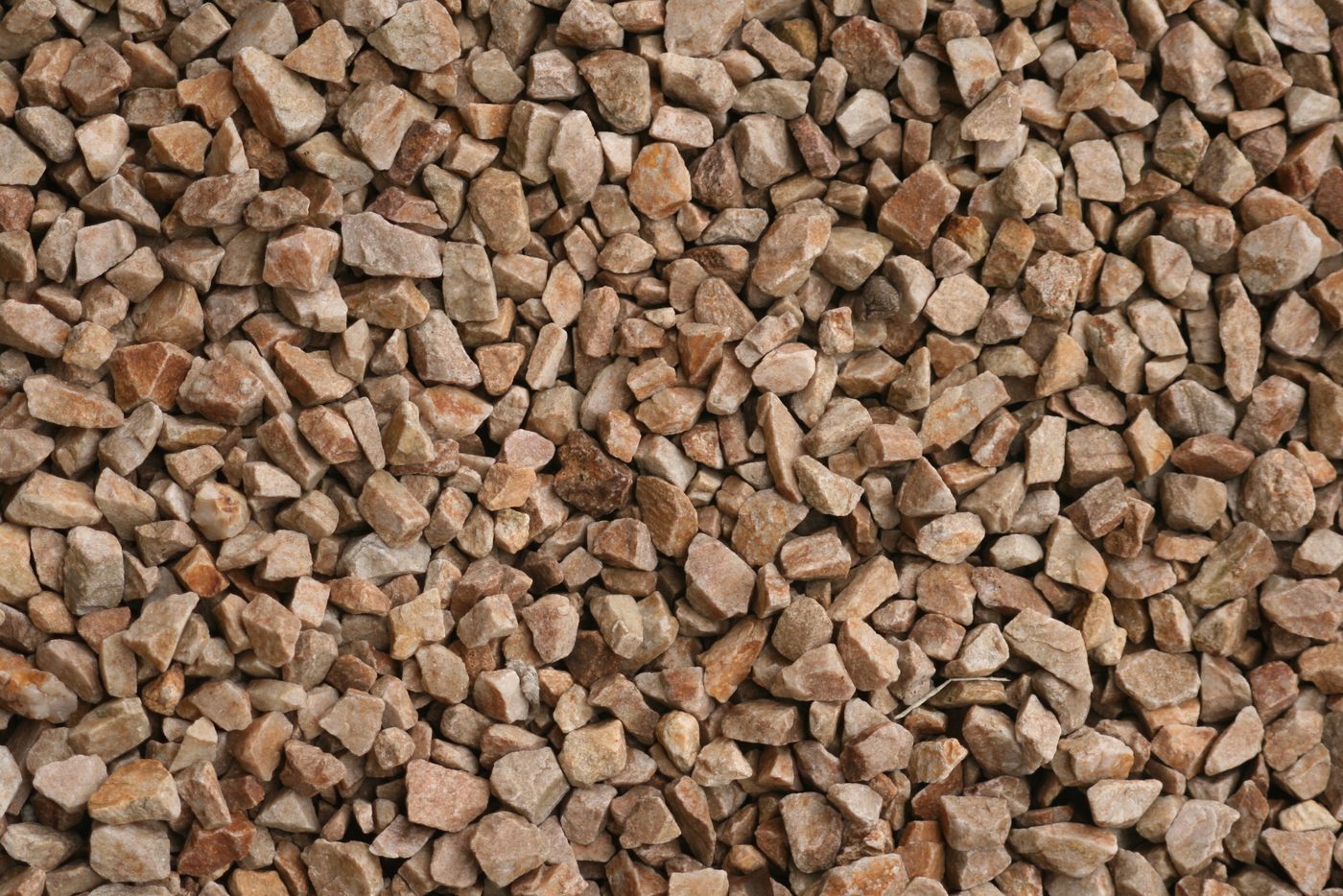
Close-up of construction gravel stones (Source: Wikimedia Commons)
Concrete blocks: Used for constructing walls, offering better insulation and durability than timber.
Rebar steel: Reinforcement bars embedded in concrete to enhance tensile strength.
Roofing protects pigs from sun, rain, and wind, impacting their health and productivity.

corrugated iron sheet with brand marking (Source: Wikimedia Commons)
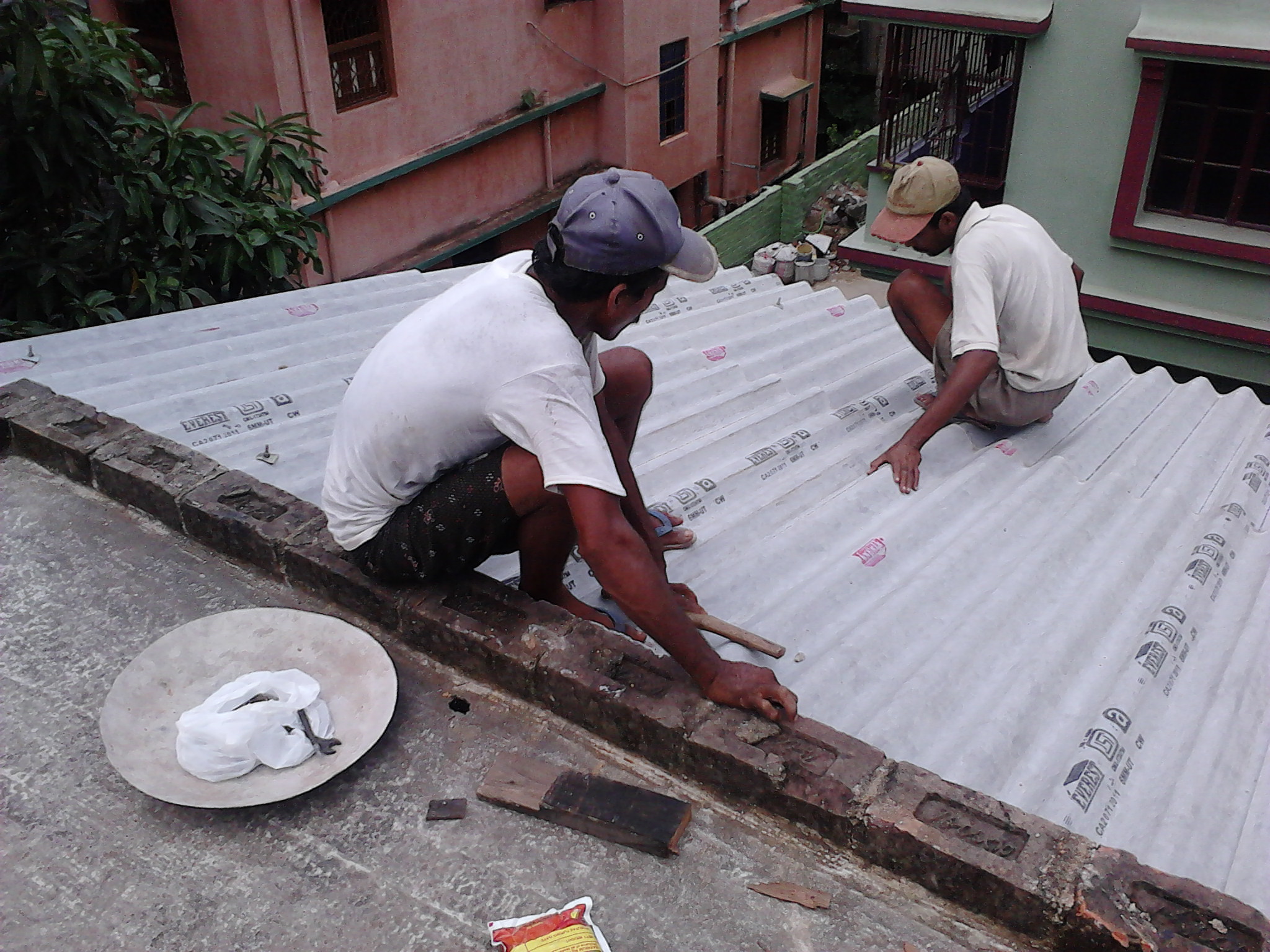
Workers installing asbestos cement roofing sheets (Source: Wikimedia Commons)
Fencing secures pigs and separates groups, while flooring affects hygiene and comfort.
Create a free account to open more of this chapter.
Free: practical guides, quick cards, workplace scenarios and more.
Create a free accountThis chapter explored the essential tools, equipment, and materials required for constructing pig structures, highlighting the importance of selecting appropriate saws, machinery, and building supplies. It emphasized the critical factors involved in choosing a suitable site for pig housing, considering aspects such as drainage, ventilation, and proximity to water sources. The detailed process of constructing pig structures was outlined, focusing on design, layout, and assembly techniques to ensure durability and animal welfare. Maintenance practices were discussed to prolong the lifespan of the structures and maintain a healthy environment for the pigs. The chapter also covered the importance of keeping accurate records related to construction and maintenance activities to facilitate effective management. Finally, it addressed waste management strategies crucial for controlling pollution and promoting sustainability within pig production systems.
At the start of this chapter we promised you would be able to:
Tick each one you can genuinely do.
So, are you there yet?
You're competent when you can confidently do 50% or more of what this chapter promised.
Sign in to record how you're doing.