The efficient functioning of animals in production systems depends largely on the proper operation of their physiological processes. For animal production professionals in Kenya, understanding how organ systems work and interact is crucial for managing health, nutrition, reproduction, and welfare. This chapter explores the key organ systems and their roles, illustrating how these systems support productivity and resilience in livestock such as dairy cattle, goats, sheep, and poultry. Mastery of these physiological functions enables timely interventions and enhances overall farm profitability.
3.1 Identification and illustration of Animal organ systems
3.1.1 Circulatory system
The circulatory system plays a vital role in transporting nutrients, oxygen, hormones, and metabolic wastes throughout the animal’s body. In Kenyan livestock farming, maintaining optimal circulatory health is essential for growth, milk production, and disease resistance. The system comprises the heart, blood vessels, and blood, working together to sustain cellular activities.
Components of the circulatory system
- Heart: A muscular organ that pumps blood through the vessels, ensuring continuous circulation. In cattle, the heart has four chambers allowing separation of oxygenated and deoxygenated blood, which improves efficiency.
- Blood vessels: Arteries carry oxygen-rich blood away from the heart, veins return oxygen-poor blood, and capillaries facilitate nutrient and gas exchange at the cellular level.
- Blood: Composed of plasma, red blood cells, white blood cells, and platelets, blood carries oxygen, nutrients, immune cells, and clotting factors.
- Lymphatic vessels: Though part of the lymphatic system, they assist the circulatory system by returning excess fluid to the bloodstream.
- Valves: Present in veins and the heart, valves prevent backflow, ensuring unidirectional blood movement.
Functions of the circulatory system
- Transportation: Delivers oxygen and nutrients to tissues and removes carbon dioxide and metabolic wastes.
- Regulation: Helps maintain body temperature and pH balance by distributing heat and buffering blood.
- Protection: Circulates white blood cells and antibodies that defend against infections common in livestock such as East Coast fever.
- Clotting: Platelets and clotting factors prevent excessive blood loss from injuries sustained during handling or grazing.
- Hormonal distribution: Transports hormones like oxytocin and prolactin that regulate reproduction and lactation in dairy goats.
Circulatory system disorders affecting productivity
- Anemia: Reduced red blood cells impair oxygen delivery, resulting in poor growth and reduced milk yield.
- Heart failure: Can arise from infections like blackleg or nutritional deficiencies, leading to poor stamina and death.
- Blood parasites: Trypanosomiasis transmitted by tsetse flies causes severe circulatory compromise in cattle.
- Edema: Caused by lymphatic obstruction or heart problems, leading to swelling and decreased mobility.
- Shock: Severe circulatory failure due to trauma or infection can be fatal without prompt intervention.
Circulatory system adaptations in Kenyan livestock
- High-altitude tolerance: Indigenous breeds such as the East African Zebu have circulatory adaptations to cope with hypoxia in highland areas.
- Heat dissipation: Efficient blood flow near the skin surface helps cattle in arid regions regulate body temperature.
- Disease resistance: Some breeds exhibit enhanced immune cell circulation, improving resilience to endemic diseases.
- Efficient nutrient transport: Breeds adapted for milk production have high cardiac output to meet metabolic demands.
- Stress response: The system modulates blood flow during handling to minimize stress effects on productivity.
Practice Questions
- Describe the main components of the circulatory system in livestock and explain their functions. (10 marks)
- Explain how circulatory system disorders can affect productivity in Kenyan dairy cattle. (10 marks)
- Discuss physiological adaptations of the circulatory system in indigenous Kenyan livestock breeds. (10 marks)
3.1.2 Digestive system
The digestive system converts feed into absorbable nutrients to support maintenance, growth, reproduction, and lactation in animals. Understanding its structure and function is critical for animal production professionals to optimize feeding regimes and prevent digestive disorders in ruminants and monogastrics common in Kenya.
Structure of the digestive system in ruminants and monogastrics
- Ruminants: The system includes the rumen, reticulum, omasum, and abomasum before the intestines. The rumen hosts microbes that ferment fibrous feeds like Napier grass, producing volatile fatty acids.
- Monogastrics: Such as pigs and poultry have a simple stomach where enzymatic digestion predominates.
- Mouth and esophagus: Mechanical breakdown of feed begins in the mouth with chewing and saliva secretion, followed by transport to the stomach.
- Small intestine: Site of enzymatic digestion and absorption of nutrients such as amino acids, sugars, and fatty acids.
- Large intestine: Absorbs water and forms feces; in ruminants, it also hosts microbial fermentation.
- Accessory organs: Liver, pancreas, and salivary glands secrete bile and enzymes aiding digestion.
Functions of the digestive system in ruminants and monogastrics
The digestive system in both ruminants and monogastrics performs several vital functions to ensure animals derive maximum benefit from their feed. In ruminants, the multi-chambered stomach enables microbial fermentation, breaking down fibrous plant material into volatile fatty acids, which provide energy for maintenance and production. Monogastrics, such as pigs and poultry, rely on enzymatic digestion in a single-chambered stomach to convert feed into absorbable nutrients. Both systems facilitate the absorption of amino acids, sugars, and fatty acids in the small intestine, supporting growth and productivity. The large intestine reclaims water and minerals, forming feces and maintaining hydration. Accessory organs like the liver and pancreas secrete bile and enzymes, further aiding digestion and nutrient assimilation, which is critical for efficient animal production in Kenyan farms.
Functions of the digestive system
- Ingestion and mastication: Breaks down feed physically to increase surface area for microbial and enzymatic action.
- Fermentation (ruminants): Microbes degrade cellulose and hemicellulose into volatile fatty acids which provide up to 70% of energy.
- Enzymatic digestion: Proteins, carbohydrates, and fats are hydrolyzed into absorbable units.
- Absorption: Nutrients pass through intestinal walls into the bloodstream or lymph for distribution.
- Excretion: Undigested residues are expelled as feces, maintaining gut health.
Common digestive disorders in Kenyan livestock
- Bloat: Gas accumulation in the rumen due to sudden diet changes or ingestion of lush pasture, causing distress and potential death.
- Acidosis: Excessive grain feeding lowers rumen pH, killing beneficial microbes and damaging the mucosa.
- Parasitic infections: Worms in the gastrointestinal tract reduce nutrient absorption, causing poor growth.
- Enteritis: Inflammation of the intestines often due to bacterial infection, resulting in diarrhea and dehydration.
- Nutritional deficiencies: Poor-quality forage lacking minerals or vitamins impairs digestive efficiency and productivity.
Management practices to optimize digestion
- Balanced feeding: Combining roughage and concentrates to maintain rumen pH and microbial health.
- Feed additives: Use of probiotics and enzymes to enhance digestion and nutrient uptake.
- Regular deworming: Controls parasitic load to improve feed conversion.
- Adequate water supply: Essential for digestion and toxin elimination.
- Proper feed storage: Prevents mold growth that can produce toxins harmful to the digestive tract.
Practice Questions
- Compare the structure of the digestive system in ruminants and monogastric animals. (10 marks)
- Explain the role of microbial fermentation in the ruminant digestive system. (10 marks)
- Identify common digestive disorders in Kenyan livestock and suggest management strategies. (10 marks)
3.1.3 Reproductive system
Reproduction is fundamental to livestock production, ensuring herd replacement and genetic improvement. Understanding the reproductive anatomy and physiology enables animal production professionals to enhance breeding efficiency and address infertility challenges common in Kenyan farms.
Male reproductive system anatomy and function
- Testes: Produce sperm and testosterone, essential for fertility and secondary sexual characteristics.
- Epididymis: Site for sperm maturation and storage.
- Vas deferens: Transports sperm during ejaculation.
- Accessory glands: Seminal vesicles, prostate, and bulbourethral glands produce seminal fluid to nourish and protect sperm.
- Penis: Organ for copulation and sperm delivery.
Female reproductive system anatomy and function
- Ovaries: Produce ova (eggs) and secrete hormones like estrogen and progesterone regulating the estrous cycle.
- Oviducts (Fallopian tubes): Transport ova from ovaries to uterus; site of fertilization.
- Uterus: Supports embryo implantation and fetal development.
- Cervix: Acts as a barrier protecting the uterus and opens during estrus and parturition.
- Vagina: Birth canal and copulatory organ.
Hormonal regulation of reproduction
- Gonadotropin-releasing hormone (GnRH): Stimulates release of LH and FSH from the pituitary gland.
- Luteinizing hormone (LH): Triggers ovulation and corpus luteum formation.
- Follicle-stimulating hormone (FSH): Promotes follicle development in ovaries.
- Estrogen: Causes estrus behavior and prepares reproductive tract.
- Progesterone: Maintains pregnancy and suppresses estrus.
Reproductive challenges and interventions in Kenyan livestock
- Infertility: Can arise from poor nutrition, infections like brucellosis, or heat stress.
- Estrus detection failure: Leads to missed breeding opportunities; use of teaser animals or heat detection aids can help.
- Calving difficulties: Common in large breeds or undernutrition; proper management and veterinary assistance reduce losses.
- Artificial insemination (AI): Widely used to improve genetics and disease control.
- Synchronization protocols: Hormonal treatments align estrus cycles for planned breeding.
Practice Questions
- Describe the main structures of the male and female reproductive systems in livestock. (10 marks)
- Explain the hormonal control of the estrous cycle in cattle. (10 marks)
- Discuss reproductive challenges faced by Kenyan farmers and suggest practical solutions. (10 marks)
3.1.4 Respiratory system
The respiratory system ensures oxygen intake and carbon dioxide removal, sustaining cellular respiration and energy production. For Kenyan livestock, respiratory health is critical, especially in environments where dust, pathogens, and heat stress can impair lung function.
Anatomy of the respiratory system
- Nasal cavity: Filters, warms, and moistens incoming air.
- Pharynx and larynx: Conduct air to the trachea while preventing food entry into the airway.
- Trachea: A rigid tube supported by cartilage rings transporting air to the lungs.
- Bronchi and bronchioles: Branching tubes directing air to alveoli.
- Alveoli: Tiny sacs where gas exchange occurs between air and blood.
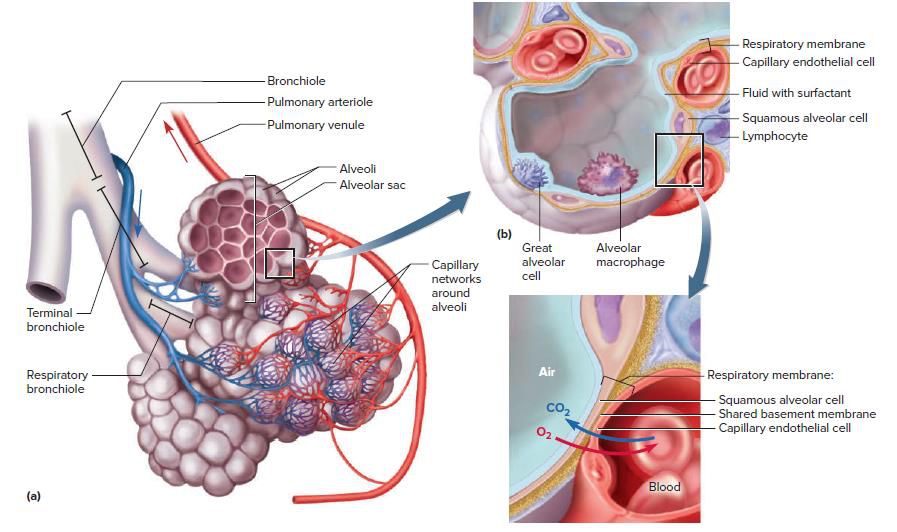
The detailed structure of the alveoli in the lungs (Source: e342927be8e0e562)
- Diaphragm and intercostal muscles: Facilitate breathing movements.
Physiology of respiration
- Inhalation: Diaphragm contracts, expanding chest cavity and drawing air into lungs.
- Gas exchange: Oxygen diffuses from alveoli into blood; carbon dioxide diffuses out.
- Exhalation: Diaphragm relaxes, pushing air out.
- Oxygen transport: Bound to hemoglobin in red blood cells for delivery to tissues.
- Carbon dioxide removal: Transported dissolved in plasma or as bicarbonate for exhalation.
Respiratory diseases affecting productivity
- Pneumonia: Common in calves and poultry, reduces growth and increases mortality.
- Parasitic lung infections: Lungworms cause coughing and poor feed conversion.
- Dust and heat stress: Aggravate respiratory function in dry regions.
- Infectious bovine rhinotracheitis (IBR): Viral infection causing respiratory distress.
- Tuberculosis: Chronic disease affecting lungs and causing production losses.
Management of respiratory health
- Adequate ventilation: Reduces airborne pathogens and dust in housing.
- Vaccination: Controls viral and bacterial respiratory diseases.
- Proper nutrition: Supports immune function to resist infections.
- Stress reduction: Minimizing overcrowding and heat exposure improves lung health.
- Regular deworming: Controls lungworm infestations.
Practice Questions
- Outline the main anatomical structures of the respiratory system in livestock. (10 marks)
- Describe the physiological process of gas exchange in the lungs. (10 marks)
- Identify respiratory diseases common in Kenyan livestock and suggest control measures. (10 marks)
3.1.5 Excretory system
The excretory system removes metabolic wastes and maintains internal chemical balance, which is essential for animal health and productivity. Kenyan animal production professionals must understand kidney function and waste elimination to prevent toxic build-up and dehydration.
Components of the excretory system
- Kidneys: Filter blood to remove urea, salts, and excess water forming urine.
- Ureters: Transport urine from kidneys to the bladder.
- Urinary bladder: Stores urine until elimination.
- Urethra: Conducts urine outside the body.
- Skin and lungs: Assist in excretion through sweat and exhalation of water and carbon dioxide.
Functions of the excretory system
- Waste removal: Eliminates nitrogenous wastes like urea, preventing toxicity.
- Water balance: Regulates fluid volume through selective reabsorption in kidneys.
- Electrolyte balance: Maintains sodium, potassium, and calcium levels critical for muscle and nerve function.
- Acid-base balance: Controls blood pH by excreting hydrogen ions and bicarbonate.
- Blood pressure regulation: Kidneys produce renin to regulate vascular tone.
Common excretory disorders in livestock
- Kidney failure: Due to toxins or infections, causes accumulation of waste and death if untreated.
- Urinary calculi: Mineral stones obstruct urine flow, common in male goats fed imbalanced diets.
- Dehydration: From inadequate water intake or diarrhea, impairs excretion and productivity.
- Bladder infections: Cause pain and reduce feed intake.
- Salt poisoning: Occurs when water is scarce and animals consume excess salt.
Best practices for excretory health management
- Provide clean water: Ensure constant access to water to support kidney filtration.
- Balanced mineral supplementation: Prevents urinary calculi and electrolyte imbalances.
- Regular health monitoring: Early detection of urinary problems through observation of urination patterns.
- Avoid exposure to toxins: Proper storage of chemicals and feed prevents poisoning.
- Maintain hygiene: Reduces infections affecting urinary tract.
Practice Questions
- Describe the main components and functions of the excretory system in livestock. (10 marks)
- Explain common excretory disorders affecting production in Kenyan farms. (10 marks)
- Suggest management practices to maintain excretory system health in livestock. (10 marks)
3.1.6 Nervous system
The nervous system coordinates body functions by transmitting signals between different body parts, enabling animals to respond to internal and external stimuli. For livestock producers, understanding nervous control helps in managing behavior, stress, and neurological diseases.
Structure of the nervous system
- Central nervous system (CNS): Consists of the brain and spinal cord, responsible for processing information and issuing commands.
- Peripheral nervous system (PNS): Comprises sensory and motor nerves connecting CNS to limbs and organs.
- Neurons: Specialized cells transmitting electrical impulses.
- Sensory receptors: Detect stimuli such as touch, temperature, and pain.
- Neurotransmitters: Chemicals that transmit signals across synapses between neurons.
Functions of the nervous system
- Sensory input: Collects information from the environment and body.
- Integration: Processes and interprets sensory data to make decisions.
- Motor output: Sends commands to muscles and glands for movement or secretion.
- Homeostasis: Regulates vital functions like heart rate and digestion.
- Reflex actions: Rapid involuntary responses protecting animals from harm.
Neurological disorders in Kenyan livestock
- Rabies: Viral disease affecting the CNS leading to behavioral changes and death.
- Nervous coccidiosis: A parasitic disease causing tremors and convulsions in young animals.
- Tetanus: Bacterial infection causing muscle stiffness and spasms.
- Polioencephalomalacia: Thiamine deficiency resulting in brain damage and neurological signs.
- Traumatic injuries: Spinal cord damage from accidents affecting mobility.
Managing nervous system health
- Vaccination: Prevents diseases like rabies and tetanus.
- Proper nutrition: Ensures adequate vitamins and minerals for nerve function.
- Safe handling: Minimizes traumatic injuries during transport or herding.
- Parasite control: Reduces risk of nervous system infections.
- Stress reduction: Calm environments lower risk of neurological disorders linked to stress.
Structure and function of the nervous system
The nervous system in livestock is organized into central and peripheral components, each with specialized functions. The central nervous system (CNS) includes the brain and spinal cord, which process information and coordinate responses. The peripheral nervous system (PNS) consists of nerves that connect the CNS to limbs and organs, transmitting sensory and motor signals. Neurons, the basic units of the nervous system, communicate via electrical impulses and neurotransmitters to regulate body functions. Sensory receptors detect changes in the environment, such as temperature or pain, and relay this information to the CNS for interpretation. The nervous system's integrated structure and function enable animals to adapt quickly to changes, ensuring survival and productivity in dynamic farm environments.
Practice Questions
- Outline the structure and main components of the nervous system in livestock. (10 marks)
- Explain how the nervous system controls animal responses to stimuli. (10 marks)
- Describe common neurological disorders in Kenyan livestock and their management. (10 marks)
3.1.7 Lymphatic system
The lymphatic system supports immunity and fluid balance, protecting animals from infections and maintaining tissue health. For Kenyan farmers, supporting lymphatic function is important for disease resistance and recovery.
Components of the lymphatic system
- Lymph: Fluid containing white blood cells that circulates through lymph vessels.
- Lymph vessels: Transport lymph from tissues to the bloodstream.
- Lymph nodes: Filter lymph and house immune cells that destroy pathogens.
- Spleen: Filters blood, removes old red blood cells, and mounts immune responses.
- Thymus: Site for maturation of T-lymphocytes critical for adaptive immunity.
Functions of the lymphatic system
- Fluid balance: Returns excess interstitial fluid to the circulatory system preventing edema.
- Immune defense: Produces and activates lymphocytes to fight infections.
- Fat absorption: Transports lipids from the digestive tract via specialized vessels called lacteals.
- Waste removal: Clears cellular debris and pathogens from tissues.
- Antibody production: Supports humoral immunity essential in vaccination responses.
Lymphatic disorders affecting livestock health
- Lymphadenitis: Inflammation of lymph nodes due to bacterial infections like tuberculosis.
- Edema: Caused by lymphatic obstruction or heart failure, leading to swelling.
- Lymphangitis: Infection of lymph vessels causing pain and lameness.
- Immunodeficiency: Resulting from thymus dysfunction, increases susceptibility to infections.
- Cancer: Rare lymphomas can affect lymphatic tissue.
Enhancing lymphatic system function
- Vaccination programs: Stimulate lymphocyte production and antibody formation.
- Good hygiene: Reduces infection risks that burden the lymphatic system.
- Proper nutrition: Supports immune cell development and function.
- Regular exercise: Promotes lymph flow and prevents fluid stagnation.
- Early treatment of infections: Prevents spread to lymph nodes and vessels.
Practice Questions
- Identify the main components of the lymphatic system and their roles. (10 marks)
- Explain the functions of the lymphatic system in livestock health. (10 marks)
- Discuss common lymphatic disorders and management strategies in Kenyan livestock. (10 marks)
3.1.8 Cardiovascular system
The cardiovascular system is often used interchangeably with the circulatory system but focuses more on the heart and blood vessels delivering blood throughout the body. Its efficiency underpins animal vitality and production performance.
Anatomy of the cardiovascular system
- Heart chambers: Four chambers in ruminants and monogastrics separate oxygenated and deoxygenated blood.
- Arteries and veins: Arteries carry blood away from the heart; veins return it.
- Capillaries: Microscopic vessels facilitating exchange between blood and tissues.
- Coronary vessels: Supply the heart muscle itself with oxygen and nutrients.
- Valves: Prevent backflow within the heart and veins.
Cardiovascular system functions
- Blood circulation: Maintains oxygen and nutrient delivery to tissues.
- Waste removal: Transports carbon dioxide and metabolic wastes to excretory organs.
- Temperature regulation: Controls heat distribution via blood flow.
- Hormonal transport: Distributes endocrine signals to target organs.
- Immune surveillance: Circulates white blood cells to detect and fight pathogens.
Cardiovascular diseases in livestock
- Heartworm disease: Parasitic infestation affecting heart function.
- Myocarditis: Inflammation of heart muscle due to infections.
- Congestive heart failure: Leads to fluid accumulation and reduced performance.
- Anemia-related stress: Reduces oxygen carrying capacity stressing the heart.
- Vascular injuries: Trauma or disease causing hemorrhage.
Maintaining cardiovascular health
- Proper nutrition: Adequate minerals like selenium and copper support heart function.
- Parasite control: Prevents heartworm and blood parasites.
- Stress management: Reduces heart workload and risk of failure.
- Regular exercise: Improves cardiac output and vascular health.
- Early disease detection: Facilitates timely veterinary intervention.
Structure and function of the cardiovascular system
The cardiovascular system comprises the heart, arteries, veins, and capillaries, each playing a distinct role in maintaining circulation. The heart acts as a muscular pump with four chambers in livestock, ensuring separation and efficient flow of oxygenated and deoxygenated blood. Arteries transport blood away from the heart under high pressure, while veins return it, aided by valves that prevent backflow. Capillaries, with their thin walls, facilitate the exchange of gases, nutrients, and waste between blood and tissues. This system supports endurance activities in animals like horses by delivering oxygen and nutrients to muscles during prolonged exercise. The coordinated structure and function of the cardiovascular system are essential for sustaining high levels of productivity and health in Kenyan livestock.
Practice Questions
- Describe the main anatomical features of the cardiovascular system in livestock. (10 marks)
- Explain the physiological functions of the cardiovascular system in animal production. (10 marks)
- Identify cardiovascular diseases affecting Kenyan livestock and suggest preventive measures. (10 marks)
3.1.9 Musculoskeletal system
The musculoskeletal system provides support, movement, and protection to internal organs. Its integrity is crucial for animal mobility, feeding, reproduction, and overall productivity in Kenyan livestock enterprises.
Components of the musculoskeletal system
Functions of the musculoskeletal system
- Support: Maintains body shape and posture facilitating grazing and movement.
- Movement: Skeletal muscles enable locomotion necessary for feeding and mating.
- Protection: Shields organs like the brain and heart from injury.
- Mineral storage and release: Bones regulate calcium and phosphorus levels.
- Blood cell production: Bone marrow produces red and white blood cells.
Common musculoskeletal problems in Kenyan livestock
- Fractures: Result from accidents or poor handling, causing immobility.
- Arthritis: Degenerative joint disease causing lameness and reduced productivity.
- Muscle atrophy: Due to malnutrition or prolonged inactivity.
- Nutritional deficiencies: Lack of minerals like calcium and phosphorus weakens bones.
- Foot rot: Infectious disease causing inflammation and pain in hooves.
Maintaining musculoskeletal health
- Balanced diet: Ensures adequate protein and minerals for muscle and bone strength.
- Proper housing: Prevents injuries from slippery or rough surfaces.
- Regular exercise: Maintains muscle tone and joint flexibility.
- Prompt veterinary care: Treats injuries and infections early to prevent chronic problems.
- Hoof care: Regular trimming and hygiene prevent foot diseases.
Practice Questions
- Identify and describe the components of the musculoskeletal system in livestock. (10 marks)
- Explain the functions of the musculoskeletal system in animal movement and productivity. (10 marks)
- Discuss common musculoskeletal disorders in Kenyan livestock and their management. (10 marks)
The rest of this chapter
🔒Create a free account to open more of this chapter.
Free: practical guides, quick cards, workplace scenarios and more.
Create a free account 🔒3.2 Animal physiological processes
Animal physiological processes are vital biological functions that sustain life and productivity in livestock. In Kenya's diverse animal production systems, understanding these processes enables producers to optimize animal health, welfare, and productivity. F…
🔒3.3 Adaptations Animal Body Organs
In animal production, understanding how key organs adapt to various environmental and physiological stresses is crucial for optimizing livestock health and productivity. Kenyan farmers and animal health professionals often face challenges such as heat stress,…
Chapter Summary
This chapter explored the identification and illustration of key animal organ systems, including the circulatory, digestive, reproductive, respiratory, excretory, nervous, lymphatic, cardiovascular, and musculoskeletal systems, emphasizing their structure and function. It then examined essential animal physiological processes such as respiration, thermoregulation, and osmoregulation, detailing how animals maintain homeostasis through these mechanisms. The chapter also discussed specific adaptations of vital body organs that enable animals to thrive in various environments, focusing on the heart, lungs, kidney, skin, liver, and pancreas. These adaptations highlight the specialized roles each organ plays in supporting survival and efficient physiological functioning. Understanding these systems and processes provides a comprehensive foundation for applying knowledge of animal physiology in practical settings. The integration of anatomical structure with physiological function is crucial for effective animal health management and welfare. Overall, the chapter presented a holistic view of how animal bodies operate and adapt to internal and external challenges.
Self-Assessment
🔒 PDFDownload this self-assessment, with answers
A. Written Assessment
- Which organ system is primarily responsible for transporting nutrients, oxygen, and hormones to body cells in livestock? (2 marks)
- Describe the main function of the nephron in the excretory system of cattle. (3 marks)
🔒20 more in this section.
Chapter Examination Questions
🔒 PDFDownload these examination questions, with worked answers
SECTION A (40 Marks) - Answer ALL Questions
- Describe the main functions of the circulatory system in livestock, illustrating your answer with an example from dairy cattle in Kenya. (4 marks)
- Identify and explain the role of any four organs in the digestive system of a goat. (4 marks)
🔒18 more in this section.
