Maintaining fish hatcheries is a critical aspect of fish farm management that ensures the successful reproduction and early development of fish species. In Kenya, where aquaculture is increasingly contributing to food security and livelihoods, maintaining optimal hatchery conditions safeguards the quality and survival of fingerlings. Proper hatchery management involves strict adherence to hygiene and safety protocols, including the use of personal protective gear to prevent contamination and protect workers from biological and chemical hazards. This chapter focuses on the essential personal protective equipment (PPE) needed in fish hatcheries and their role in maintaining a safe and productive environment.
4.1 Personal Protective Gears
4.1.1 Types of Personal Protective Gears Used in Fish Hatcheries
Fish hatcheries require a variety of personal protective equipment tailored to the specific risks present in the environment. These include items that protect against biological contamination, chemical exposure, and physical injury.
Types of PPE
- Gloves: Typically made of nitrile or rubber, gloves protect hands from harmful bacteria, parasites, and chemicals used in disinfecting hatchery equipment. They prevent direct contact with waterborne pathogens during egg handling or fish sorting.
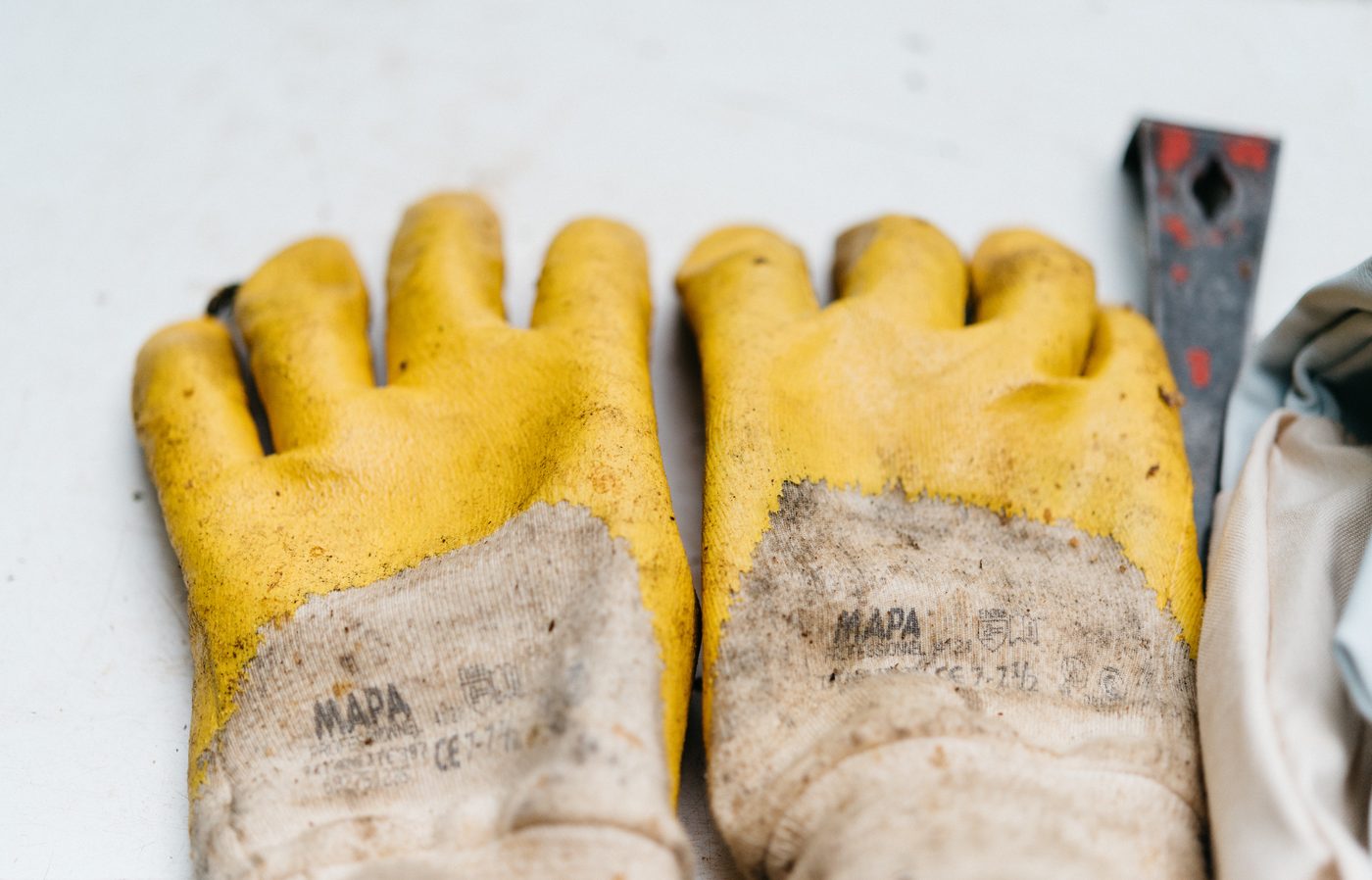
Pair of yellow work gloves used in carpentry (Source: Wikimedia Commons)
- Waterproof aprons and overalls: These garments prevent water and chemicals from soaking into clothing, reducing skin exposure to contaminants and maintaining worker hygiene.
- Rubber boots: Essential for protecting feet from wet and slippery surfaces, rubber boots also prevent injuries from sharp objects like broken shells or equipment parts on hatchery floors.
- Face masks and shields: Masks filter airborne particles and reduce inhalation of aerosols generated during water treatment or chemical application, while face shields protect the face from splashes.
- Protective eyewear: Goggles or safety glasses guard against accidental splashes of water or chemicals that could cause eye irritation or injury.
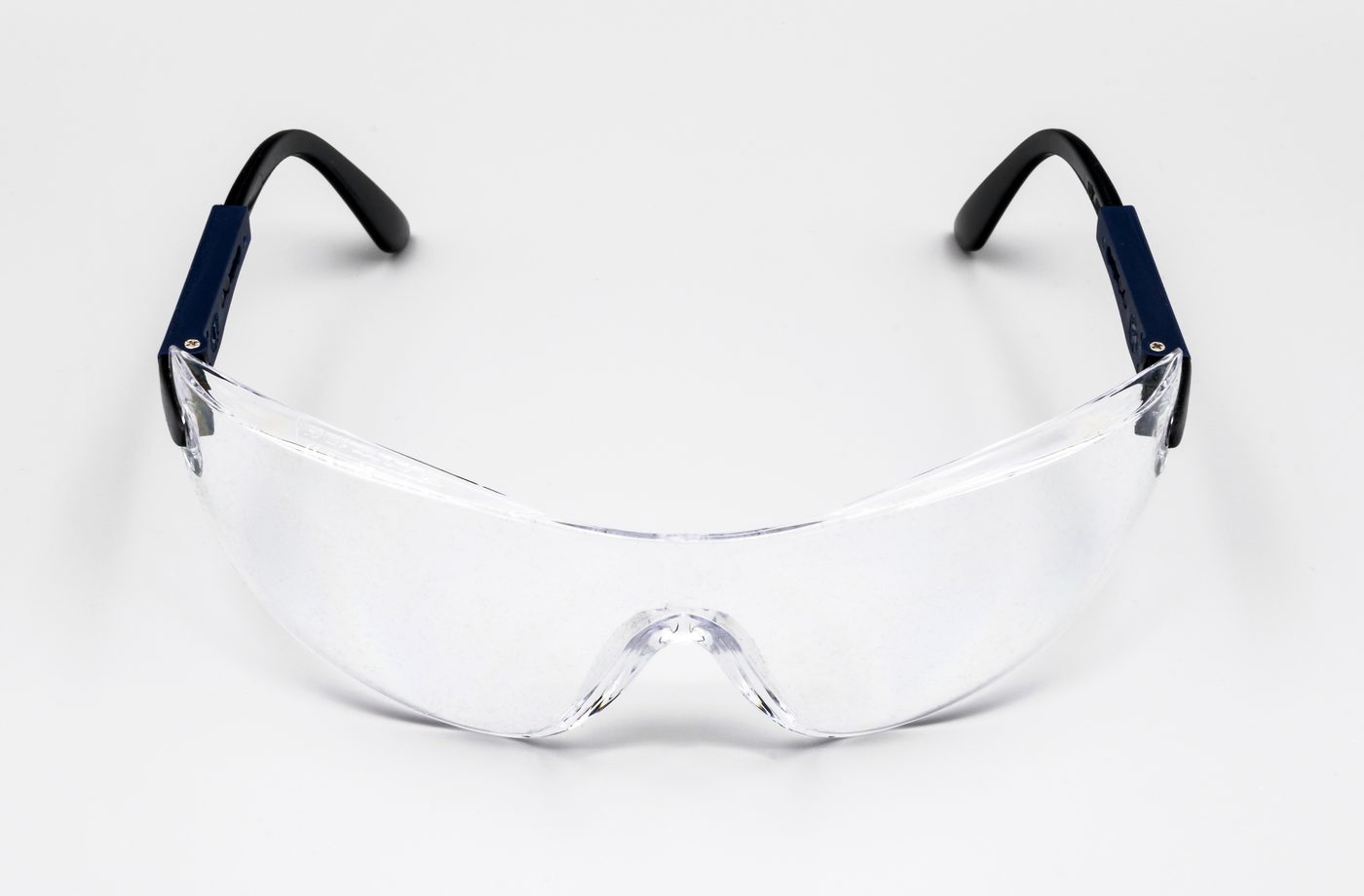
Clear protective eyewear for safety (Source: Wikimedia Commons)
Each type of PPE plays a unique role in maintaining biosecurity and worker safety in a hatchery setting, especially in facilities located in Kenya’s varied climatic zones where workers may face both wet and chemical hazards.
4.1.2 Criteria for Selecting Appropriate PPE in Fish Hatcheries
Selecting the right personal protective gear involves assessing the specific hazards present in the hatchery environment and choosing equipment that offers effective protection without hindering work efficiency.
Key Selection Criteria
- Hazard compatibility: PPE must be suited for the specific hazards, such as chemical resistance for gloves used in disinfectant handling or waterproof materials for clothing exposed to water.
- Comfort and fit: Properly fitting gear increases compliance among workers. Ill-fitting gloves or boots can reduce dexterity and increase accident risk.
- Durability: Hatchery PPE should withstand repeated exposure to water, chemicals, and physical wear without degrading quickly.
- Ease of cleaning: Since hatchery PPE is frequently exposed to contaminants, it should be easy to clean and disinfect to prevent cross-contamination.
- Cost-effectiveness: While quality is essential, selecting PPE that fits within the hatchery’s budget ensures sustainable use and replacement.
4.1.3 Proper Use of Personal Protective Gears in Hatchery Operations
Using personal protective gear correctly is as important as selecting the right type. Proper donning, wearing, and doffing procedures reduce contamination risks and protect workers effectively.
Guidelines for Correct PPE Use
- Donning sequence: Workers should put on PPE in an order that prevents contamination, typically starting with boots, followed by gloves, aprons, and face protection.
- Ensuring a secure fit: Gloves should fit snugly to maintain dexterity, and masks must seal properly around the nose and mouth to be effective.
- Avoiding cross-contamination: PPE should not be touched on the outside once donned, and workers must change gloves between handling different batches of eggs or fish.
- Safe removal: Removing PPE should be done carefully to avoid contact with contaminated surfaces, for example, by turning gloves inside out while removing.
- Disposal or cleaning: Single-use PPE must be disposed of safely in designated waste containers, while reusable items require thorough cleaning and disinfection after each use.
At a university aquaculture research hatchery in Nakuru, staff follow strict protocols for changing gloves between tasks to prevent disease spread among fish stocks, illustrating the importance of proper PPE use.
4.1.4 Maintenance and Storage of Personal Protective Gears
Maintaining and storing personal protective gear correctly prolongs its effectiveness and ensures readiness for use. Poor maintenance can compromise the protective qualities of PPE and increase health risks.
Maintenance Practices
- Regular cleaning: Reusable PPE like boots, aprons, and goggles must be washed with clean water and disinfected after every use to remove pathogens and chemical residues.
- Inspection for damage: Before each use, PPE should be checked for tears, cracks, or wear that could reduce protection, such as holes in gloves or worn boot soles.
- Proper drying: After cleaning, gear should be air-dried in a clean, shaded area to prevent microbial growth and material deterioration.
- Safe storage: PPE should be stored in a dry, ventilated space away from direct sunlight and chemicals that could degrade materials.
- Replacement schedule: Hatchery managers should establish timelines for replacing PPE based on manufacturer recommendations and observed wear to ensure ongoing protection.
Practice Questions
- Explain five types of personal protective gears used in fish hatcheries and their specific protective functions. (10 marks)
- Describe five criteria to consider when selecting appropriate personal protective equipment for use in a fish hatchery. (10 marks)
- Outline the correct procedure for donning and doffing PPE in a fish hatchery and explain why each step is important. (12 marks)
- Discuss five best practices for maintaining and storing personal protective gear in a fish hatchery. (10 marks)
The rest of this chapter
🔒Create a free account to open more of this chapter.
Free: practical guides, quick cards, workplace scenarios and more.
Create a free account 🔒4.2 Hatchery Management Tools, Equipment
Efficient management of a fish hatchery in Kenya depends heavily on the availability and proper use of specialized tools and equipment. These instruments not only facilitate the breeding and rearing processes but also ensure optimal survival rates of fish fry…
🔒4.3 Hatchery Pre-stocking Activities
In fish hatchery management, pre-stocking activities are critical to ensure that the environment and resources are optimally prepared to support the survival and growth of fish fry and fingerlings. In Kenya, where aquaculture is expanding rapidly, hatchery ope…
🔒4.4 Brood Stock Sourcing
Sourcing quality brood stock is a critical step in fish hatchery management that directly influences the productivity and sustainability of fish farming operations in Kenya. Reliable brood stock ensures good genetic traits, disease resistance, and adaptability…
🔒4.5 Brood Stock Sorting
In fish hatchery management, brood stock sorting is a critical practice that ensures the selection of healthy, genetically superior fish for breeding. In Kenya’s aquaculture sector, especially in tilapia and catfish hatcheries across counties like Kirinyaga an…
🔒4.6 Brood Stock Feeding
In fish hatchery management, providing optimal nutrition to brood stock is essential for ensuring healthy reproduction and high-quality fry production. In Kenya’s fish farming sector, particularly in tilapia and catfish hatcheries, brood stock feeding directly…
🔒4.7 Water quality parameters
Maintaining optimal water quality is a fundamental aspect of operating fish hatcheries in Kenya. The success of hatchery operations, including egg incubation, larval development, and fry survival, depends heavily on controlling water parameters. Kenyan fish fa…
🔒4.8 Signs of infections and stress in brood stock
In fish hatchery management, maintaining the health of brood stock is essential for successful breeding and high-quality fry production. Brood stock under infection or stress show physiological and behavioural changes that can compromise reproduction and survi…
🔒4.9 Fingerlings Production
In Kenya's aquaculture sector, fingerlings production is a critical stage that directly influences the success of fish farming enterprises. Fingerlings are juvenile fish that have developed beyond the larval stage but are not yet mature, ready to be transferre…
🔒4.10 Fish hatchery records
Accurate and comprehensive record keeping is a cornerstone of successful fish hatchery management in Kenya. Maintaining detailed hatchery records enables fish farmers to monitor breeding performance, track growth rates, manage health issues, and ensure regulat…
Chapter Summary
Maintaining fish hatcheries involves several critical aspects to ensure successful fish breeding and fingerling production. Personal protective gears are essential for safeguarding workers from potential hazards while handling brood stock and equipment. Proper hatchery management tools and equipment facilitate efficient operations and contribute to the health of the fish. Pre-stocking activities prepare the hatchery environment to optimize conditions for breeding. Sourcing quality brood stock is vital for the genetic strength and productivity of the hatchery. Sorting brood stock helps in selecting healthy and mature fish for reproduction, while appropriate feeding supports their reproductive health and vigor. Monitoring water quality parameters ensures a suitable habitat, reducing stress and preventing infections in brood stock. Recognizing signs of infections and stress allows for timely interventions. Finally, accurate fish hatchery records are indispensable for tracking performance, managing breeding cycles, and improving hatchery practices.
Self-Assessment
🔒 PDFDownload this self-assessment, with answers
A. Written Assessment
-
Which of the following is NOT considered personal protective gear in fish hatcheries?
a) Gloves
b) Waders
c) Safety goggles
d) Raincoat
(2 marks)
-
Name three essential tools or equipment used in hatchery management and explain their primary function. (3 marks)
🔒20 more in this section.
Chapter Examination Questions
🔒 PDFDownload these examination questions, with worked answers
SECTION A (40 Marks) - Answer ALL Questions
- Explain the importance of using personal protective gear when handling fish brood stock in a hatchery. (4 marks)
- Identify four essential tools or equipment used in fish hatchery management and describe their primary function. (4 marks)
🔒18 more in this section.
