Fish holding units are essential facilities in fish farming operations, providing controlled environments where fish can be temporarily kept for purposes such as acclimatization, grading, treatment, or sale preparation. Proper construction of these units ensures optimal fish health, minimizes stress, and facilitates efficient management. In Kenya, where aquaculture is increasingly important for food security and income generation, well-constructed fish holding units contribute significantly to sustainable fish farming practices.
1.1 Tools, Equipment and Materials for Fish Holding Unit Construction
The construction of fish holding units requires a range of tools, equipment, and materials designed to create durable, water-tight, and fish-friendly environments. Selecting appropriate items is critical for the longevity of the unit and the wellbeing of the fish. This section explores the necessary construction tools, equipment specifications, and the materials ideal for fish holding units in the Kenyan aquaculture context.
1.1.1 Tools Required for Fish Holding Unit Construction
Essential Tools and Their Roles
- Measuring Tape and Spirit Level: These are vital for ensuring accurate dimensions and level surfaces, which prevent water leakage and structural imbalance. For example, at a county government fish farm in Kisumu, precise leveling helped maintain uniform water depth in tanks.
- Shovels and Spades: Used for earth excavation when constructing pond-based holding units or digging foundations for tanks. Their durability affects efficiency on farms with compacted soils.
- Concrete Mixer or Hoe: For mixing concrete in unit foundations or tank walls. A portable concrete mixer increases productivity in commercial settings like fish farms near Lake Victoria.
- Cutting Tools (Hacksaw, Bolt Cutters): Necessary for cutting metal reinforcements or PVC pipes used in tank frameworks. Bolt cutters are especially important for cutting wire mesh used in protective covers.
- Trowels and Floats: Used for smoothing concrete surfaces, ensuring water-tight finishes that reduce seepage and improve hygiene in tanks.
- Drill and Screwdrivers: For assembling wooden or metal frameworks, and installing fittings such as valves or aeration equipment.
Usage and Maintenance
- Tools should be cleaned immediately after use to prevent rust and wear, especially in humid environments common in fish farms.
- Sharp blades and cutting edges must be regularly sharpened to maintain efficiency and safety.
- Storage in dry, secure locations extends tool lifespan and prevents loss or damage.
1.1.2 Equipment Specifications for Fish Holding Unit Construction
Beyond hand tools, specific equipment facilitates efficient construction and ensures quality outcomes. Understanding the specifications of such equipment helps fish farmers or managers select appropriate machinery for their operations.
| Name |
Specification |
Use |
| Concrete Mixer |
Portable, 200L capacity, electric or petrol-powered |
Mixing uniform concrete for tank walls and floors |
| Water Pump |
Capacity: 5000 L/hr, submersible or surface type |
Filling and draining fish tanks efficiently |
| Welding Machine |
Arc welding, 220V, 150A capacity |
Joining metal frames or reinforcing structures |
| Generator |
5kVA, fuel-efficient |
Powering electric tools and equipment in off-grid farms |
| Vibrating Compactor |
Handheld, 1000-1500 rpm |
Compacting soil or concrete to increase structural stability |
Equipment Utilization and Care
- Concrete mixers must be cleaned promptly after use to prevent hardened concrete buildup.
- Water pumps require routine checks for clogging and impeller wear, especially when pumping water with debris.
- Welding machines should be operated by trained personnel, and safety gear must be used to prevent accidents.
- Generators need regular servicing, including oil changes and fuel system checks, to ensure reliable power supply.
- Vibrating compactors improve foundation strength but require careful handling to avoid operator fatigue and equipment damage.
1.1.3 Materials Used in Fish Holding Unit Construction
The choice of materials influences the durability, maintenance, and fish health within the holding units. Materials must be water-resistant, non-toxic, and suitable for the local environment and budget constraints common among Kenyan fish farmers.
Common Construction Materials and Their Attributes
-
Concrete: The most widely used material for tanks and pond linings due to its strength, durability, and impermeability. At a cooperative fish farm in Murang’a, concrete tanks have reduced water loss and improved biosecurity.
-
PVC and HDPE Liners: Flexible, lightweight, and resistant to chemicals, these liners are used in pond-based holding units to prevent seepage. They are suitable for smallholder farmers due to ease of installation.
- Steel Reinforcements (Rebar): Used within concrete structures to enhance tensile strength and prevent cracking under water pressure.
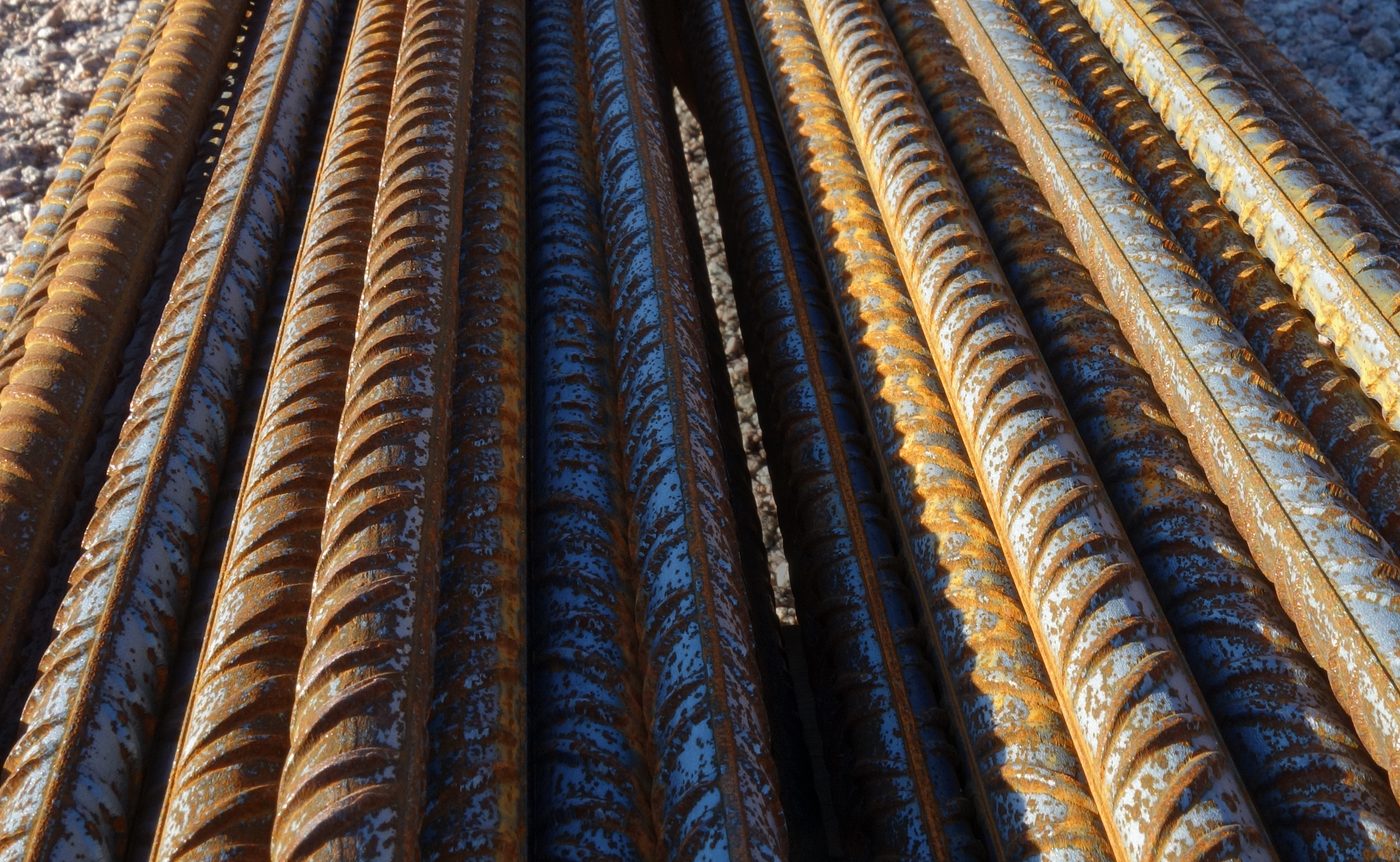
Close-up of steel reinforcement bars (Source: Wikimedia Commons)
-
Wood (Treated Timber): Used for frameworks and covers but must be treated to resist water damage and pests. Timber frames are common in small-scale hatcheries in Nakuru.
-
Wire Mesh and Nets: Employed to cover holding units, preventing predator access and fish escape, while allowing aeration.
Material Selection Considerations
- Durability under constant exposure to water and weather conditions is critical to avoid frequent repairs.
- Non-toxicity ensures fish health; untreated materials can leach harmful substances.
- Availability and cost influence material choice, with local suppliers in Nairobi and Kisumu offering different options.
- Maintenance requirements vary; for instance, concrete requires less frequent replacement than wooden structures.
1.1.4 Safety and Environmental Considerations in Material and Equipment Use
Construction activities for fish holding units must adhere to safety standards to protect workers and the environment. Proper handling and disposal of materials prevent contamination and accidents on farms.
Safety Practices During Construction
- Using personal protective equipment (PPE) such as gloves, boots, and eye protection reduces injury risk during handling of concrete, sharp tools, and welding.
- Safe storage of chemicals and paints prevents accidental spills into water sources.
- Ensuring electrical equipment is properly insulated avoids shocks, especially in wet environments typical of fish farms.
Environmental Protection Measures
- Avoiding over-excavation preserves soil structure and reduces erosion risks around ponds.
- Proper disposal of construction waste, such as concrete debris and plastic liners, prevents pollution.
- Selecting environmentally friendly materials supports sustainable fish farming practices aligned with Kenya’s environmental regulations.
Practice Questions
- List and explain five essential tools used in the construction of fish holding units and their specific roles. (10 marks)
- Describe the specifications and uses of three key pieces of equipment required for constructing a fish holding unit. (9 marks)
- Identify five materials commonly used in fish holding unit construction and discuss the advantages of each in the Kenyan aquaculture context. (10 marks)
- Explain five safety and environmental considerations to observe during the construction of fish holding units. (10 marks)
The rest of this chapter
🔒Create a free account to open more of this chapter.
Free: practical guides, quick cards, workplace scenarios and more.
Create a free account 🔒1.2 Selection of Fish Farm
Selecting an appropriate site for a fish farm is a foundational decision that directly affects the success and sustainability of fish production. In Kenya, where aquaculture is growing as a key contributor to food security and income generation, choosing a sit…
🔒1.3 Designing of Fish Farm Site
Designing a fish farm site is a foundational step in establishing a successful fish farming operation in Kenya. The design process must consider environmental conditions, resource availability, and operational efficiency to ensure optimal fish growth and susta…
🔒1.4 Preparation of Fish Farm Site
Preparing a fish farm site is a critical phase in establishing a successful aquaculture operation in Kenya. The choice and preparation of the site influence water quality, fish health, and overall productivity. For animal production professionals, understandin…
🔒1.5 Construction and installation of fish holding units
The construction and installation of fish holding units are critical steps in establishing a sustainable fish farming operation in Kenya. Properly constructed units ensure optimal fish health, water quality management, and ease of operation. Fish farmers in co…
🔒1.6 Installation of Fish Farm Water Filtration System
Installing an effective water filtration system is essential for maintaining water quality in fish farms across Kenya. Proper filtration supports fish health by removing harmful substances and ensuring adequate oxygen levels. This is particularly significant i…
🔒1.7 Auxiliary Farm Structures
In fish farm management, auxiliary farm structures provide essential support functions that ensure the smooth operation and sustainability of the fish farming enterprise. These structures are critical for maintaining hygiene, managing water supply, facilitatin…
🔒1.8 Installation of predator control devices
In Kenyan fish farming, protecting stock from predators is a critical management practice that directly influences survival rates and overall productivity. Predators such as birds, otters, snakes, and monitor lizards pose significant threats to fish holding un…
🔒1.9 Soil Erosion Control
In fish farm management, controlling soil erosion is crucial for maintaining pond integrity and water quality. In Kenya, where many fish farms are located in regions with varying rainfall patterns and soil types, unchecked soil erosion can lead to siltation of…
🔒1.10 Conduct installation of fish farm water filtration system
Installing an effective water filtration system is critical for maintaining optimal water quality in fish farming operations in Kenya. Proper filtration reduces contaminants, improves oxygen levels, and controls harmful microorganisms, thereby enhancing fish h…
🔒1.11 Conduct Installation of Predator Control Devices
In Kenyan fish farming, protecting fish stocks from predators is critical for maintaining healthy yields and ensuring economic viability. Predators such as birds, otters, snakes, and even domestic animals can cause significant losses in fish farms. Installing…
Chapter Summary
This chapter covered the essential tools, equipment, and materials required for constructing fish holding units, emphasizing their role in establishing functional fish farms. It outlined the criteria for selecting a suitable fish farm site, considering factors such as water availability and soil quality. The design of the fish farm site was explored, focusing on layout planning to optimize space and resource use. Preparation of the site involved clearing, leveling, and ensuring proper drainage to support construction. Detailed procedures for building and installing fish holding units were presented, highlighting structural integrity and fish welfare. The chapter also addressed the installation of water filtration systems critical for maintaining water quality and the setup of auxiliary structures that support farm operations. Measures for predator control and soil erosion prevention were explained, including the practical steps for installing relevant devices and implementing erosion control techniques.
Self-Assessment
🔒 PDFDownload this self-assessment, with answers
A. Written Assessment
- Identify five essential tools used in the construction of fish holding units and explain their specific functions. (10 marks)
- Explain the key factors to consider when selecting a site for a fish farm in Kenya. (8 marks)
🔒20 more in this section.
Chapter Examination Questions
🔒 PDFDownload these examination questions, with worked answers
SECTION A (40 Marks) - Answer ALL Questions
- Identify five essential tools and materials used in the construction of fish holding units in Kenyan fish farms. (4 marks)
- Explain three key factors to consider when selecting a site for a fish farm in Kenya. (4 marks)
🔒18 more in this section.
