Animal Production Technology  ·  Level 5
Poultry Production
Chapter 1: Construct poultry structures
📚 9 Topics
⚑ What you will be able to do

By the end of this chapter, you will be able to:

  • confidently identify and select the right tools, equipment, and materials for constructing poultry structures
  • correctly assemble all necessary items to prepare for the job
  • organize your workspace efficiently for safe and smooth construction
  • check that all tools and materials are in good condition and ready to use

Mastering these skills will help you build strong, safe poultry structures that support healthy birds and successful farming.

Compiled by: James Ogutu

Constructing appropriate poultry structures is a fundamental skill for animal production professionals in Kenya. Well-designed poultry houses protect birds from predators, harsh weather, and diseases, directly impacting flock health and productivity. This chapter focuses on the essential tools, equipment, and materials necessary for building durable and functional poultry structures suited to varied Kenyan farm conditions and climates.

1.1 Construction tools, structures equipment and materials

Construction of poultry houses requires a combination of hand tools, mechanical equipment, and suitable building materials. Each category plays a vital role in ensuring the structure is safe, durable, and fit for purpose. Kenyan poultry farmers and technicians must be familiar with these elements to optimize construction efficiency and reduce costs while meeting animal welfare standards.

1.1.1 Tools

Cutting Tools

Cutting tools are used to shape timber, metal, and other materials to the required dimensions.

  • Hand Saw: Used for manual cutting of wood. It is portable and suitable for small-scale jobs on farms.
  • Circular Saw: A power tool that makes straight, clean cuts quickly. Ideal for cutting large timber pieces efficiently.

  • Tin Snips: Specialized scissors for cutting sheet metal roofing and wire mesh, essential for ventilation and predator proofing.

  • Chisels: Used for detailed wood shaping and carving joints.

  • Bolt Cutters: Designed to cut through thick metal wires and bolts, useful in fencing and securing structures.

Measuring and Marking Tools

Accurate measurements and markings ensure the poultry house components fit together correctly.
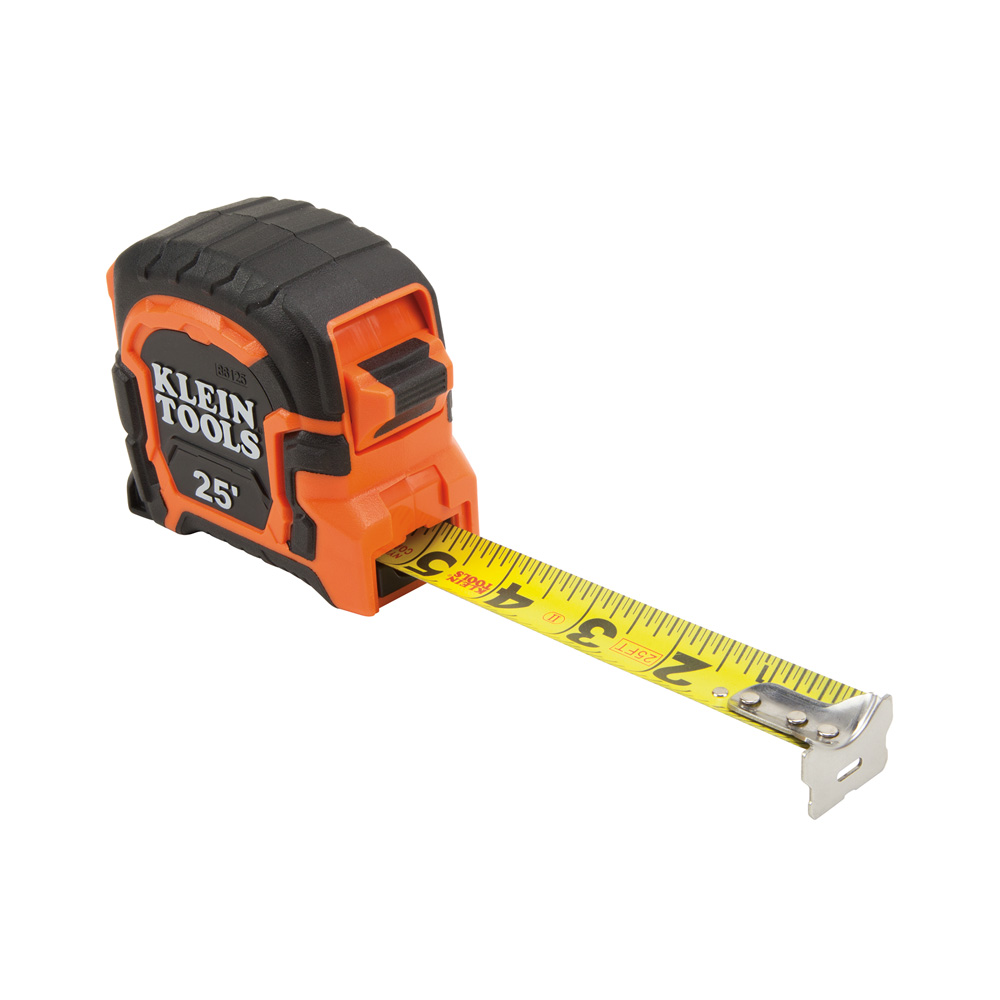
  • Tape Measure: A flexible ruler used to measure lengths accurately up to 30 meters, common in Kenyan farms.

Retractable tape measure with yellow measuring tape
Retractable tape measure with yellow measuring tape (Source: Wikipedia (Tape measure))
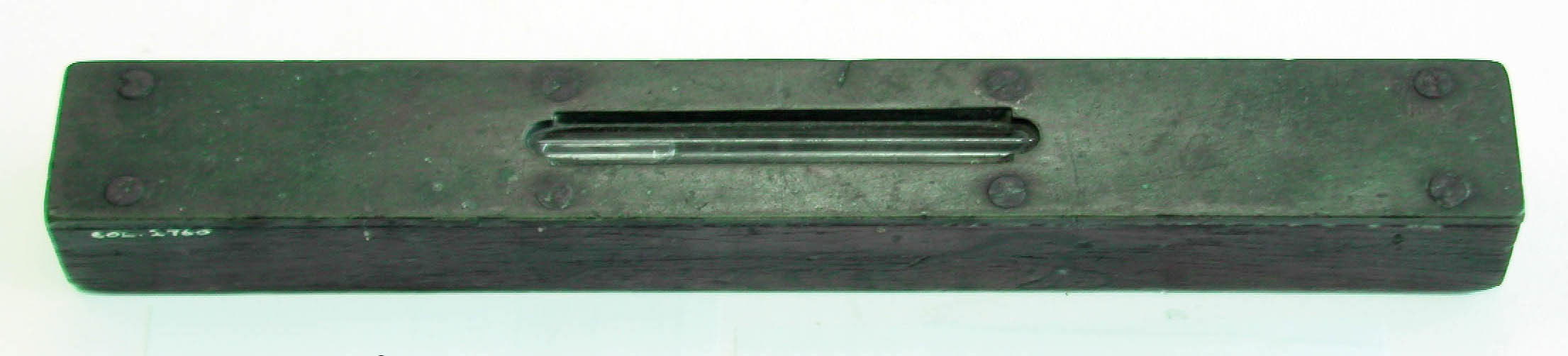
  • Spirit Level: Ensures horizontal and vertical surfaces are perfectly level, critical for structural stability.

A traditional spirit level tool
A traditional spirit level tool (Source: Wikimedia Commons)

  • Carpenter’s Square: Used to mark right angles on wood and metal, ensuring precise joints.

  • Marking Gauge: Helps in marking consistent lines parallel to edges for cutting or joining.
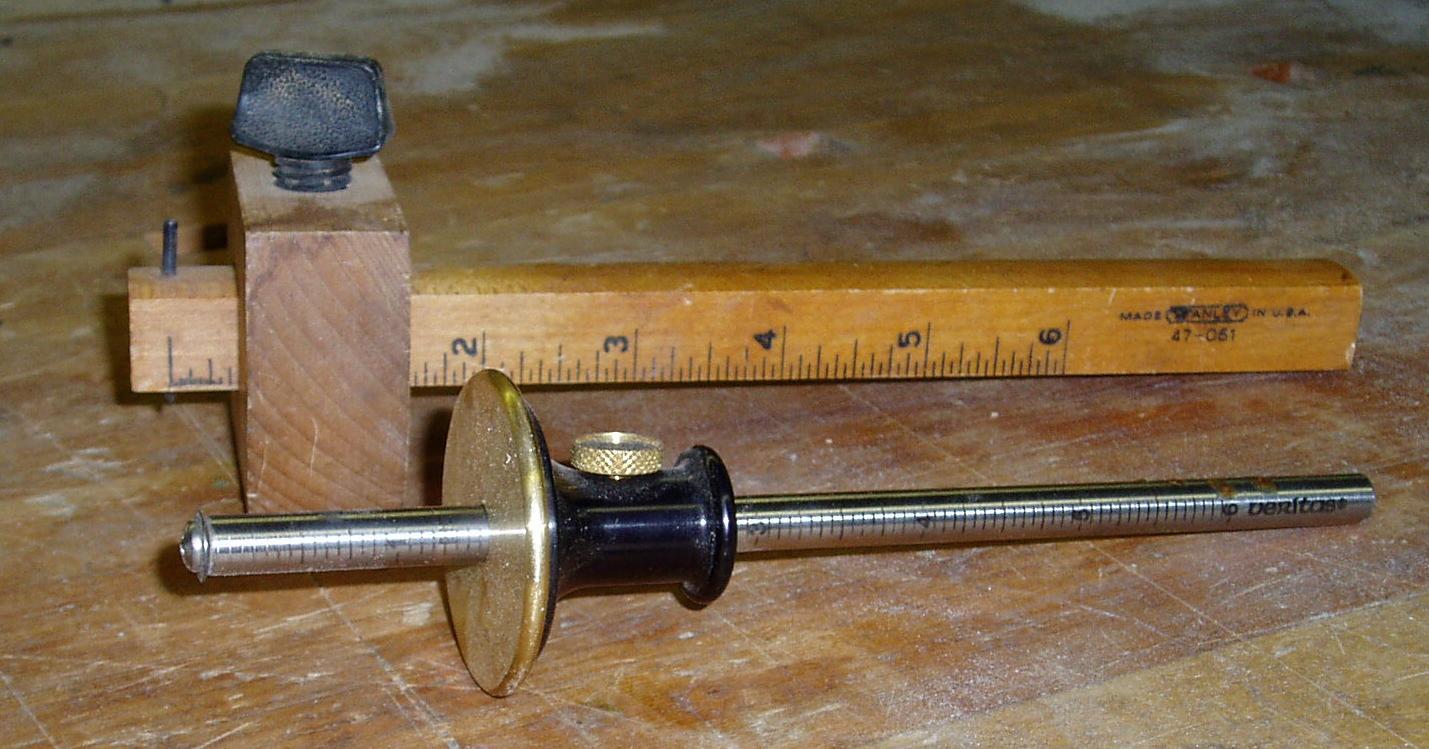
Two types of marking gauges on a wooden surface
Two types of marking gauges on a wooden surface (Source: Wikipedia (Marking gauge))

  • Chalk Line: Used to create long, straight reference lines on surfaces before cutting or nailing.

Assembly Tools

These tools assist in joining different parts of the poultry structure securely.

  • Hammer: Used to drive nails into wood or other materials; a claw hammer also helps in removing nails.

  • Screwdrivers: Both manual and electric, used to fasten screws, which provide stronger joints than nails.

Red-handled screwdriver on rock outdoors
Red-handled screwdriver on rock outdoors (Source: Wikimedia Commons)

  • Pliers: Used to grip, bend, or cut wires and small materials during assembly.

  • Wrenches/Spanners: Employed to tighten bolts and nuts, especially for metal frames.

  • Nail Puller: Facilitates removal of incorrectly placed nails without damaging materials.

1.1.2 Equipment

Equipment refers to larger, often powered machinery and devices that assist with heavy or specialized tasks in poultry structure construction.

Concrete Mixers

Concrete mixers are essential for preparing uniform concrete used in foundations and floors of poultry houses.

  • They ensure thorough mixing of cement, sand, gravel, and water, producing consistent concrete strength.
  • On Kenyan farms, portable mixers are preferred for small to medium scale poultry houses due to ease of transport.

Drilling Machines

Electric or cordless drills are crucial for making holes in wood, metal, or concrete surfaces.

  • Drills speed up the process of fixing screws and bolts.
  • They also enable installation of electrical wiring for lighting and ventilation systems within poultry houses.

Ladders and Scaffolding

Ladders and scaffolding provide safe access to elevated parts of the structure, such as roofs.

  • Aluminium ladders are lightweight and resistant to corrosion, suitable for outdoor use.
  • Scaffolding platforms must be stable and adjustable to accommodate different heights during construction.

Wheelbarrows and Hoisting Equipment

Transporting heavy materials like sand, gravel, timber, and roofing sheets is facilitated by wheelbarrows.

  • Hoisting equipment such as pulleys may be used to lift heavy roofing materials safely onto the structure.
  • Use of such equipment reduces physical strain and increases construction speed.

1.1.3 Materials

Selection of appropriate materials is critical to constructing poultry houses that withstand Kenya’s diverse climate and environmental challenges.

Structural Timber

Timber forms the main framework of many poultry houses in Kenya.

  • Durability: Hardwoods like cypress and eucalyptus resist termite attack and decay.
  • Availability: These timbers are locally sourced, reducing costs.
  • Workability: Timber is easy to cut and join using common tools, allowing custom designs.

Roofing Materials

Roofing protects poultry from rain, sun, and wind, influencing bird comfort and health.

  • Corrugated Iron Sheets: Popular for their durability and ease of installation; however, they conduct heat and may require insulation.

  • Polycarbonate Sheets: Allow natural light penetration, reducing electricity costs for lighting.

  • Thatched Roofing: Used in traditional setups, provides good insulation but requires frequent maintenance.

Flooring Materials

Flooring must be durable, easy to clean, and resistant to moisture.

  • Concrete: Commonly used for its strength and sanitary properties. It prevents parasites and diseases.

  • Compacted Earth Floors: Cheaper but prone to moisture and parasite problems.

  • Wooden Flooring: Less common due to susceptibility to moisture damage but used in raised poultry houses to improve ventilation.

Wire Mesh and Netting

Used for ventilation and predator control, wire mesh must be strong and rust-resistant.

  • Galvanized Wire Mesh: Resists corrosion, essential in Kenya’s humid areas.

diamond pattern galvanized wire mesh fence
diamond pattern galvanized wire mesh fence (Source: Wikimedia Commons)

  • Plastic Netting: Lightweight and cheap but less durable, suitable for temporary enclosures.
  • Chicken Wire: Flexible and easy to install but vulnerable to predators if not well maintained.

Fasteners and Adhesives

Nails, screws, bolts, and adhesives are critical for joining materials securely.

  • Galvanized Nails and Screws: Resist rust and ensure long-lasting joints.
  • Bolts and Nuts: Provide stronger, adjustable connections in metal frames.
  • Construction Adhesives: Used to supplement mechanical fasteners, especially in roofing and flooring.

Practice Questions

  1. Describe five types of cutting tools used in poultry house construction and explain their specific uses. (10 marks)

  2. Explain the roles of concrete mixers and drilling machines in poultry structure construction. (8 marks)

  3. Discuss five important properties of roofing materials suitable for poultry houses in Kenya. (10 marks)

The rest of this chapter
🔒

Create a free account to open more of this chapter.

Free: practical guides, quick cards, workplace scenarios and more.

Create a free account
🔒1.2 Selection of site for poultry structure

Selecting the appropriate site for a poultry structure constitutes a critical step in poultry production management in Kenya. The choice of location affects bird health, productivity, biosecurity, and ease of operation. For example, a poultry farmer in Kiambu…

🔒1.3 Designing of poultry structure

Designing poultry structures in Kenya requires an integration of animal welfare, biosecurity, environmental control, and operational efficiency. A well-designed poultry house enhances bird performance, reduces disease risk, and optimizes resource use. For exam…

🔒1.4 Construction of poultry structures

Constructing poultry structures is a critical aspect of poultry production that directly influences bird health, productivity, and operational efficiency. In Kenya, where poultry farming ranges from smallholder to commercial scale, the design and construction…

🔒1.5 Construction and maintenance of poultry structure records

Maintaining accurate records related to poultry structures is vital for effective farm management and compliance with regulatory standards in Kenya. Construction and maintenance records help track building history, repairs, and improvements, which support budg…

🔒1.6 Waste Management

Effective waste management is critical in poultry production to maintain a healthy environment for birds, reduce disease risks, and minimize environmental pollution. In Kenya’s poultry farms, poor waste disposal can lead to contamination of water sources and s…

🔒1.7 Poultry House Equipment and Material

Selecting appropriate equipment and materials for poultry houses is fundamental for efficient management, bird welfare, and productivity. In Kenya, the choice of equipment must balance cost, durability, and suitability to local climatic conditions. Proper mate…

🔒1.8 Installation of poultry house equipment and materials

In Kenyan poultry production, the successful installation of equipment and materials within poultry houses is vital for optimizing bird health, productivity, and ease of management. Whether on a commercial layer farm in Kiambu or a broiler setup in Machakos, p…

🔒1.9 Poultry production manuals

Poultry production manuals serve as essential reference documents guiding farmers and technicians in managing poultry operations effectively. In Kenya, where poultry production ranges from smallholder setups to commercial enterprises, these manuals provide sta…

Chapter Summary

This chapter provides a comprehensive overview of the essential tools, equipment, and materials required for constructing poultry structures, highlighting their specific functions in the building process. It emphasizes the importance of selecting an appropriate site for the poultry structure, considering factors such as accessibility, drainage, and biosecurity. The chapter then explores the principles of designing poultry houses to ensure optimal ventilation, space utilization, and protection from predators. Detailed guidance on the actual construction process is provided, including best practices to ensure durability and functionality. Maintaining accurate records related to construction and ongoing maintenance of poultry structures is discussed to support effective management and accountability. The chapter also addresses waste management strategies to maintain hygiene and environmental sustainability within the poultry facility. Further, it covers the types of poultry house equipment and materials necessary for daily operations and their proper installation to enhance productivity. Finally, the chapter introduces poultry production manuals as valuable resources for standardizing procedures and improving overall poultry management.

Self-Assessment

🔒 PDFDownload this self-assessment, with answers

A. Written Assessment

  1. Identify five essential tools used in the construction of poultry structures and explain their specific functions. (10 marks)
  2. Differentiate between equipment and materials in the context of poultry house construction, providing two examples of each. (6 marks)
🔒20 more in this section.

Chapter Examination Questions

🔒 PDFDownload these examination questions, with worked answers

SECTION A (40 Marks) - Answer ALL Questions

  1. Identify five essential hand tools used in constructing poultry structures and explain their primary function on a typical Kenyan farm. (4 marks)
  2. Differentiate between equipment and materials used in poultry house construction, providing two examples of each relevant to Kenyan poultry farmers. (4 marks)
🔒18 more in this section.
Flashcards 20 cards Study deck ▾
Question
1

↻ Tap card to reveal answer
🔒

18 more in this section.

Create a free account
Test Yourself 18 questions Start quiz ▾
0%
0 / 2
🔒

16 more in this section.

Create a free account
Am I competent?

At the start of this chapter we promised you would be able to:

  • confidently identify and select the right tools, equipment, and materials for constructing poultry structures
  • correctly assemble all necessary items to prepare for the job
  • organize your workspace efficiently for safe and smooth construction
  • check that all tools and materials are in good condition and ready to use

Tick each one you can genuinely do.

So, are you there yet?

You're competent when you can confidently do 50% or more of what this chapter promised.

Sign in to record how you're doing.