Animal Production Technology  ·  Level 5
Pig Production
Chapter 1: Construct pig structures
📚 6 Topics
⚑ What you will be able to do

By the end of this chapter, you will be able to:

  • Correctly assemble all the tools, equipment, and materials needed for building pig structures.
  • Select suitable sites for pig structures by following the Livestock Production Manual (LPM).
  • Design pig structures accurately according to the standards in the Livestock Production Manual (LPM).
  • Construct pig structures step-by-step, following the Livestock Production Manual (LPM) guidelines.
  • Install piggery equipment correctly and safely as outlined in the Livestock Production Manual (LPM).
  • Maintain pig structures properly by following workplace procedures.
  • Keep accurate records of construction and maintenance activities as required by your workplace.
  • Manage waste safely and correctly, meeting all environmental protection regulations.

Mastering these skills will help you build and maintain safe, efficient, and productive pig housing—an essential part of successful pig farming in the real world.

Compiled by: Bonface Omondi

Constructing pig structures is a fundamental skill for animal production professionals engaged in pig farming. Properly designed and built pig housing ensures the welfare, health, and productivity of pigs, which directly affects farm profitability. In Kenya, where pig farming is growing rapidly as a source of income and nutrition, understanding the tools, equipment, and materials used in construction is essential to develop durable and cost-effective pig structures. This chapter covers the essential construction tools, equipment, and materials relevant to building pig houses that meet local environmental and husbandry requirements.

1.1 Construction tools, equipment and materials

Construction of pig structures requires a combination of manual and powered tools, appropriate equipment, and durable materials. These elements must be selected based on availability, cost, suitability for local conditions, and the specific design of the pig house. Kenyan smallholder and commercial pig farmers alike benefit from understanding the specifications and uses of these resources to optimize construction quality and efficiency.

1.1.1 Tools saw

Types of saws used in pig structure construction

  • Hand saw: A traditional manual saw with a serrated blade suitable for cutting wood planks and beams. It is affordable, portable, and ideal for small-scale jobs or areas without electricity.
  • Circular saw: A power saw with a rotating blade capable of cutting wood and plywood quickly and accurately. It is commonly used in larger farms or by contractors due to its speed and precision.

  • Hacksaw: Designed for cutting metal pipes, rods, and small metal sheets used in pig housing frameworks or fittings. The blade is fine-toothed and replaceable.
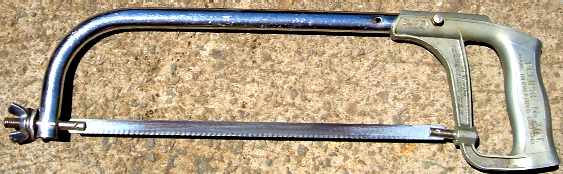
Metal hacksaw with blade and handle
Metal hacksaw with blade and handle (Source: Wikipedia (Hacksaw))

  • Jigsaw: A handheld power saw with a narrow blade that allows for curved or intricate cuts, useful when shaping wood panels or cutting openings for doors and windows.

  • Back saw: A fine-toothed saw with a reinforced back edge for straight, precise cuts on wood, often used in finishing carpentry tasks such as door frames.

Saw blade selection and maintenance

  • Tooth pitch: Coarse teeth cut faster but produce rough edges, suitable for framing timber. Fine teeth provide smooth cuts necessary for finishing work like window frames.
  • Blade material: High-carbon steel blades are durable and hold sharpness longer, essential for frequent cutting of hard timber in pig structure construction.
  • Sharpening frequency: Regular sharpening maintains cutting efficiency and safety. Dull blades require more effort and increase the risk of accidents.
  • Proper cleaning: Saw blades should be cleaned after use to remove resin or sap that can clog teeth and reduce performance, especially when cutting green wood.

Safety considerations when using saws

  • Always wear protective gloves and eye protection to prevent injury from flying debris or accidental contact with the blade.
  • Secure the wood firmly on a stable surface to avoid slipping during cutting.
  • Maintain proper body posture and keep hands clear of the blade path.
  • Disconnect power tools before changing blades or performing maintenance.

1.1.2 Equipment

Beyond hand tools like saws, equipment such as mixers, compactors, and lifting devices facilitate efficient construction of pig housing. The choice of equipment depends on the scale of construction and the materials used.

Name Specification Use
Concrete mixer Drum capacity 100–200 litres, electric or petrol powered Mixing cement, sand, and water for foundations and floors
Plate compactor Engine-powered, plate size 400mm x 600mm Compacting soil and gravel to create a stable base for pig house foundations
Wheelbarrow Steel tray, pneumatic tyre, 100 kg capacity Transporting materials like sand, cement, and gravel on site
Spirit level 600mm length, bubble vial type Checking horizontal and vertical alignment during construction
Power drill Variable speed, with masonry and wood bits Drilling holes in wood and concrete for fixing nails, screws, or bolts

Usage and maintenance of construction equipment

  • Concrete mixer: Operate on level ground; clean immediately after use to prevent hardened cement buildup.
  • Plate compactor: Use on dry soil to achieve maximum compaction; check fuel and oil levels regularly.

  • Wheelbarrow: Avoid overloading to prevent damage to tyre and frame; lubricate wheel bearings monthly.
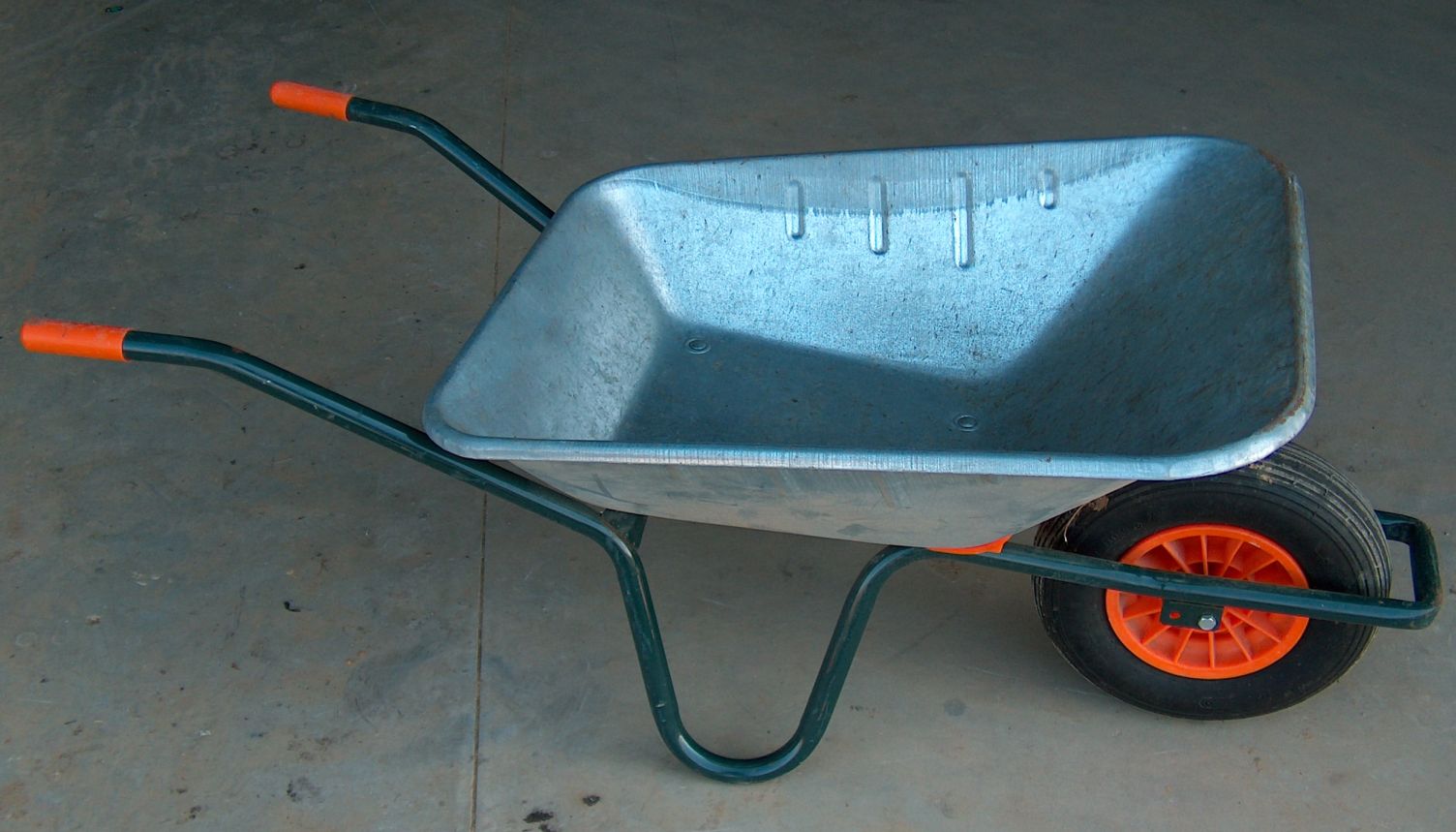
metal wheelbarrow with one wheel
metal wheelbarrow with one wheel (Source: Wikimedia Commons)
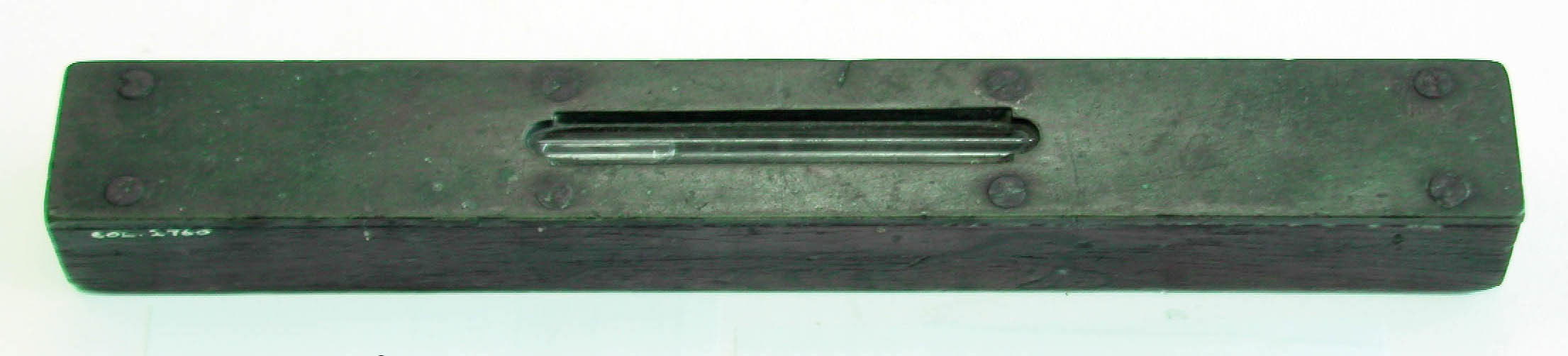
  • Spirit level: Store flat to avoid bending; clean glass vials for clear visibility.

A traditional spirit level tool
A traditional spirit level tool (Source: Wikimedia Commons)
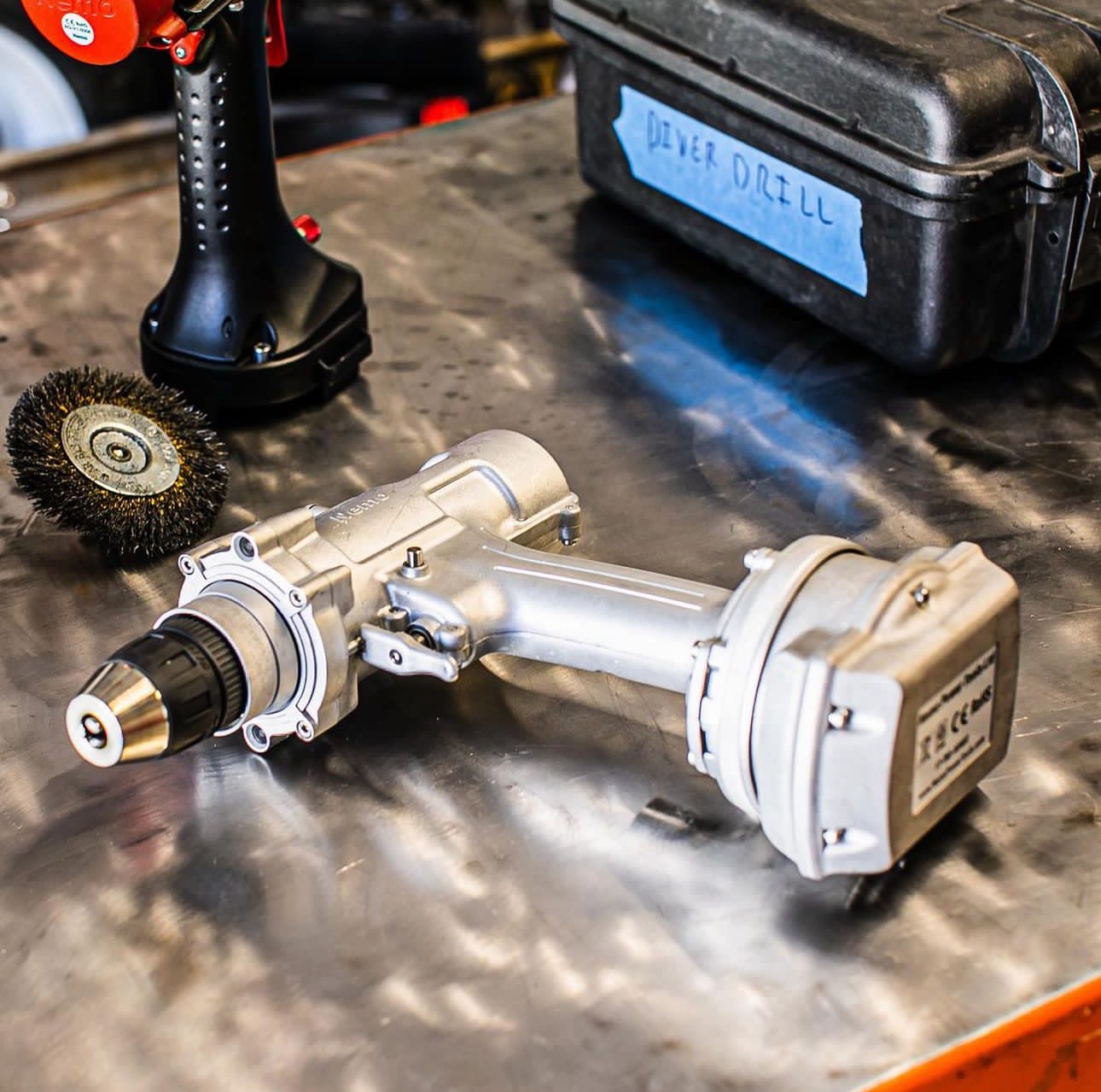
  • Power drill: Use correct drill bits for material; clean dust from vents; charge batteries fully before use.

Cordless power drill on workbench
Cordless power drill on workbench (Source: Wikimedia Commons)

1.1.3 Materials

The materials used in pig structure construction must meet the needs of durability, hygiene, ventilation, and protection from weather. Selecting locally available and affordable materials is critical for cost-effective pig housing in Kenya.

Types of materials used in pig housing construction

  • Timber: Commonly used for framing walls, roof trusses, and doors. Timber should be treated against termites and decay, especially in humid regions such as Kisumu or Kakamega.

  • Concrete: Used for foundations, floors, and sometimes walls. Concrete floors are preferred for ease of cleaning and durability in commercial pig farms.

  • Corrugated iron sheets: Widely used for roofing due to their durability and ability to shed rainwater effectively. Galvanized sheets resist rust and extend roof lifespan.

  • Bricks and blocks: Provide strong, durable walls that improve security and temperature regulation inside the pig house. Interlocking blocks are gaining popularity for ease of construction.

  • Wire mesh and netting: Used for ventilation openings and fencing to prevent pig escape and predator entry while allowing airflow.

Characteristics of quality materials for pig housing

  • Durability: Materials must withstand local weather conditions such as heavy rains in the Lake Victoria basin or hot sun in eastern Kenya.
  • Ease of cleaning: Smooth surfaces on floors and walls reduce disease risk by facilitating regular sanitation.
  • Non-toxicity: Materials should not release harmful substances that can affect pig health.
  • Cost-effectiveness: Selecting materials that balance affordability and longevity is essential for smallholder farmers.
  • Availability: Using locally sourced materials reduces transport costs and supports local businesses.

Material treatment and preparation

  • Timber should be kiln-dried or treated with preservatives to prevent rot and termite damage.
  • Concrete mix ratios must be correctly followed (cement:sand:aggregate = 1:2:4) to achieve required strength.
  • Roofing sheets should be installed with appropriate overlapping and sealing to prevent leaks.
  • Bricks and blocks should be cured properly before use to avoid cracking.
  • Wire mesh must be securely fixed and checked regularly for holes or rust.

Practice Questions

  1. Explain the factors to consider when selecting a saw for cutting timber in pig house construction. (10 marks)
  2. Describe the specifications and uses of three types of equipment essential for pig structure construction. (15 marks)
  3. Discuss five characteristics that quality materials for pig housing should possess and why each is important. (15 marks)
  4. Outline the steps involved in preparing timber for use in pig housing construction. (10 marks)
The rest of this chapter
🔒

Create a free account to open more of this chapter.

Free: practical guides, quick cards, workplace scenarios and more.

Create a free account
🔒1.2 Site selection for pig structure

Selecting an appropriate site for pig structures is fundamental in pig production, directly influencing animal health, productivity, and farm biosecurity in Kenya. The site must balance accessibility, environmental considerations, and management convenience to…

🔒1.3 Construction of pig structure

Constructing pig housing requires careful planning and execution to provide a safe, comfortable, and hygienic environment that promotes animal welfare and productivity. In Kenya’s diverse climatic zones, construction must consider local materials, ventilation,…

🔒1.4 Maintenance of pig structures

Maintenance of pig structures is crucial for sustaining a safe, hygienic, and efficient environment for pig production. In Kenya, where pig farming ranges from smallholder units to commercial farms, proper upkeep extends the lifespan of buildings and equipment…

🔒1.5 Construction and maintenance of pig structure records

Accurate record keeping for the construction and maintenance of pig structures is essential for effective farm management and compliance with regulatory requirements. In Kenya, maintaining detailed records helps track construction costs, monitor maintenance ac…

🔒1.6 Waste management

Waste management in pig production is a critical aspect of farm operations that affects environmental sustainability, animal health, and community relations. In Kenya, where pig farming is expanding rapidly due to increased demand for pork, effective waste man…

Chapter Summary

This chapter covered the essential tools, equipment, and materials required for building pig structures, highlighting the importance of selecting appropriate saws, construction equipment, and durable materials. It emphasized the critical factors involved in choosing a suitable site for pig housing, including considerations for ventilation, drainage, and accessibility. The process of constructing pig structures was detailed, focusing on proper design and assembly to ensure animal welfare and operational efficiency. Maintenance practices were discussed to prolong the lifespan of the facilities and prevent damage that could affect pig health. The chapter also underscored the necessity of keeping accurate records related to construction and maintenance activities to support effective management. Finally, it addressed waste management strategies essential for maintaining hygiene and environmental compliance on pig farms. Together, these topics provide a comprehensive foundation for constructing and managing pig housing effectively.

Self-Assessment

🔒 PDFDownload this self-assessment, with answers

A. Written Assessment

  1. What are the primary functions of a handsaw in constructing pig structures? (2 marks)
  2. List three types of materials commonly used in pig pen construction and explain why each is suitable. (3 marks)
🔒20 more in this section.

Chapter Examination Questions

🔒 PDFDownload these examination questions, with worked answers

SECTION A (40 Marks) - Answer ALL Questions

  1. Identify four types of saws commonly used in the construction of pig structures and explain their specific uses. (4 marks)
  2. List four essential equipment required during pig structure construction and describe their functions. (4 marks)
🔒18 more in this section.
Flashcards 20 cards Study deck ▾
Question
1

↻ Tap card to reveal answer
🔒

18 more in this section.

Create a free account
Test Yourself 17 questions Start quiz ▾
0%
0 / 2
🔒

15 more in this section.

Create a free account
Am I competent?

At the start of this chapter we promised you would be able to:

  • Correctly assemble all the tools, equipment, and materials needed for building pig structures.
  • Select suitable sites for pig structures by following the Livestock Production Manual (LPM).
  • Design pig structures accurately according to the standards in the Livestock Production Manual (LPM).
  • Construct pig structures step-by-step, following the Livestock Production Manual (LPM) guidelines.
  • Install piggery equipment correctly and safely as outlined in the Livestock Production Manual (LPM).
  • Maintain pig structures properly by following workplace procedures.
  • Keep accurate records of construction and maintenance activities as required by your workplace.
  • Manage waste safely and correctly, meeting all environmental protection regulations.

Tick each one you can genuinely do.

So, are you there yet?

You're competent when you can confidently do 50% or more of what this chapter promised.

Sign in to record how you're doing.