
By the end of this chapter, you will be able to:
Mastering these skills will help you create safe, efficient, and comfortable homes for pigs, which is essential for successful pig farming and protecting the environment.
Compiled by: Bonface Omondi
Construction of pig structures is a fundamental skill for animal production professionals in Kenya, providing essential housing that ensures pig health, welfare, and productivity. Properly constructed pigpens protect animals from harsh weather, predators, and disease while facilitating efficient management practices such as feeding, cleaning, and breeding. This chapter focuses on the tools, equipment, and materials required for constructing durable and functional pig structures adapted to Kenya’s diverse climatic and economic conditions.
A pig house, pen or farrowing unit is built from a limited set of hand tools, site equipment and materials. The tools cut, fix and measure, the equipment moves, mixes and lifts heavy loads, and the materials make up the floor, walls, roof and fencing. A good choice of all three gives pigs a dry, cleanable and safe shelter, keeps the cost of construction under control and makes later repairs easier. This topic names each tool, item of equipment and material used to construct pig structures and explains what it is for. The choice of building site, the building work itself and later maintenance are covered in Site selection for pig structure, Construction of pig structure and Maintenance of pig structures.
Tools are small, hand-held items used by the builder to cut, fix, drill and measure. A piggery builder keeps them together in a lockable toolbox, checks them before each job and replaces worn or damaged ones, because a loose hammer head or a blunt blade is a common cause of injury on a building site.
A hammer drives nails and pulls them out again. A claw hammer is used to nail timber rafters, door frames and pen partitions together and to remove bent nails. A club hammer, also called a lump hammer, is heavier and is struck on a chisel or a nail punch. A sledge hammer is used to drive fence posts and pegs into the ground when marking out and fencing a piggery.
A screw driver turns screws into timber, metal and plastic. A flat-bladed type fits slotted screws and a Phillips type fits cross-head screws. Screw drivers are used to hang pen gates, fit hinges and latches and fix feeder and drinker brackets. The blade tip must fit the screw head exactly, otherwise it slips and spoils the head. A power screw driver or a cordless drill fitted with a driver bit saves time when fixing roofing screws.
A tape measure gives lengths and widths of pens, passages and walls, and the height of partitions. Steel or fibreglass tapes of 5 m to 30 m are common on a pig farm. A long tape is used to set out the building outline on the ground and to check that opposite sides and diagonals are equal, which shows that the corners are square.
A level shows whether a surface is horizontal or an upright is vertical. A spirit level has a sealed vial with an air bubble, and the bubble rests between two lines when the surface is level. In a pig house the level is used to set out foundations and wall courses true. It is also used to check that a floor falls gently towards the drainage channel, since a floor that is too flat holds urine and wet manure and one that is too steep makes pigs slip.
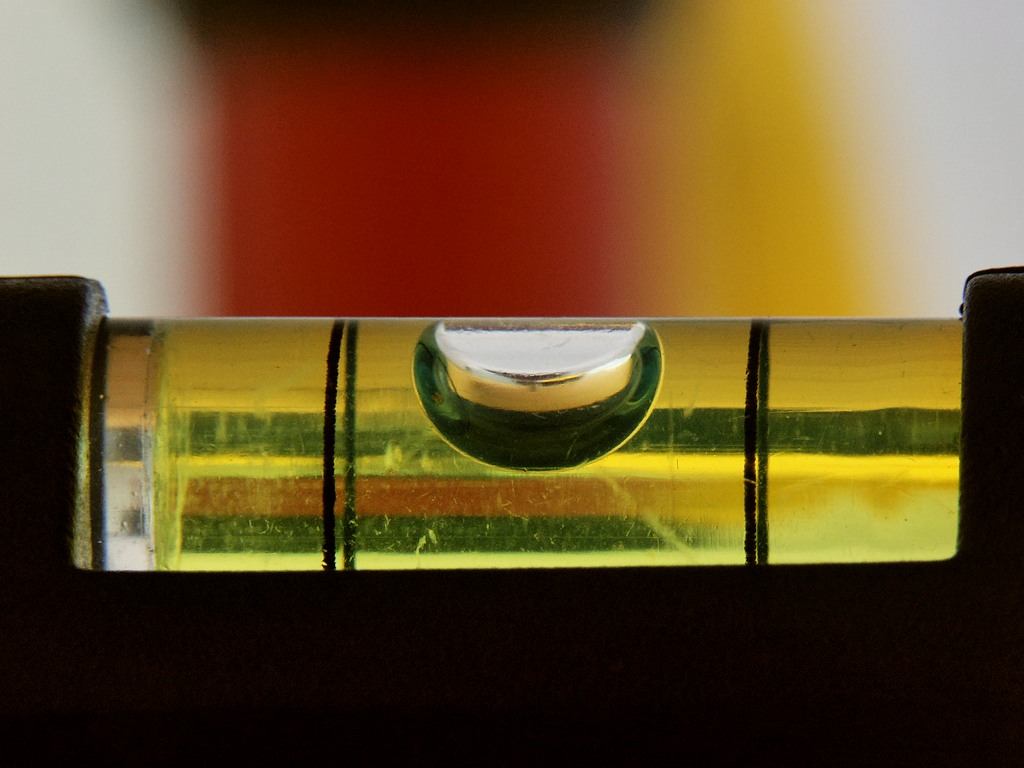
Close-up of a spirit level bubble vial (Source: Wikipedia (Spirit level))
A plumb bob, which is a weight hung on a string, checks that posts and walls are vertical. Marking chalk and pencils are used with the level to mark layout lines on timber, concrete and soil.
A saw cuts timber, plywood, plastic and metal to length. Using the right saw for the material gives accurate cuts and reduces effort and risk.
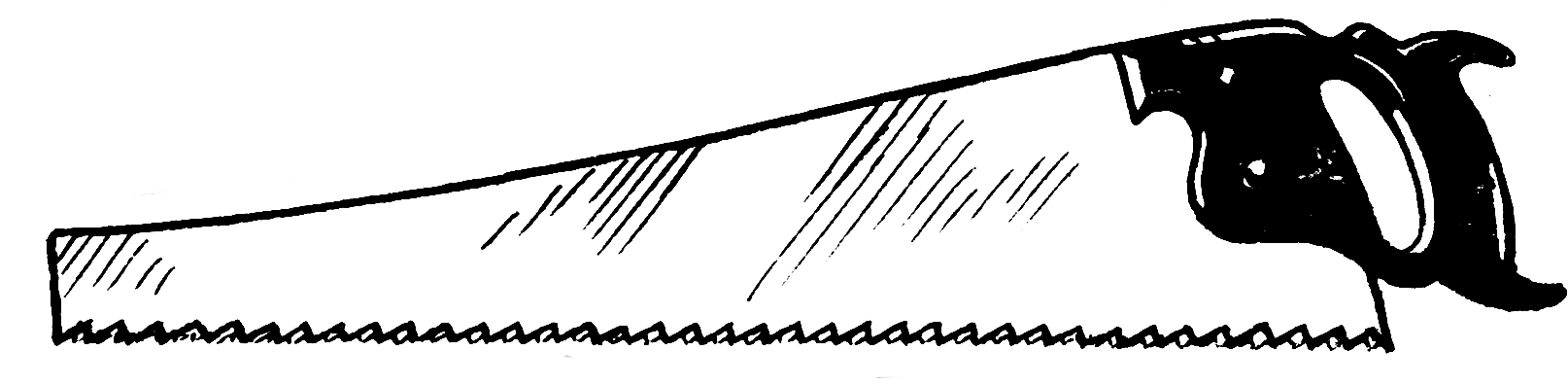
Hand saw with handle and serrated blade (Source: Wikimedia Commons)
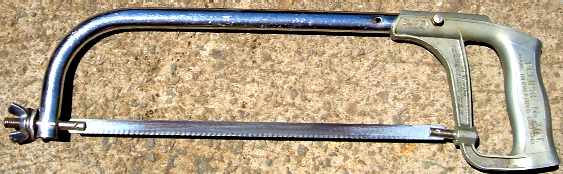
Metal hacksaw with blade and handle (Source: Wikipedia (Hacksaw))
| Name | Specification | Use |
|---|---|---|
| Hand saw | Blade length about 50 to 60 cm | Cutting timber beams and planks |
| Circular saw | Blade diameter about 18 to 25 cm | Fast cutting of large timber sheets |
| Back saw | Blade length about 25 to 35 cm | Precise cuts for framing and joints |
| Jigsaw | Variable speed, blade type varies | Cutting curves in plywood and plastics |
| Hacksaw | Blade length about 30 to 35 cm | Cutting metal rods and pipes |
Proper care of saws prevents accidents and makes them last:
A drill makes holes for bolts, screws, pipes and wires. A hand drill, or brace, is used where there is no electricity. An electric or cordless drill is faster and is the usual choice on a piggery site. Wood bits are used for timber, masonry bits for blocks and concrete, and metal bits for steel. Holes are drilled in timber posts for bolts that fix rails, and in block walls for plugs that carry brackets for feeders and water pipes. Mark the hole position first, hold the drill straight, wear goggles and let the bit cut without forcing it.
Pliers grip, bend and cut wire and small metal parts. Combination pliers hold and cut general wire and nails. Long-nose pliers reach small spaces when fitting clips and fasteners. Fencing pliers cut, strain and twist fence wire and pull out staples. Pliers are used to tie galvanised wire to fence posts and to cut wire mesh to the size of a pen opening, and they should not be used in place of a spanner on nuts.
A chisel cuts and shapes timber, concrete and metal when struck with a hammer or mallet. A wood chisel cuts joints and recesses for hinges and latches in pen gates and door frames. A cold chisel cuts metal bolts and chips away concrete or block surfaces. A chisel must be kept sharp, and the work should be clamped firmly so that the cutting edge is directed away from the hands.
Equipment is larger than a hand tool and often powered. It moves earth, mixes concrete and mortar, carries material and lifts heavy loads. Large commercial piggeries use the heavier machines, while a small farm hires them for a day or does the work by hand. The equipment is selected according to the size of the piggery, the amount of material to be moved, the access to the site and the budget.
A bulldozer is a tracked machine with a broad front blade. It clears bush, removes topsoil, levels the building platform and pushes soil into raised platforms and drainage mounds. On a large pig unit it levels the site for several houses at one time. Small farms use spades, picks and rakes for the same work on a smaller area, and a hired excavator or backhoe digs foundation trenches and waste pits.
A crane lifts and positions heavy loads. In pig structure construction it raises roof trusses, precast concrete panels, steel frames, water tanks and feed bins that are too heavy to lift by hand. Only a trained operator should run a crane, the load must not exceed its rated capacity, and people must stay clear of the area beneath a lifted load.
A dump truck carries bulk material such as sand, ballast, quarry dust, hardcore and excavated soil, and tips it at the point of use by raising the body. It saves many trips with a wheelbarrow when large volumes are needed, for example for the foundation and floor of a farrowing house. The load must be level and not exceed the truck's rated weight, and the access road must be firm enough to carry it.
A concrete mixer is a rotating drum that mixes cement, sand, ballast and water into concrete or mortar of an even mix. Portable electric or diesel mixers with a drum of about 100 to 500 litres suit pig floors, foundations and walls. A mixer is loaded with part of the water and the ballast, then the cement and sand are added, and the remaining water is added slowly. It must be washed out as soon as work stops, since concrete that sets inside the drum ruins it. For small batches, shovels and hoes are used to mix on a clean, hard base.
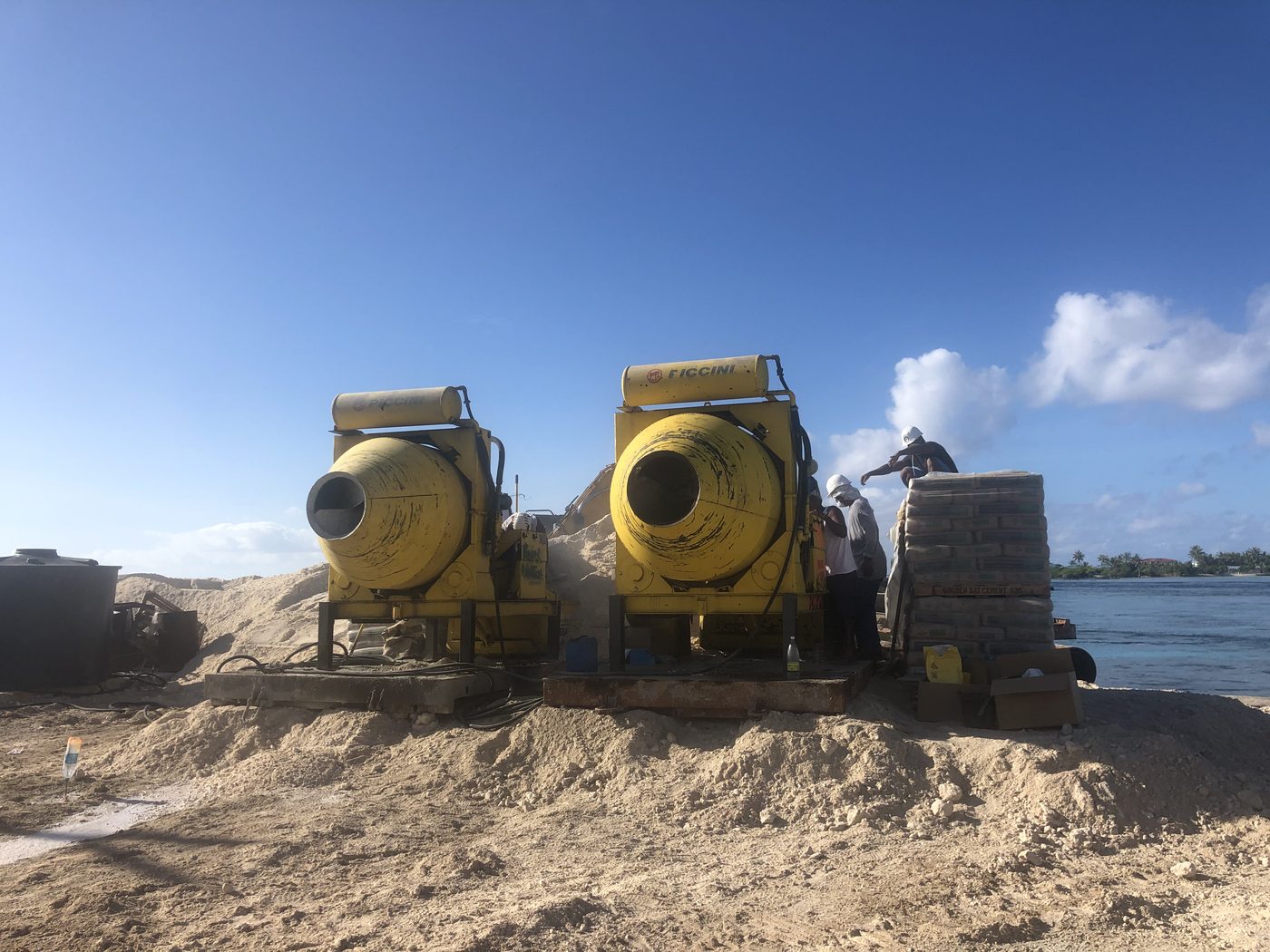
Two yellow concrete mixers on a construction site (Source: Wikipedia (Concrete mixer))
Wheelbarrows move mixed concrete and mortar to the working area and carry blocks and sand around the site. They reduce the strain of carrying loads by hand.
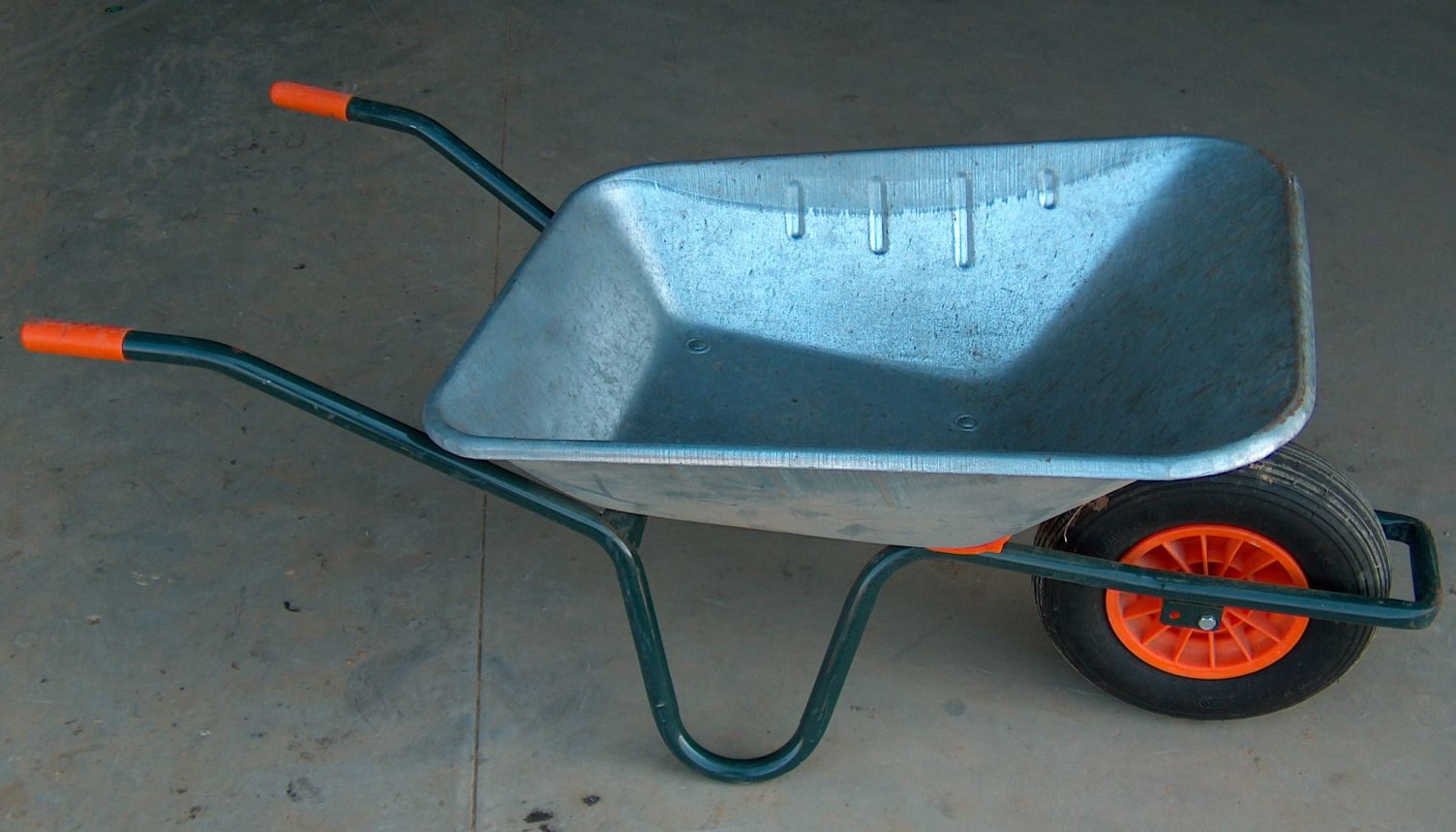
A single metal wheelbarrow with one wheel (Source: Wikimedia Commons)
A forklift lifts and moves loads on pallets. On a piggery site it carries pallets of blocks, bagged cement and roofing sheets, and later it moves bagged feed into the feed store. A forklift needs a firm, level surface and a trained driver, and loads must be carried low and kept within its rated capacity.
| Name | Specification | Use |
|---|---|---|
| Concrete mixer | 100 to 500 litre drum, electric or diesel powered | Mixing concrete and mortar for foundations and floors |
| Wheelbarrow | Single or dual wheel, 100 to 150 kg load | Moving mixed concrete, blocks and sand on site |
| Spade | Steel blade about 25 to 30 cm wide | Digging trenches and preparing soil |
Materials form the pig structure itself. They must be durable, easy to clean, safe for pigs and affordable. Pigs root, chew and lean on walls, and their waste and wash water are corrosive, so floors and lower walls are usually made of concrete and masonry, while timber, steel and sheeting form the frame and roof.
Cement is the binding agent in concrete, mortar and plaster. Portland cement is the usual binding agent and is mixed with sand, aggregate and water. It sets and hardens through a chemical reaction, so it must be kept dry in bags stored off the ground and away from damp walls, and it must be used before it forms lumps. Cement burns skin, so wear gloves and protect the eyes.
Sand is a fine aggregate mixed with cement for mortar, plaster and concrete. Clean, sharp sand free of clay, silt and organic matter gives a strong mix. Dirty sand weakens mortar and plaster. Sand is delivered in bulk and kept on a clean, firm surface so that it is not mixed with soil.
Blocks are used for walls, partitions and low pen walls. Concrete blocks and stone blocks resist pig pressure and are easy to wash. Masonry walls are more durable than timber walls and resist termites and rot. Blocks are laid in courses in cement mortar and checked with the level and plumb bob.
Quarry dust is the fine powder produced when stone is crushed at a quarry. It is used in place of part of the sand in concrete floors, mortar and block making, and it also compacts into a firm base for floors and paths. It is finer than sharp sand, so the mix is tried on a small batch and adjusted before a large pour, and the dust should be clean and free of clay.
Several other materials are used in pig structures together with those above.
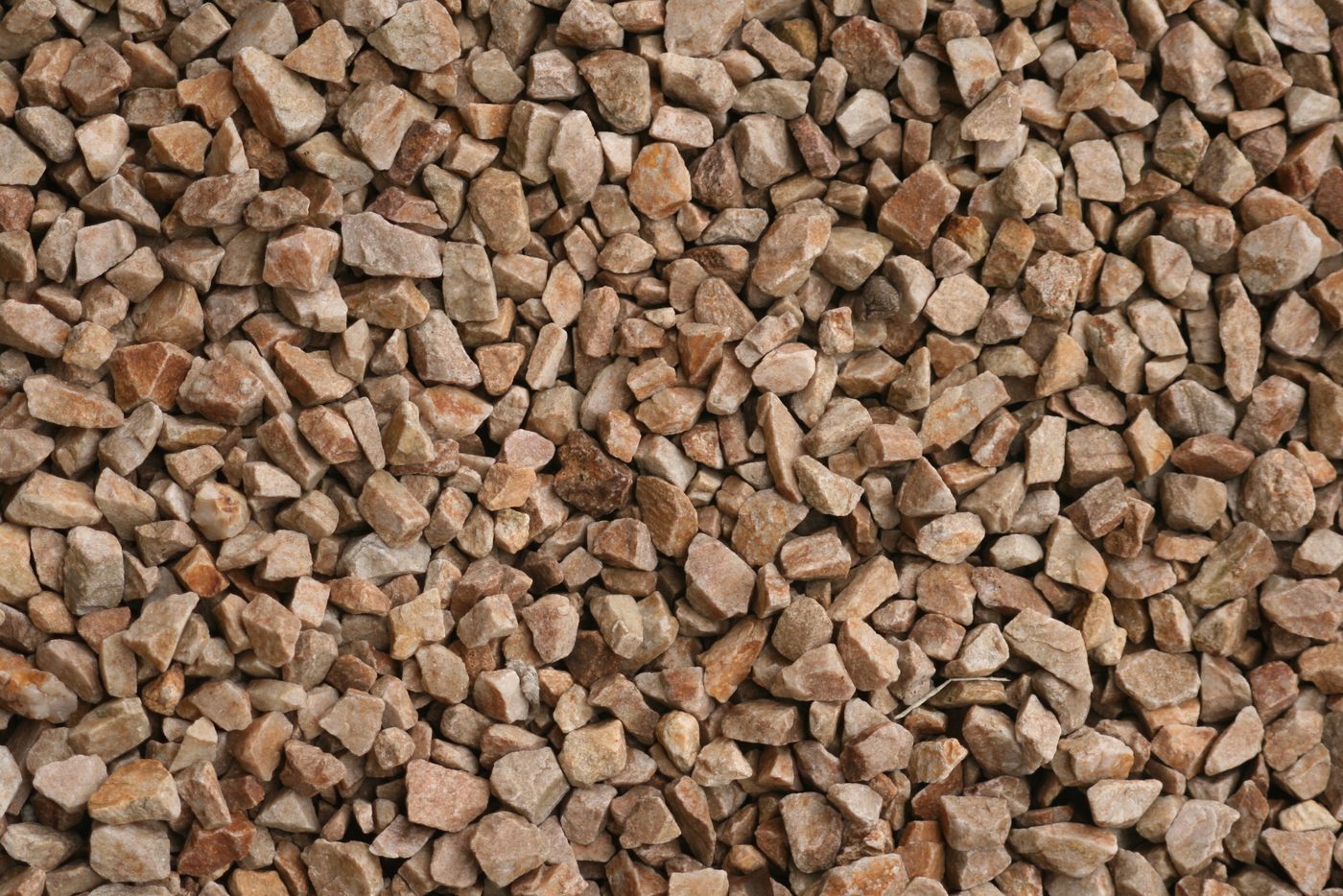
Close-up of construction gravel stones (Source: Wikimedia Commons)
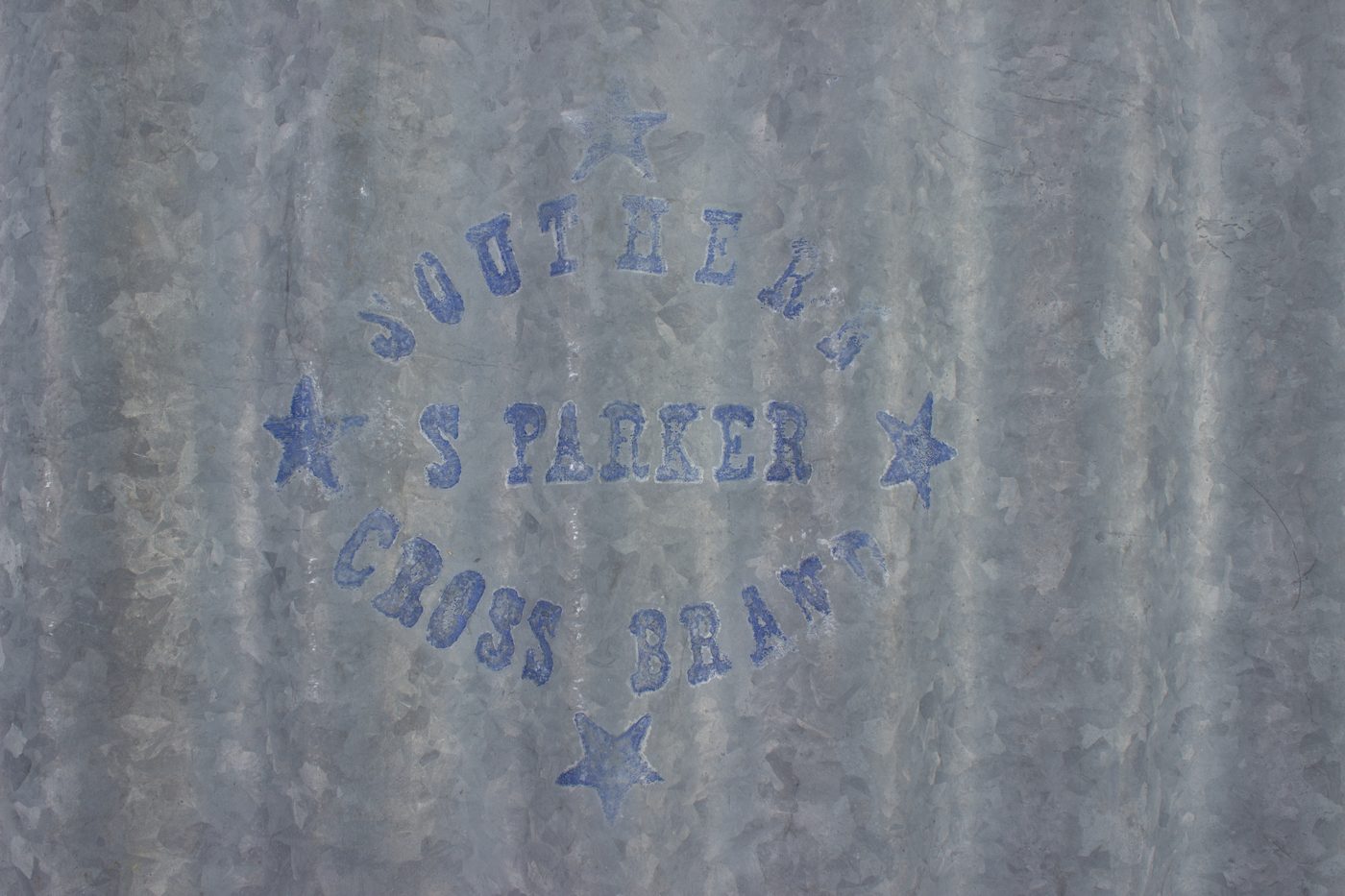
corrugated iron sheet with brand marking (Source: Wikimedia Commons)
Asbestos cement sheets were once common because they resist fire and corrosion. Their fibres cause serious lung disease when dust is breathed, so they should not be chosen for new buildings, and old sheets must not be broken, drilled or cut.
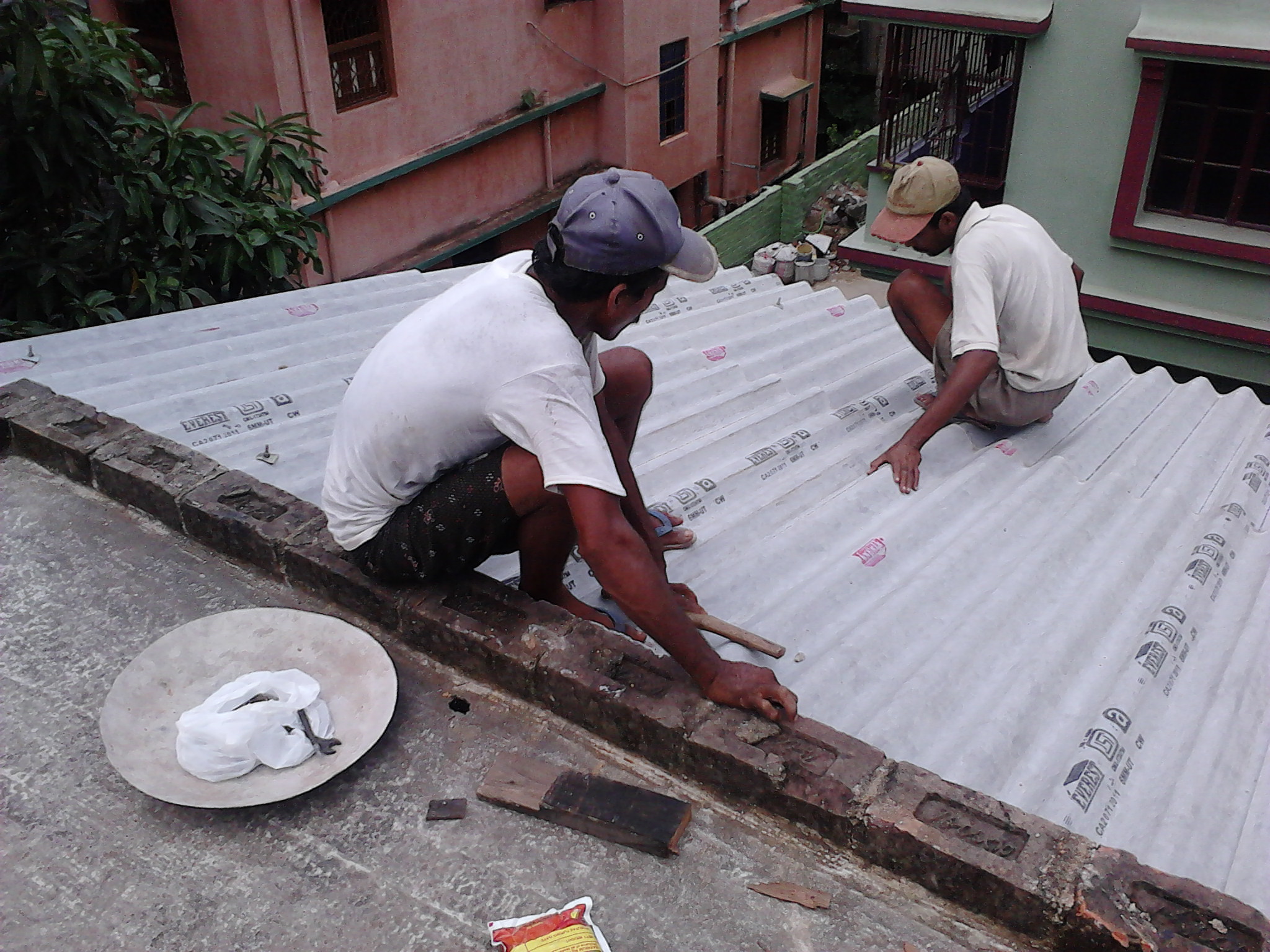
Workers installing asbestos cement roofing sheets (Source: Wikimedia Commons)
Create a free account to open more of this chapter.
Free: practical guides, quick cards, workplace scenarios and more.
Create a free accountThis chapter explored the essential tools, equipment, and materials required for constructing pig structures, highlighting the importance of selecting appropriate saws, machinery, and building supplies. It emphasized the critical factors involved in choosing a suitable site for pig housing, considering aspects such as drainage, ventilation, and proximity to water sources. The detailed process of constructing pig structures was outlined, focusing on design, layout, and assembly techniques to ensure durability and animal welfare. Maintenance practices were discussed to prolong the lifespan of the structures and maintain a healthy environment for the pigs. The chapter also covered the importance of keeping accurate records related to construction and maintenance activities to facilitate effective management. Finally, it addressed waste management strategies crucial for controlling pollution and promoting sustainability within pig production systems.
At the start of this chapter we promised you would be able to:
Tick each one you can genuinely do.
So, are you there yet?
You're competent when you can confidently do 50% or more of what this chapter promised.
Sign in to record how you're doing.