Constructing appropriate goat structures is fundamental to successful goat production in Kenya’s diverse agricultural settings. Proper housing ensures the health, safety and productivity of goats by providing shelter from harsh weather, predators and disease vectors. Across various sectors, from smallholder farms in Nakuru to cooperative farms in Meru, well-designed goat structures contribute to sustainable livelihoods and food security. This chapter covers the essential tools, equipment and materials required for building effective goat housing, emphasizing practical applications that suit Kenyan conditions.
1.1 Tools, Equipment and Materials
Effective construction of goat structures depends on selecting the right tools, equipment and materials. Each category plays a crucial role in ensuring the structure is durable, safe and comfortable for the animals. In Kenya, resource availability and cost considerations often influence these choices, with farmers in Kisumu and Nyeri adapting to local conditions and materials without compromising quality.
1.1.1 Tools
Tools are hand-operated implements that enable precise cutting, shaping, joining and assembling of materials during goat house construction. Choosing the correct tools enhances workmanship, reduces construction time and minimizes wastage.
Types of Tools and Their Uses
- Hammer: Used for driving nails into wood or other materials, essential for framing goat houses. At a cooperative farm in Thika, hammers are routinely used to assemble wooden frames for goat pens.
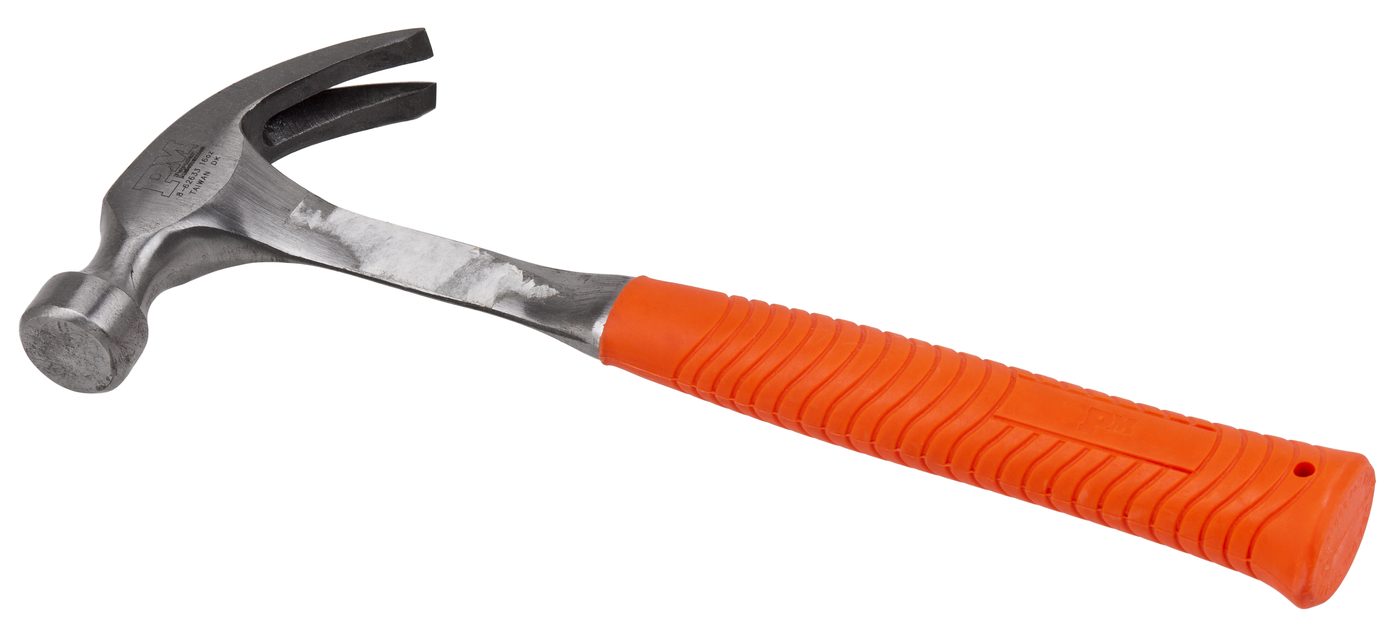
Claw hammer with orange handle (Source: Wikimedia Commons)
- Measuring Tape: Provides accurate measurements for cutting materials and ensuring the structure meets design specifications. For example, a SACCO-supported farm in Kakamega uses measuring tapes to ensure uniform pen sizes.
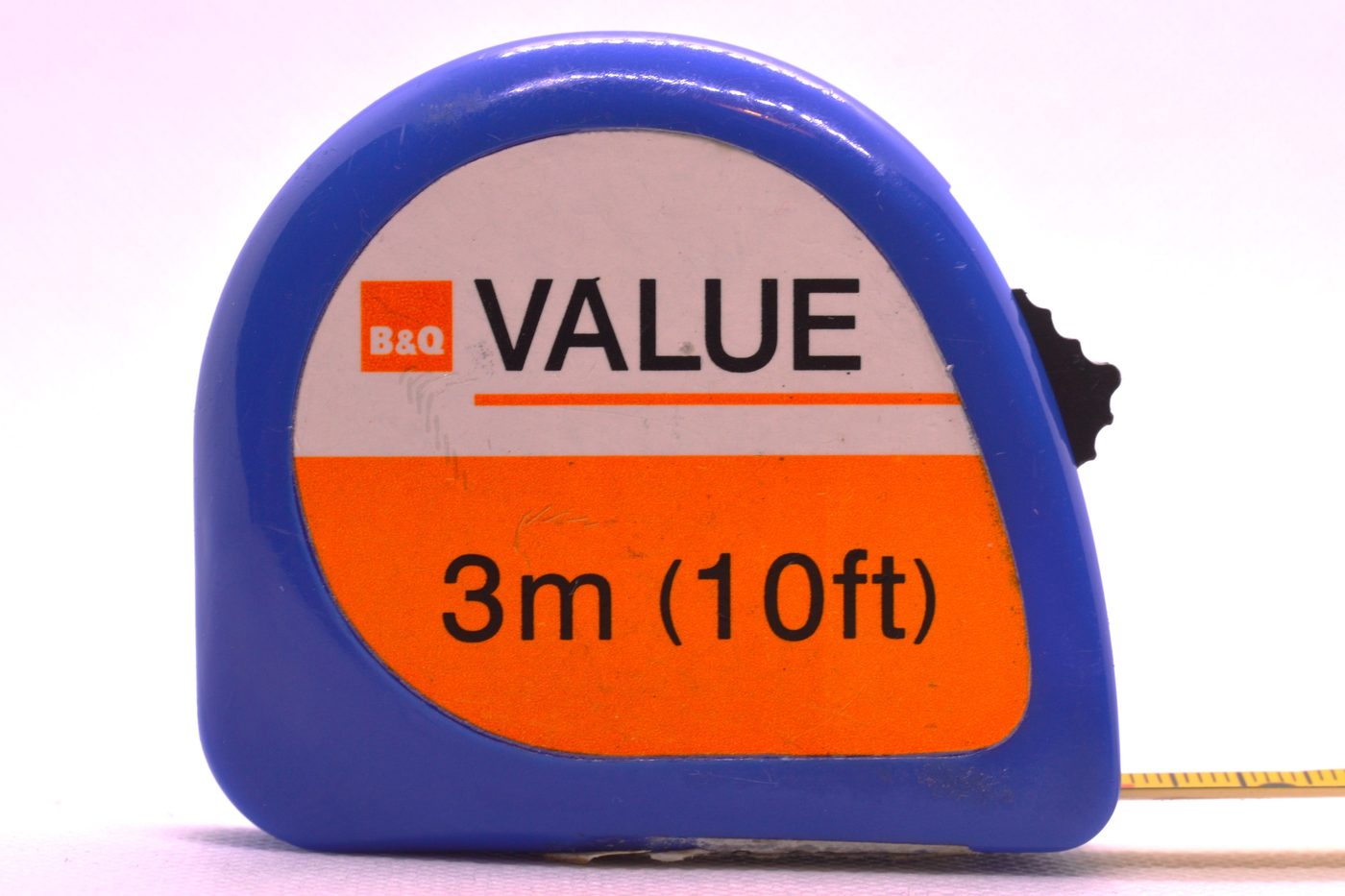
A measuring tape with metric and imperial units (Source: Wikimedia Commons)
- Hand Saw: Enables cutting timber and boards to required dimensions. Smallholder farmers in Kitui rely on hand saws for shaping wooden planks for goat shelter walls.
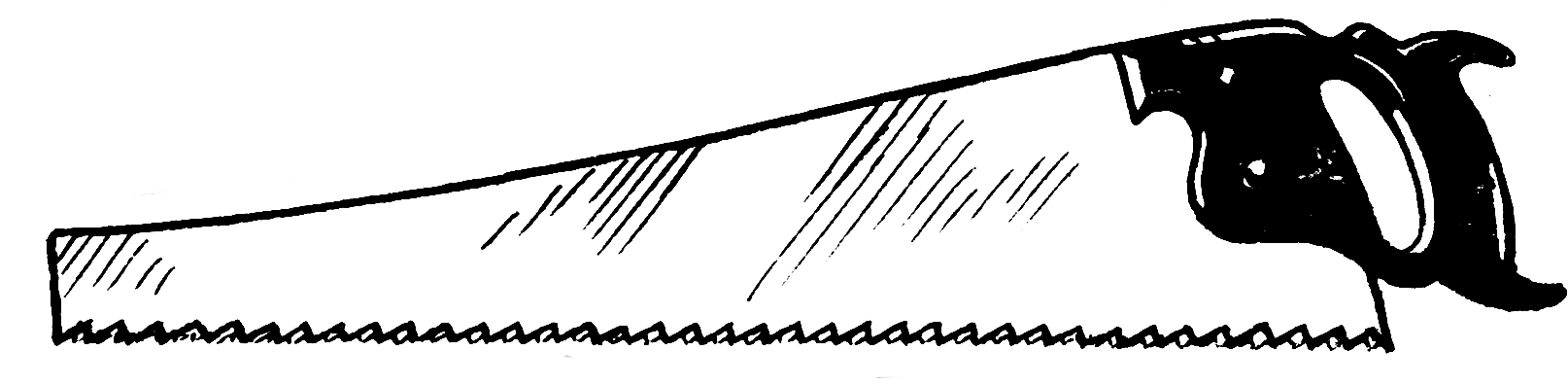
Hand saw with handle and serrated blade (Source: Wikimedia Commons)
-
Chisels: Used for carving and shaping wood joints, ensuring tight fits and structural integrity. Schools with agricultural programs in Eldoret use chisels to teach students carpentry skills relevant to livestock housing.
-
Spirit Level: Ensures horizontal and vertical alignment for stability and durability of the structure. A county government office in Machakos employs spirit levels during goat house construction on demonstration farms.
Maintenance and Usage
- Keep tools clean and dry to prevent rust and deterioration.
- Regularly sharpen cutting edges for efficiency and safety.
- Store tools in designated places to avoid damage and loss.
- Use safety equipment such as gloves and goggles to prevent injuries during tool operation.
1.1.2 Equipment
Equipment includes mechanical or powered devices that facilitate construction processes, improve efficiency and reduce physical strain. While some goat farmers in Kenya work with basic hand tools, others may access equipment that accelerates building.
| Name |
Specification |
Use |
| Power Drill |
Cordless, variable speed |
Drilling holes and driving screws |
| Concrete Mixer |
100-litre capacity, portable |
Mixing cement, sand and water for flooring |
| Wheelbarrow |
Steel frame, pneumatic tyres |
Transporting materials around the site |
| Nail Gun |
Pneumatic or electric, handheld |
Rapidly fixing nails into wood |
| Circular Saw |
Electric, 7-inch blade diameter |
Precision cutting of timber and boards |
Equipment Usage and Care
- Power drills reduce manual labor in fixing screws and bolts, saving time in projects such as constructing goat feeding troughs.
- Concrete mixers ensure consistent and high-quality concrete, vital for durable goat house floors in places like Kisumu county farms.
- Wheelbarrows facilitate movement of heavy loads, preventing worker fatigue during material transport at university demonstration farms in Nairobi.
- Nail guns speed up assembly but require training to avoid accidents, used in commercial goat farms near Nakuru.
- Circular saws provide clean cuts essential for tight-fitting joints, maintained by sharpening blades regularly and using dust extraction.
1.1.2.1 Materials
Materials form the physical structure of goat housing and must be selected based on availability, cost, durability and suitability to the local climate. Kenyan goat farmers often combine traditional and modern materials to optimize costs and performance.
Common Materials and Their Properties
-
Timber: A primary material for framing and walls, chosen for strength and workability. For instance, farms in Murang’a use eucalyptus timber for its durability and termite resistance.
-
Corrugated Iron Sheets: Widely used for roofing due to durability and rainwater shedding properties. A retail business in Mombasa installed corrugated iron roofing to protect goats from heavy coastal rains.

corrugated iron sheet with brand marking (Source: Wikimedia Commons)
- Wire Mesh: Provides ventilation and predator protection while allowing light into the structure. County referral hospitals with veterinary units in Kisii use wire mesh to secure goat pens.
- Concrete: Used for flooring and foundations to create hygienic and durable surfaces. SACCO-supported farmers in Meru invest in concrete floors to ease cleaning and reduce parasite infestation.
- Bamboo: A sustainable alternative for fencing and wall panels in low-cost structures. Small-scale farmers in Kwale integrate bamboo to reduce construction costs while maintaining adequate shelter.
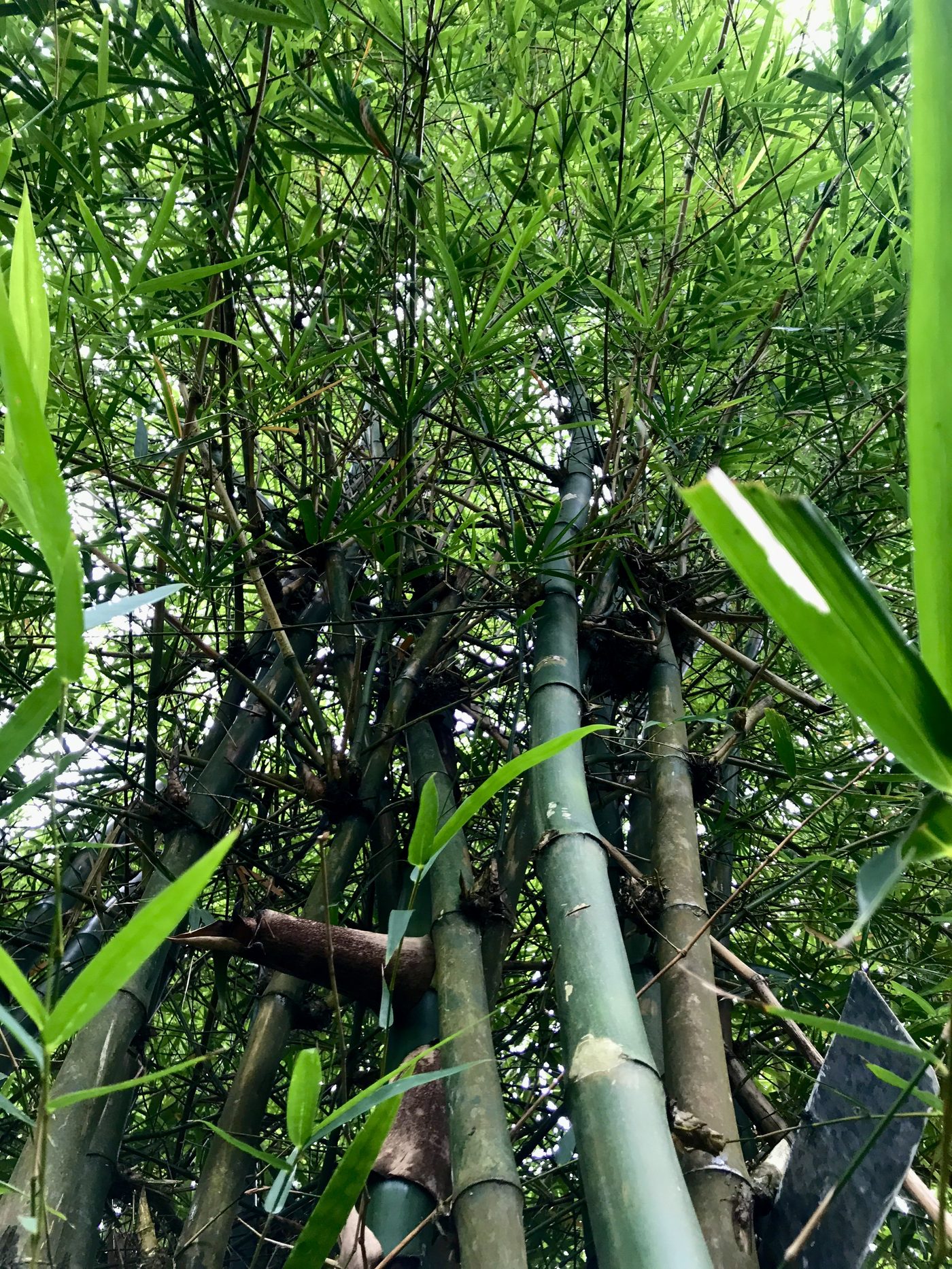
Cluster of bamboo stems and leaves (Source: Wikimedia Commons)
Material Selection Criteria
- Durability against weather and pests to prolong structure lifespan.
- Availability locally to minimize transport costs and delays.
- Suitability for goat comfort, including insulation and ventilation.
- Ease of maintenance and repair to ensure long-term usability.
- Cost-effectiveness aligned with the farmer’s budget and scale of production.
Practice Questions
- Explain five types of hand tools used in constructing goat structures and their specific uses. (10 marks)
- Describe the role of equipment in goat house construction and list five common equipment items with their specifications. (10 marks)
- Discuss five materials suitable for building goat houses in Kenya and explain the criteria for selecting these materials. (10 marks)
The rest of this chapter
🔒Create a free account to open more of this chapter.
Free: practical guides, quick cards, workplace scenarios and more.
Create a free account 🔒1.2 Selection of Site for Goat Structure
Selecting an appropriate site for constructing goat housing is a critical step in goat production that affects animal health, productivity, and ease of management. In Kenya, where goat farming is practiced in diverse climatic zones, site selection must conside…
🔒1.3 Construction of Goat Structures
Constructing goat housing involves creating a shelter that protects goats from adverse weather, predators, and disease, while facilitating management activities. In Kenya, where goat farming ranges from small-scale backyard units to commercial operations, cons…
🔒1.4 Maintenance of goat structures
In Kenya's diverse agricultural landscape, maintaining goat structures is essential for ensuring animal welfare, prolonging the lifespan of the facilities, and safeguarding investment. Well-maintained goat housing contributes to improved productivity by provid…
🔒1.5 Construction and maintenance of goat structure records
Accurate records of construction and maintenance activities for goat structures are vital for effective management and accountability. In Kenya, organizations such as county agricultural offices and cooperative societies rely on detailed documentation to monit…
🔒1.6 Waste Management
Effective waste management in goat production is essential for maintaining a healthy environment that supports animal welfare, public health, and sustainable farming practices. In Kenya, proper disposal and recycling of goat farm waste can reduce the risk of d…
Chapter Summary
This chapter covered the essential tools, equipment, and materials required for constructing goat structures, detailing their specific roles and applications. It emphasized the importance of selecting an appropriate site for the goat structure, considering factors such as drainage, accessibility, and protection from harsh weather. The process of constructing goat structures was explained, highlighting key steps to ensure durability and functionality. Maintenance practices were discussed to prolong the lifespan of the structures and ensure a safe environment for the goats. The chapter also addressed the importance of keeping accurate records related to the construction and maintenance activities, which support effective management and future planning. Finally, it explored waste management strategies to maintain hygiene and prevent environmental contamination around the goat housing.
Self-Assessment
🔒 PDFDownload this self-assessment, with answers
A. Written Assessment
- Identify five essential tools used in constructing goat structures and explain their specific functions. (10 marks)
- Which factors should be considered when selecting a site for a goat structure in a county government farm? List and explain four. (8 marks)
🔒20 more in this section.
Chapter Examination Questions
🔒 PDFDownload these examination questions, with worked answers
SECTION A (40 Marks) - Answer ALL Questions
- Identify five essential tools used in constructing goat structures and explain their primary functions. (4 marks)
- Describe three types of equipment commonly used during the construction of goat shelters in a county government farm. (4 marks)
🔒18 more in this section.
