Construction of appropriate sheep housing and related structures is essential for effective sheep production in Kenya. Well-designed sheep structures provide shelter from harsh weather, protect animals from predators, and facilitate management practices such as feeding, breeding, and health care. This chapter explores the necessary tools, equipment, and materials used in constructing sheep housing, focusing on practical considerations relevant to Kenyan animal production professionals.
1.1 Construction Tools, Equipment and Materials
Construction of sheep structures requires a combination of manual tools, mechanical equipment, and suitable materials to ensure durability, safety, and functionality. Understanding these components is vital for planning, budgeting, and executing the building process efficiently on farms and ranches.
1.1.1 Tools
In sheep structure construction, tools refer to hand-operated implements that enable precise cutting, shaping, joining, and finishing of building materials. These tools are critical for carpentry, masonry, and metalwork involved in the process.
Types of Construction Tools
Building a sheep pen or shelter demands a variety of tools to handle different tasks:
-
Hammer: Used for driving nails and assembling wooden frames. In Kenyan farms, a claw hammer is common for its dual function of hammering and nail removal.
-
Saw: Essential for cutting timber and plywood. Handsaws and bow saws are typical for small-scale constructions, while circular saws may be used on larger projects.
- Measuring Tape: Accurate measurement ensures materials fit correctly and the structure is stable. A 5-10 meter tape measure is standard on Kenyan farms.

A 3m (10ft) measuring tape (Source: Wikimedia Commons)
- Spirit Level: Ensures horizontal and vertical alignment of structures, preventing slanting walls or uneven floors.

A traditional spirit level tool (Source: Wikimedia Commons)
-
Chisel: Used for fine woodworking, such as shaping joints or removing small sections of wood.
-
Pliers: Assist in gripping, bending, and cutting wires or nails, useful when installing wire mesh fencing around sheep enclosures.
Maintenance of Construction Tools
Proper maintenance extends the life of tools and ensures safety during use:
- Keep tools clean and dry after use to prevent rust, especially in Kenya’s humid regions.
- Sharpen cutting tools like saws and chisels regularly to maintain efficiency and reduce effort.
- Store tools in a secure, dry place to avoid damage and theft.
Safety Considerations When Using Tools
Safety is paramount to prevent injuries during construction:
- Always wear protective gear such as gloves, goggles, and sturdy boots.
- Inspect tools before use to ensure they are in good condition and free from defects.
- Use tools for their intended purpose only, avoiding makeshift modifications.
Selection Criteria for Tools
Choosing the right tool depends on:
- The scale of construction: small farms may rely on manual tools, while larger projects might justify power tools.
- Material type: different saw blades are suited for wood, metal, or plastic.
- Durability and availability: locally available and robust tools reduce replacement costs and downtime.
1.1.2 Equipment
Equipment in construction refers to powered or mechanical devices that assist in heavy or repetitive tasks, improving efficiency and reducing labor intensity.
Common Equipment Used in Sheep Structure Construction
Kenyan sheep farmers may employ the following equipment depending on the scale of operation:
- Concrete Mixer: Facilitates mixing cement, sand, and gravel for building foundations and floors.
- Power Drill: Speeds up drilling holes for screws or bolts in wooden or metal components.
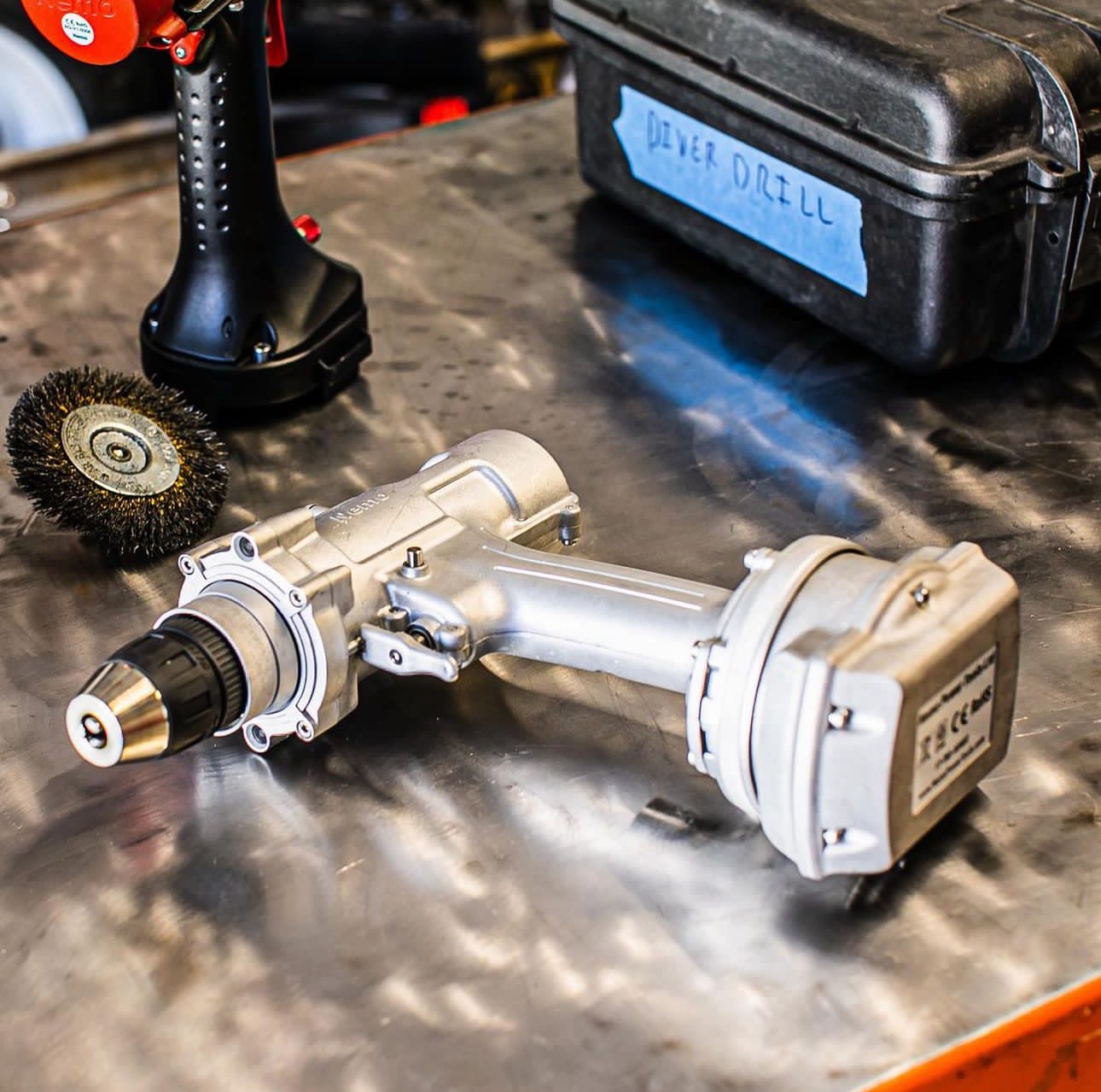
Cordless power drill on workbench (Source: Wikimedia Commons)
- Wheelbarrow: Used to transport construction materials like sand, stones, and timber on-site.
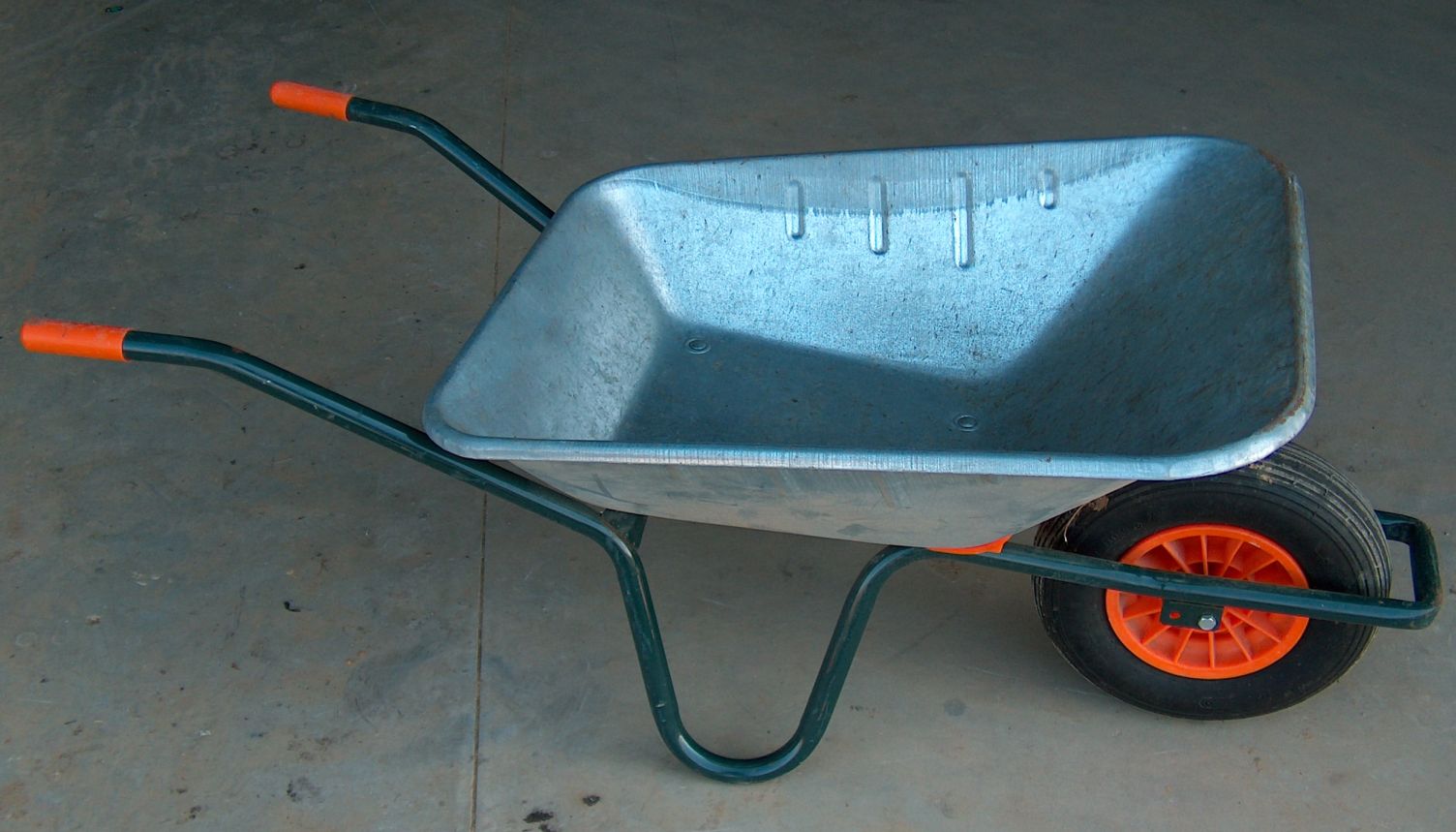
metal wheelbarrow with one wheel (Source: Wikimedia Commons)
Equipment Maintenance and Operation
Proper operation and upkeep of equipment ensure longevity and safety:
- Regularly check mechanical parts for wear and lubricate moving components.
- Clean equipment after use to prevent material buildup.
- Train operators on safe handling procedures to avoid accidents.
Criteria for Selecting Construction Equipment
Factors influencing equipment choice include:
- Project size and complexity: large-scale sheep housing may require concrete mixers and power tools.
- Availability of electricity or fuel: rural farms might prefer manual or fuel-powered equipment over electric.
- Budget constraints: cost-effective equipment that balances performance and affordability is preferred.
Role of Equipment in Enhancing Construction Efficiency
Using appropriate equipment reduces construction time and labor costs. For instance, a concrete mixer produces uniform concrete quickly compared to manual mixing, improving structural quality and durability.
1.1.3 Materials
Materials used in sheep structure construction must be durable, affordable, and locally available to ensure sustainability and cost-effectiveness.
Common Construction Materials for Sheep Structures
Farmers in Kenya typically use the following materials:
-
Timber: Used for framing walls, roofing trusses, and doors. Indigenous hardwoods like cypress and eucalyptus are preferred for their strength and termite resistance.
-
Corrugated Iron Sheets: Common roofing material due to durability and ease of installation.
-
Wire Mesh: Provides ventilation and predator protection when used for walls or fencing.
-
Concrete: Used in foundations and floors to provide a stable, easy-to-clean surface.
-
Masonry Blocks or Bricks: Used for walls in permanent structures, offering durability and protection from weather.
Criteria for Selecting Materials
Material choice depends on:
- Durability: Materials must withstand weather conditions typical in Kenya such as heavy rains and strong sunlight.
- Cost: Affordability is crucial for smallholder farmers; locally sourced materials reduce expenses.
- Availability: Easily accessible materials prevent project delays.
- Maintenance: Materials requiring minimal upkeep reduce long-term costs.
- Suitability: Materials should support adequate ventilation and protect sheep from predators and harsh weather.
Environmental and Sustainability Considerations
Using eco-friendly materials supports sustainable farming:
- Timber from certified plantations reduces deforestation.
- Recycled or locally sourced materials minimize carbon footprint.
- Designing structures with natural ventilation reduces energy use.
Material Preparation and Handling
Proper preparation ensures material longevity:
- Timber should be treated with preservatives to prevent termite damage.
- Metal sheets require rust-proof coatings.
- Concrete ingredients should be mixed in correct proportions for strength.
Practice Questions
- Explain the importance of selecting appropriate tools in the construction of sheep structures and provide five examples of such tools with their uses. (10 marks)
- Describe four types of equipment used in sheep housing construction and discuss how their maintenance affects construction outcomes. (10 marks)
- Identify five common materials used in constructing sheep structures and explain the criteria for selecting these materials in a Kenyan farm setting. (10 marks)
- Discuss safety measures that should be observed when using hand tools during sheep structure construction. (5 marks)
The rest of this chapter
🔒Create a free account to open more of this chapter.
Free: practical guides, quick cards, workplace scenarios and more.
Create a free account 🔒1.2 Selection of site of sheep structures
Selecting an appropriate site for sheep structures is fundamental to the success of a sheep production enterprise in Kenya. The site influences animal health, ease of management, and operational efficiency. In livestock farming systems across the Kenyan highla…
🔒1.3 Designing sheep structures
Designing sheep structures requires integrating knowledge of animal behaviour, climate, and management practices to create facilities that promote health, productivity, and ease of operation. In Kenya, where sheep farming ranges from smallholder systems to com…
🔒1.4 Construction of sheep structures
Construction of sheep structures is a critical aspect of effective sheep production in Kenya. Properly designed and constructed shelters protect sheep from harsh weather, predators, and diseases, thereby enhancing animal welfare and productivity. In the Kenyan…
🔒1.5 Maintenance of sheep structures
Maintaining sheep housing is crucial for prolonging the lifespan of the structures and ensuring a healthy, safe environment for the animals. In Kenya, where resource constraints and variable weather conditions can accelerate wear and tear, regular maintenance…
🔒1.6 Sheep Structures Construction and Record Maintenance
Constructing appropriate sheep housing and related structures is essential for efficient sheep production in Kenya. Well-designed sheep structures protect animals from harsh weather, predators, and diseases while facilitating ease of management. Maintaining ac…
🔒1.7 Waste Management
Effective waste management in sheep production minimizes environmental pollution, controls disease spread, and improves farm hygiene. Kenyan sheep producers face challenges related to manure disposal, wastewater, and general farm cleanliness, especially where…
Chapter Summary
This chapter covered the essential tools, equipment, and materials required for constructing sheep structures, highlighting their specific roles and suitability. It emphasized the importance of selecting an appropriate site for sheep housing, considering factors such as drainage, accessibility, and protection from harsh weather. The chapter then explored the principles of designing sheep structures to ensure functionality, durability, and animal welfare. Detailed steps and considerations in the actual construction process were outlined, focusing on efficient use of resources and safety. Maintaining sheep structures was discussed as a critical practice to prolong their lifespan and ensure a healthy environment for the animals. The chapter also addressed the importance of keeping accurate construction and maintenance records to support management decisions and compliance. Finally, effective waste management within sheep production facilities was presented as a key component to uphold hygiene and environmental sustainability.
Self-Assessment
🔒 PDFDownload this self-assessment, with answers
A. Written Assessment
- Identify five common tools used in the construction of sheep structures and briefly describe their purpose. (5 marks)
- What are the key differences between construction tools and equipment? Provide two examples of each. (4 marks)
🔒20 more in this section.
Chapter Examination Questions
🔒 PDFDownload these examination questions, with worked answers
SECTION A (40 Marks) - Answer ALL Questions
- Identify five essential tools used in the construction of sheep housing structures and explain their primary function. (4 marks)
- Differentiate between equipment and tools in the context of sheep structure construction, providing two examples of each. (4 marks)
🔒18 more in this section.
