Animal Production Technology  ·  Level 4
Sheep Production

Chapter 1: Construct sheep structures

📚 7 Topics
⚑ What you will be able to do

By the end of this chapter, you will be able to:

  • Identify and gather all the tools, equipment, and materials needed for constructing sheep structures.
  • Assemble the tools and equipment correctly to prepare for the job.
  • Organize materials efficiently to ensure a smooth construction process.
  • Check that all items are in good condition and ready for use.

Mastering these skills helps you build safe and sturdy sheep structures, which is essential for protecting your animals and supporting successful sheep farming.

Compiled by: Charles Ochieng

Construction of appropriate sheep housing and related structures is essential for effective sheep production in Kenya. Well-designed sheep structures provide shelter from harsh weather, protect animals from predators, and facilitate management practices such as feeding, breeding, and health care. This chapter explores the necessary tools, equipment, and materials used in constructing sheep housing, focusing on practical considerations relevant to Kenyan animal production professionals.

1.1 Construction tools, equipment and materials

Building a sheep house, handling pen or fenced paddock needs three things: hand tools for accurate work, equipment for heavy or repeated jobs, and materials that are strong, affordable and suited to the climate. A technician who knows what each item does can plan the work, estimate the cost and avoid mistakes that would later cost the flock its comfort and health. This topic describes the tools, equipment and materials used to construct sheep structures.

1.1.1 Tools

Tools are hand-held implements used to measure, cut, join, shape and finish building materials. Much of the work on a sheep house, such as framing a roof, fixing slatted floor boards or hanging a gate, can be done with a small set of hand tools.

Hammer

A hammer drives nails into timber and, with a claw, pulls bent nails out. A claw hammer is the usual choice for roof frames, partitions and gates of a lamb pen. A hammer with a loose head is dangerous and must be repaired or replaced before use.

Screw drivers

Screw drivers turn screws into timber and metal fittings. They are used to fix hinges on pen gates, latches on doors and feeder brackets to walls. The tip must match the screw head, flat for slotted screws and cross-headed for Phillips screws, otherwise the head is damaged.

Tape measures

A tape measure is used to take lengths, widths and heights so that the pen, house or feeder is built to the planned size. Tapes of 5 m to 30 m are widely used, and a long tape is useful for setting out the sides of a house on the ground. Measure twice before cutting to avoid wasting timber.

A 3m (10ft) measuring tape
A 3m (10ft) measuring tape (Source: Wikimedia Commons)

Level

A spirit level shows whether a surface is flat (level) or a post or wall is upright (plumb) by the position of a bubble in a vial of liquid. It is used to check foundations, floors, troughs and the posts of a sheep house so that walls do not lean and water does not collect in corners.
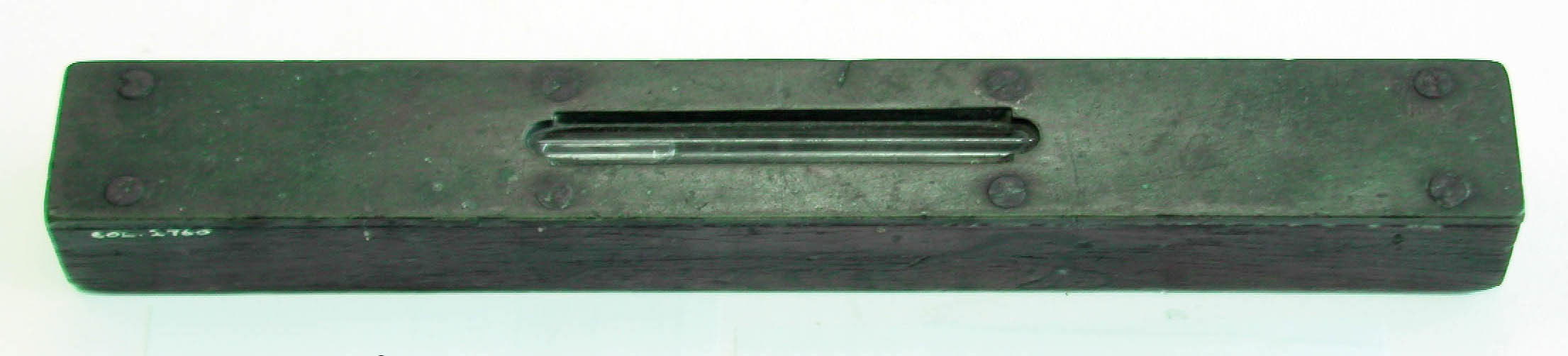
A traditional spirit level tool
A traditional spirit level tool (Source: Wikimedia Commons)

Saw

A saw cuts timber and boards to length. Handsaws and bow saws are used on small projects, while a circular saw is used on larger ones. The saw is chosen to suit the material, since blades for timber cannot be used on metal or plastic.

Drill

A drill makes holes for bolts, screws and wire in timber, metal and masonry. A hand brace or cordless power drill is used to fix roof sheets, to bolt the frame of a shearing platform and to make holes for fence wire.
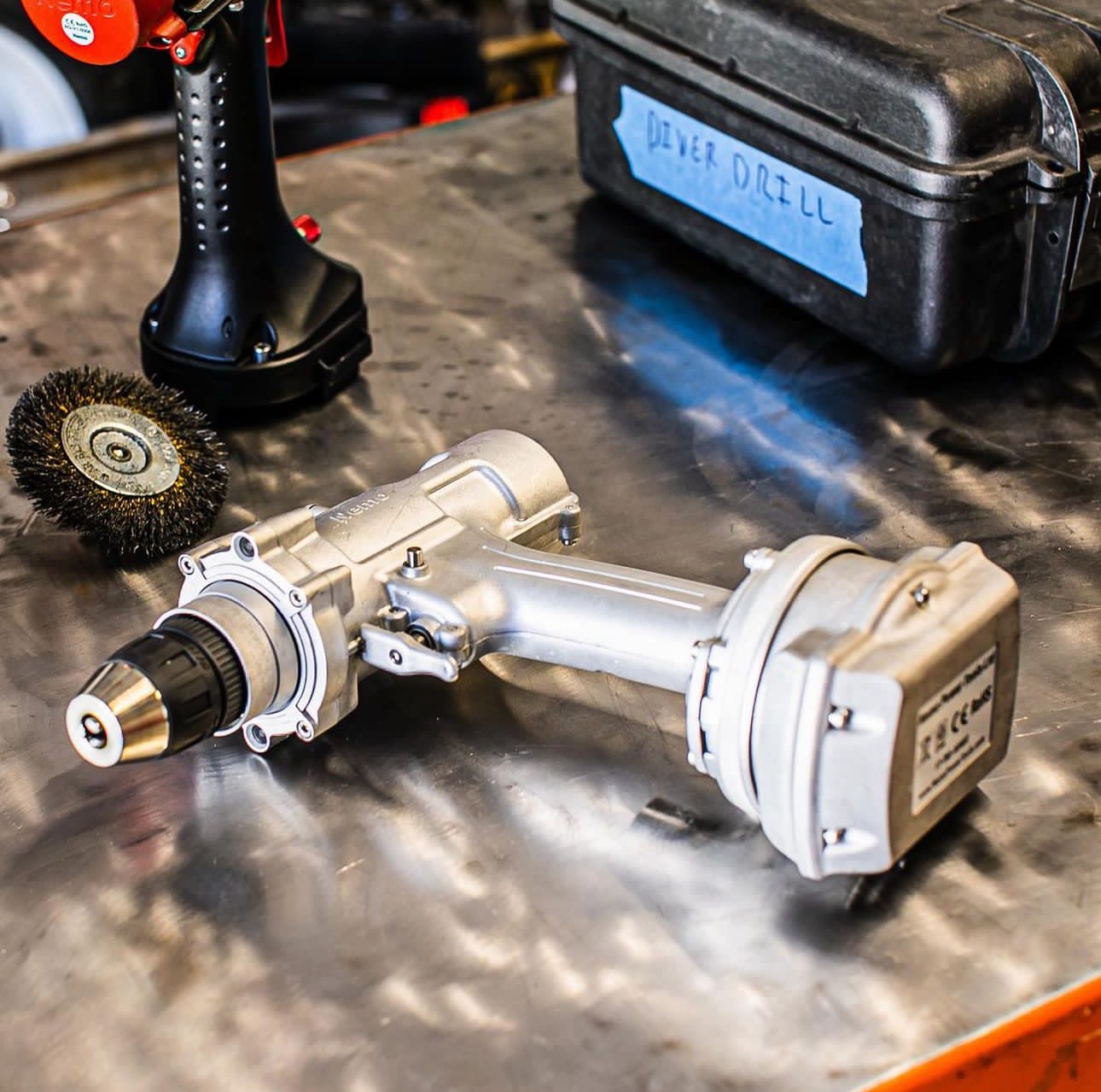
Cordless power drill on workbench
Cordless power drill on workbench (Source: Wikimedia Commons)

Pliers

Pliers grip, bend and cut wire and nails. They are used when stretching and tying wire mesh to the sides of a sheep enclosure and when twisting binding wire around posts.

Chisel

A chisel is a sharp-edged tool struck with a mallet to cut grooves and joints in wood or to remove small pieces of timber. It is used to fit hinges, make joints in gates and trim door frames.

Maintenance of construction tools

Proper care extends the life of tools and keeps them safe:

  • Clean tools and dry them after use to prevent rust, especially in humid areas.
  • Sharpen cutting tools such as saws and chisels regularly so that less effort is needed.
  • Oil metal parts lightly and replace damaged handles.
  • Store tools in a secure, dry place to avoid damage and theft.

Safety considerations when using tools

Injuries on a building site often come from careless use of simple tools:

  • Wear gloves, goggles and sturdy boots when cutting, drilling and hammering.
  • Inspect every tool before use for cracked handles, loose heads and blunt or damaged edges.
  • Use each tool only for its intended purpose and never modify it with makeshift parts.
  • Keep sheep and children away from the working area, since dropped tools and nails can injure them.

Selection criteria for tools

The choice of tools depends on:

  • The scale of construction: a small pen can be built with manual tools, while a large shed may justify power tools.
  • The material: saw blades and drill bits differ for wood, metal and masonry.
  • Durability and availability: strong tools that are easy to buy locally reduce replacement costs and delays.

1.1.2 Equipment

Equipment means powered or mechanical machines that do heavy or repetitive work which hand tools cannot do economically. Smallholder sheep structures can be built with hand tools and a few simple items. Heavy machines are hired for larger commercial units, where clearing, levelling and moving large quantities of material are needed.

Bulldozer

A bulldozer is a tracked machine with a front blade that clears bush, removes topsoil and levels ground. It is hired for preparing a large site for a sheep house or handling yard on rough or sloping land.

Cranes

A crane lifts and places heavy loads such as precast concrete slabs, steel roof trusses and water tanks. It is used where materials are too heavy for workers to lift safely.

Dump trucks

A dump truck carries bulk materials such as sand, ballast, quarry dust and stones to the site, and tips them out at the point where they are needed. It saves time compared with moving the same materials by wheelbarrow.

Mixer

A concrete mixer rotates a drum to blend cement, sand, ballast and water into uniform concrete. It gives a better and faster mix than hand mixing, and is used for the foundation and floor of a sheep house and for troughs.

Forklifts

A forklift lifts and carries palletised loads such as blocks, bags of cement and roofing sheets, and places them close to where they will be used. It is found on large construction sites and in building supply yards.

Wheelbarrows, plate compactors and ladders

Simple equipment is used on nearly every site. A wheelbarrow moves sand, stones, blocks and mixed concrete. A plate compactor presses soil or gravel into a firm base for floors and foundations. A ladder gives safe access to the roof and upper walls.
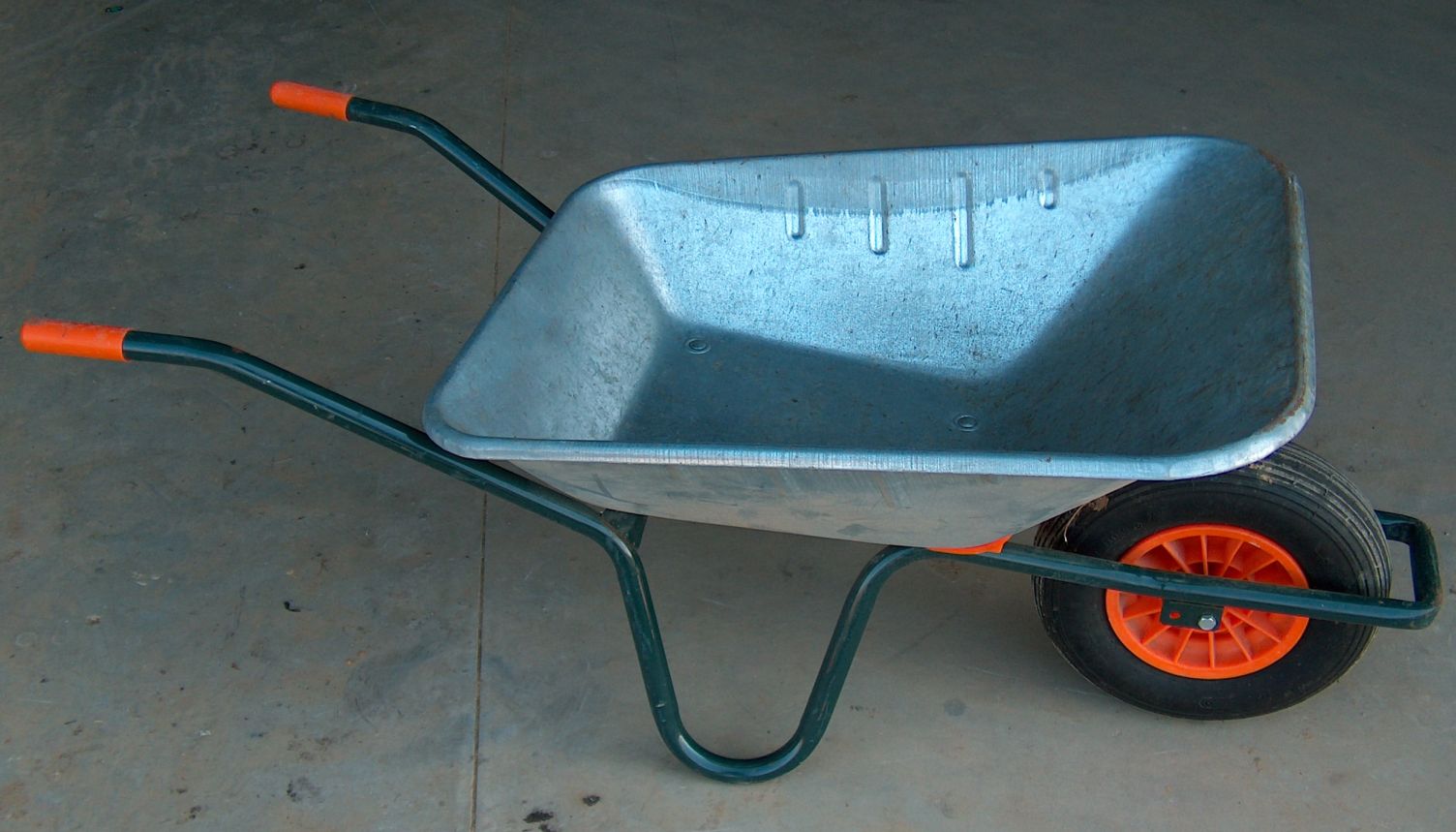
metal wheelbarrow with one wheel
metal wheelbarrow with one wheel (Source: Wikimedia Commons)

Equipment maintenance and operation

  • Check moving parts for wear and lubricate them according to the maker's instructions.
  • Clean equipment after use so that cement and soil do not build up on it.
  • Allow only trained operators to run mixers, compactors and heavy machines, and wear the protective gear required.

Criteria for selecting construction equipment

  • Project size and complexity: a large house justifies a mixer, while a small pen does not.
  • Availability of electricity or fuel: where there is no power, fuel-driven or manual equipment is chosen.
  • Budget: hiring equipment for the days it is needed is often cheaper than buying it.

1.1.3 Materials

Materials must be strong enough for the load they carry, resistant to weather and termites, affordable and easy to obtain nearby. The right materials keep the sheep dry, ventilated and safe from predators.

Cement

Cement is the binding material in concrete, mortar and plaster. It is sold in bags, kept dry and used within a short time of purchase, since damp cement hardens into lumps and loses strength. It is mixed with sand and ballast for foundations, floors and troughs.

Sand

Sand is the fine aggregate in mortar and concrete. It should be clean and free from soil, clay and salt, which weaken the mix. River or pit sand is used, as available.

Blocks

Blocks are used to build walls and are laid in mortar. Concrete blocks and stone blocks give strong, durable, rain-resistant walls for a permanent sheep house, and they are easy to clean and disinfect.

Quarry dust

Quarry dust is the fine crushed-rock powder left from quarrying. It is used as a cheaper partial substitute for sand in mortar and block making, and compacted under floors as a firm, drain-friendly base. It should be dry, clean and free from large stones.

Timber, roofing sheets, wire mesh and concrete

Other materials are used in nearly every sheep structure:

  • Timber: Used for roof frames, doors, partitions and gates. Cypress and eucalyptus are widely used and are treated with a preservative to resist termites and rot.
  • Corrugated iron sheets: A widely used roofing material that sheds rain and is light to fix.
  • Wire mesh: Gives ventilation and protection from predators when fixed to the walls and fences of the enclosure.
  • Concrete: Used for foundations and floors to give a stable surface that is easy to clean.
  • Masonry blocks or bricks: Used for walls where a permanent structure is needed.

Criteria for selecting materials

  • Durability: Materials must stand up to heavy rain and strong sun.
  • Cost: Locally sourced materials lower the cost for the smallholder.
  • Availability: Materials that are easy to obtain prevent delays.
  • Maintenance: Materials that need little upkeep reduce long-term costs.
  • Suitability: The material must allow good ventilation and protect sheep from predators and bad weather.

Environmental and sustainability considerations

  • Timber from managed plantations reduces pressure on natural forests.
  • Recycled or locally sourced materials reduce transport and the carbon footprint.
  • Designing structures for natural ventilation reduces the need for electrical power.

Material preparation and handling

  • Treat timber with a preservative to prevent termite damage.
  • Protect metal sheets with a rust-proof coating.
  • Measure the proportions of cement, sand and ballast carefully, since a poor mix gives weak concrete.

Practice Questions

  1. Explain the importance of selecting appropriate tools in the construction of sheep structures and provide five examples of such tools with their uses. (10 marks)
  2. Describe four types of equipment used in sheep housing construction and discuss how their maintenance affects construction outcomes. (10 marks)
  3. Identify five common materials used in constructing sheep structures and explain the criteria for selecting these materials in a Kenyan farm setting. (10 marks)
  4. Discuss safety measures that should be observed when using hand tools during sheep structure construction. (5 marks)
The rest of this chapter
🔒

Create a free account to open more of this chapter.

Free: practical guides, quick cards, workplace scenarios and more.

Create a free account
🔒1.2 Selection of site of sheep structures

Selecting an appropriate site for sheep structures is fundamental to the success of a sheep production enterprise in Kenya. The site influences animal health, ease of management, and operational efficiency. In livestock farming systems across the Kenyan highla…

🔒1.3 Designing sheep structures

Designing sheep structures requires integrating knowledge of animal behaviour, climate, and management practices to create facilities that promote health, productivity, and ease of operation. In Kenya, where sheep farming ranges from smallholder systems to com…

🔒1.4 Construction of sheep structures

Construction of sheep structures is a critical aspect of effective sheep production in Kenya. Properly designed and constructed shelters protect sheep from harsh weather, predators, and diseases, thereby enhancing animal welfare and productivity. In the Kenyan…

🔒1.5 Maintenance of sheep structures

Maintaining sheep housing is crucial for prolonging the lifespan of the structures and ensuring a healthy, safe environment for the animals. In Kenya, where resource constraints and variable weather conditions can accelerate wear and tear, regular maintenance…

🔒1.6 Sheep Structures Construction and Record Maintenance

Constructing appropriate sheep housing and related structures is essential for efficient sheep production in Kenya. Well-designed sheep structures protect animals from harsh weather, predators, and diseases while facilitating ease of management. Maintaining ac…

🔒1.7 Waste management

Effective waste management in sheep production minimizes environmental pollution, controls disease spread, and improves farm hygiene. Kenyan sheep producers face challenges related to manure disposal, wastewater, and general farm cleanliness, especially where…

Chapter Summary

This chapter covered the essential tools, equipment, and materials required for constructing sheep structures, highlighting their specific roles and suitability. It emphasized the importance of selecting an appropriate site for sheep housing, considering factors such as drainage, accessibility, and protection from harsh weather. The chapter then explored the principles of designing sheep structures to ensure functionality, durability, and animal welfare. Detailed steps and considerations in the actual construction process were outlined, focusing on efficient use of resources and safety. Maintaining sheep structures was discussed as a critical practice to prolong their lifespan and ensure a healthy environment for the animals. The chapter also addressed the importance of keeping accurate construction and maintenance records to support management decisions and compliance. Finally, effective waste management within sheep production facilities was presented as a key component to uphold hygiene and environmental sustainability.

Self-Assessment

🔒 PDFDownload this self-assessment, with answers

A. Written Assessment

  1. Identify five common tools used in the construction of sheep structures and briefly describe their purpose. (5 marks)
  2. What are the key differences between construction tools and equipment? Provide two examples of each. (4 marks)
🔒20 more in this section.

Chapter Examination Questions

🔒 PDFDownload these examination questions, with worked answers

SECTION A (40 Marks) - Answer ALL Questions

  1. Identify five essential tools used in the construction of sheep housing structures and explain their primary function. (4 marks)
  2. Differentiate between equipment and tools in the context of sheep structure construction, providing two examples of each. (4 marks)
🔒18 more in this section.
Flashcards 20 cards Study deck ▾
Question
1

↻ Tap card to reveal answer
🔒

18 more in this section.

Create a free account
Test Yourself 19 questions Start quiz ▾
0%
0 / 2
🔒

17 more in this section.

Create a free account
Am I competent?

At the start of this chapter we promised you would be able to:

  • Identify and gather all the tools, equipment, and materials needed for constructing sheep structures.
  • Assemble the tools and equipment correctly to prepare for the job.
  • Organize materials efficiently to ensure a smooth construction process.
  • Check that all items are in good condition and ready for use.

Tick each one you can genuinely do.

So, are you there yet?

You're competent when you can confidently do 50% or more of what this chapter promised.

Sign in to record how you're doing.