
By the end of this chapter, you will be able to:
Mastering these skills will help you work confidently and efficiently, keeping yourself and others safe while ensuring the machinery lasts longer on the farm.
Compiled by: Beatrice Atieno
Operating harvesting machinery effectively and safely is a critical skill for agripreneurs managing crop production in Kenya. These machines accelerate the harvesting process, reduce labour costs, and improve yield quality when handled correctly. However, the operation involves inherent risks that necessitate strict adherence to safety protocols, especially the use of personal protective equipment (PPE). This chapter focuses on the importance of PPE in safeguarding operators during harvesting activities, ensuring productivity and wellbeing on the farm.
Personal protective equipment forms the frontline defence against injuries and health hazards associated with harvesting machinery operation. In the Kenyan agripreneurship context, where farms often combine manual and mechanized harvesting methods, PPE is vital to protect workers from dust, sharp parts, noise, and chemical exposures. Proper PPE use not only complies with workplace safety regulations but also enhances operator confidence and efficiency during machine handling.
Personal protective equipment for harvesting machinery includes items designed to protect different parts of the body from specific hazards. Understanding the types of PPE helps agripreneurs select appropriate gear for their operations and comply with safety standards.
Protective Gloves: These shield hands from cuts, abrasions, and chemical exposure during machine handling and crop processing. Durable gloves improve grip and reduce fatigue when managing controls and loading harvested crops.
Safety Goggles or Face Shields: Eye protection prevents injury from flying debris, dust, or chemical splashes. For example, workers at a maize farm in Uasin Gishu use goggles to guard against husk particles during shelling.
A pair of safety glasses (Source: RCTDS301_Drainage_system)
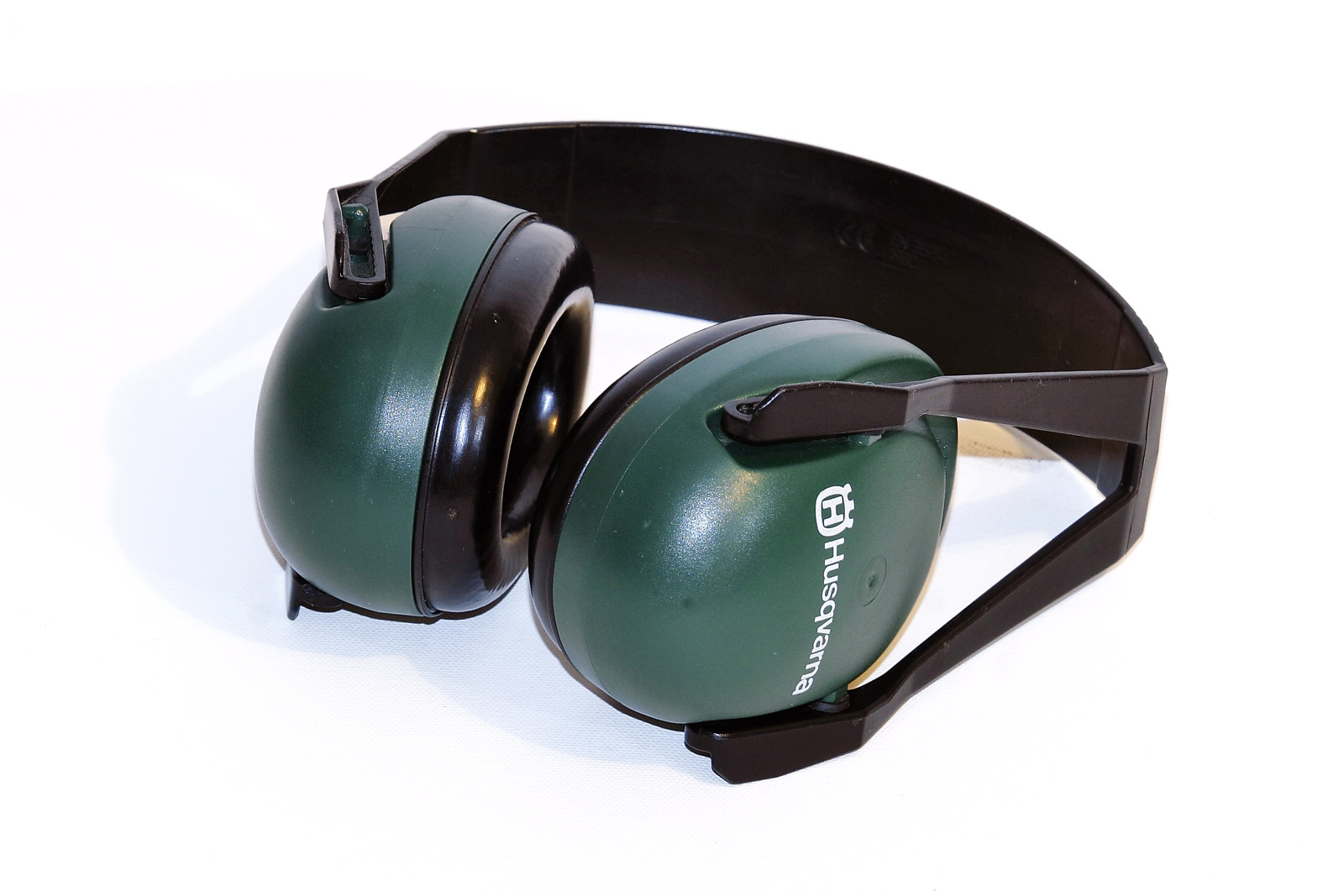
Green Husqvarna hearing protection earmuffs (Source: Wikimedia Commons)
Four types of safety footwear commonly used in construction and engine (Source: PLUMB 5 LEARNING GUIDE-1 (1))
Wearing PPE significantly lowers the risk of accidents and health issues while operating harvesting machinery. For agripreneurs, maintaining PPE use is essential to sustain workforce health and meet occupational safety requirements.
Correct usage and upkeep of PPE ensure that the equipment provides effective protection throughout the harvesting season. Agripreneurs must establish clear procedures for PPE handling among their workers.
Despite the clear benefits of PPE, agripreneurs in Kenya face several challenges that hinder consistent use. Addressing these challenges is crucial to improving safety standards during harvesting.
Identify and explain five types of personal protective equipment essential for operating harvesting machinery. (10 marks)
Discuss five reasons why wearing personal protective equipment is critical in harvesting operations. (10 marks)
Outline six steps involved in the proper use and maintenance of personal protective equipment on a farm. (12 marks)
Describe three challenges agripreneurs face in ensuring PPE compliance and propose strategies to overcome each. (12 marks)
Create a free account to open more of this chapter.
Free: practical guides, quick cards, workplace scenarios and more.
Create a free accountThis chapter emphasizes the critical role of wearing personal protective equipment to ensure safety while operating harvesting machinery. It details the correct procedures for operating various types of harvesting equipment, highlighting the importance of skill and attention to prevent accidents and maximize efficiency. The chapter also covers essential maintenance practices, including routine checks and servicing to prolong machinery lifespan and maintain optimal performance. Proper storage techniques are discussed to protect equipment from damage and environmental factors when not in use. Together, these topics provide a comprehensive understanding of the responsibilities involved in handling harvesting machinery safely and effectively on the farm. Adhering to these guidelines supports both personal safety and the longevity of the machinery, contributing to successful agricultural operations.
Type: Individual
| Tools & Equipment | Materials |
|---|---|
| John Deere S660 Combine Harvester | Fuel (Diesel) |
| Toolkit (wrenches, screwdrivers, pliers) | Lubricating Oil |
| Field Communication Radio | Fire Extinguisher (Dry Powder) |
| Closed Safety Shoes | |
| Protective Gloves | |
| Dust Mask | |
| Field Safety Helmet |
| S/N | Item | Quantity |
|---|---|---|
| 1 | John Deere S660 Combine Harvester | 1 Pc per Candidate |
| 2 | Fuel (Diesel) | 5 Litres per Candidate |
| 3 | Lubricating Oil | 1 Litre per Candidate |
| 4 | Fire Extinguisher (Dry Powder) | 1 Pc per 5 Candidates |
| 5 | Closed Safety Shoes | 1 Pair per Candidate |
| 6 | Protective Gloves | 1 Pair per Candidate |
| 7 | Dust Mask | 1 Pc per Candidate |
| 8 | Field Safety Helmet | 1 Pc per Candidate |
| 9 | Toolkit (wrenches, screwdrivers, pliers) | 1 Set per Candidate |
| 10 | Field Communication Radio | 1 Pc per 10 Candidates |
| Items to be Evaluated | Marks Available | Marks Obtained | Comments |
|---|---|---|---|
| TASK 1: Prepare and Start the Combine Harvester | |||
| Wore appropriate PPE: safety shoes, gloves, dust mask, helmet (Award 1 mark for each or zero) | 4 | ||
| Conducted pre-start checks: fuel level, oil level, hydraulic fluids, tire pressure (Award 1 mark for each or zero) | 4 | ||
| Checked and cleared the harvesting header and conveyor for obstructions (Award 3 marks or zero) | 3 | ||
| Ensured fire extinguisher was accessible and functional (Award 2 marks or zero) | 2 | ||
| Started the engine following manufacturer’s procedure (Award 3 marks or zero) | 3 | ||
| Checked all gauges and warning lights for normal operation after starting (Award 2 marks or zero) | 2 | ||
| Communicated with field team via radio before moving (Award 2 marks or zero) | 2 | ||
| Sub-Total | 20 | ||
| TASK 2: Operate Combine Harvester During Harvesting | |||
| Controlled the combine harvester safely and efficiently over the 100m x 50m maize field (Award 5 marks or zero) | 5 | ||
| Adjusted header height and reel speed appropriately for maize harvesting (Award 4 marks or zero) | 4 | ||
| Monitored grain tank levels and unloading auger operation (Award 3 marks or zero) | 3 | ||
| Maintained safe speed and avoided obstacles (Award 3 marks or zero) | 3 | ||
| Stopped the machine safely and shut down engine after harvesting (Award 3 marks or zero) | 3 | ||
| Cleaned the harvesting header and removed debris (Award 2 marks or zero) | 2 | ||
| Sub-Total | 20 | ||
| PRODUCT CHECKLIST | |||
| Combine harvester started without faults and operated continuously for at least 30 minutes (Award 5 marks or zero) | 5 | ||
| Field harvested area shows uniform cutting height and no missed patches within the 100m by 50m plot (Award 5 marks or zero) | 5 | ||
| Grain tank properly filled without spillage or mechanical issues (Award 5 marks or zero) | 5 | ||
| Equipment cleaned and secured after operation (Award 5 marks or zero) | 5 | ||
| Sub-Total | 20 | ||
| GRAND TOTAL | 60 | ||
Type: Individual
| Tools & Equipment | Materials |
|---|---|
| Maize sheller machine | Freshly harvested maize cobs |
| Digital weighing scale | Plastic container for collecting grains |
| Broom and dustpan | Plastic container for collecting cobs |
| Clean cloth | Pen and notebook |
| S/N | Item | Quantity |
|---|---|---|
| 1 | Maize sheller machine | 1 Pc per Candidate |
| 2 | Freshly harvested maize cobs | 5 Kg per Candidate |
| 3 | Dust coat | 1 Pc per Candidate |
| 4 | Latex gloves | 1 Pair per Candidate |
| 5 | Closed safety shoes | 1 Pair per Candidate |
| 6 | Face mask | 1 Pc per Candidate |
| 7 | Plastic container for collecting grains | 1 Pc per Candidate |
| 8 | Plastic container for collecting cobs | 1 Pc per Candidate |
| 9 | Broom and dustpan | 1 Set per 5 Candidates |
| 10 | Clean cloth for cleaning machine | 1 Pc per Candidate |
| 11 | Digital weighing scale (capacity 10 kg) | 1 Pc per 10 Candidates |
| 12 | Pen and notebook for recording data | 1 Set per Candidate |
| Items to be Evaluated | Marks Available | Marks Obtained | Comments |
|---|---|---|---|
| TASK 1: Operating the maize sheller machine | |||
| Wore appropriate PPE: dust coat, gloves, face mask, closed safety shoes (Award 1 mark for each item worn correctly or zero) | 4 | ||
| Prepared the maize sheller machine for operation: checked power/source, cleaned machine, ensured safety guards in place (Award 1 mark for each step completed or zero) | 5 | ||
| Loaded the maize cobs correctly into the sheller hopper (Award 3 marks if done correctly or zero) | 3 | ||
| Operated the maize sheller machine efficiently without jamming or spillage (Award 5 marks for smooth operation or zero) | 5 | ||
| Collected shelled maize grains and cobs separately in appropriate containers (Award 3 marks if grains and cobs are collected separately and cleanly or zero) | 3 | ||
| Weighed the shelled grains accurately using the digital scale and recorded the weight (Award 4 marks for correct weighing and recording or zero) | 4 | ||
| Cleaned the maize sheller machine and working area after operation, disposed of waste properly (Award 3 marks for thorough cleaning or zero) | 3 | ||
| Sub-Total | 27 | ||
| PRODUCT CHECKLIST | |||
| Shelled maize grains quantity approximately equal to expected yield (~85% of 5 Kg) and free from cob pieces (Award 6 marks if grain quantity and purity meet standards or zero) | 6 | ||
| Maize cobs separated cleanly with minimal grain loss (Award 5 marks if cobs are clean and minimal grains remain or zero) | 5 | ||
| Machine cleaned and stored properly after use (Award 2 marks if machine is clean and stored correctly or zero) | 2 | ||
| Sub-Total | 13 | ||
| GRAND TOTAL | 40 | ||
At the start of this chapter we promised you would be able to:
Tick each one you can genuinely do.
So, are you there yet?
You're competent when you can confidently do 50% or more of what this chapter promised.
Sign in to record how you're doing.