
Compiled by: Beatrice Chebet
Farm irrigation and drainage systems are critical components in modern agripreneurship, especially in Kenya where climatic variability challenges consistent crop production. Proper maintenance of these systems ensures efficient water use, reduces crop stress, and prevents soil degradation, directly impacting farm profitability and sustainability. Agripreneurs must prioritize safety during maintenance activities to protect themselves from hazards associated with irrigation equipment and drainage infrastructure. This chapter focuses on understanding and using personal protective equipment (PPE) to safeguard workers involved in maintaining farm irrigation and drainage systems.
Personal protective equipment is essential for agripreneurs and farm workers engaged in irrigation and drainage maintenance. The use of appropriate PPE minimizes exposure to physical, chemical, and biological hazards commonly encountered in the field. In Kenya’s agricultural sector, where smallholder and commercial farms operate with varying resources, knowledge and consistent use of PPE contribute to reducing workplace injuries and enhancing productivity.
Different tasks in irrigation and drainage require specific types of PPE to address diverse risks such as chemical exposure, mechanical injury, and environmental elements. Proper selection of PPE depends on the nature of the work and the hazards present on the farm.
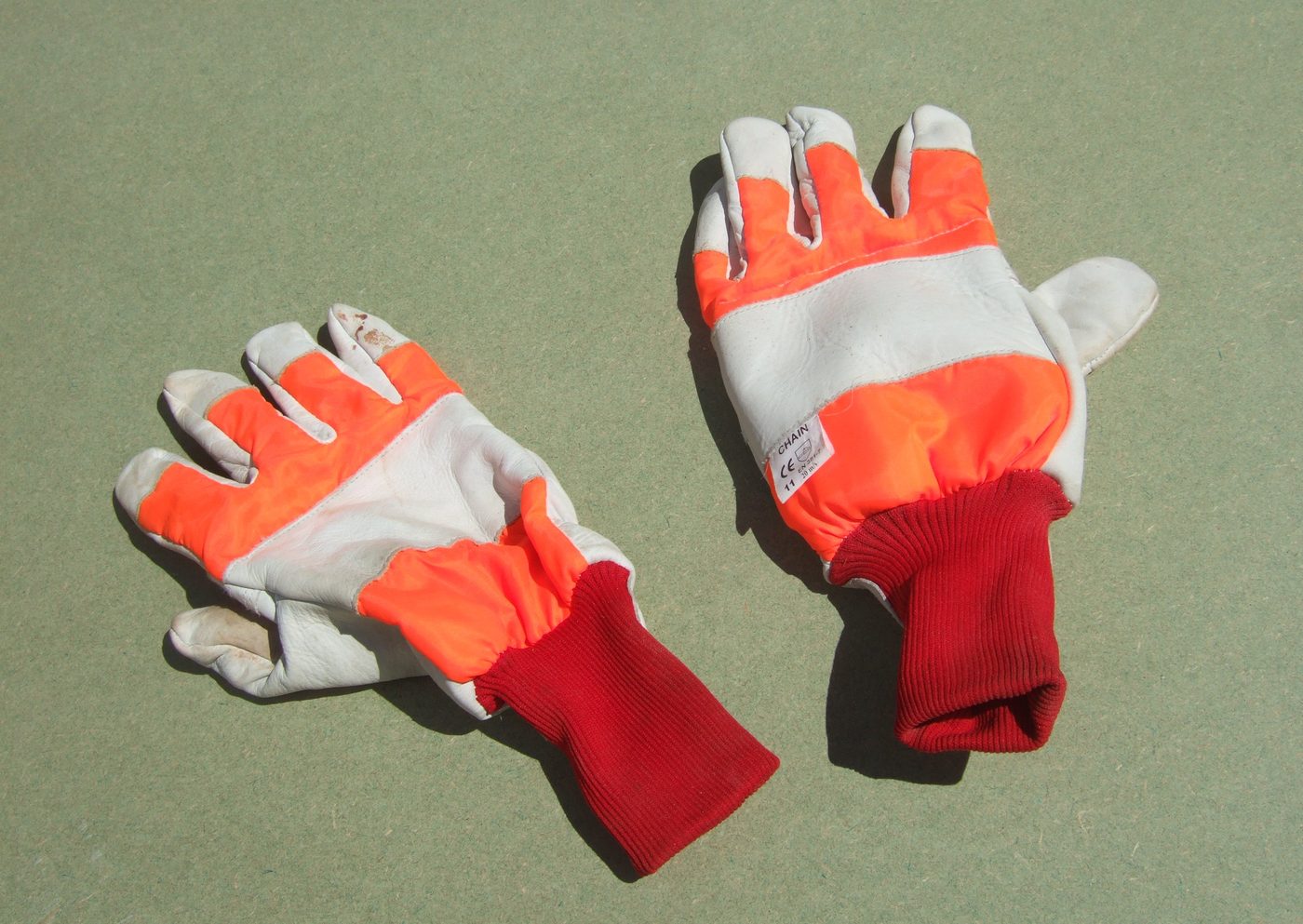
A pair of protective gloves (Source: Wikimedia Commons)
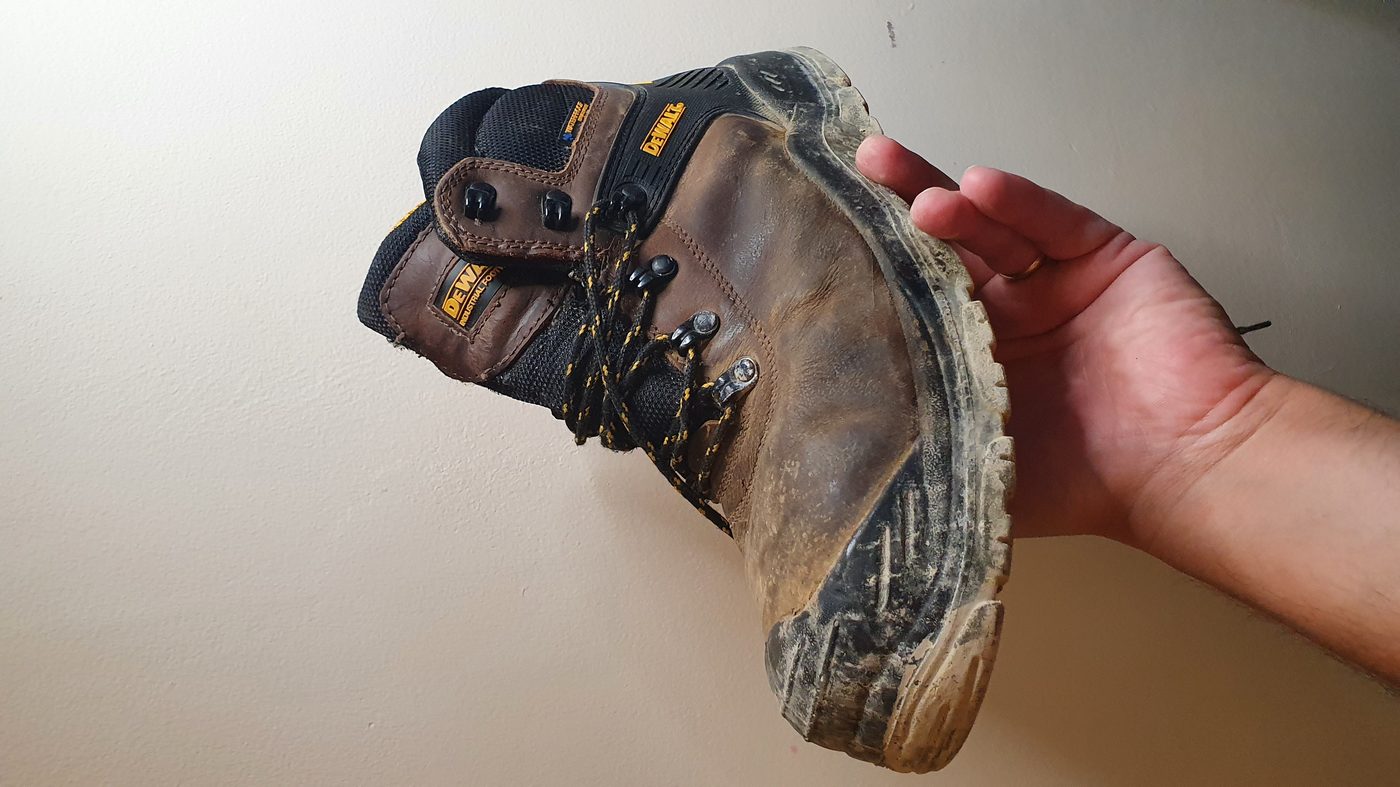
A single safety boot for industrial use (Source: Wikimedia Commons)
Eye Protection: Goggles or face shields protect against splashes from pesticides, fertilizers, and debris during cleaning or maintenance of irrigation pumps. At a horticultural farm in Naivasha, workers use goggles when servicing sprinkler heads to shield their eyes from pressurized water jets.
Respiratory Masks: Necessary when spraying chemicals or working in dusty environments around drainage canals to prevent inhalation of harmful particles. For example, workers at a maize farm in Kitale wear masks when applying fungicides near irrigation outlets.
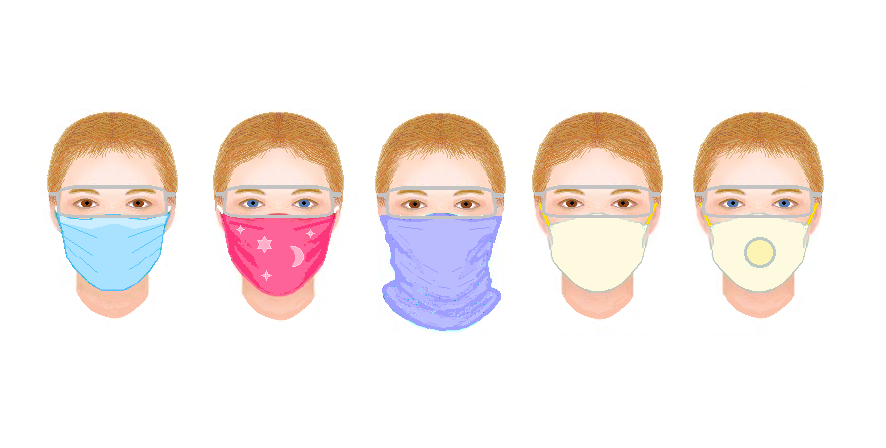
Various types of respiratory masks on faces (Source: Wikimedia Commons)
The use of PPE is vital to safeguard the health and safety of agripreneurs and farm workers involved in irrigation and drainage tasks. Beyond personal safety, PPE contributes to maintaining operational efficiency and compliance with occupational safety regulations.
Prevention of Injuries: PPE significantly reduces risks of cuts, bruises, and fractures caused by handling heavy irrigation equipment or navigating uneven drainage terrain. For instance, a county government agricultural office in Nakuru mandates PPE use to avoid injuries during irrigation canal inspections.
Protection from Chemical Exposure: PPE prevents harmful effects of fertilizers, pesticides, and water treatment chemicals used to maintain irrigation quality. Workers at a coffee farm in Kiambu who wear gloves and masks avoid skin and respiratory problems linked to agrochemical exposure.
Reduction of Disease Transmission: Protective clothing acts as a barrier against waterborne pathogens and insect vectors common in drainage areas, lowering disease incidence among farm laborers. A horticulture cooperative in Thika uses PPE to minimize exposure to contaminated water in irrigation reservoirs.
Compliance with Safety Standards: Adherence to PPE protocols aligns agripreneurs with Kenya’s occupational health and safety laws, enhancing farm reputation and eligibility for certification programs. SACCOs financing agribusinesses often require proof of safety compliance including PPE usage.
Improved Worker Confidence and Productivity: Knowing they are protected enables workers to perform maintenance tasks more efficiently and with less anxiety about hazards. At a large-scale vegetable farm in Eldoret, regular PPE training improved maintenance turnaround times and reduced absenteeism.
Choosing the right PPE involves assessing the specific hazards present during irrigation and drainage maintenance and ensuring equipment fits well and is used correctly. Agripreneurs must train workers in PPE use to maximize protection and comfort.
Hazard Identification: Evaluate tasks such as chemical handling, mechanical repairs, or trench cleaning to determine appropriate PPE types. For example, a smallholder farm in Machakos conducts hazard assessments before irrigation system servicing.
Material Suitability: Select PPE made from materials resistant to chemicals, water, and physical damage relevant to the farm environment. Rubber gloves are preferred for pesticide application, while leather gloves suit mechanical work on irrigation pumps.
Size and Fit: Ensure PPE fits comfortably to avoid restricting movement or causing fatigue, which can lead to improper use. A flower farm in Naivasha provides adjustable helmets and boots to accommodate all workers.
Durability and Maintenance: Choose PPE that withstands repeated use and can be cleaned or repaired easily to extend lifespan. PVC boots are common on rice farms for their durability in wet conditions.
Compliance with Standards: Use PPE certified by recognized bodies such as KEBS (Kenya Bureau of Standards) to guarantee quality and effectiveness.
Correct Wearing: Train workers on how to wear PPE correctly, such as securing gloves and adjusting straps on masks. A county agricultural extension service in Kisumu runs workshops on PPE donning and doffing.
Regular Inspection: Check PPE for damage or wear before each use to ensure it provides adequate protection. Damaged gloves or cracked goggles must be replaced immediately.
Cleaning and Storage: Maintain PPE hygiene by cleaning after use and storing in dry, clean areas to prevent contamination or degradation. On a dairy farm in Nakuru, PPE lockers help preserve equipment condition.
Disposal of Disposable PPE: Follow safe disposal protocols for single-use items like masks and gloves to avoid environmental pollution and health risks.
Record Keeping: Keep logs of PPE issuance and training to monitor compliance and identify needs for replenishment.
Despite the clear benefits of PPE, Kenyan agripreneurs face several obstacles that hinder consistent and effective use. Addressing these challenges is essential for improving safety culture on farms.
Cost Constraints: Small-scale farmers may find it difficult to afford quality PPE for all workers, leading to under-protection. A farmer cooperative in Kitui struggled to provide gloves and boots for all irrigation workers due to limited funds.
Lack of Awareness: Workers and some agripreneurs may not fully understand the risks or importance of PPE, resulting in neglect or misuse. In a tea estate in Kericho, some laborers neglected to wear masks during chemical spraying.
Discomfort and Heat: PPE can be uncomfortable in hot climates, causing workers to remove equipment prematurely, especially during strenuous irrigation maintenance. Farm workers in Garissa reported removing gloves and boots due to heat stress.
Poor Quality or Inadequate PPE: Availability of substandard or inappropriate PPE in local markets compromises protection. A horticulture farm in Meru received low-quality gloves that tore easily during irrigation repairs.
Inconsistent Enforcement: Lack of strict supervision or safety policies leads to irregular PPE use among farm workers. A vegetable farm in Nakuru noted that supervisors rarely checked PPE adherence.
Subsidized PPE Programs: Agripreneur groups and county governments can collaborate to provide affordable PPE through bulk purchases or subsidies. A cooperative in Makueni partnered with a local NGO to supply discounted safety boots.
Training and Awareness Campaigns: Regular safety education sessions help workers and managers appreciate PPE importance and proper use. The Ministry of Agriculture runs outreach programs promoting PPE in irrigation projects.
Design Adaptation: Selecting breathable, lightweight PPE suitable for Kenya’s climate encourages consistent use without compromising safety. Cotton-lined gloves and ventilated helmets are examples.
Quality Assurance: Establishing procurement standards and sourcing PPE from reputable suppliers ensures durability and effectiveness. Farms in Nairobi source PPE certified by KEBS to avoid counterfeit products.
Policy Development and Enforcement: Implementing clear safety policies with penalties for non-compliance strengthens discipline in PPE use. A county government agricultural office in Kisii enforces mandatory PPE use with daily checks.
Create a free account to open more of this chapter.
Free: practical guides, quick cards, workplace scenarios and more.
Create a free accountThis chapter focused on the essential aspects of maintaining farm irrigation and drainage systems to ensure their effective operation and longevity. It began by emphasizing the importance of using personal protective equipment to safeguard workers from potential hazards during maintenance activities. The discussion then covered the development and implementation of a maintenance schedule, which helps organize regular inspections and repairs to prevent system failures. Attention was given to the proper assembling of tools and equipment necessary for irrigation and drainage upkeep, highlighting the need for readiness and correct handling. The chapter also detailed various maintenance tasks required to keep the systems functioning optimally, including cleaning, repairing, and replacing worn components. Overall, the chapter provided a comprehensive overview of the practical steps and safety considerations involved in sustaining farm irrigation and drainage infrastructure.
Type: Individual
| Tools & Equipment | Materials |
|---|---|
| Identification tag | Dust coat/overall |
| Checklist form for PPE inspection | Protective gloves (rubber or latex) |
| Pen | Safety boots |
| Protective goggles | |
| Face mask (dust or chemical resistant) |
| S/N | Item | Quantity |
|---|---|---|
| 1 | Dust coat/overall | 1 Pc per Candidate |
| 2 | Protective gloves (rubber or latex) | 1 Pair per Candidate |
| 3 | Safety boots | 1 Pair per Candidate |
| 4 | Protective goggles | 1 Pc per Candidate |
| 5 | Face mask (dust or chemical resistant) | 1 Pc per Candidate |
| 6 | Identification tag | 2 Pcs per Candidate |
| 7 | Checklist form for PPE inspection | 1 Pc per Candidate |
| 8 | Pen | 1 Pc per Candidate |
| Items to be Evaluated | Marks Available | Marks Obtained | Comments |
|---|---|---|---|
| TASK 1: PPE Inspection and Demonstration | |||
| Wore appropriate attire including dust coat/overall and safety boots (Award 1 mark each or zero) | 2 | ||
| Wore protective gloves and face mask correctly (Award 1 mark each or zero) | 2 | ||
| Wore protective goggles properly (Award 1 mark or zero) | 1 | ||
| Pinned identification tags visibly at front and back near the shoulders (Award 1 mark each or zero) | 2 | ||
| Correctly identified PPE suitable for irrigation and drainage maintenance (Award 1 mark for each correct PPE identified x 3) | 3 | ||
| Demonstrated correct procedure for putting on and removing PPE safely (Award up to 3 marks based on completeness and safety) | 3 | ||
| Completed the PPE inspection checklist accurately (Award 2 marks for complete and accurate checklist or zero) | 2 | ||
| Sub-Total | 15 | ||
| PRODUCT CHECKLIST | |||
| Candidate correctly wears and presents all PPE as per safety standards (Award 5 marks for complete, neat, and correct PPE usage or zero) | 5 | ||
| Sub-Total | 5 | ||
| GRAND TOTAL | 20 | ||
Type: Individual
| Tools & Equipment | Materials |
|---|---|
| Microsoft Word installed computer | Foolscap papers |
| Pen | Irrigation system manual and layout plan |
| Calculator |
| S/N | Item | Quantity |
|---|---|---|
| 1 | Microsoft Word installed computer | 1 Pc per Candidate |
| 2 | Pen | 1 Pc per Candidate |
| 3 | Foolscap papers | 2 Pcs per Candidate |
| 4 | Irrigation system manual and layout plan | 1 Set per Candidate |
| 5 | Calculator | 1 Pc per Candidate |
| Items to be Evaluated | Marks Available | Marks Obtained | Comments |
|---|---|---|---|
| TASK 1: Preparation of maintenance schedule document | |||
| Wore appropriate attire and identification tag visible (Award 2 marks for appropriate PPE and ID or zero) | 2 | ||
| Switched on computer and opened Microsoft Word (Award 2 marks for correct computer operation or zero) | 2 | ||
| Entered appropriate title with farm name, document name and date (Award 1 mark each for farm name, document title, and date or zero) | 3 | ||
| Formatted title correctly: bold, centered, font Times New Roman, size 16, color green (Award 1 mark each for bold, centered, font style, font size and color, max 4 marks) | 4 | ||
| Listed all major irrigation and drainage components in the system (Award 1 mark for each correct component listed, max 5 marks) | 5 | ||
| Outlined routine maintenance checks (daily, weekly, monthly) clearly (Award 2 marks for each maintenance interval with clear tasks, max 6 marks) | 6 | ||
| Specified servicing intervals and responsible personnel (Award 2 marks for correct servicing intervals and 2 marks for responsible persons or zero) | 4 | ||
| Used bulleting and numbering appropriately for clarity (Award 3 marks for effective use or zero) | 3 | ||
| Saved the document in a folder named 'Irrigation_Maintenance' on desktop (Award 1 mark each for folder creation, correct naming, and saving or zero) | 3 | ||
| Printed two copies of the maintenance schedule document (Award 3 marks for printing two legible copies or zero) | 3 | ||
| Sub-Total | 35 | ||
| PRODUCT CHECKLIST | |||
| Maintenance schedule document includes title, farm name, date, and covers all irrigation components (Award 5 marks for completeness and correctness or zero) | 5 | ||
| Document clearly shows daily, weekly, and monthly maintenance tasks with intervals and responsible persons (Award 5 marks for clarity and detail or zero) | 5 | ||
| Formatting is consistent with correct font, size, color, and bulleting/numbering (Award 3 marks for professional, consistent formatting or zero) | 3 | ||
| Document is saved correctly in the specified folder and printed copies are legible (Award 2 marks for correct saving and printing or zero) | 2 | ||
| Sub-Total | 15 | ||
| GRAND TOTAL | 50 | ||