Produce horticulture crops is a crucial chapter for agripreneurs focusing on crop production in Kenya. It addresses the practical aspects of growing horticultural crops safely and efficiently, emphasizing the use of protective gear and proper land preparation. Mastery of personal protective equipment and land preparation tools not only improves crop yield but also safeguards the health of workers and ensures sustainable farming practices. This knowledge is vital for agripreneurs who must balance productivity with safety and environmental stewardship.
3.1 Personal Protective Equipment
Personal protective equipment (PPE) plays a critical role in protecting agripreneurs and farm workers from hazards related to horticultural crop production. In Kenya, where smallholder farms and commercial agribusinesses operate side by side, the use of PPE reduces exposure to chemicals, physical injuries, and environmental risks. Proper PPE usage enhances worker safety, compliance with occupational health standards, and overall farm productivity.
3.1.1 Types of Personal Protective Equipment
Personal protective equipment for horticulture includes various gear designed to protect different parts of the body from specific hazards encountered during crop production. The diversity of tasks in horticulture demands multiple PPE types to address physical, chemical, and biological risks. Common PPE types include:
Head Protection
- Safety Helmets: Protect against head injuries from falling objects or low-hanging branches during pruning or harvesting.
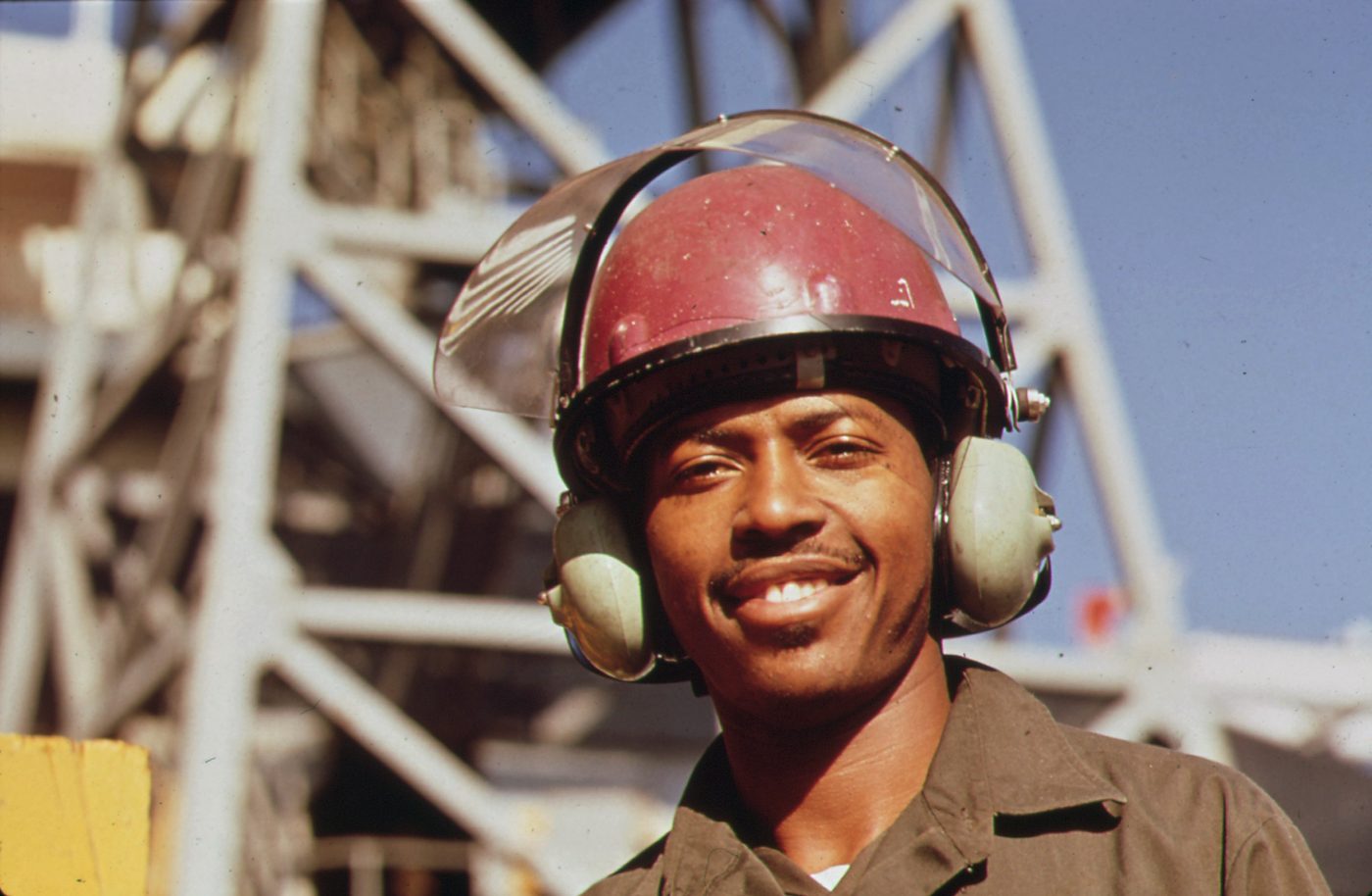
Man wearing a safety helmet (Source: Wikimedia Commons)
- Sun Hats: Shield workers from prolonged sun exposure, reducing heat stress and sunburn risks in open fields.
Eye and Face Protection
- Safety Goggles: Prevent chemical splashes from pesticides and fertilizers from entering the eyes.

Clear safety goggles for eye protection (Source: Wikimedia Commons)
- Face Shields: Provide full-face protection during spraying or handling hazardous substances.
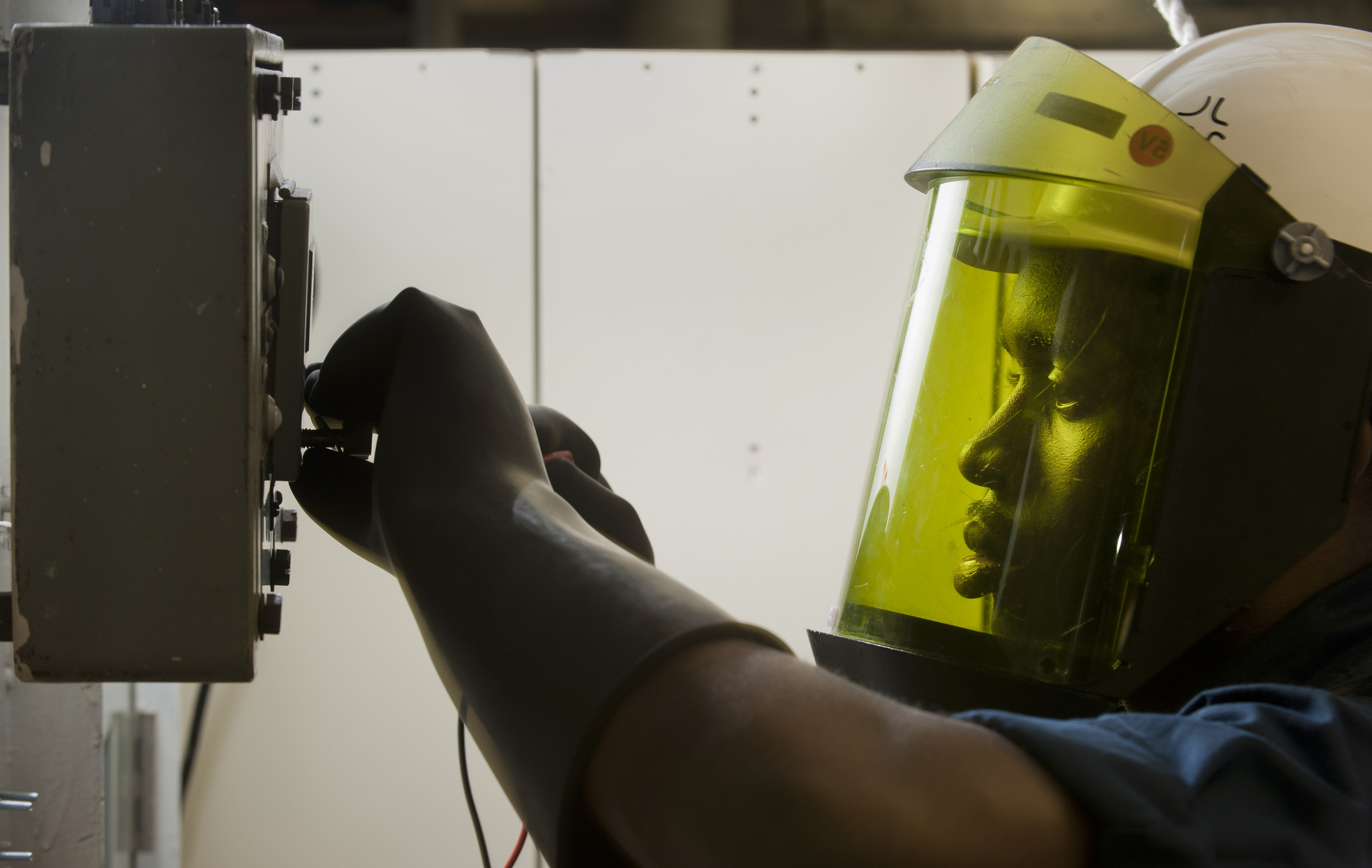
Person wearing a yellow face shield (Source: Wikipedia (Face shield))
Respiratory Protection
- Dust Masks: Filter dust particles during soil preparation, reducing respiratory irritation.
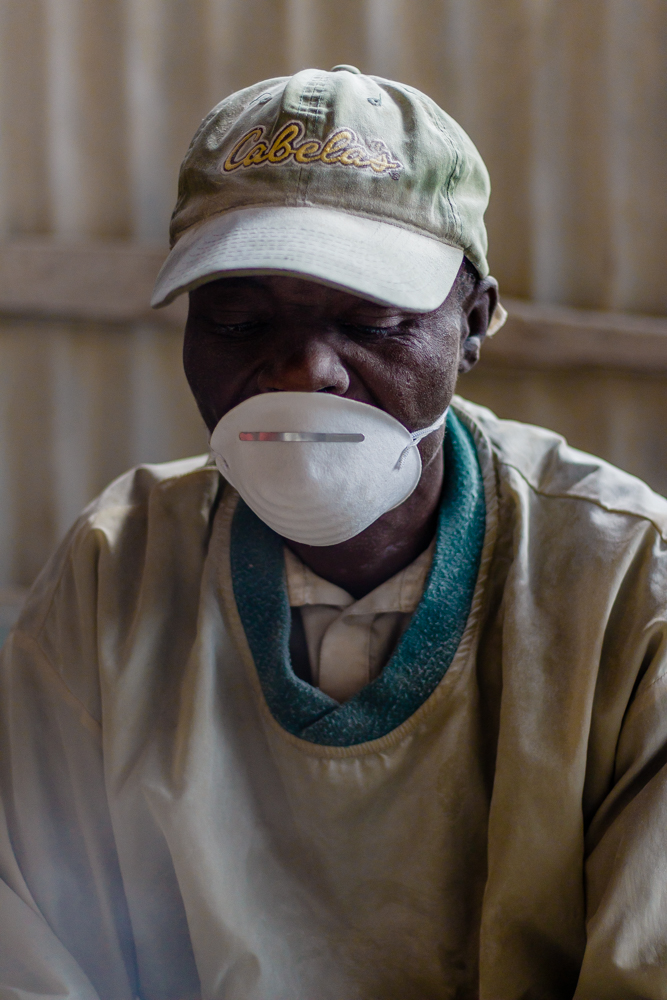
Person wearing a dust mask (Source: Wikimedia Commons)
- Respirators: Offer protection when applying pesticides or fumigants that release harmful vapors.
Hand Protection
-
Chemical-Resistant Gloves: Protect hands from pesticides, herbicides, and fertilizers that can cause skin irritation or absorption.
-
Cut-Resistant Gloves: Used when handling sharp tools or thorny plants to prevent cuts and abrasions.
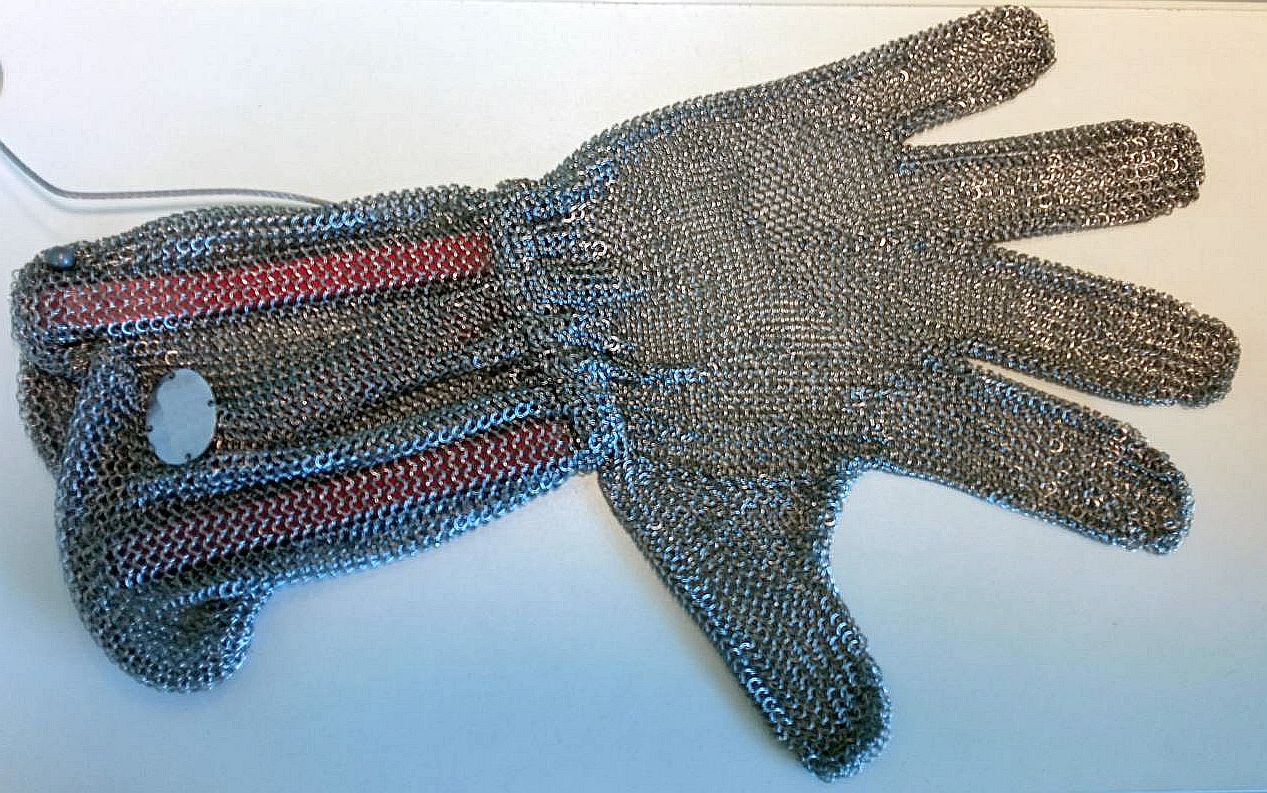
Metal mesh cut-resistant glove (Source: Wikimedia Commons)
Foot Protection
- Rubber Boots: Waterproof and protect feet from mud, water, and chemical spills.
- Steel-Toed Boots: Guard against heavy objects or machinery-related injuries common during land preparation and harvesting.
3.1.2 Uses of Personal Protective Equipment
The appropriate use of PPE is essential for mitigating risks associated with horticultural activities. Its application varies depending on the task, environmental conditions, and type of hazard. Effective use of PPE includes:
Protection from Chemical Exposure
- Workers applying pesticides at a flower farm near Naivasha must wear chemical-resistant gloves, respirators, and goggles to prevent toxic exposure.
- PPE prevents absorption of harmful chemicals through skin contact, inhalation, or eye exposure.
Prevention of Physical Injuries
- During land clearing or pruning in a horticultural nursery, helmets and gloves reduce risks of cuts, bruises, and head injuries.
- Footwear such as steel-toed boots protects against injuries from heavy equipment or sharp objects on the farm.
Minimizing Environmental Stress
- Sun hats and breathable clothing reduce heat exhaustion and sunburn for workers in open-field vegetable production in Kitui County.
- Masks and respirators protect against dust inhalation during dry season soil tilling.
Compliance with Health and Safety Regulations
- Agripreneurs supplying supermarkets in Nairobi ensure workers use PPE to comply with occupational health guidelines, avoiding legal penalties.
- Proper PPE use promotes a culture of safety, reducing absenteeism due to work-related illnesses.
Enhancing Worker Confidence and Productivity
- Availability and use of PPE improve worker morale, as safety concerns are addressed, leading to better focus and efficiency in tasks.
- PPE reduces downtime caused by accidents, contributing to consistent crop production schedules.
The rest of this chapter
🔒Create a free account to open more of this chapter.
Free: practical guides, quick cards, workplace scenarios and more.
Create a free account 🔒3.2 Land Preparation Tools and Equipment
Efficient land preparation is foundational to successful horticultural crop production. In Kenya's diverse agro-climatic zones, selecting and using appropriate tools and equipment for land clearing and tillage determines soil health, planting efficiency, and c…
🔒3.3 Land preparation practices
In agripreneurship, especially for horticultural crop production, effective land preparation is fundamental to achieving high yields and quality produce in Kenya's diverse agroecological zones. Proper land preparation improves soil structure, aeration, and moi…
🔒3.4 Planting Materials
In horticultural crop production, the choice and quality of planting materials are critical determinants of crop success and profitability. Agripreneurs in Kenya must understand the various types of planting materials available to optimize yield, reduce produc…
🔒3.5 Planting Methods
Planting methods are critical in horticulture production, directly influencing crop establishment, growth, and yield. For agripreneurs in Kenya, selecting the appropriate planting method depends on crop type, land condition, climate, and available resources. E…
🔒3.6 Crop Routine Management Practices
Routine management practices in horticultural crop production are essential for maintaining plant health, ensuring high yields, and producing quality produce that meets market demands. In Kenya’s agripreneurship sector, these practices are critical for competi…
🔒3.7 Crop Harvesting
Crop harvesting is a critical stage in horticultural crop production that determines the quality and market value of the produce. In Kenya, agripreneurs must carefully select appropriate harvesting methods to preserve crop integrity and maximize returns. Effic…
Chapter Summary
This chapter covered the essential practices involved in producing horticultural crops, beginning with the various types of personal protective equipment and their uses to ensure safety during farm operations. It then explored the tools and equipment necessary for land preparation, distinguishing between those used for land clearing and those for tillage. The discussion proceeded to detailed land preparation practices, including land clearing, primary, secondary, and tertiary cultivation, which collectively prepare the soil for planting. Various planting materials were examined, such as seeds, splits, suckers, corms, slips, setts, and cuttings, highlighting their roles in propagation. The chapter also described different planting methods appropriate for horticultural crops. Routine crop management practices were comprehensively addressed, covering pruning, irrigation, pest and disease control, weeding, staking, propping, de-suckering, fertilizer application, trellising, mulching, gapping, and thinning to maintain healthy crop growth. Finally, the chapter concluded with crop harvesting techniques, including picking, cutting, plucking, and digging, essential for effective yield collection.
Self-Assessment
🔒 PDFDownload this self-assessment, with answers
A. Written Assessment
-
Which of the following is NOT typically considered personal protective equipment (PPE) in horticultural crop production? (2 marks)
a) Gloves
b) Safety boots
c) Pruning shears
d) Face mask
-
Explain the primary function of tillage tools in land preparation for horticultural crops. (3 marks)
🔒24 more in this section.
Chapter Examination Questions
🔒 PDFDownload these examination questions, with worked answers
SECTION A (40 Marks) - Answer ALL Questions
- Identify five types of personal protective equipment used in horticultural crop production and explain their specific uses in a Kenyan agripreneurship setting. (4 marks)
- Describe the role of land clearing tools in preparing a horticultural farm and give two examples commonly used by smallholder farmers in Kericho County. (4 marks)
🔒18 more in this section.
