
Maintaining weld testing equipment is a critical responsibility for welding professionals, ensuring the accuracy and reliability of inspections that affect structural integrity and safety. In Kenya’s welding industry, where quality assurance is paramount in sectors like construction, manufacturing, and infrastructure development, proper upkeep of testing tools directly influences project outcomes and compliance with standards. Among the essential maintenance practices, lubrication plays a vital role in preserving the functionality and longevity of mechanical components in weld testing equipment. Understanding lubrication principles and implementing effective lubrication schedules safeguards investments and supports consistent testing performance.
Lubrication is a fundamental aspect of maintaining weld testing equipment, especially those with moving parts such as gauges, mechanical testers, and portable hardness testers. In Kenya’s welding workshops and inspection units, failure to lubricate equipment properly can lead to increased friction, wear, and eventual breakdowns, compromising test accuracy and causing costly downtime. This section explores the purpose of lubrication, types of lubricants suitable for weld testing tools, methods of application, and common challenges encountered in lubrication management.
Lubrication serves multiple essential functions that contribute to the optimal operation and durability of weld testing devices. These functions are critical to maintaining precision in measurements and reducing repair expenses.
Selecting the correct lubricant is crucial for effective maintenance of weld testing tools. The choice depends on the equipment’s design, operating conditions, and manufacturer recommendations.
Grease: Thicker than oils, grease provides longer-lasting lubrication and is ideal for heavily loaded bearings or joints in mechanical testers. Grease resists water washout, which is important in outdoor inspection environments.
Silicone-Based Lubricants: These offer excellent water resistance and are non-corrosive, making them suitable for electronic weld testing devices with moving parts, such as digital calipers.
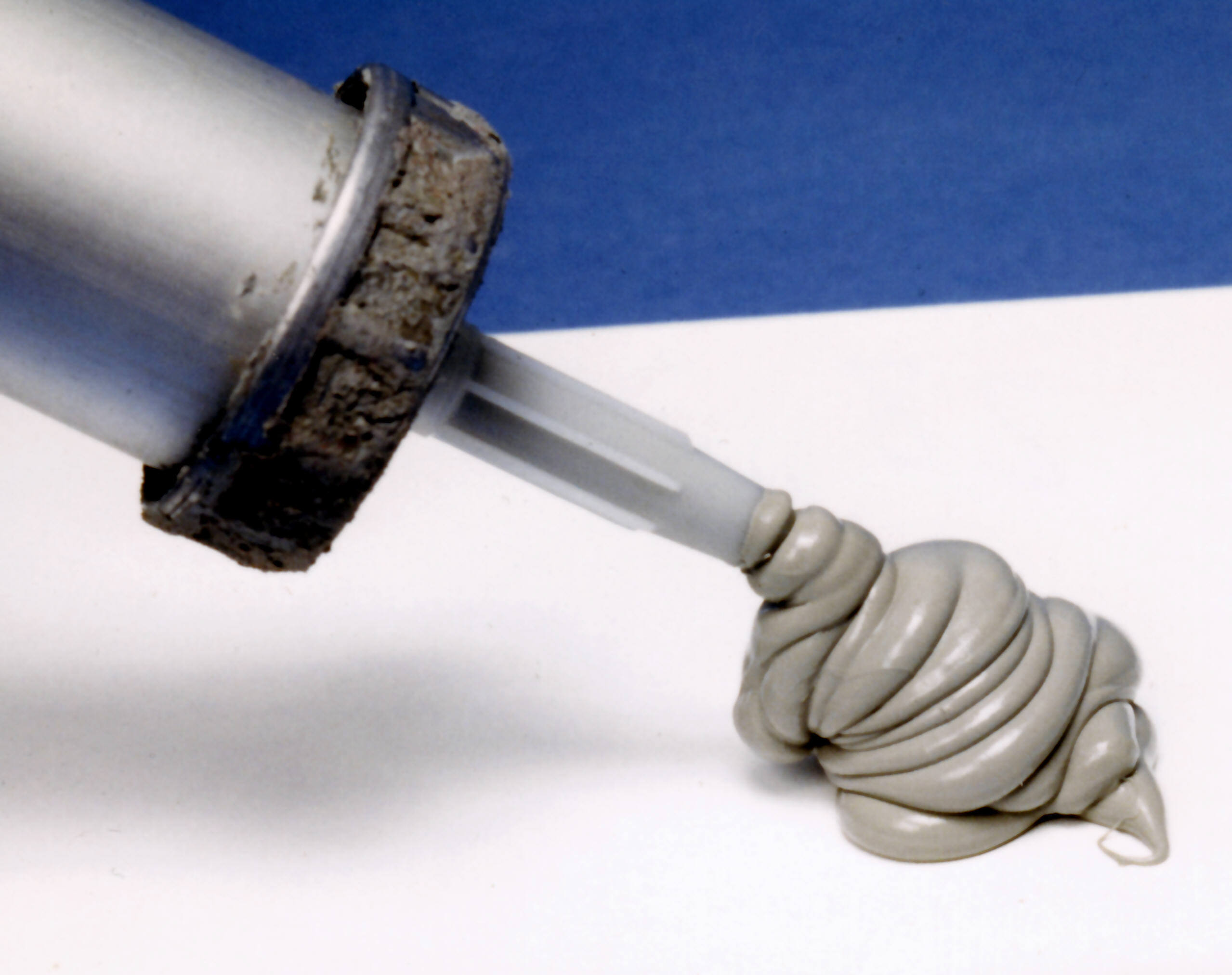
Silicone-based lubricant being dispensed from tube (Source: Wikipedia (Silicone))
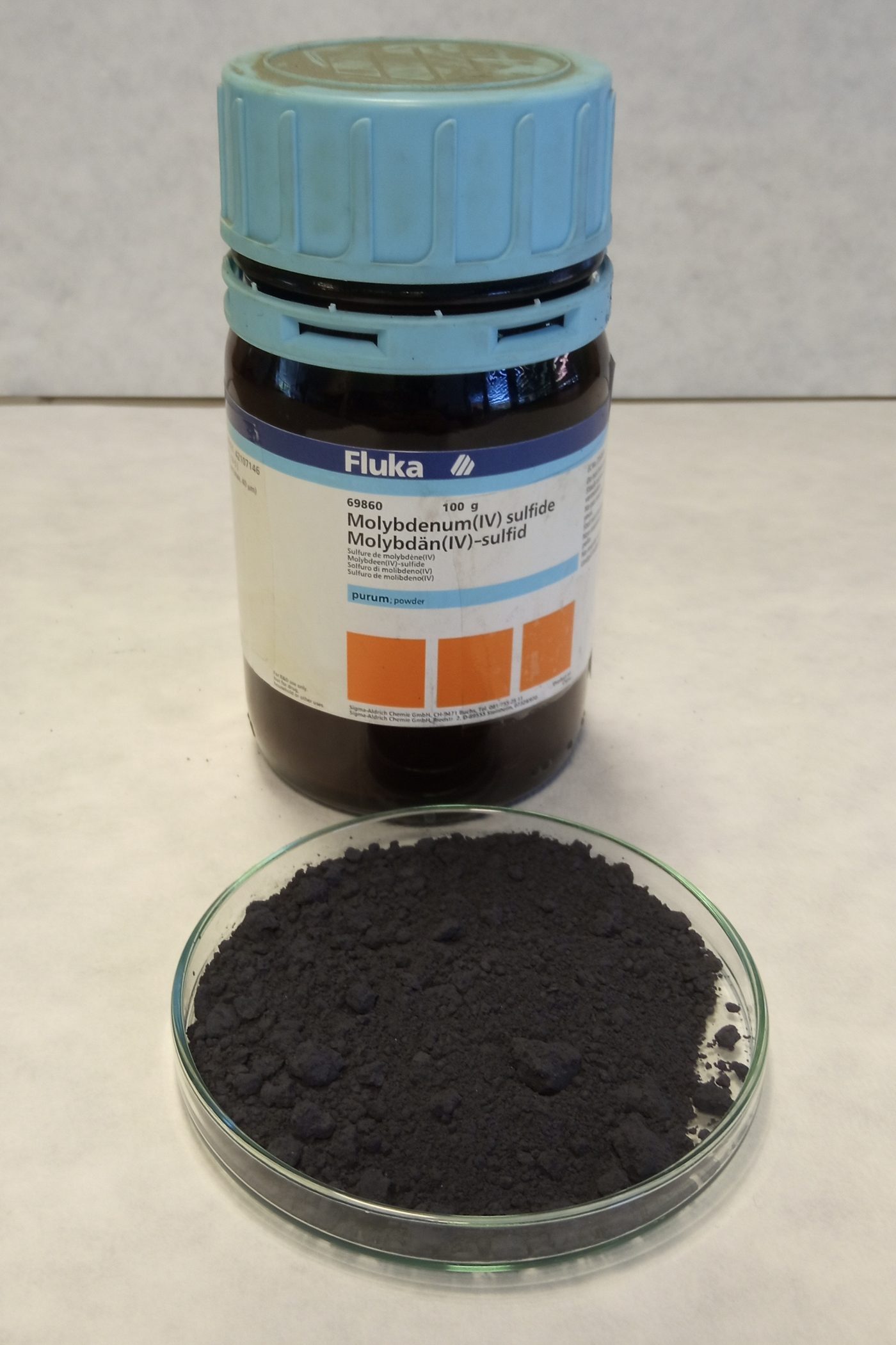
Molybdenum disulfide dry lubricant powder (Source: Wikimedia Commons)
Applying lubricants correctly ensures the effectiveness of the maintenance routine and prevents equipment damage. Different weld testing tools require tailored lubrication approaches.
Grease Guns: Used for applying grease to bearings and joints in mechanical weld testers, ensuring deep penetration and adequate coverage.
Spray Lubricants: Convenient for reaching inaccessible areas or evenly coating surfaces; commonly used for protecting external parts from rust and dust.
Lubrication management for weld testing equipment in Kenyan workshops encounters several obstacles that can undermine maintenance effectiveness. Addressing these challenges is essential for sustained equipment performance.
Explain five critical functions of lubrication in maintaining weld testing equipment and how each function benefits the equipment’s performance. (10 marks)
Compare and contrast three types of lubricants used in weld testing equipment, highlighting their suitability for different components. (10 marks)
Describe six steps involved in applying lubrication to a mechanical weld tester to ensure optimal maintenance. (12 marks)
Identify four common challenges encountered in lubricating weld testing equipment and propose practical solutions to each. (8 marks)
Create a free account to open more of this chapter.
Free: practical guides, quick cards, workplace scenarios and more.
Create a free accountMaintaining weld testing equipment requires regular and precise lubrication to ensure smooth operation and prevent wear. Proper belt adjustments are essential to maintain the correct tension and alignment, which directly affects the performance of the equipment. Scheduling maintenance activities systematically helps in avoiding unexpected breakdowns and extends the lifespan of the machines. Accurate record keeping is vital for tracking maintenance history and planning future service interventions. Cleaning the external surfaces of the machine prevents contamination and protects sensitive components from damage. Inspecting cables, connectors, and power sources regularly ensures electrical safety and reliable operation. Lubricating moving parts reduces friction and wear, contributing to the overall efficiency of the equipment. Finally, clear and detailed report writing documents all maintenance activities, facilitating communication and accountability in the weld inspection process.
Type: Individual
| Tools & Equipment | Materials |
|---|---|
| Multi-purpose grease tube | Weld testing equipment (e.g. ultrasonic weld tester) with moving parts |
| Lubricating oil 100ml bottle | Protective gloves |
| Lint-free cleaning cloth | Safety goggles |
| Small brush for cleaning | Overall/dustcoat |
| S/N | Item | Quantity |
|---|---|---|
| 1 | Multi-purpose grease tube | 1 Tube per Candidate |
| 2 | Lubricating oil 100ml bottle | 1 Bottle per Candidate |
| 3 | Lint-free cleaning cloth | 2 Pcs per Candidate |
| 4 | Weld testing equipment (e.g. ultrasonic weld tester) with moving parts | 1 Set per 2 Candidates |
| 5 | Small brush for cleaning | 1 Pc per Candidate |
| 6 | Protective gloves | 1 Pair per Candidate |
| 7 | Safety goggles | 1 Pair per Candidate |
| 8 | Overall/dustcoat | 1 Pc per Candidate |
| Items to be Evaluated | Marks Available | Marks Obtained | Comments |
|---|---|---|---|
| TASK 1: Safety and Preparation | |||
| Wore safety goggles (Award 1 or 0) | 1 | ||
| Wore protective gloves (Award 1 or 0) | 1 | ||
| Wore overall/dustcoat (Award 1 or 0) | 1 | ||
| Prepared the work area and ensured equipment was switched off (Award 2 or 0) | 2 | ||
| Sub-Total | 5 | ||
| TASK 2: Equipment Cleaning | |||
| Cleaned moving parts with lint-free cloth and small brush (Award 3 or 0) | 3 | ||
| Removed dust, dirt and old lubricant residues effectively (Award 2 or 0) | 2 | ||
| Sub-Total | 5 | ||
| TASK 3: Lubrication Application | |||
| Applied multi-purpose grease correctly to bearings and sliding surfaces (Award 4 or 0) | 4 | ||
| Applied lubricating oil to joints and small moving parts as specified (Award 3 or 0) | 3 | ||
| Used correct amount of lubricant to avoid excess spill (Award 2 or 0) | 2 | ||
| Sub-Total | 9 | ||
| TASK 4: Equipment Function Check and Clean-up | |||
| Manually operated moving parts to verify smooth operation after lubrication (Award 3 or 0) | 3 | ||
| Cleaned off any excess lubricant from equipment surfaces (Award 2 or 0) | 2 | ||
| Returned tools and materials to designated storage (Award 2 or 0) | 2 | ||
| Disposed of waste cloths and used materials correctly (Award 2 or 0) | 2 | ||
| Sub-Total | 9 | ||
| PRODUCT CHECKLIST | |||
| All specified moving parts are lubricated properly to manufacturer’s standard (Award 4 or 0) | 4 | ||
| Equipment moves smoothly without unusual noise or resistance (Award 4 or 0) | 4 | ||
| No excess lubricant spill or contamination on equipment (Award 3 or 0) | 3 | ||
| Sub-Total | 11 | ||
| GRAND TOTAL | 39 | ||
Type: Individual
| Tools & Equipment | Materials |
|---|---|
| Belt tension gauge | Weld testing machine with belt drive system |
| Straight edge ruler 300 mm | Safety gloves |
| Allen key set | Safety boots |
| Screwdrivers (flat and Phillips) | Overall/dustcoat |
| Cleaning cloth | Eye protection goggles |
| Manufacturer's belt adjustment manual |
| S/N | Item | Quantity |
|---|---|---|
| 1 | Weld testing machine with belt drive system | 1 Pc per Candidate |
| 2 | Belt tension gauge | 1 Pc per 3 Candidates |
| 3 | Straight edge ruler 300 mm | 1 Pc per Candidate |
| 4 | Allen key set | 1 Set per 5 Candidates |
| 5 | Screwdrivers (flat and Phillips) | 1 Set per 5 Candidates |
| 6 | Cleaning cloth | 2 Pcs per Candidate |
| 7 | Manufacturer's belt adjustment manual | 1 Copy per Candidate |
| 8 | Safety gloves | 1 Pair per Candidate |
| 9 | Safety boots | 1 Pair per Candidate |
| 10 | Overall/dustcoat | 1 Pc per Candidate |
| 11 | Eye protection goggles | 1 Pair per Candidate |
| Items to be Evaluated | Marks Available | Marks Obtained | Comments |
|---|---|---|---|
| TASK 1: Adhere to safety procedures | |||
| Wears safety boots (Award 1 mark or 0) | 1 | ||
| Wears safety gloves (Award 1 mark or 0) | 1 | ||
| Wears overall/dustcoat (Award 1 mark or 0) | 1 | ||
| Wears eye protection goggles (Award 1 mark or 0) | 1 | ||
| Follows general workshop safety procedures (Award 1 mark or 0) | 1 | ||
| Sub-Total | 5 | ||
| TASK 2: Prepare weld testing machine for belt adjustment | |||
| Switches off and isolates power supply to machine (Award 1 mark or 0) | 1 | ||
| Cleans belts and pulleys using cleaning cloth (Award 1 mark or 0) | 1 | ||
| Refers to manufacturer's belt adjustment manual (Award 1 mark or 0) | 1 | ||
| Assembles required tools and places them within reach (Award 1 mark or 0) | 1 | ||
| Sub-Total | 4 | ||
| TASK 3: Inspect and measure belt tension and alignment | |||
| Measures belt tension using belt tension gauge accurately (Award 2 marks or 0) | 2 | ||
| Checks belt alignment using straight edge ruler (Award 2 marks or 0) | 2 | ||
| Identifies any worn or damaged belts or pulleys (Award 1 mark or 0) | 1 | ||
| Sub-Total | 5 | ||
| TASK 4: Adjust belts to manufacturer specifications | |||
| Loosens tensioning bolts using appropriate tools (Award 1 mark or 0) | 1 | ||
| Adjusts belt tension within specified range (e.g. 15-20 lbs) (Award 2 marks or 0) | 2 | ||
| Aligns belts parallel to pulleys correctly (Award 2 marks or 0) | 2 | ||
| Tightens tensioning bolts securely after adjustment (Award 1 mark or 0) | 1 | ||
| Rechecks tension and alignment to confirm correctness (Award 1 mark or 0) | 1 | ||
| Sub-Total | 7 | ||
| TASK 5: Finalize and restore work area | |||
| Restores power supply and tests machine operation (Award 1 mark or 0) | 1 | ||
| Cleans work area and returns tools to designated place (Award 1 mark or 0) | 1 | ||
| Disposes of waste materials properly (Award 1 mark or 0) | 1 | ||
| Sub-Total | 3 | ||
| PRODUCT CHECKLIST | |||
| Belt tension is adjusted within manufacturer specified range (e.g. 15-20 lbs) (Award 3 marks or 0) | 3 | ||
| Belts are aligned correctly and run parallel to pulleys without deviation (Award 3 marks or 0) | 3 | ||
| Machine operates smoothly with no unusual noise or belt slippage (Award 4 marks or 0) | 4 | ||
| Sub-Total | 10 | ||
| GRAND TOTAL | 34 | ||