
By the end of this chapter, you will be able to:
Mastering these skills ensures you can select and use the right materials for safe and efficient electrical installations in your trade.
Conduit system installation is a critical aspect of electrical and communication infrastructure across multiple professional fields in Kenya. Whether in a county referral hospital, a university campus, a retail business, or a county government office, ensuring the correct and safe installation of conduits protects wiring systems and enhances operational efficiency. This chapter focuses on identifying conduit accessories with an emphasis on workplace safety, which is essential to protect workers and ensure compliance with occupational health standards during installation.
Maintaining safety in any workplace, especially during conduit system installation, is a fundamental responsibility for all professionals. This ensures not only the health and well-being of workers but also the smooth progress of installation tasks without interruptions caused by accidents. Kenyan workplaces such as banks, hotels, and farms must adhere to safety protocols to safeguard employees and comply with regulations like those enforced by the Directorate of Occupational Safety and Health Services (DOSHS).
Workplace safety encompasses all measures taken to prevent accidents, injuries, and occupational illnesses during work activities. In conduit system installation, the risk of electrical shocks, falls, cuts, and exposure to hazardous materials is significant, especially in environments such as hospitals or retail outlets where operations continue alongside installation.
Personal protective equipment is essential in minimizing exposure to hazards during conduit installation. Selection of appropriate PPE depends on the specific risks present in the work environment, such as electrical hazards, sharp tools, or falling objects.
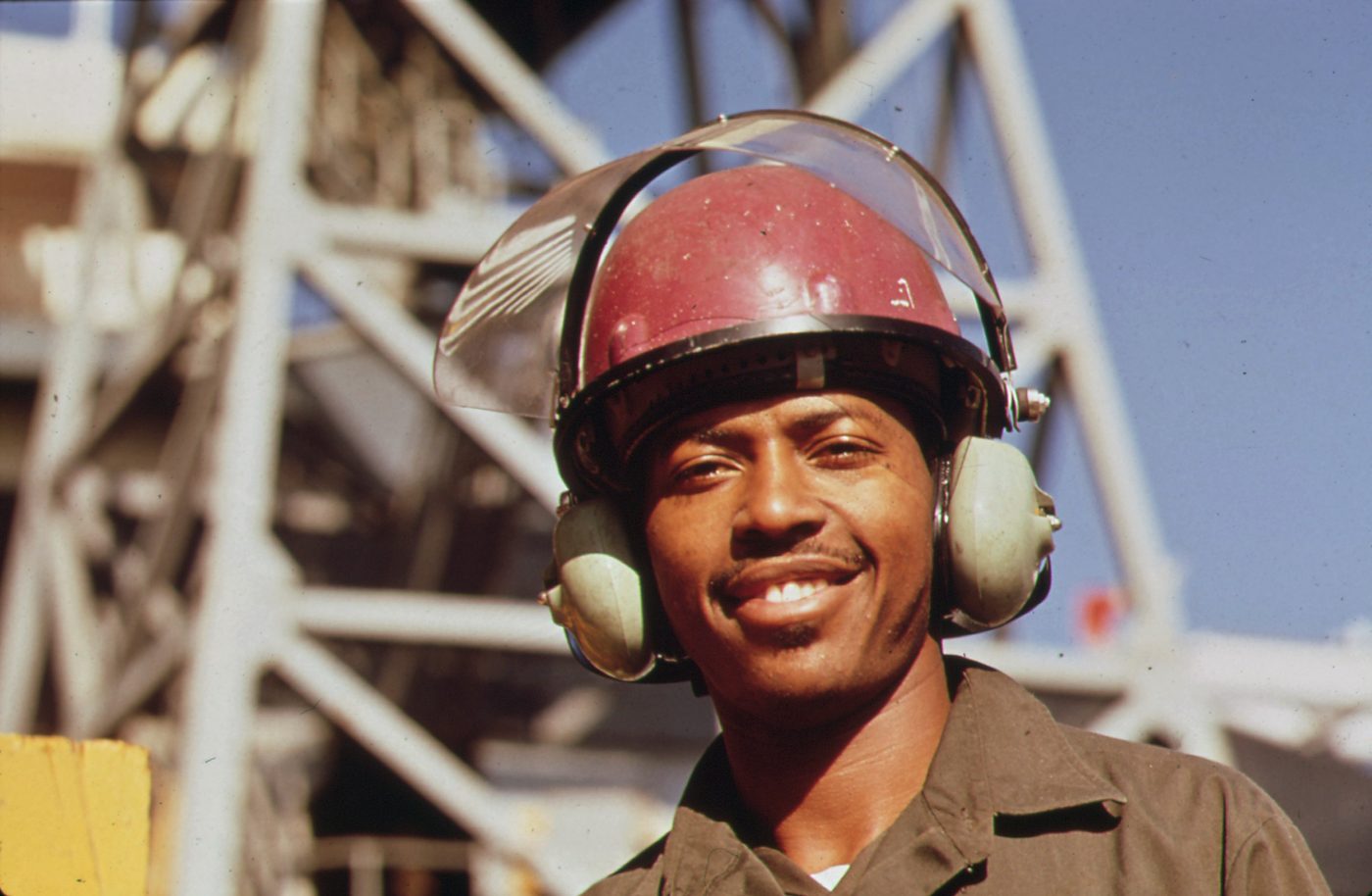
Man wearing a safety helmet (Source: Wikimedia Commons)
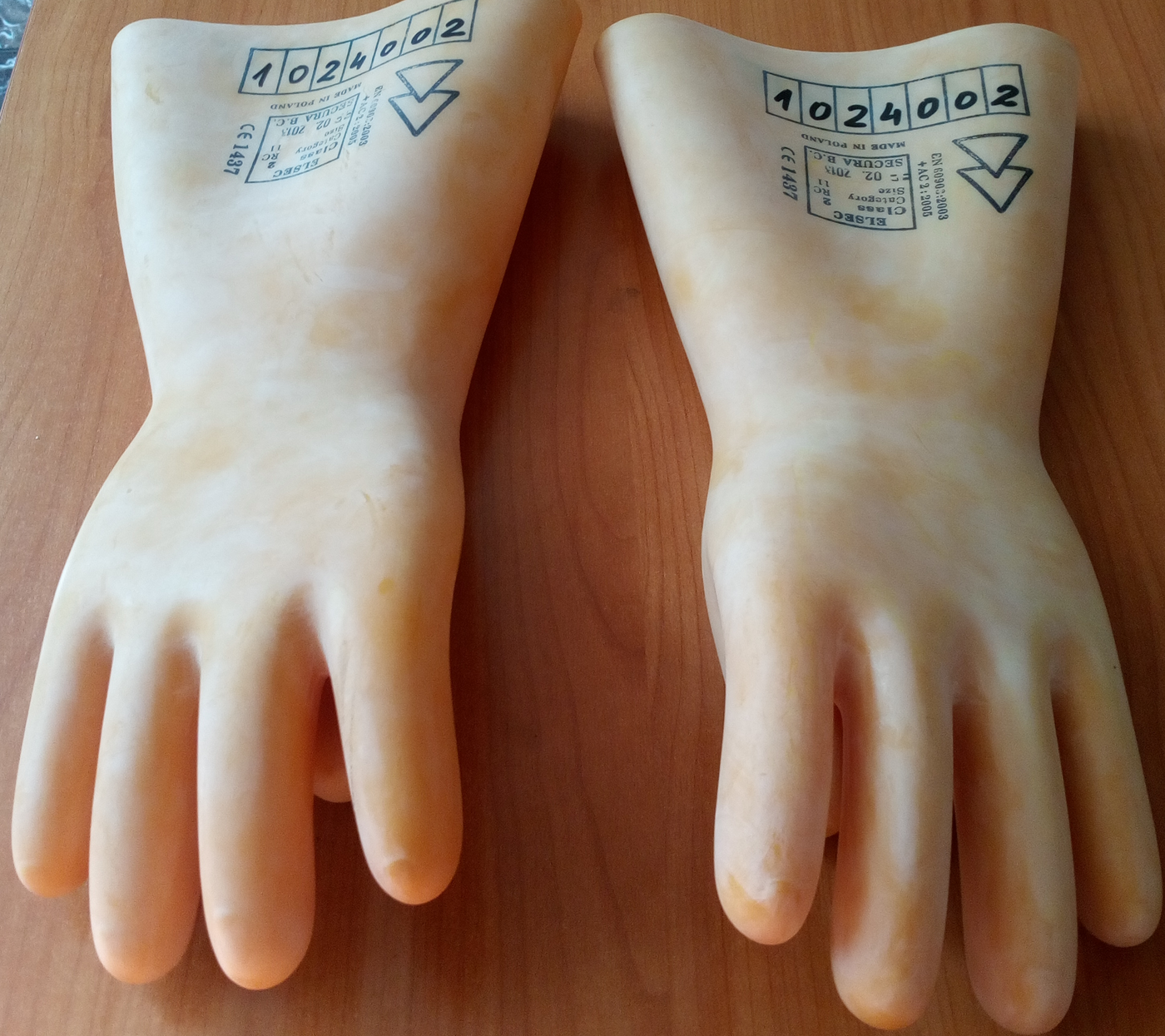
Pair of insulated gloves for electrical safety (Source: Wikimedia Commons)
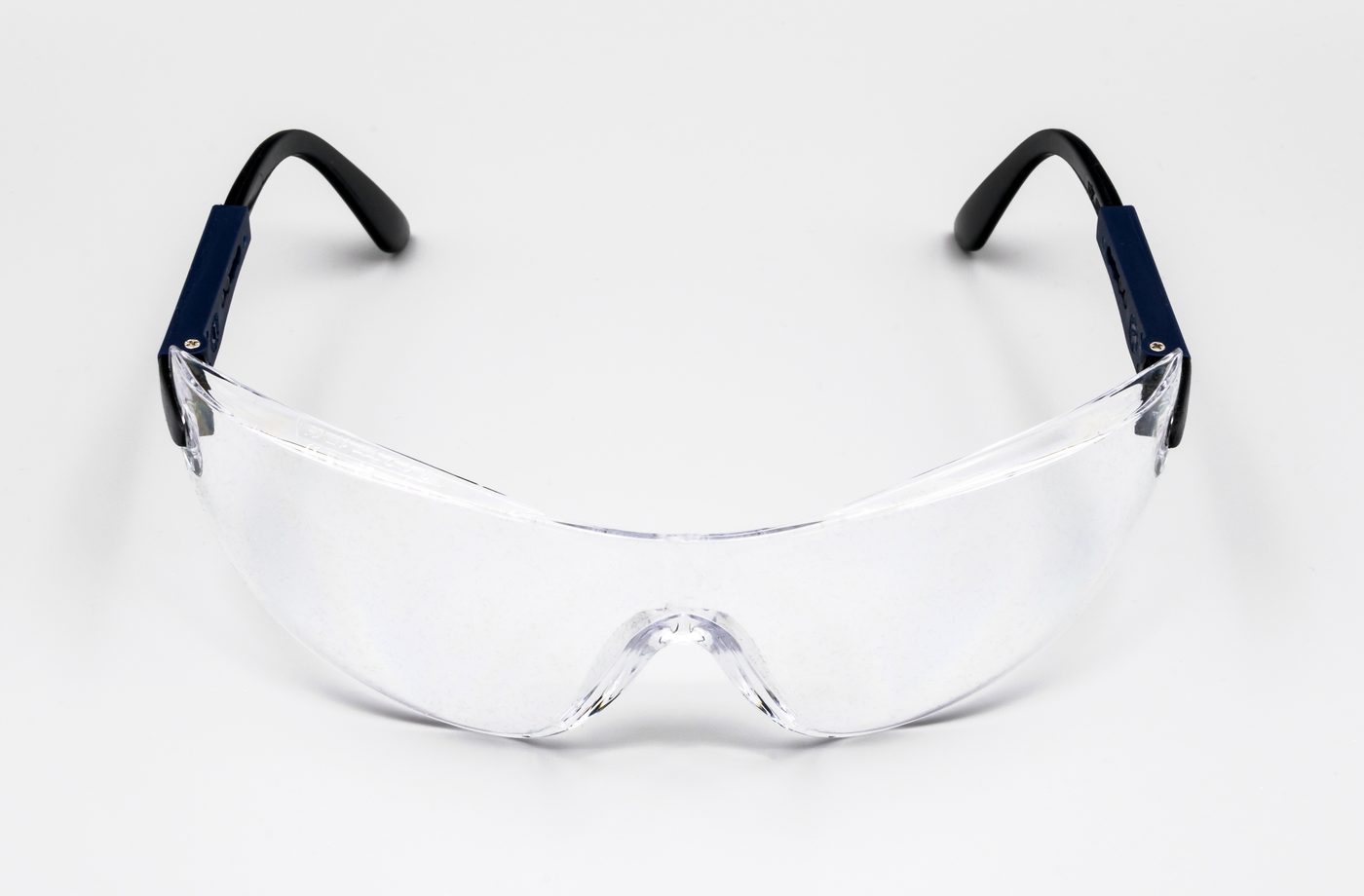
Clear safety goggles for eye protection (Source: Wikimedia Commons)
Protective footwear: Steel-toed boots protect feet from heavy falling objects and provide electrical insulation, necessary in agricultural settings where uneven terrain increases risk.
High-visibility vests: Ensure workers are clearly seen, especially in busy environments like county government offices or parking areas adjacent to installation sites.
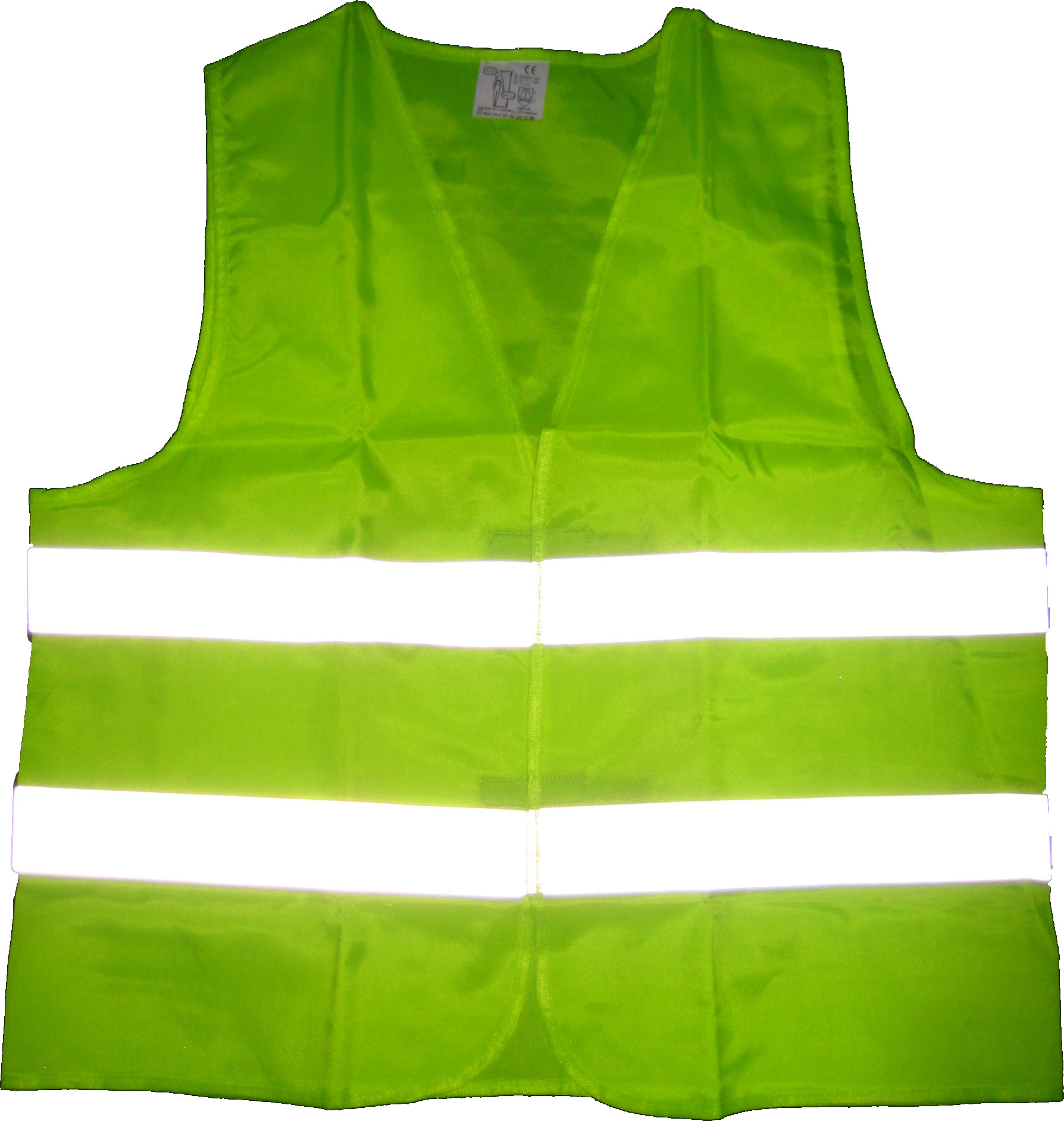
High-visibility safety vest (Source: Wikipedia (High-visibility clothing))
Good housekeeping in conduit system installation sites is critical to maintain safety and efficiency. Clearing debris, tools, and leftover materials prevents accidents and prepares the site for subsequent work phases or normal operations.
Create a free account to open more of this chapter.
Free: practical guides, quick cards, workplace scenarios and more.
Create a free accountThis chapter emphasized the critical role of workplace safety in conduit system installation, highlighting the importance of personal protective equipment and proper housekeeping to maintain a safe working environment. It introduced the primary types of conduits used, focusing on PVC and metallic options, and explained how to identify common conduit sizes such as 20mm2, 25mm2, and 32mm2. The discussion then shifted to conduit accessories, detailing a wide range of components including sockets, switches, lamp holders, strip connectors, ceiling roses, circular connectors, and junction boxes, as well as saddles, bushes, couplers, and switch boxes. Additionally, it covered essential protective and control devices like circuit breakers, cut-outs, switch fuses, and energy meters, along with grounding elements such as earth rods. The chapter concluded by introducing the standard electrical signs and symbols used to represent these components and accessories, ensuring clear communication in electrical installations. Overall, it provided a comprehensive foundation for identifying and understanding conduit accessories within the context of safe and effective electrical system installation.
Which of the following is NOT a common type of Personal Protective Equipment (PPE) used in conduit system installation? (2 marks)
a) Safety helmet
b) Ear plugs
c) Safety harness
d) Cooking apron
Explain why housekeeping is important after completing conduit installation work in a hospital setting. (3 marks)
Type: Individual
| Tools & Equipment | Materials |
|---|---|
| Hand tools (screwdrivers, pliers, wire strippers) | Safety boots |
| Measuring tape 5m | Dustcoat/overall |
| Broom | Insulated gloves |
| Dustpan | Waste disposal bags |
| Cleaning cloths | |
| Conduit accessory components | |
| Cable clips | |
| Screws 1 inch |
| S/N | Item | Quantity |
|---|---|---|
| 1 | Safety boots | 1 Pair per Candidate |
| 2 | Dustcoat/overall | 1 per Candidate |
| 3 | Insulated gloves | 1 Pair per Candidate |
| 4 | Hand tools (screwdrivers, pliers, wire strippers) | 1 Set per Candidate |
| 5 | Measuring tape 5m | 1 per Candidate |
| 6 | Broom | 1 per Candidate |
| 7 | Dustpan | 1 per Candidate |
| 8 | Waste disposal bags | 2 Bags per Candidate |
| 9 | Cleaning cloths | 2 Pieces per Candidate |
| 10 | Conduit accessory components (elbows, couplers, boxes) | Enough for installation per Candidate |
| 11 | Cable clips | Enough for installation per Candidate |
| 12 | Screws 1 inch | Enough for installation per Candidate |
| Items to be Evaluated | Marks Available | Marks Obtained | Comments |
|---|---|---|---|
| TASK 1: Demonstrate workplace safety and housekeeping | |||
| Wore complete personal protective equipment including safety boots, dustcoat, and insulated gloves (Award 3 marks if all PPE worn correctly, else 0) | 3 | ||
| Handled hand tools properly and safely during installation (Award 2 marks for correct and safe tool handling, else 0) | 2 | ||
| Observed safe working practices including proper posture and hazard awareness (Award 3 marks for consistent safe work behavior, else 0) | 3 | ||
| Collected and disposed scrap materials and debris in waste bags (Award 3 marks for effective waste collection and disposal, else 0) | 3 | ||
| Swept the working area clean and removed dust and debris (Award 3 marks for thorough sweeping and cleaning, else 0) | 3 | ||
| Wiped down surfaces and cleaned tools after work (Award 2 marks for proper cleaning of surfaces and tools, else 0) | 2 | ||
| Returned all tools and materials to designated storage locations (Award 2 marks for correct tool/material storage, else 0) | 2 | ||
| Sub-Total | 18 | ||
| PRODUCT CHECKLIST | |||
| Workplace area approximately 3m x 3m is free from waste, dust, and hazards after cleaning (Award 7 marks if area is clean and hazard-free, else 0) | 7 | ||
| Sub-Total | 7 | ||
| GRAND TOTAL | 25 | ||
Type: Individual
| Tools & Equipment | Materials |
|---|---|
| Safety boots | |
| Dustcoat/Overall | |
| Safety gloves | |
| Safety helmet | |
| Safety goggles | |
| Ear plugs | |
| Face mask |
| S/N | Item | Quantity |
|---|---|---|
| 1 | Safety boots | 1 Pair per Candidate |
| 2 | Dustcoat/Overall | 1 Pc per Candidate |
| 3 | Safety gloves | 1 Pair per Candidate |
| 4 | Safety helmet | 1 Pc per Candidate |
| 5 | Safety goggles | 1 Pair per Candidate |
| 6 | Ear plugs | 1 Pair per Candidate |
| 7 | Face mask | 1 Pc per Candidate |
| Items to be Evaluated | Marks Available | Marks Obtained | Comments |
|---|---|---|---|
| TASK 1: Identification and Use of PPE | |||
| Wore safety boots correctly before starting work (Award 2 or 0) | 2 | ||
| Wore dustcoat/overall properly (Award 2 or 0) | 2 | ||
| Used safety gloves correctly (Award 2 or 0) | 2 | ||
| Wore safety helmet properly (Award 2 or 0) | 2 | ||
| Wore safety goggles correctly (Award 2 or 0) | 2 | ||
| Used ear plugs correctly (Award 2 or 0) | 2 | ||
| Wore face mask properly (Award 2 or 0) | 2 | ||
| Demonstrated correct removal and storage of PPE after use (Award 2 or 0) | 2 | ||
| Sub-Total | 16 | ||
| PRODUCT CHECKLIST | |||
| Correct identification of all seven PPE items (Award 1 mark for each correct PPE identified) | 7 | ||
| Demonstrated proper use of each PPE item (Award 1 mark for each PPE used correctly) | 7 | ||
| Sub-Total | 14 | ||
| GRAND TOTAL | 30 | ||
At the start of this chapter we promised you would be able to:
Tick each one you can genuinely do.
So, are you there yet?
You're competent when you can confidently do 50% or more of what this chapter promised.
Sign in to record how you're doing.